Assess Braden score.
Patients with Braden score ≤18 or other risk factors (immobility, incontinence, malnutrition) need active pressure-redistribution surfaces, not just foam pads.
Products commonly used alongside this one. Bundle them into a single order.
Hospital Supply HQ
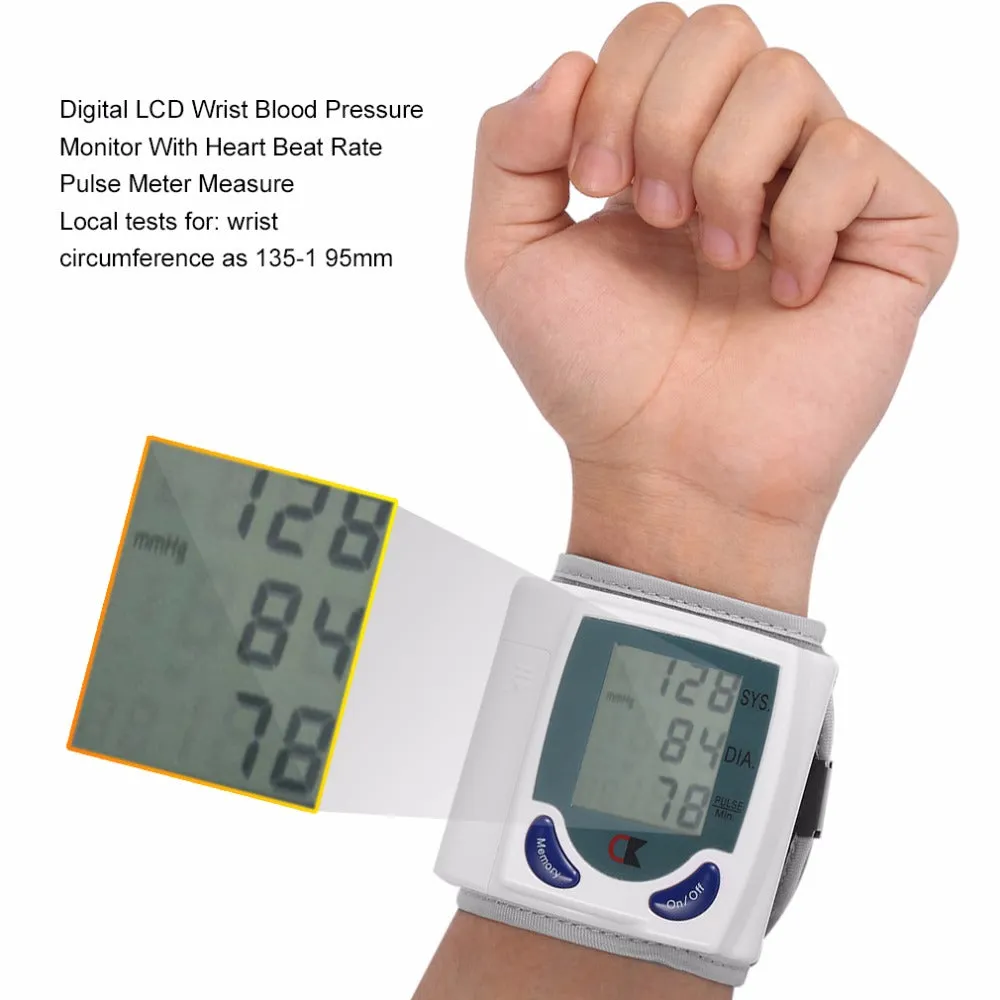
Simple, Two Button Digital LCD Wrist Blood Pressure Monitor - Best BP Device For The Home
$26.99USD

Unilever
Dove® Antiperspirant / Deodorant, 1 Each
$22.19USD
Hartmann
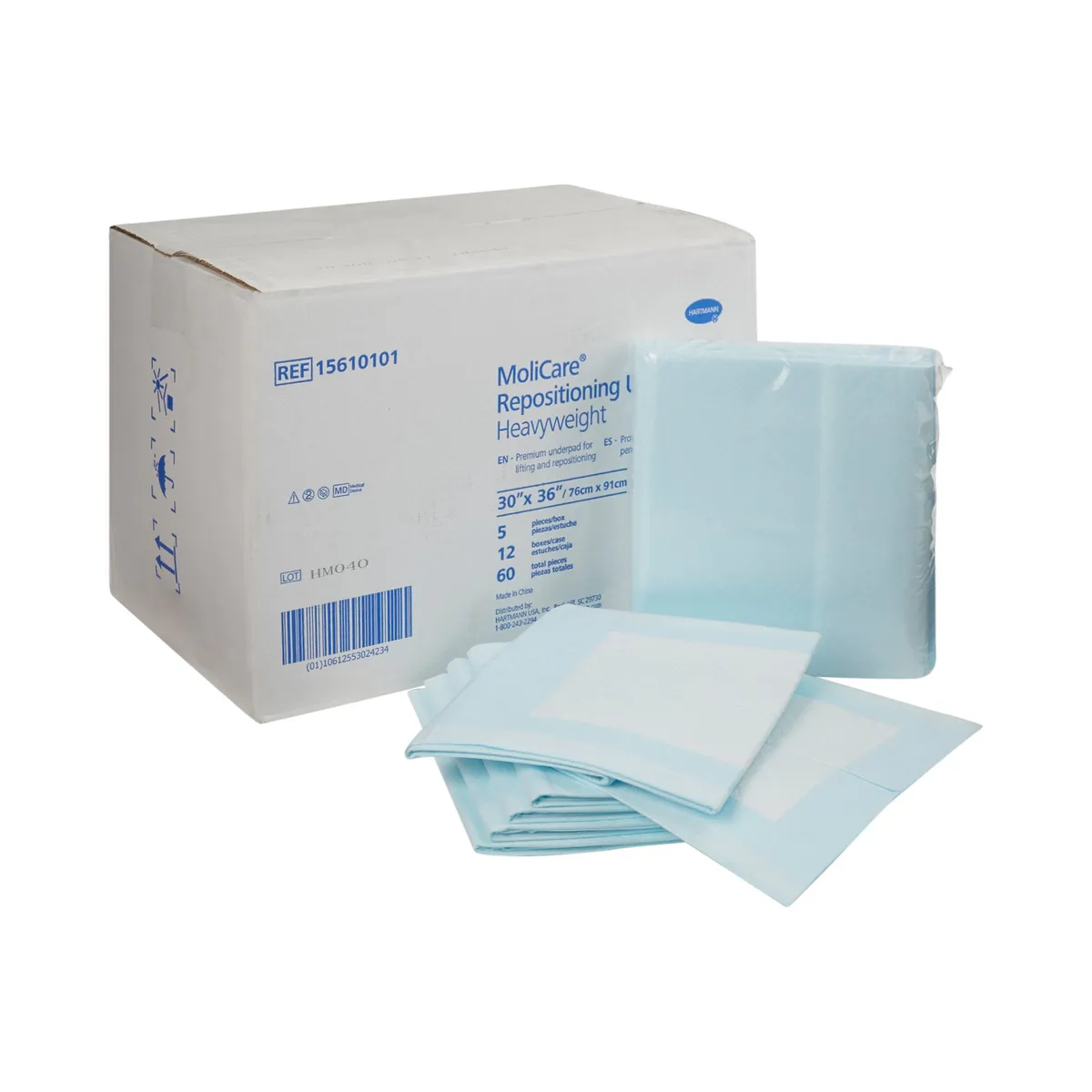
MoliCare® Positioning Underpad, 30 x 36 Inch, 1 Bag of 5
$33.28USD

Neutrogena
Neutrogena® Moisturizer, 1 Each
$24.14USD

3M
3M Cavilon Rinse-Free Body Wash, 8 Oz Pump Bottle, Floral Scent, 1 Each
$18.36USD

Cardinal
Cardinal Unscented Personal Wipe, 1 Pack of 96
$32.62USD
Foam, gel, and alternating-air overlays redistribute pressure under at-risk body prominences — a core element of pressure-injury prevention bundles.
Bolsters, wedges, and leg elevators hold anatomical positions for surgical recovery, respiratory support, edema control, and contracture prevention.
Fitted hospital sheets, stretched-fit pillowcases, and contoured bedding survive institutional laundering and fit hospital mattresses (typically 36 × 84 inches).
Removable, launderable covers on overlays and positioning aids allow infection-control cleaning between patients without replacing the core foam.
Hospital bedding and patient-positioning equipment — beds and bed parts, bolster rolls, wedges, leg elevators, mattress overlays, fitted sheets, and pressure-redistribution surfaces. Selection is driven by patient risk (Braden score), body habitus, and care-setting protocols.
Patients with Braden score ≤18 or other risk factors (immobility, incontinence, malnutrition) need active pressure-redistribution surfaces, not just foam pads.
Head-of-bed ≥30° for VAP prevention; leg elevation above heart for edema; prone or lateral for respiratory support. Reposition at least every 2 hours.
Foam overlays for low-risk patients; alternating-air or low-air-loss for moderate-high risk; bariatric-rated surfaces for patients over standard weight limits.
Inspect bedding daily for soiling or wear. Launder sheets per facility protocol; wipe overlays and positioning aids between patients with healthcare disinfectant.
Log turn schedule, skin assessment (every shift), and any Stage 1+ pressure changes. Adjust surface and frequency based on assessment.
Clinical use information is provided for reference only. Always follow facility protocols, manufacturer instructions for use (IFU), and evidence-based practice guidelines. Consult the treating clinician before use.
Standards & Certifications
A spec-by-spec comparison with the most common alternatives in the bedding, mattresses & positioning category. Clinical interchangeability varies — always verify with your care team or facility protocol.
| Spec | This product Semi Electric Bed Pkg w/Half Rails & Fibercore Mattress | Hospital Supply HQ Semi Electric Bed Pkg w/Full Rails & Fibercore Mattress | Hospital Supply HQ Full Electric Bed Pkg w/Half Rails & Fibercore Mattress | Hospital Supply HQ Full Electric Bed Pkg w/Full Rails & Fibercore Mattress |
|---|---|---|---|---|
| Cover Material | Vinyl | Vinyl | Metal | Metal |
| Sizing | Adult | Adult | Adult | Adult |
Comparison is provided for reference only. Brand names and trademarks belong to their respective owners. Specific SKUs may differ from category averages shown above.
Trusted manufacturer
An established medical products manufacturer supplying clinical teams with quality healthcare supplies.
Answers to the questions clinical buyers and care teams ask most about this product category.
Standard hospital mattresses are 36 × 84 inches. Fitted sheets are sized for this plus mattress depth (typically 6–8 inches). Bariatric beds (42 or 48 inches wide) require bariatric-sized sheets.
Foam or gel overlays suit low-to-moderate-risk patients (Braden 15–18). High-risk patients (Braden ≤14, existing pressure injuries, or prolonged immobility) typically need alternating-air or low-air-loss full mattresses — or a powered replacement mattress.
Yes, with proper cleaning. Wipe the nylon or vinyl cover with a healthcare-grade disinfectant between patients. Remove and launder the cover if it's washable. Replace if visibly worn or contaminated.
Bolsters are cylindrical for side-lying support and between-knees comfort. Wedges are angular for head-of-bed or body-side elevation. Leg/heel rolls are smaller and positioned to offload specific pressure points.
Check the weight capacity. Standard overlays rate 250–350 lbs; bariatric-rated surfaces support 500–1000+ lbs. Always match the weight rating to the patient with a clinical safety margin.
Hospital Supply HQ
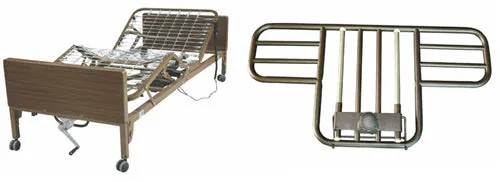
Ultra Light Full Electric Bed w/Half Length Side Rails
$947.69USD
Graham-Field
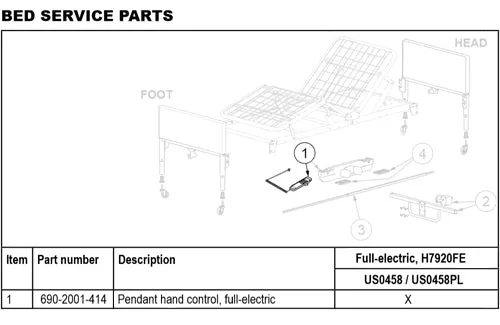
Pendant for Full Electric Bed (Patriot--#1801B)
$173.48USD
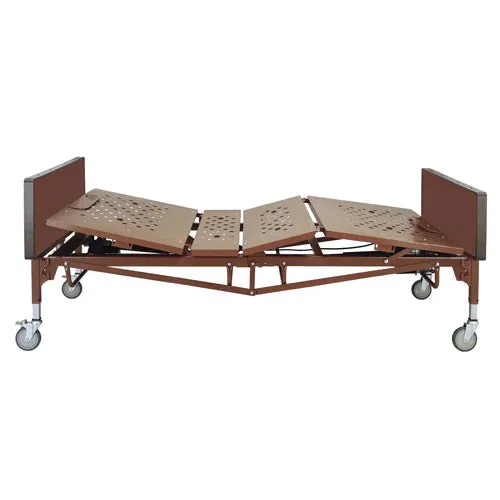
Hospital Supply HQ
Bariatric Full Electric BedPkg w/Half Rails & Mattress
$4,099.80USD

Drive Medical
Hand Control only for # 1802C Full Elec Bed Quick Release
$102.53USD

Mobility Transfer Systems
SafetySure Mobility Sheet w/o Insert- Medium 39 Lx36 W
$132.02USD
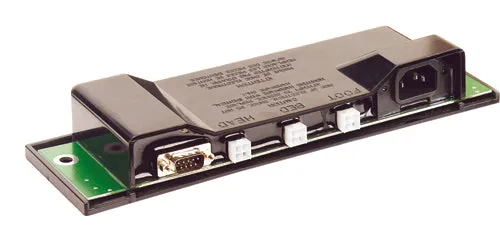
Drive Medical
Junction Box only for Drive Electric Beds(not Ultra Light)
$250.84USD
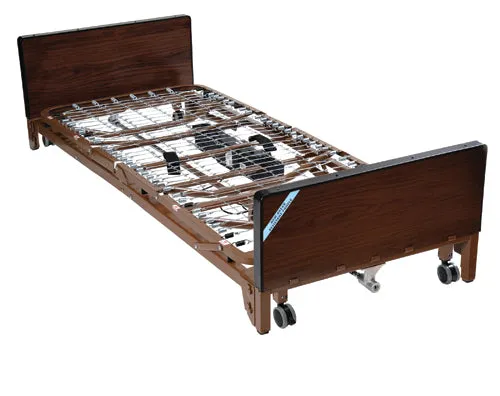
Drive Medical
Delta Ultra Lite 1000 Homecare Full Elec Bed Package-Drive
$1,068.76USD
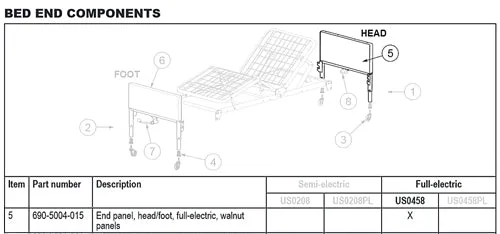
Hospital Supply HQ
Bed End Panel for #1801B(Each) Walnut
$41.63USD
$1,319.01USD
$1,371.27USD
Save $52.26In stock. Order by 2pm PST for same-day processing.
In stock
Ships from our western US warehouses
Fast shipping
Same-day processing before 2pm PST
30-day returns
Hassle-free on eligible orders
HSA / FSA
Eligible for most medical accounts
$1,319.01USD
$1,371.27USD
Clinical Evidence
The Cochrane database of systematic reviews
A Cochrane overview of reviews with network meta-analysis on beds, overlays and mattresses for preventing and treating pressure ulcers.
Key Findings
Sample Size
6 Cochrane Reviews; 68 prevention studies, 18,174 participants
Clinical nursing research
A systematic review of studies on whether more or less bedrail use reduces falls among older adults living in nursing homes.
Key Findings
Sample Size
14 studies
Clinical evidence is provided for informational purposes only. Healthcare professionals should evaluate products based on their clinical judgment and patient-specific factors. Links to external studies are provided as references and do not constitute endorsement. Always refer to the manufacturer's instructions for use.