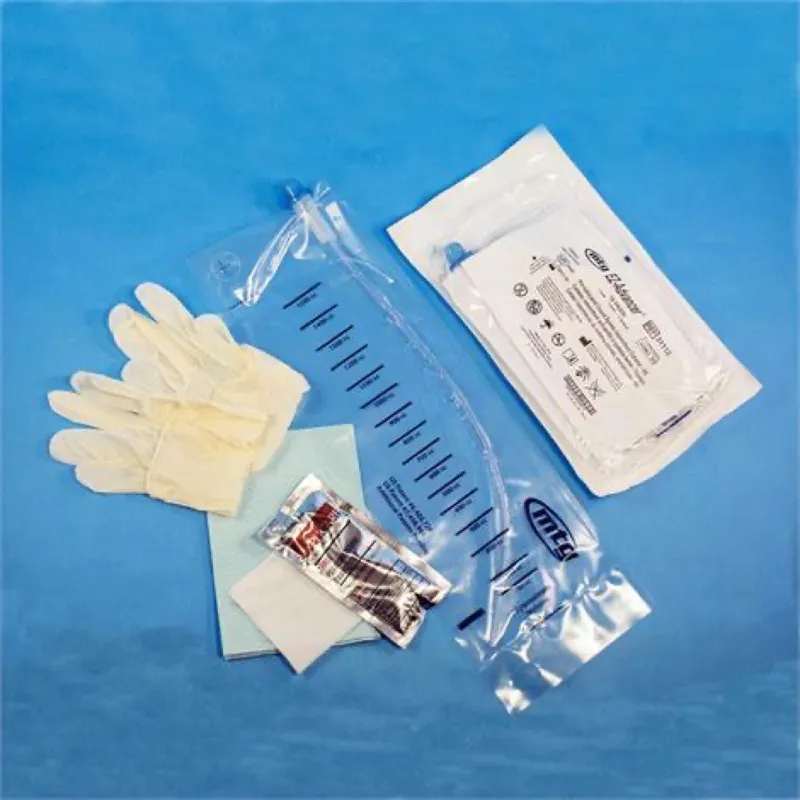
Don mask first.
Perform hand hygiene, then don a surgical mask or respirator. The face shield is worn over the mask — never as a substitute.
Other sizes, pack counts, and variants of the same product line.
Products commonly used alongside this one. Bundle them into a single order.
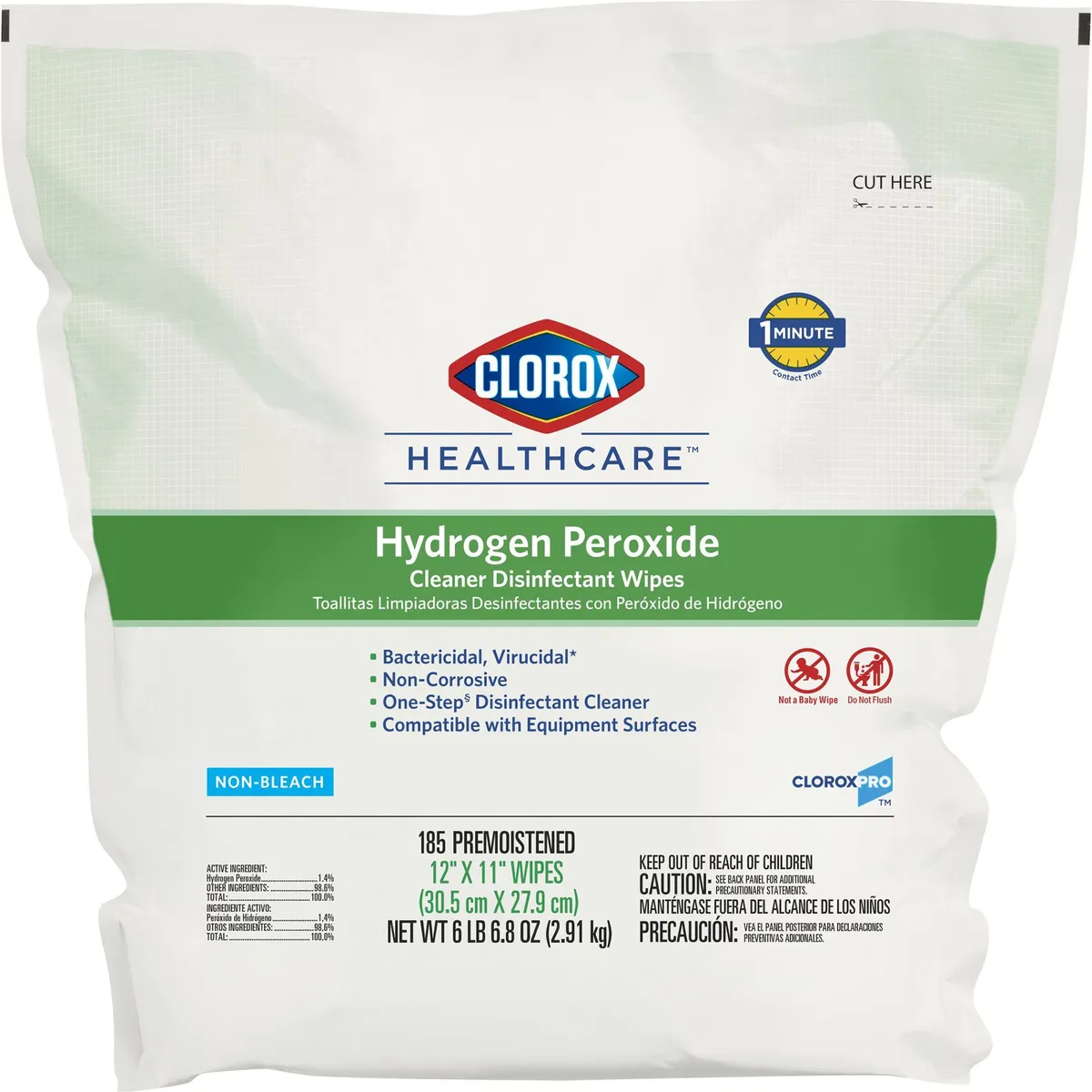
The Clorox Company
Clorox® Healthcare® Surface Disinfectant Cleaner, 1 Case of 2
$88.09USD
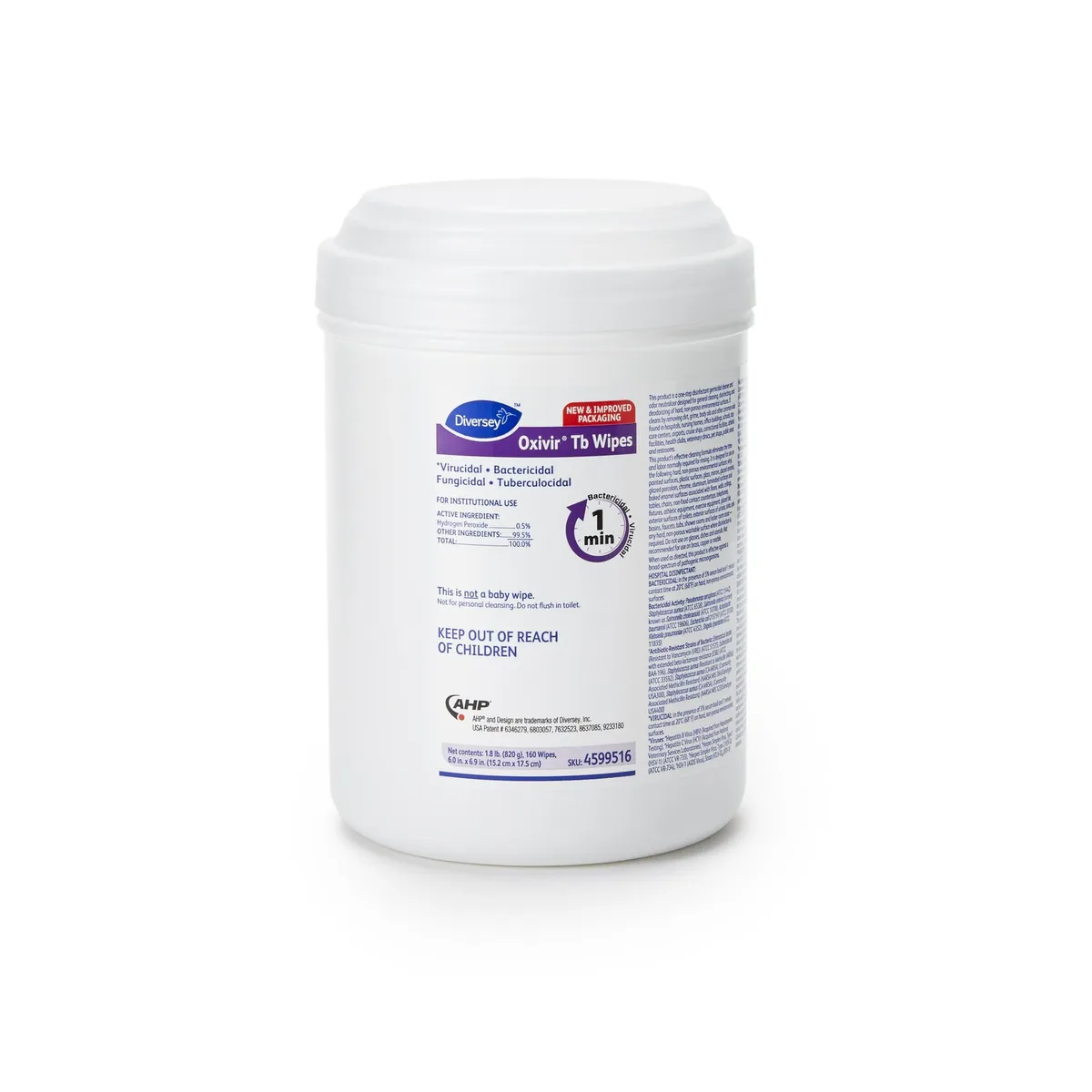
Lagasse
Oxivir® Tb Surface Disinfectant Wipes, 1 Carton of 160
$32.98USD
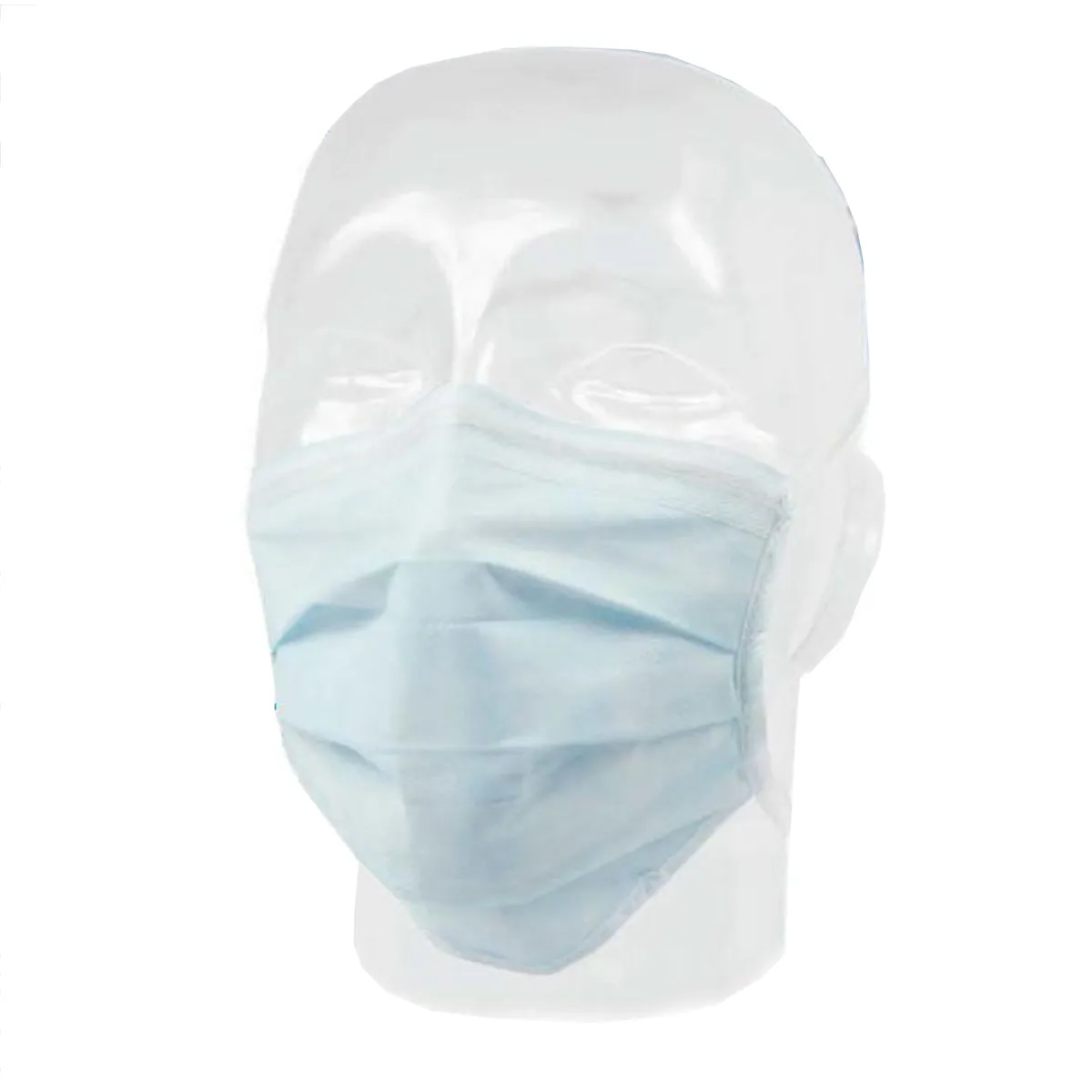
Aspen Surgical Products
Comfort-Cool™ Surgical Mask, 1 Box of 50
$26.15USD
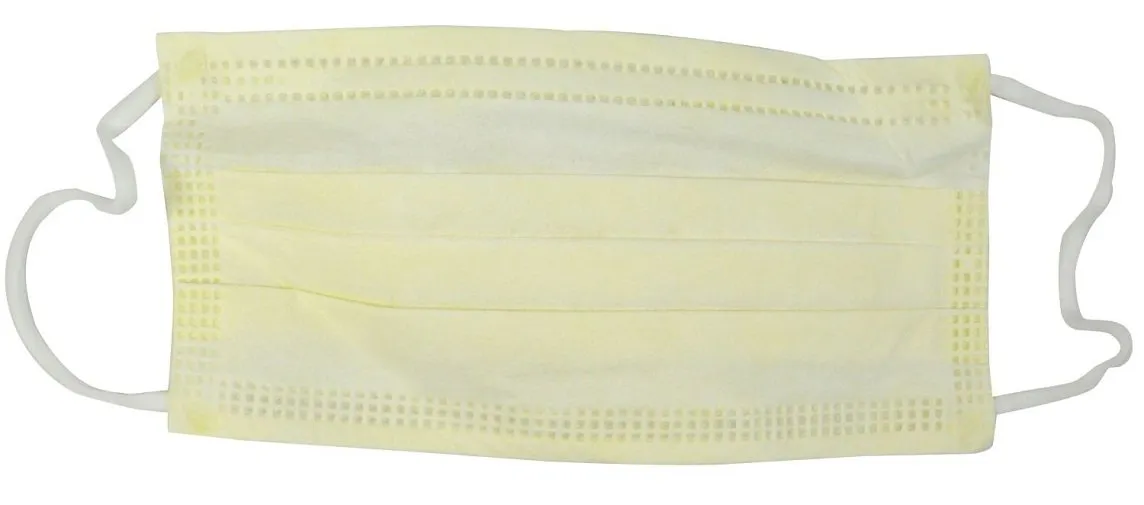
Cardinal
Secure-Gard® Procedure Mask, 1 Case of 500
$79.59USD
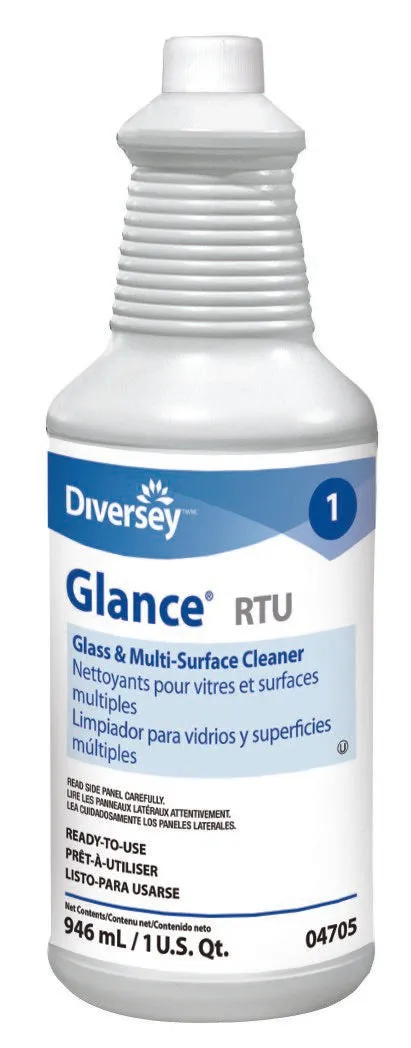
Lagasse
Glance® Glass / Surface Cleaner, 1 Each
$17.16USD
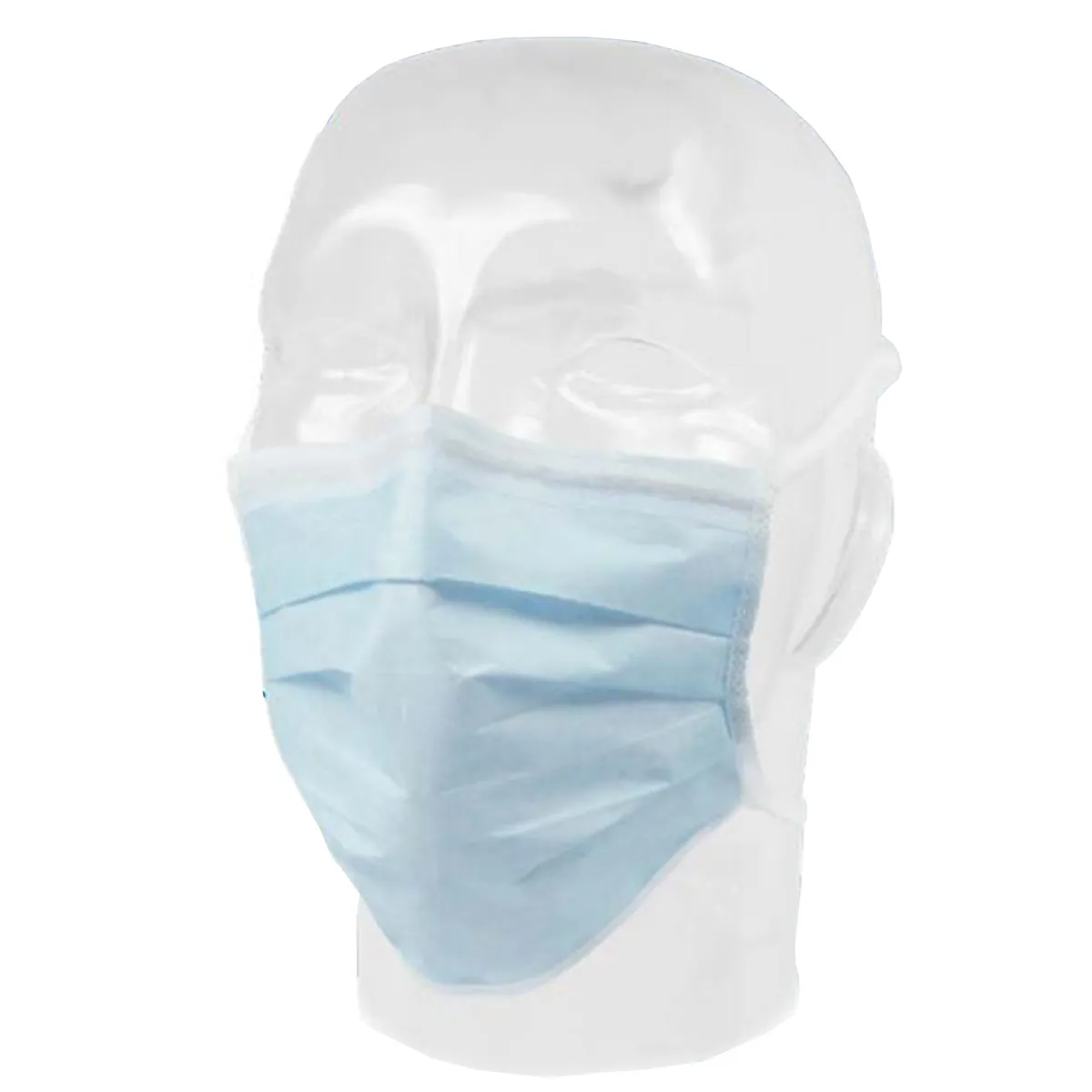
Aspen Surgical Products
Comfort-Plus™ Surgical Mask, 1 Case of 300
$82.42USD
Visor extends from brow to below the chin, blocking fluid splatter and aerosolized droplets that a mask alone cannot stop.
Coated or treated visors resist fogging during extended wear, speech, and temperature transitions between patient rooms.
Headband clearance accommodates prescription glasses, surgical loupes, and goggles worn underneath without interference.
Choose reusable frames with replaceable visor shields for cost-per-use efficiency, or disposable shields for high-volume isolation.
Face shields and protective eyewear shield clinicians from splash, splatter, and droplet exposure during procedural care. Worn over — not instead of — a surgical mask or respirator for full barrier protection.
Perform hand hygiene, then don a surgical mask or respirator. The face shield is worn over the mask — never as a substitute.
Size the headband for stable fit without pressure points on the temples or forehead. The visor should clear any eyewear worn underneath.
Visor must extend below the chin and wrap beyond the sides of the face. No gaps between the visor and the brow line.
Remove by the headband or earpieces only. The front of the visor is the contaminated surface — touching it defeats the barrier.
Reusable frames and visors: disinfect per manufacturer IFU between patients using an EPA-registered healthcare disinfectant. Single-use shields go to waste immediately after doffing.
Clinical use information is provided for reference only. Always follow facility protocols, manufacturer instructions for use (IFU), and evidence-based practice guidelines. Consult the treating clinician before use.
Standards & Certifications
A spec-by-spec comparison with the most common alternatives in the eye & face protection category. Clinical interchangeability varies — always verify with your care team or facility protocol.
| Spec | This product EZ-Advancer™ Closed System Intermittent Catheter Kit, 16fr, 16", 1 Each | Teleflex Medical RUSCH/MMG™ Intermittent Catheter Kit, 16Fr, Non-latex, Sterile, 1 Each | Teleflex Medical EasyCath™ Intermittent Coudé Catheter Kit, 10fr, 1 Each | Teleflex Medical EasyCath™ Intermittent Female Catheter Kit, 14fr, 1 Each |
|---|---|---|---|---|
| Coverage | Brow to chin | Brow to chin | Brow to chin | Brow to chin |
| Reusable | Single-use | Single-use | Single-use | Single-use |
| Fits Over Eyewear | Yes | Yes | Yes | Yes |
Comparison is provided for reference only. Brand names and trademarks belong to their respective owners. Specific SKUs may differ from category averages shown above.
Trusted manufacturer
An established medical products manufacturer supplying clinical teams with quality healthcare supplies.
Answers to the questions clinical buyers and care teams ask most about this product category.
Yes. Face shields stop splash and splatter but do not filter airborne particles and do not form a seal around the face. Always pair a face shield with a surgical mask or fit-tested respirator appropriate to the clinical risk.
Reusability is listed per SKU. For reusable models, disinfect the frame and visor between patients using an EPA-registered healthcare disinfectant per the manufacturer's instructions. Do not autoclave polycarbonate or PETG visors unless the manufacturer explicitly approves it.
Most clinical face shields include an anti-fog coating or film. Fogging still occurs when a tight-sealing respirator is worn underneath; tighten the respirator's nose clip and direct exhaled air downward to reduce buildup.
Yes. Clinical face shields are designed with enough clearance to accommodate eyewear, loupes, and goggles worn underneath. Adjust the headband so the inside of the visor does not contact the front of your glasses.
Goggles seal around the eye socket and protect against fluid and particulate ingress — but they only cover the eyes. A face shield protects the entire face including the nose, mouth, forehead, and chin. For aerosol-generating procedures, many facilities require both.
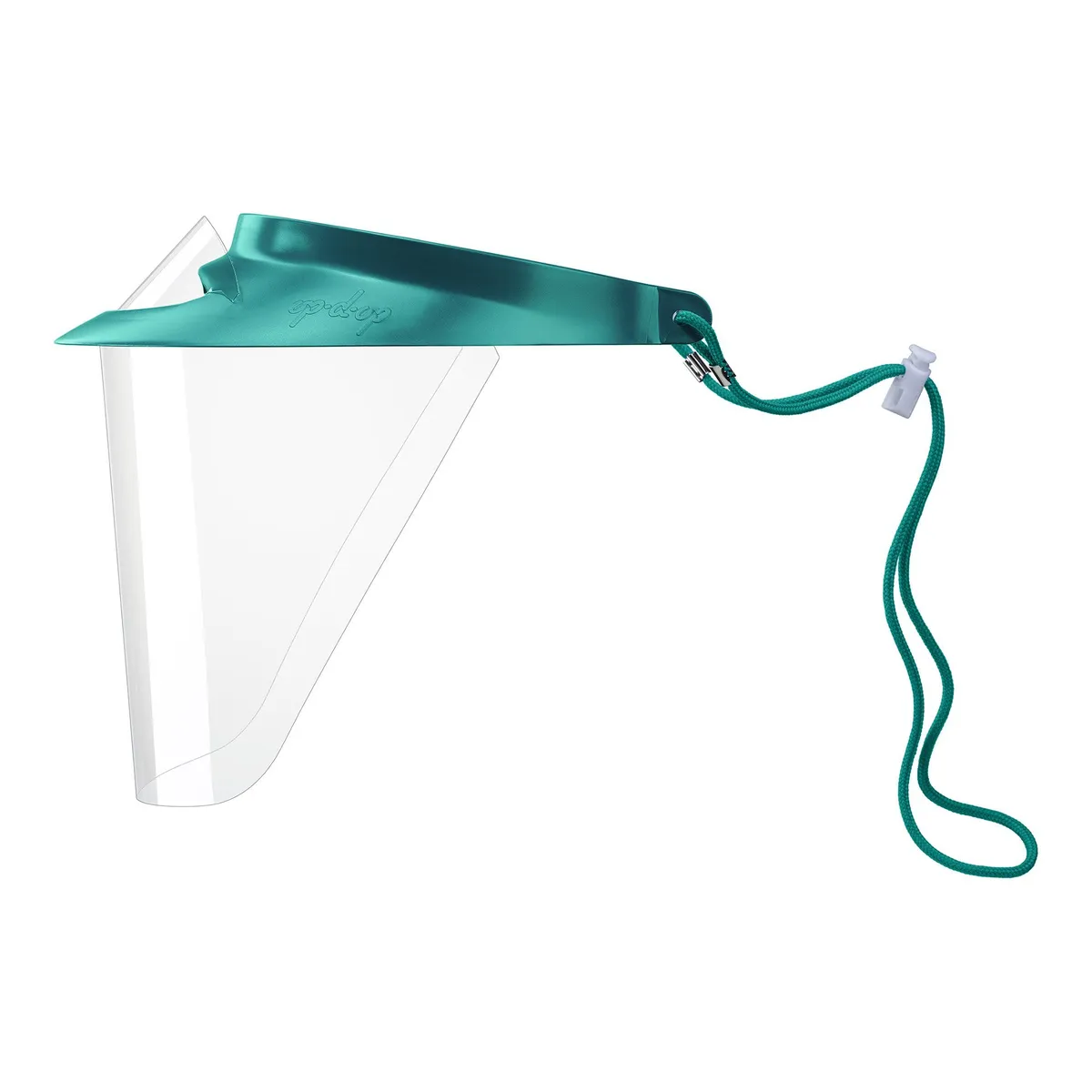
Op-D-Op
FACESHIELD KIT, W/1 VISOR 2SHLD TEAL
$69.19USD
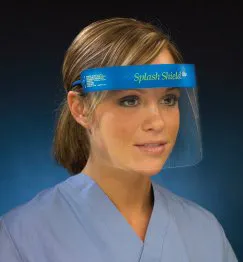
Splash Shield
Splash Shield Lite Face Shield with Frame, 1 Box of 40
$116.09USD
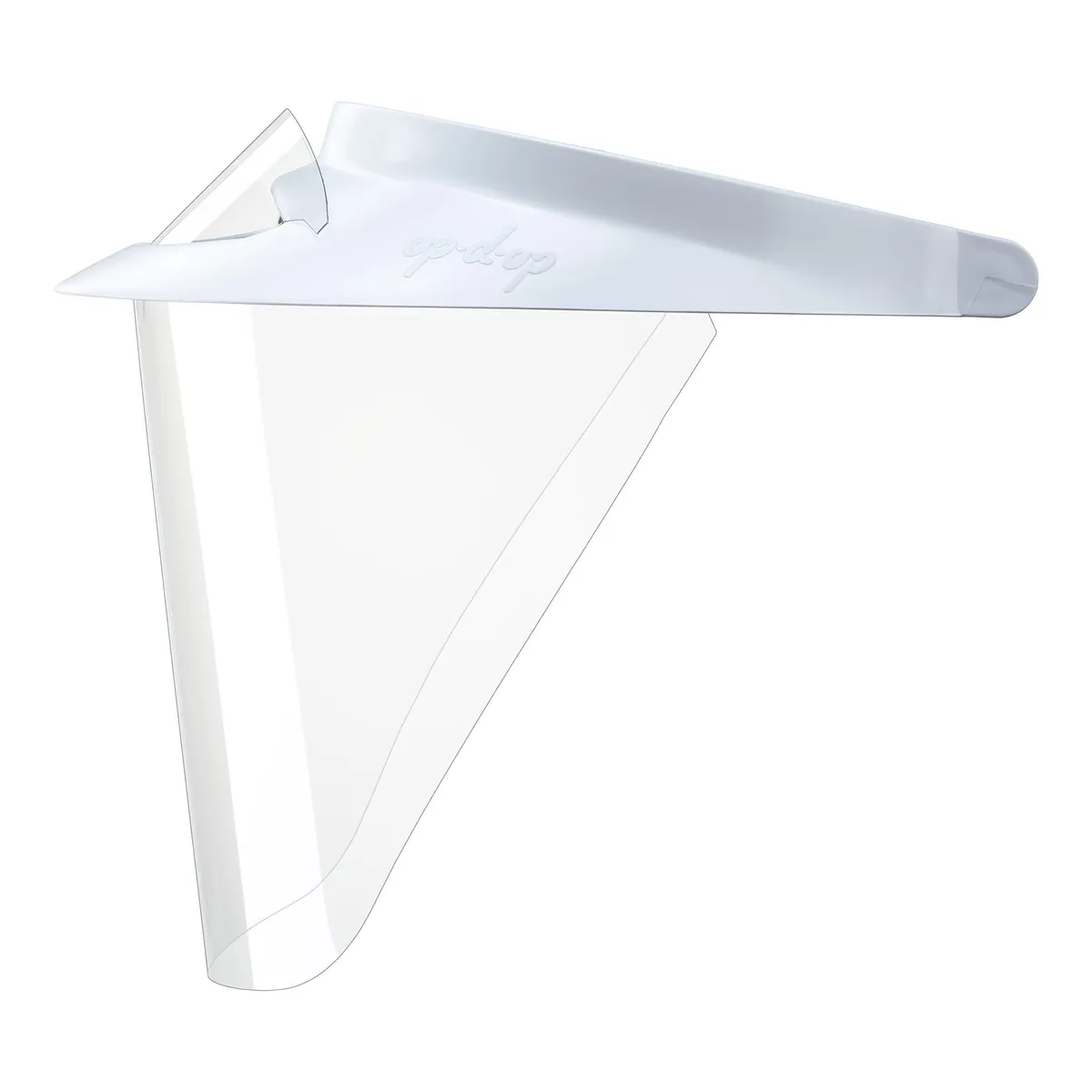
Op-D-Op
Op-D-Op Visor Shield Kit, 1 Each
$69.99USD
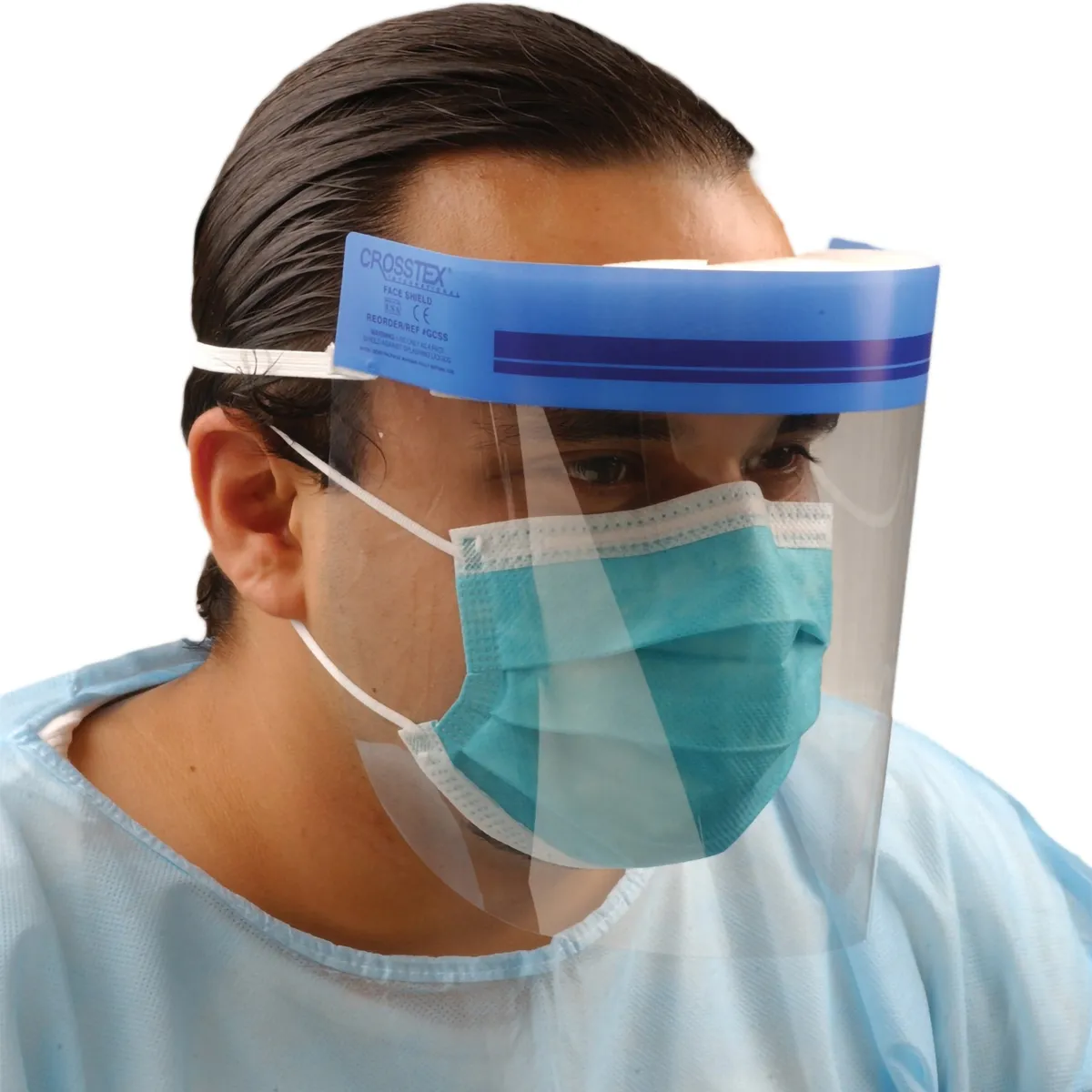
SPS Medical Supply
CrossTex® Wraparound Face Shield, 1 Each
$15.79USD
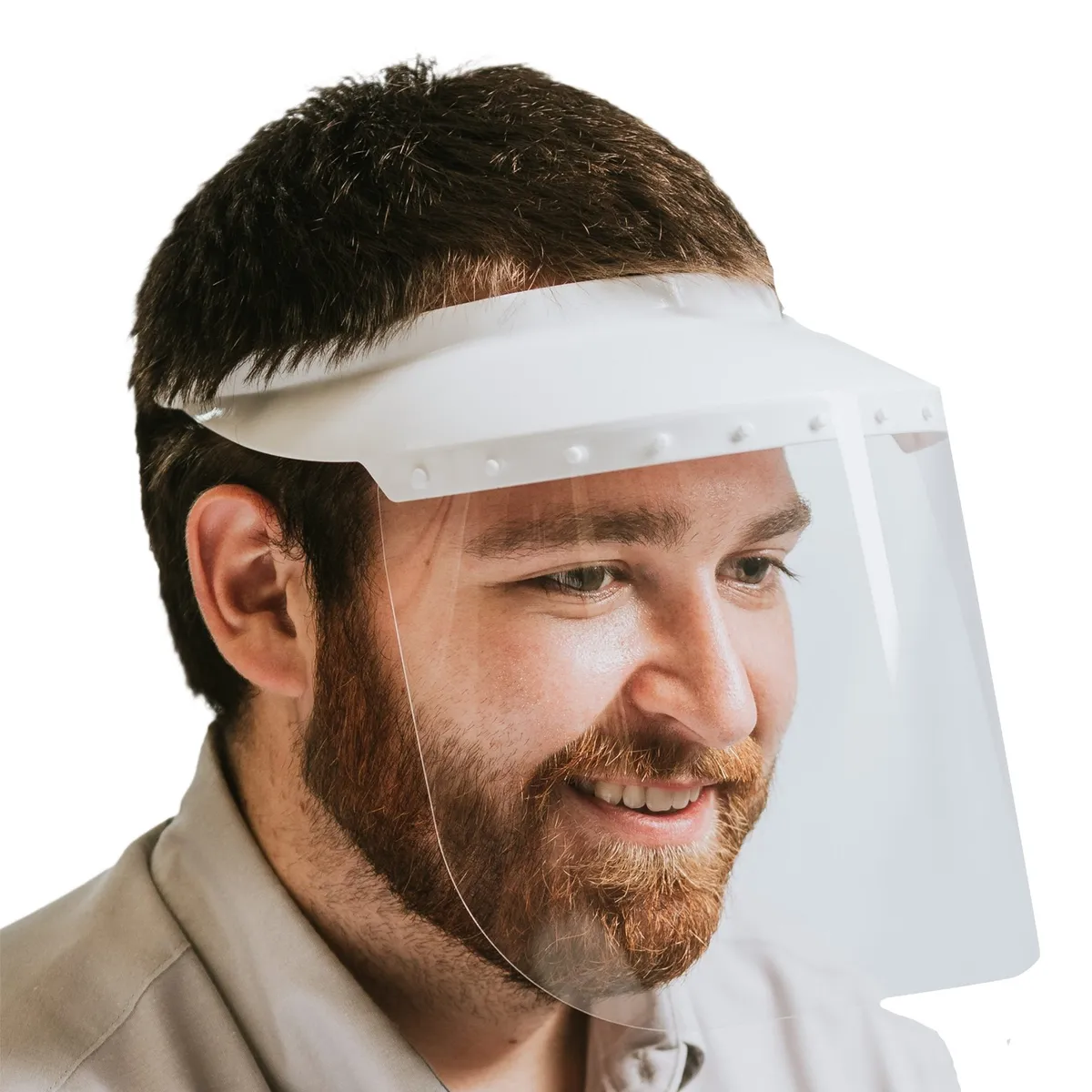
Molded Products
Molded Products Visor Set, 1 Pack
$89.64USD
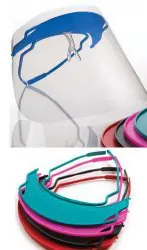
Cancer Diagnostics
FACE SHIELD, CLEARLITE PLUS W/3 REUSABLE VISORS (15/PK)
$152.08USD
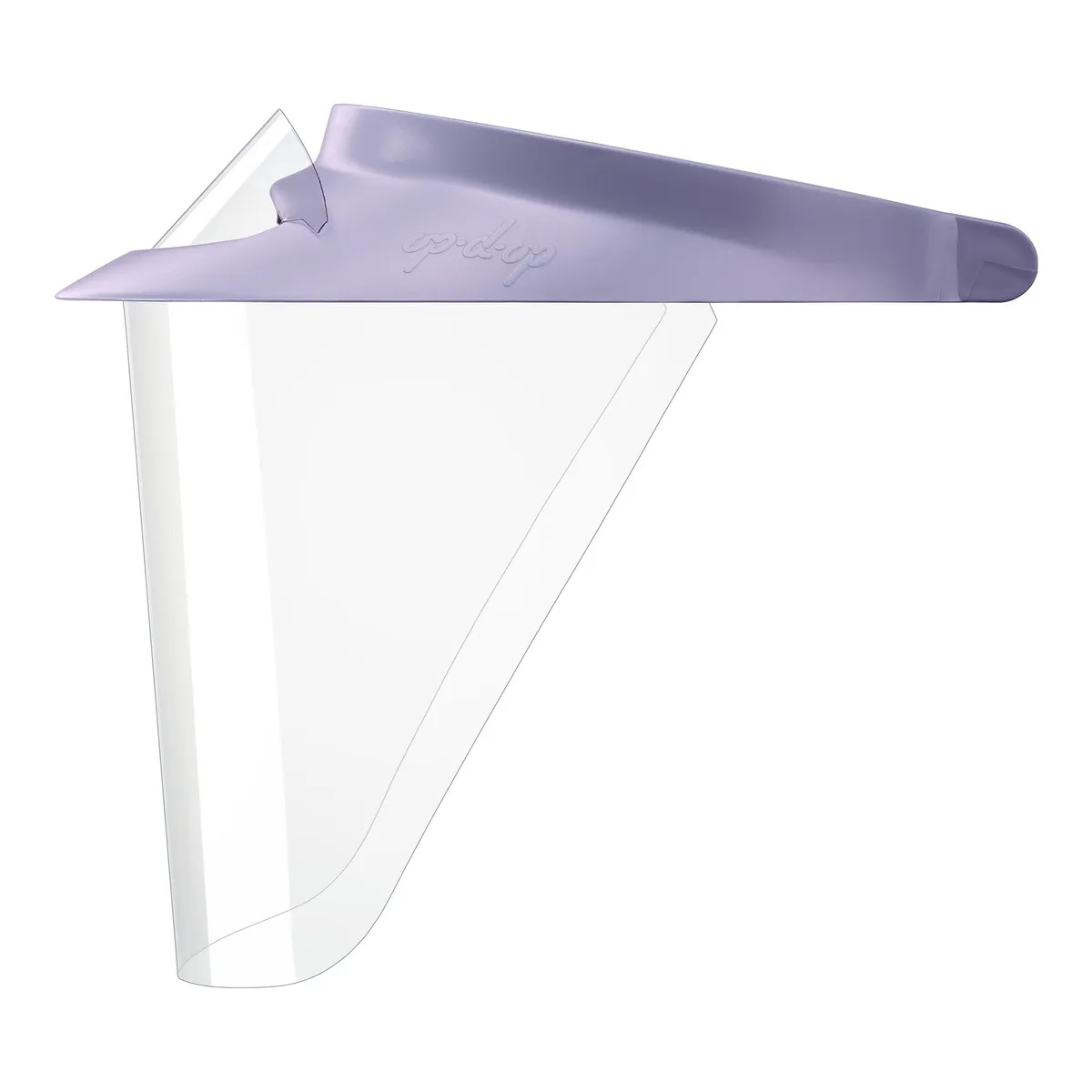
Op-D-Op
KIT,SHLD W/1VISOR 2SHLD 1MINI VIOLET MED
$58.89USD
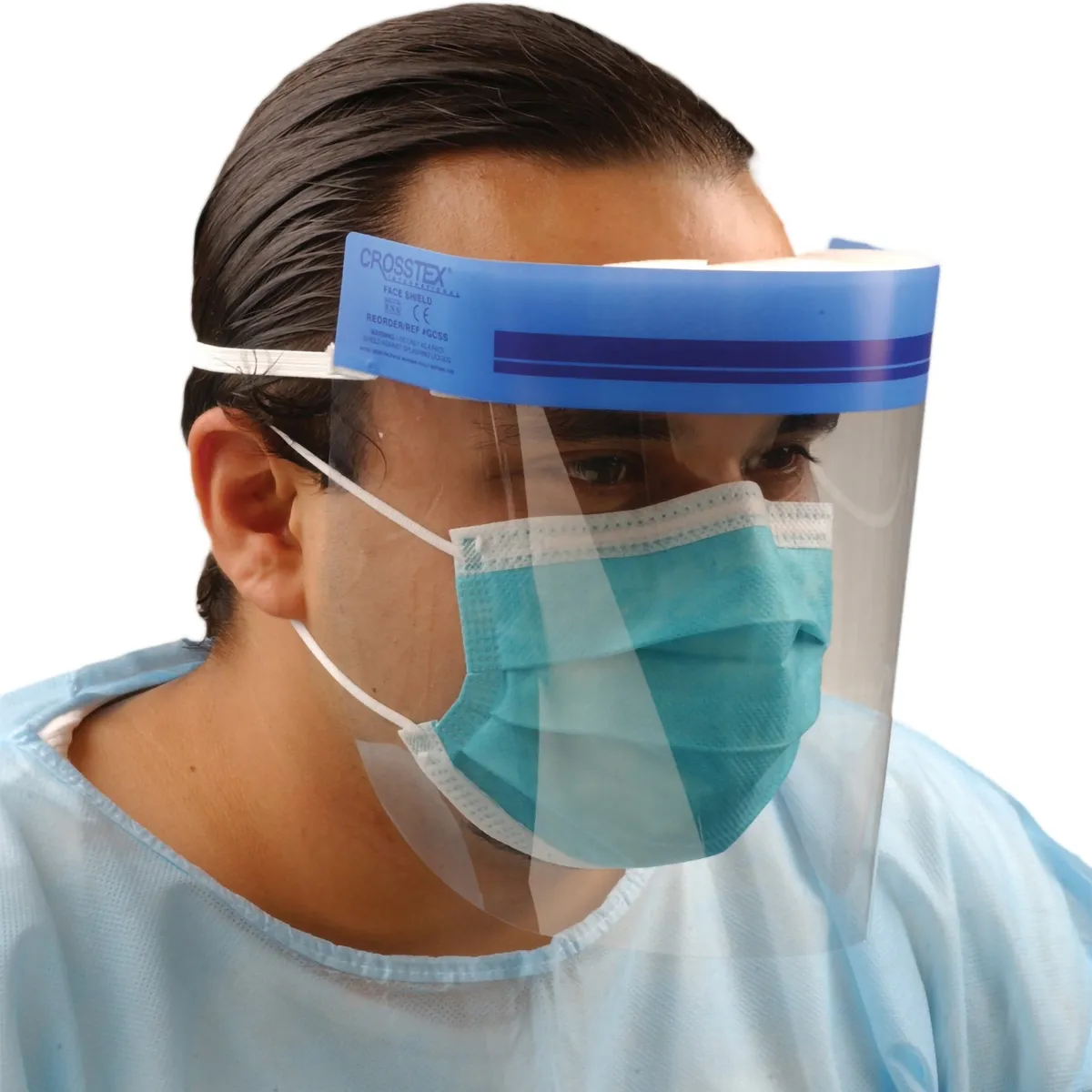
SPS Medical Supply
CrossTex® Wraparound Face Shield, 1 Box of 24
$59.88USD
$5.79USD
In stock. Order by 2pm PST for same-day processing.
In stock
Ships from our western US warehouses
Fast shipping
Same-day processing before 2pm PST
30-day returns
Hassle-free on eligible orders
HSA / FSA
Eligible for most medical accounts
$5.79USD
Clinical Evidence
Scientific reports
A laboratory study using a simulated coughing patient compared a standard disposable plastic face shield with a negative pressure face shield for containing virus aerosol during an aerosol-generating procedure.
Key Findings
Clinical evidence is provided for informational purposes only. Healthcare professionals should evaluate products based on their clinical judgment and patient-specific factors. Links to external studies are provided as references and do not constitute endorsement. Always refer to the manufacturer's instructions for use.