Assess and prescribe.
Therapist determines resistance level, duration, and frequency based on patient's baseline strength, injury phase, and rehab goals.
Products commonly used alongside this one. Bundle them into a single order.
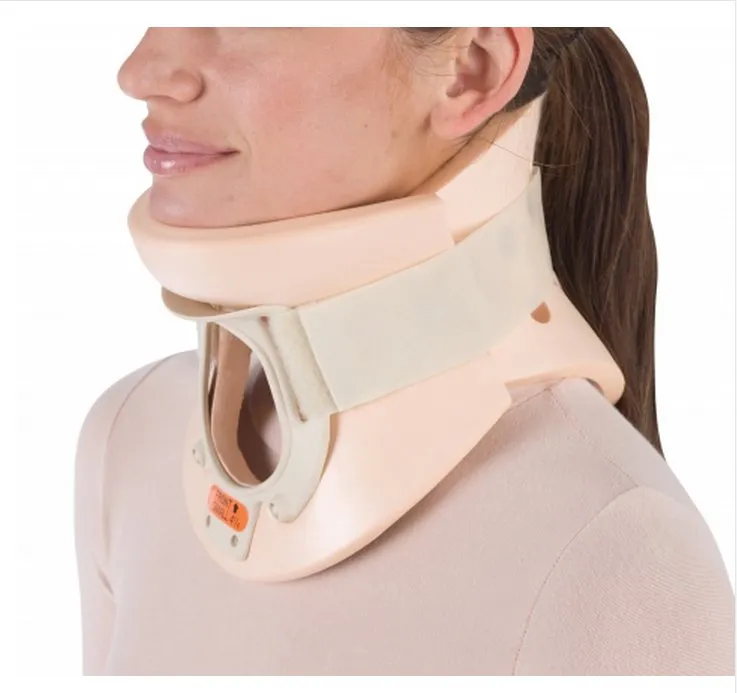
DJO
ProCare California Rigid Cervical Collar, Medium, 4¼ Inch Height, 1 Each
$44.58USD
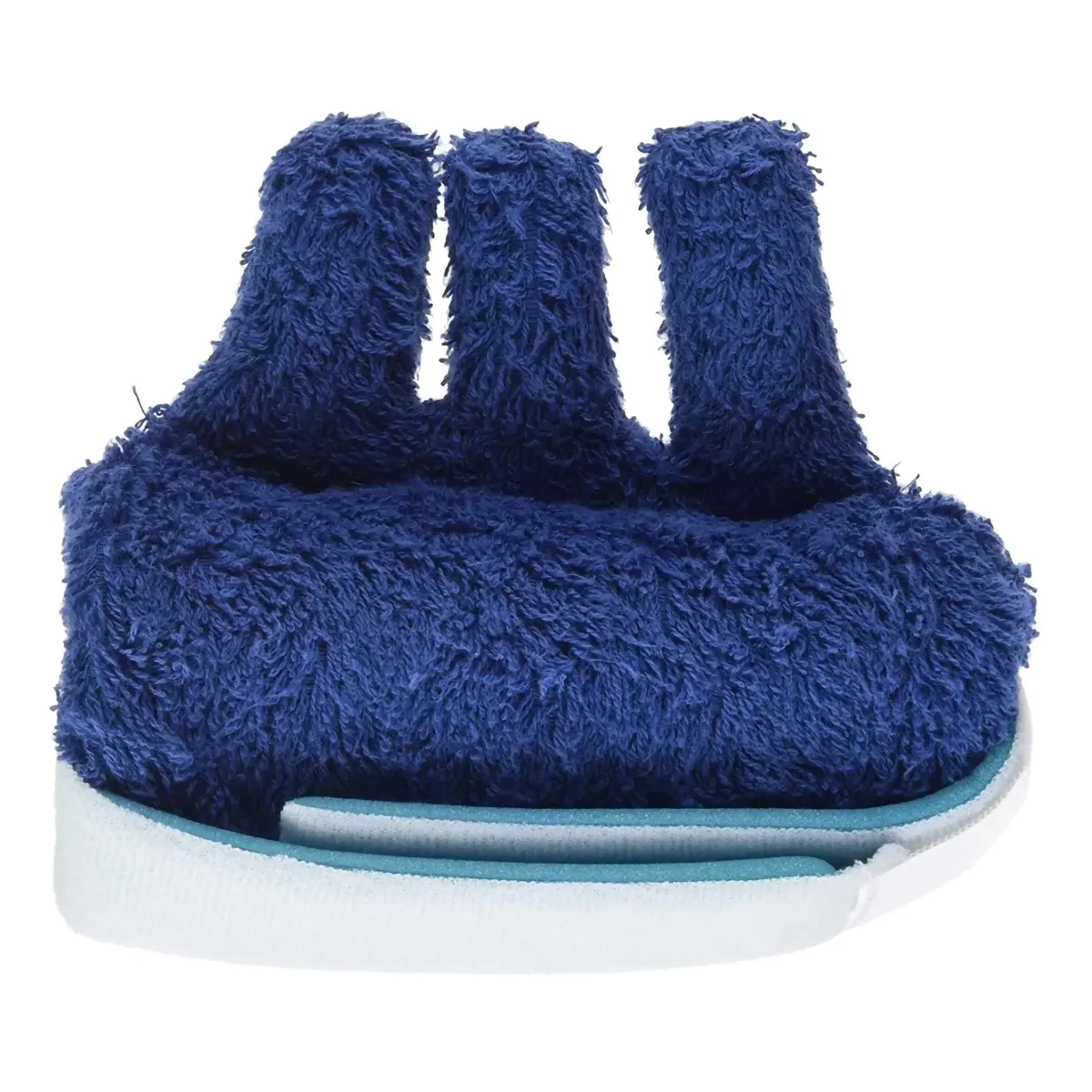
Patterson Medical Supply
Rolyan® Cone With Finger Separator, Regular, 1 Each
$35.88USD
Brownmed
IMAK® Thumb Stabilizer, Small, 1 Each
$37.88USD
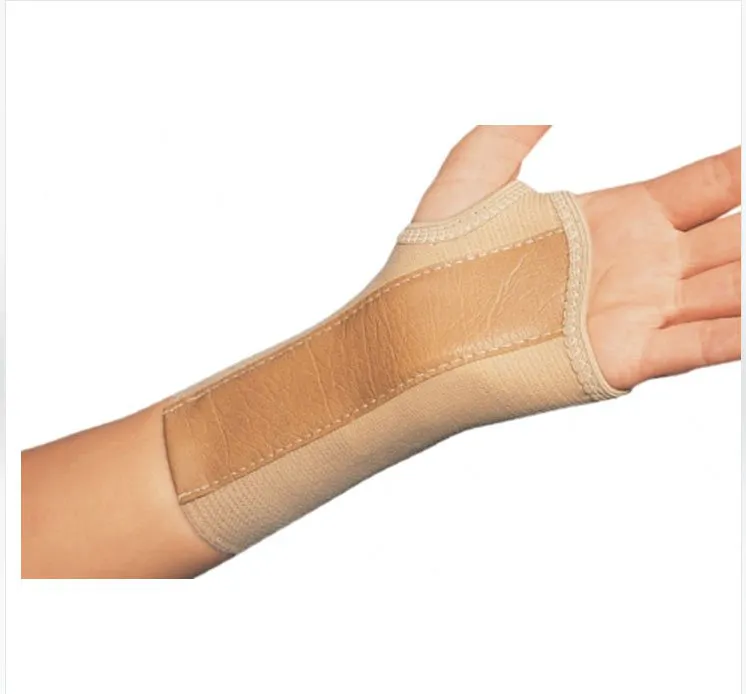
DJO
ProCare® Left Wrist Brace, Small, 1 Each
$25.33USD
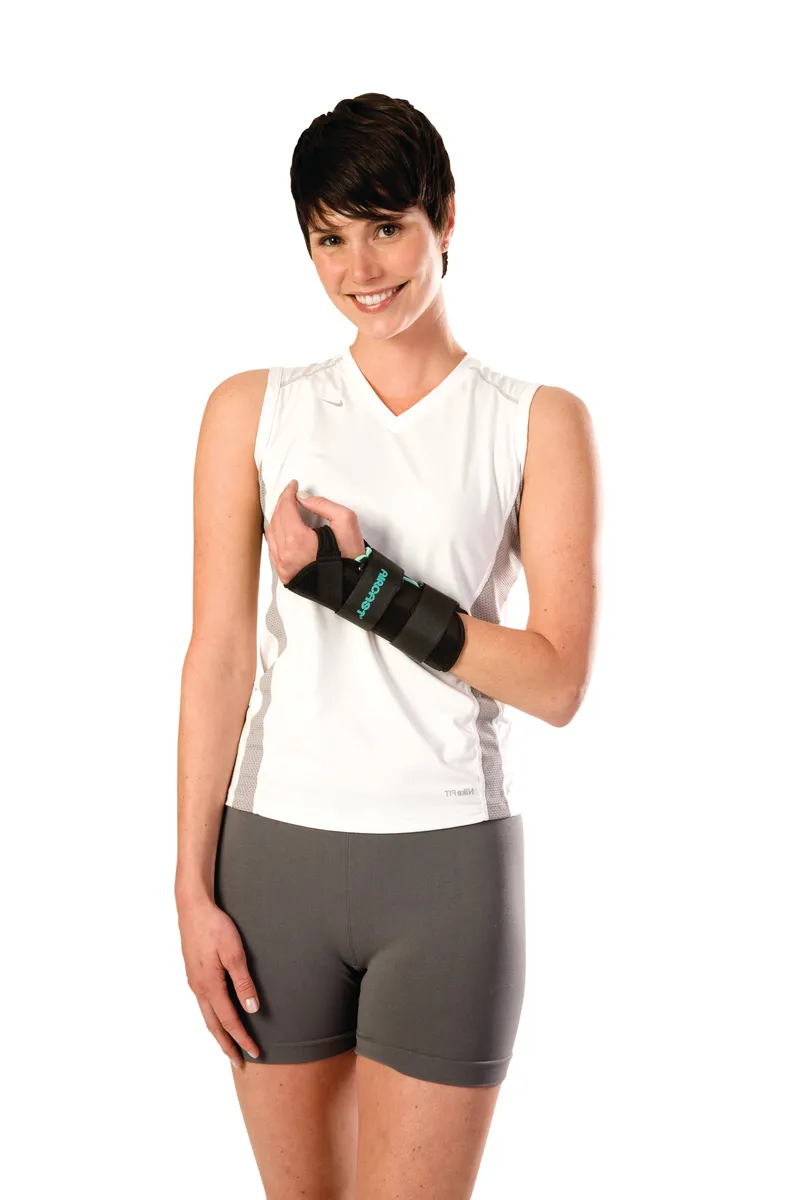
DJO
AirCast® A2™ Right Wrist Brace With Thumb Spica, Small, 1 Each
$38.70USD
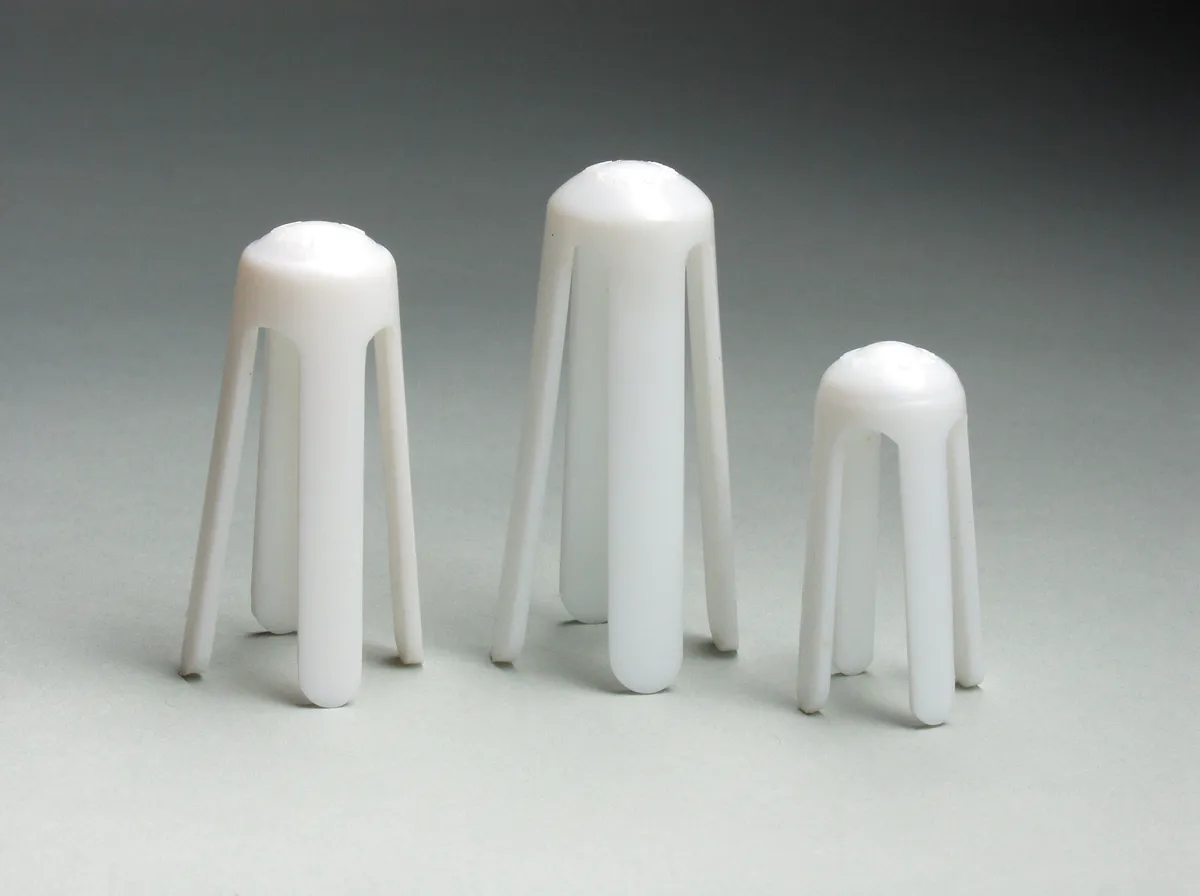
Dukal
FINGER GUARD SET, PLAS UNPADDED ASTD SZ LF (12/BX)
$24.06USD
Color-coded band tensions (from yellow/light to black/heavy) let therapists dial resistance precisely to the patient's strength level.
Cold for acute injury (first 48 hrs), heat for chronic pain and stiffness, alternating for rehab — supports RICE and contrast protocols.
Therapy bands and packs are rated for repeated clinical use; consumer-grade equivalents fail under daily patient-facing load.
Pneumatic compression for lymphedema follows CDT (Complete Decongestive Therapy) guidelines. Hydrotherapy supports gait and strength rehab.
Rehabilitation therapy aids support strength, range-of-motion, edema management, and pain control — from resistance bands and hand exercisers to cold/hot therapy packs, pneumatic compression pumps, and hydrotherapy equipment.
Therapist determines resistance level, duration, and frequency based on patient's baseline strength, injury phase, and rehab goals.
Cold therapy: 15–20 minutes at a time, with a barrier between pack and skin. Repeat every 2–3 hours during acute injury.
Heat therapy: 15–20 minutes, moderate warmth (not hot). Contraindicated in acute inflammation, impaired sensation, or active bleeding.
Lymphedema pumps: follow prescribed pressure (typically 30–60 mmHg) and duration (30–60 min, 1–2×/day). Pair with manual lymphatic drainage and compression garments.
Advance resistance band color or exercise duration in small increments (10–20% weekly) to prevent re-injury.
Clinical use information is provided for reference only. Always follow facility protocols, manufacturer instructions for use (IFU), and evidence-based practice guidelines. Consult the treating clinician before use.
Standards & Certifications
A spec-by-spec comparison with the most common alternatives in the rehab & therapy aids category. Clinical interchangeability varies — always verify with your care team or facility protocol.
| Spec | This product Synchrosonic Combo Ultrasnd & Hi Volt Stim | Richmar Synchrosonic Combo Ultrasnd & Dual Lo Volt Ac Stim | Hospital Supply HQ Synchrosonic Ultrasnd & Hi&lo Volt Stim Galv. | Hospital Supply HQ Synchrsnc Ultrasnd&Hi-Lo Volt Galv. W/ Std Q.C. Trnsdc |
|---|---|---|---|---|
| Reusable | Single-use | Single-use | Single-use | Single-use |
| HCPCS Eligible | Eligible | Eligible | Eligible | Eligible |
| Clinical Use | Comb. Ultrasound & Muscle Stim | Comb. Ultrasound & Muscle Stim | Comb. Ultrasound & Muscle Stim | Comb. Ultrasound & Muscle Stim |
| Sizing | S, L | Adult | Adult | Adult |
Comparison is provided for reference only. Brand names and trademarks belong to their respective owners. Specific SKUs may differ from category averages shown above.
Trusted manufacturer
An established medical products manufacturer supplying clinical teams with quality healthcare supplies.
Answers to the questions clinical buyers and care teams ask most about this product category.
For most adults post-injury: yellow (light) or red (medium) is appropriate for early rehab. Progress to green, blue, or black as strength returns. Therapists typically prescribe a specific color.
Cold for acute injury (first 48 hrs) and swelling. Heat for chronic pain and muscle stiffness. Never apply cold to an already numb area, and never apply heat to an acute inflammation.
Medicare and most commercial insurers cover pneumatic compression pumps with a qualifying lymphedema diagnosis, documented conservative therapy trial, and provider prescription. E0650/E0651/E0652 HCPCS codes apply.
15–20 minutes per application, every 2–3 hours during the acute phase (first 48 hours). Always place a thin barrier (towel) between the pack and skin to prevent frostbite.
Gel-based reusable cold packs can be frozen and reused indefinitely. Single-use chemical cold packs activate once via mechanical break of an internal barrier and must be discarded after use.
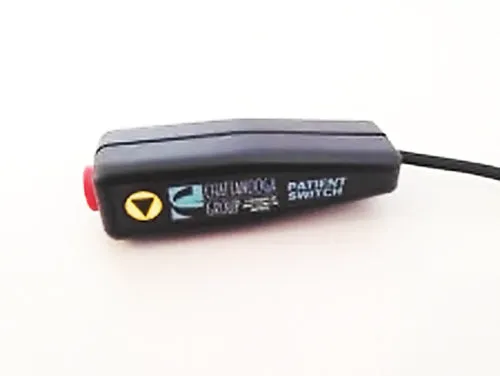
Hospital Supply HQ
Patient Interrupt Switch
$91.66USD
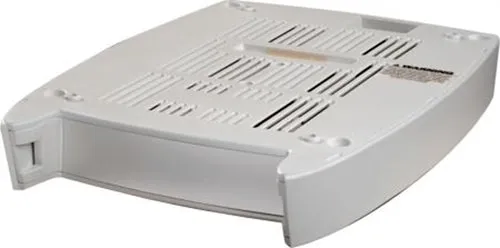
DJO
Battery Module
$395.21USD
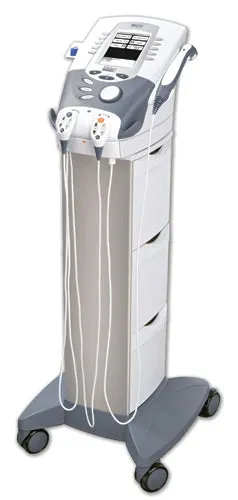
DJO
Intelect Legend XT System & Cart 2-Channel Combination
$6,963.52USD
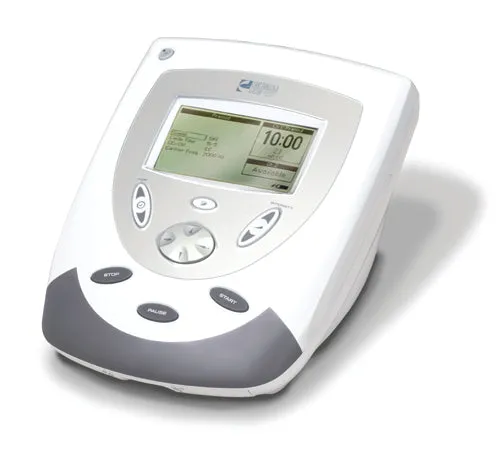
DJO
Intelect Transport Stimulator 2-Channel
$3,664.99USD
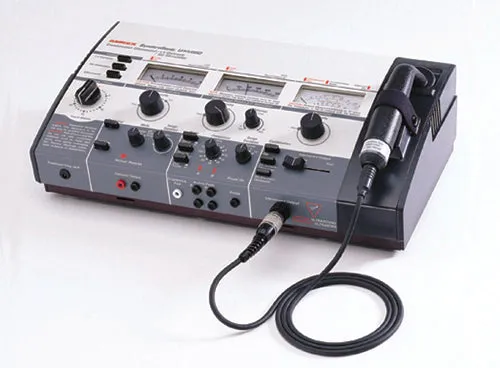
Hospital Supply HQ
Synchrsnc Ultrasnd&Hi-Lo Volt Galv. W/ Std Q.C. Trnsdc
$9,340.54USD
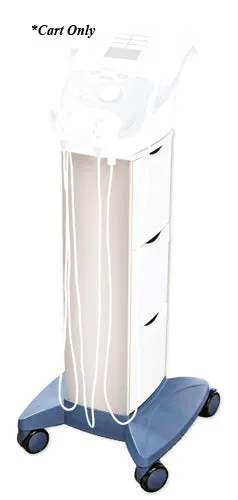
DJO
Intelect Legend XT Cart Only Assembled
$828.02USD
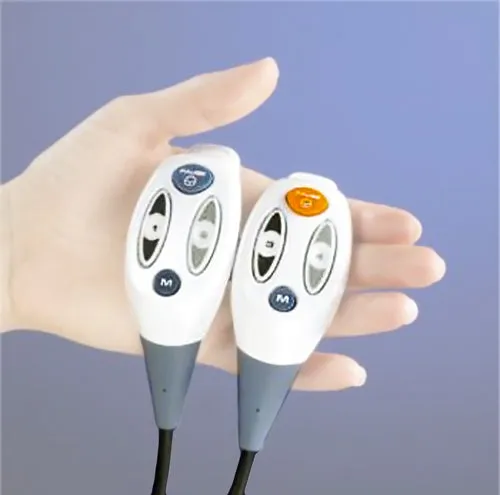
Hospital Supply HQ
Operator Remote Channel 3 & 4
$190.49USD
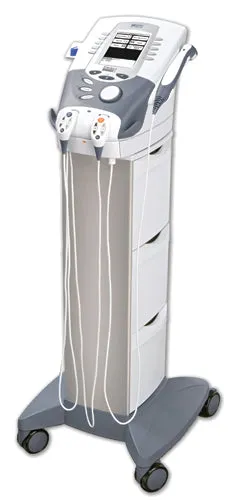
DJO
Intelect Legend XT System & Cart 2-Channel Electrotherapy
$5,090.29USD
$7,332.55USD
$8,154.34USD
Save $821.79In stock. Order by 2pm PST for same-day processing.
In stock
Ships from our western US warehouses
Fast shipping
Same-day processing before 2pm PST
30-day returns
Hassle-free on eligible orders
HSA / FSA
Eligible for most medical accounts
$7,332.55USD
$8,154.34USD
Clinical Evidence
Clinical rehabilitation
A systematic review and meta-analysis of randomised trials comparing therapeutic ultrasound with sham ultrasound in patients with knee osteoarthritis.
Key Findings
Sample Size
15 studies, 1,074 patients
The Cochrane database of systematic reviews
A Cochrane systematic review of randomised trials comparing therapeutic ultrasound, alone or with other treatments, against placebo or other interventions for chronic non-specific low back pain.
Key Findings
Sample Size
10 RCTs, 1,025 participants
BMJ open
A systematic review and meta-analysis of randomised trials comparing transcutaneous electrical nerve stimulation (TENS) with placebo or other treatments in adults with acute or chronic pain.
Key Findings
Sample Size
381 RCTs, 24,532 participants
Clinical evidence is provided for informational purposes only. Healthcare professionals should evaluate products based on their clinical judgment and patient-specific factors. Links to external studies are provided as references and do not constitute endorsement. Always refer to the manufacturer's instructions for use.