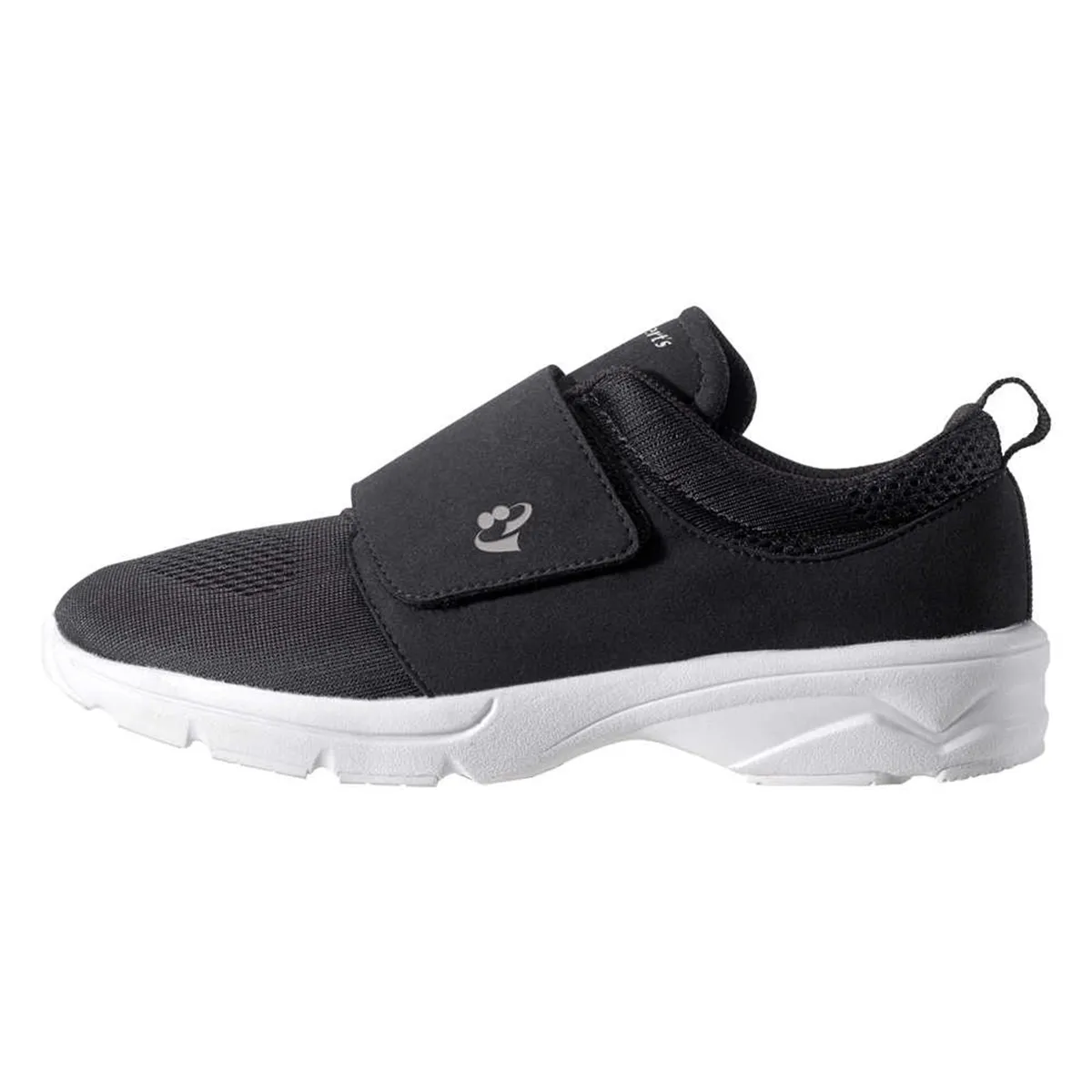
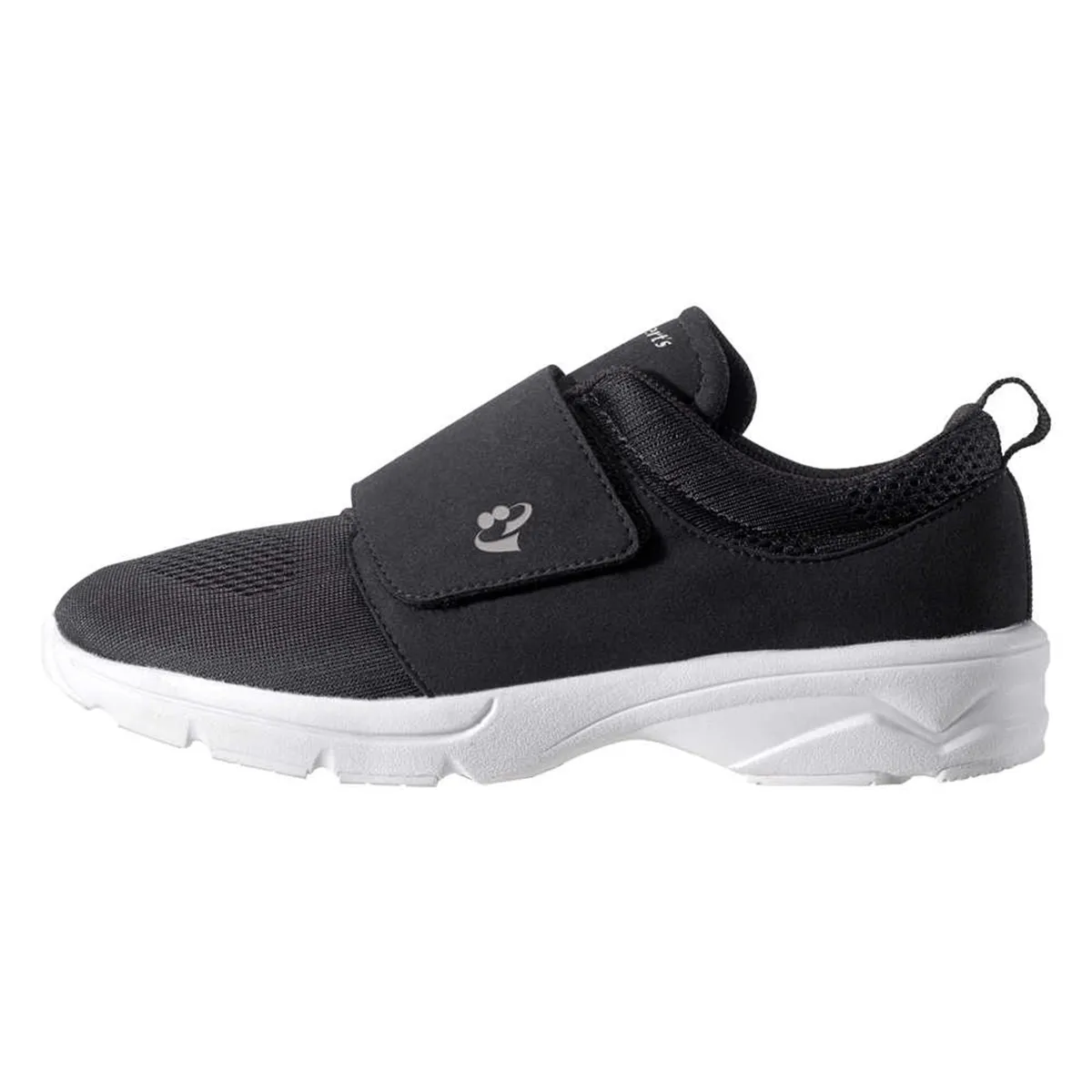
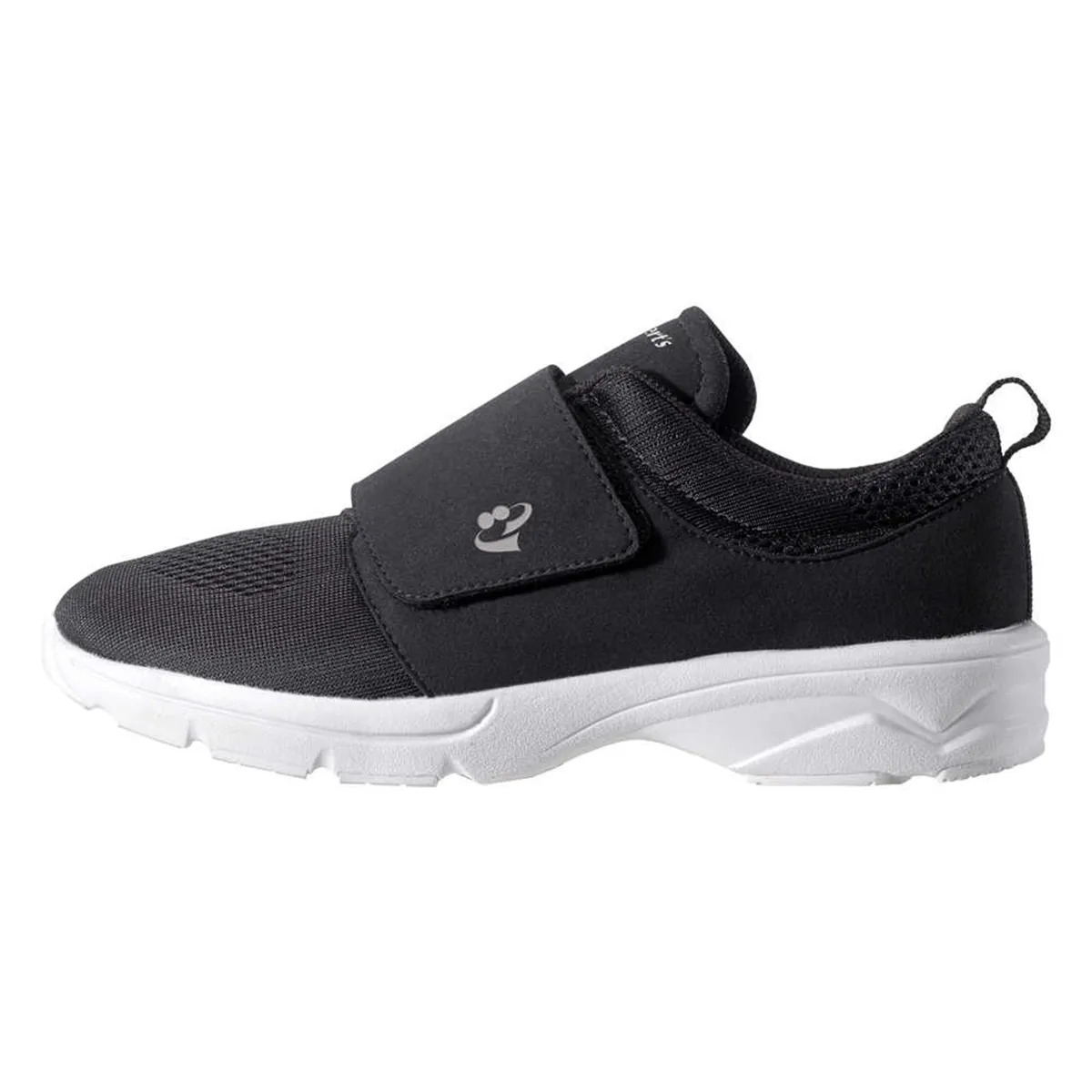
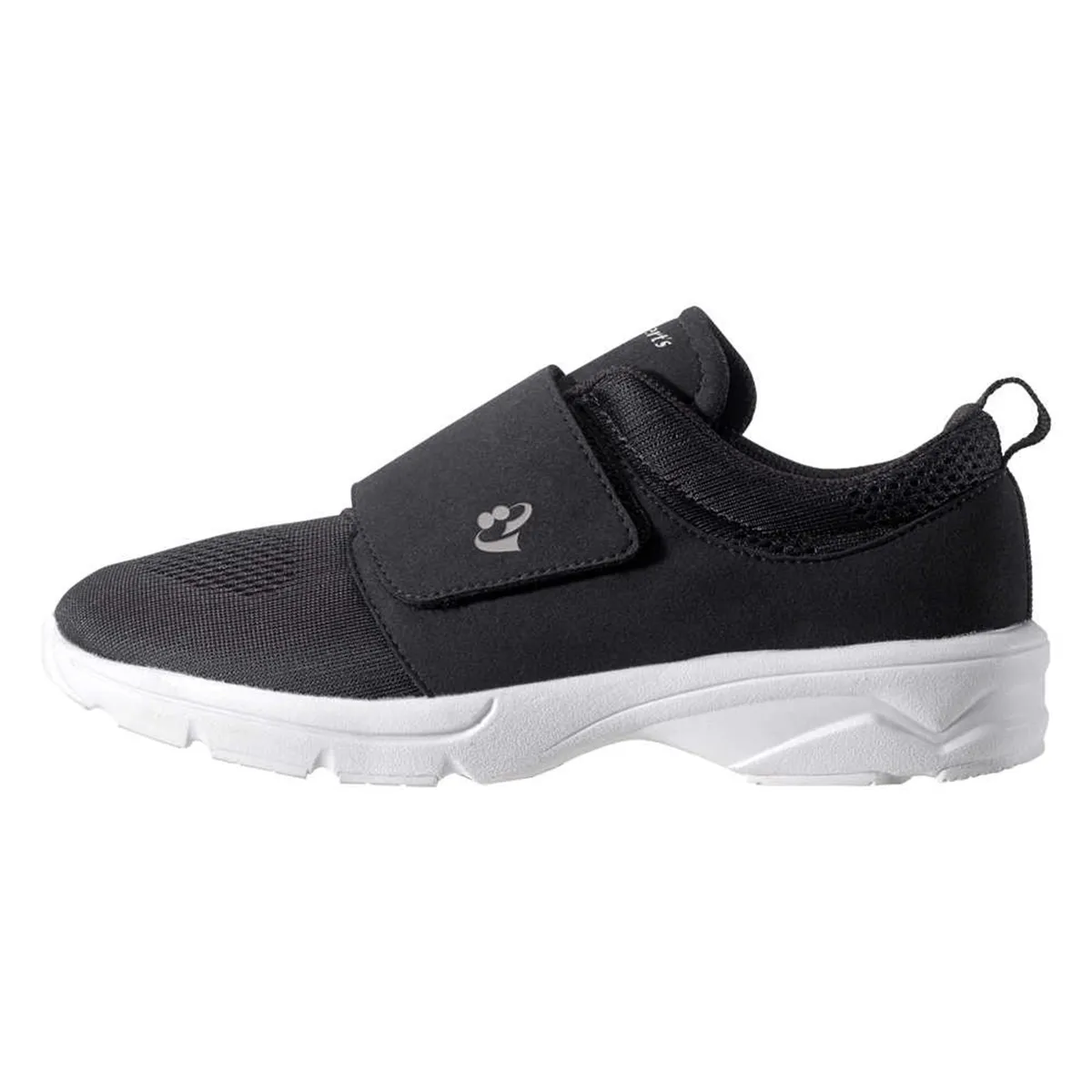
Select by injury location.
Forefoot injuries: wedge heel shoe. Hindfoot: rocker sole. Diabetic: seamless soft interior. Plantar fasciitis: supportive arch insole.
Other sizes, pack counts, and variants of the same product line.
Products commonly used alongside this one. Bundle them into a single order.
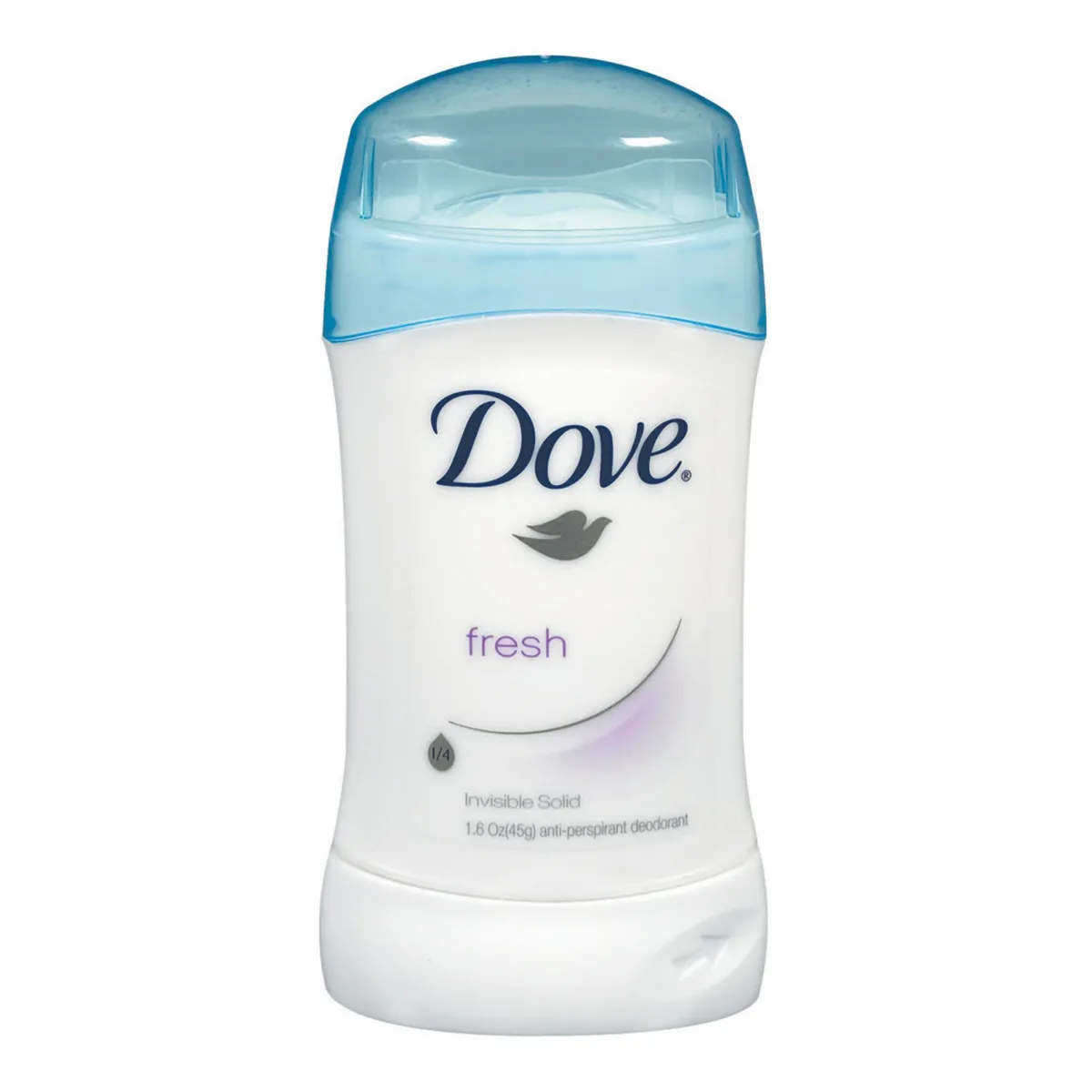
Unilever
Dove® Antiperspirant / Deodorant, 1 Each
$22.19USD
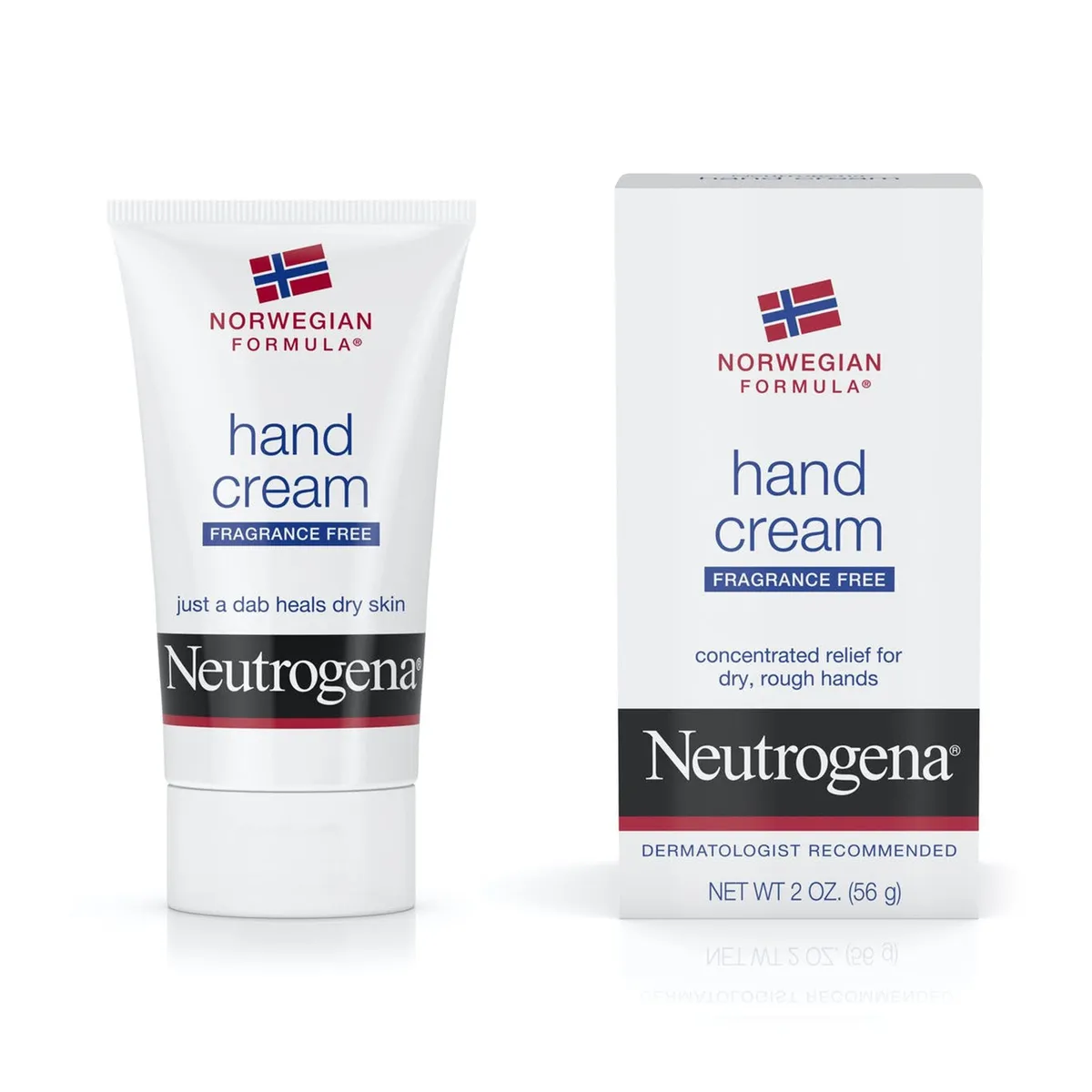
Neutrogena
Neutrogena® Moisturizer, 1 Each
$24.14USD
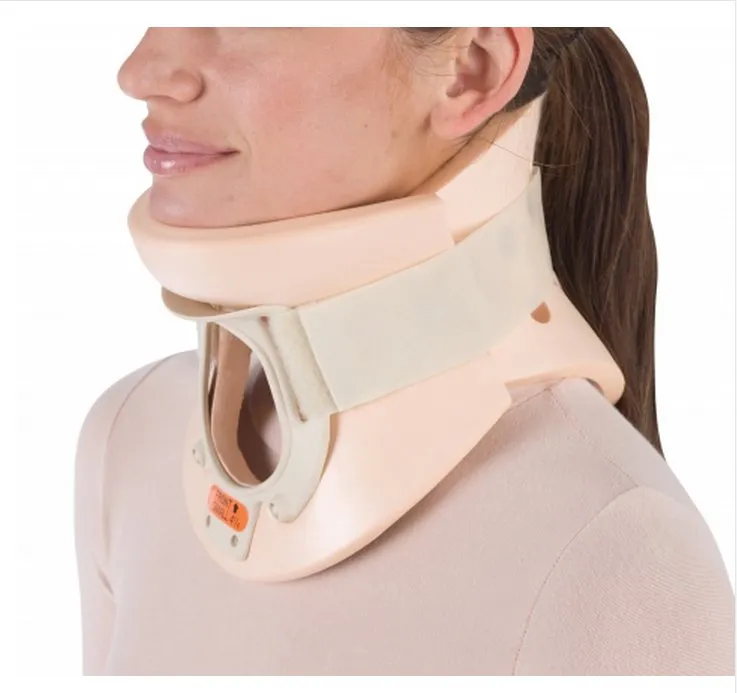
DJO
ProCare California Rigid Cervical Collar, Medium, 4¼ Inch Height, 1 Each
$44.58USD
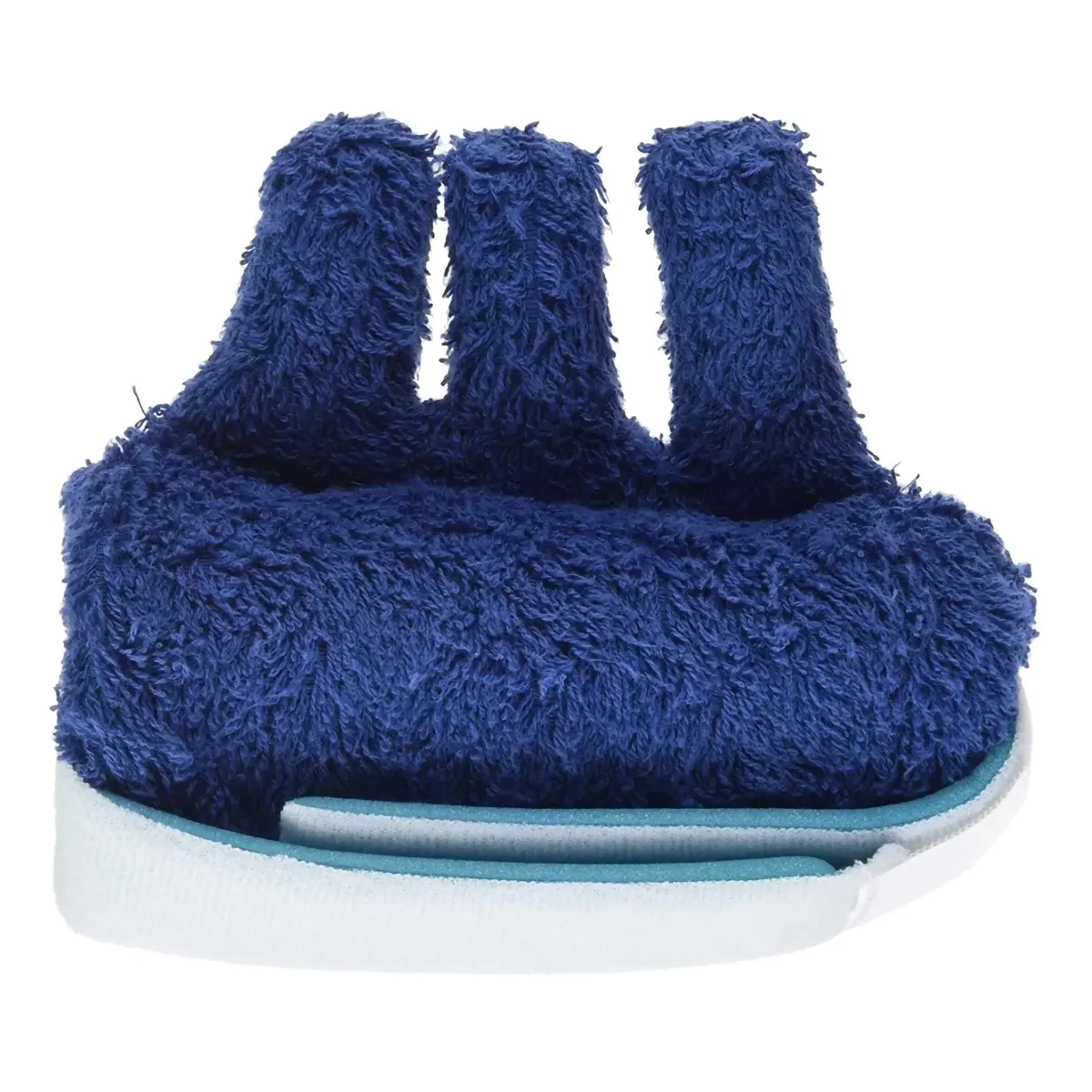
Patterson Medical Supply
Rolyan® Cone With Finger Separator, Regular, 1 Each
$35.88USD
Brownmed
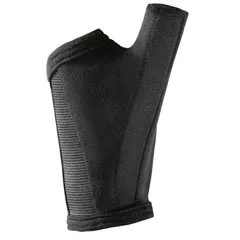
IMAK® Thumb Stabilizer, Small, 1 Each
$37.88USD
DJO
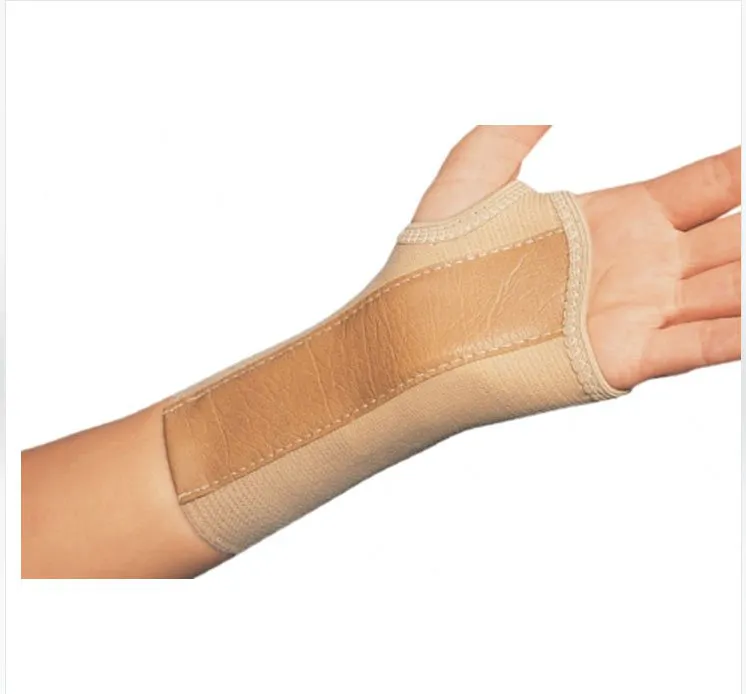
ProCare® Left Wrist Brace, Small, 1 Each
$25.33USD
Rigid soles and open designs protect casts, dressings, and post-surgical incisions.
Seamless interiors and pressure-relief designs reduce risk of diabetic foot ulceration.
Facility slipper socks feature tread patterns that reduce inpatient fall risk.
Velcro closures accommodate swelling, dressings, and multi-day wear.
Post-op shoes, healing shoes, toe protectors, and specialized footwear for foot injury recovery, diabetic foot protection, and facility non-slip safety.
Forefoot injuries: wedge heel shoe. Hindfoot: rocker sole. Diabetic: seamless soft interior. Plantar fasciitis: supportive arch insole.
Size to accommodate post-surgical swelling and dressings. Most post-op shoes run large to fit over bandages.
Review weight-bearing status with the surgeon. Demonstrate safe gait, stair technique, and transfer safety.
Check feet daily for pressure, blisters, or breakdown — especially in diabetic or neuropathic patients.
Clinical use information is provided for reference only. Always follow facility protocols, manufacturer instructions for use (IFU), and evidence-based practice guidelines. Consult the treating clinician before use.
Standards & Certifications
A spec-by-spec comparison with the most common alternatives in the orthopedic footwear & foot care category. Clinical interchangeability varies — always verify with your care team or facility protocol.
| Spec | This product Silverts® Hook and Loop Closure Walking Shoe, Size 10, Black, 1 Pair | Silverts Adaptive LLC Silverts® Comfort Steps Hook and Loop Closure Shoe, Size 12, Black, 1 Pair | Silverts Adaptive LLC Silverts® Ultra Comfort Flex Hook and Loop Closure Shoe, Size 10, Black, 1 Pair | Silverts Adaptive LLC Silverts® Hook and Loop Closure Shoe, Size 11, Misty Rose, 1 Pair |
|---|---|---|---|---|
| Sizing | Adult | Adult | Adult | Adult |
| Indication | Shoes | Shoes | Shoes | Shoes |
Comparison is provided for reference only. Brand names and trademarks belong to their respective owners. Specific SKUs may differ from category averages shown above.
Trusted manufacturer
An established medical products manufacturer supplying clinical teams with quality healthcare supplies.
Answers to the questions clinical buyers and care teams ask most about this product category.
Post-op shoes are for soft-tissue recovery, toe surgery, and minor foot procedures. Walking boots (CAM boots) are for ankle fractures, Achilles injuries, and more severe immobilization. Your surgeon will specify which is appropriate.
Typically 4–6 weeks after foot surgery, but varies by procedure. Your surgeon will specify weight-bearing status and duration at each post-op visit.
Diabetic socks are seamless, non-binding, and moisture-wicking to reduce skin breakdown and ulceration risk. Facility slipper socks add tread patterns on the soles for fall prevention during hospitalization.
Generally, no — especially for the right foot in automatic vehicles or either foot in manual. Confirm with your surgeon before resuming driving, as post-op footwear changes pedal response time.
Darco International
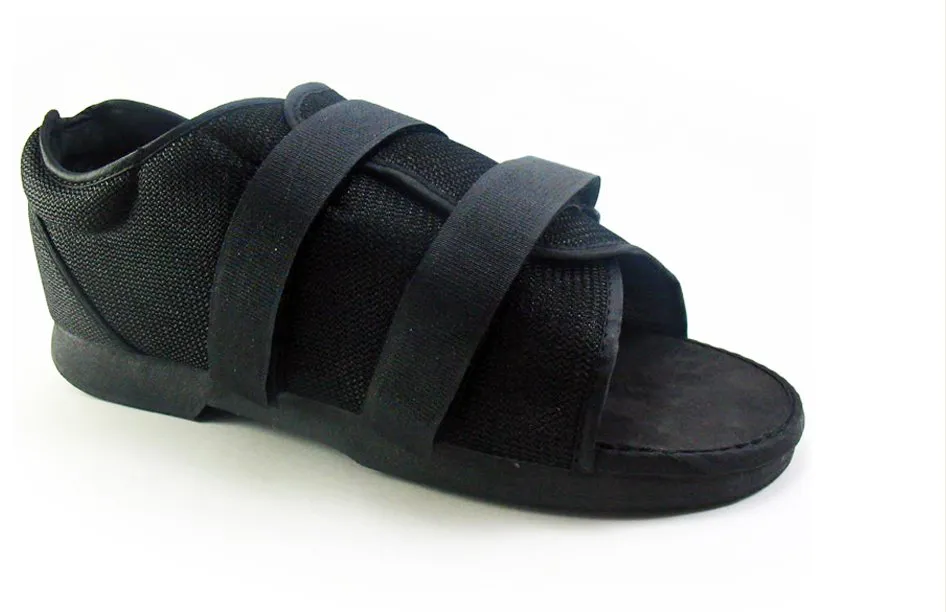
Darco® Health Design Classic Womens Post-Op Shoe, Large, 1 Case of 36
$406.09USD
DJO
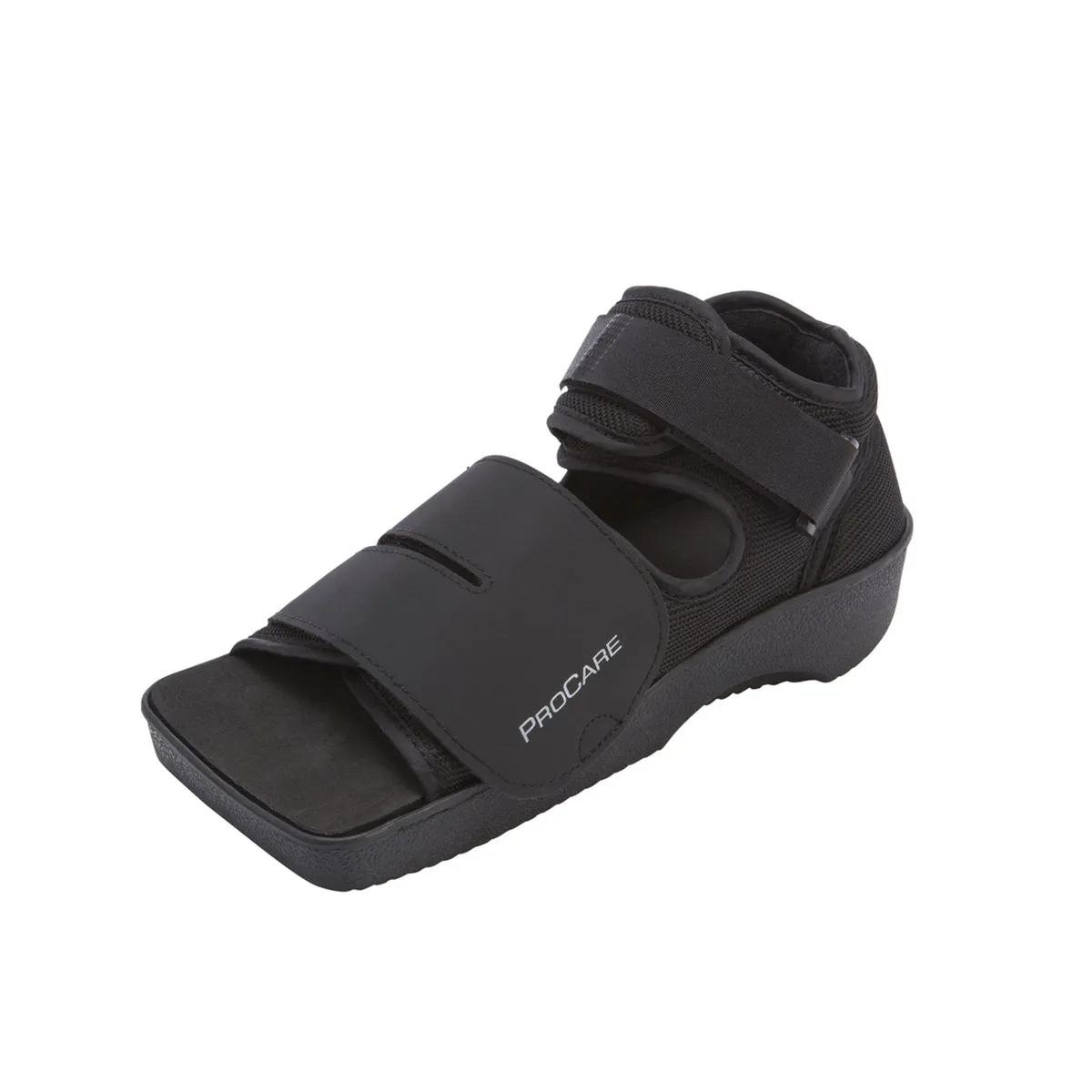
ProCare® Unisex Post-Op Shoe, Small, 1 Each
$33.35USD
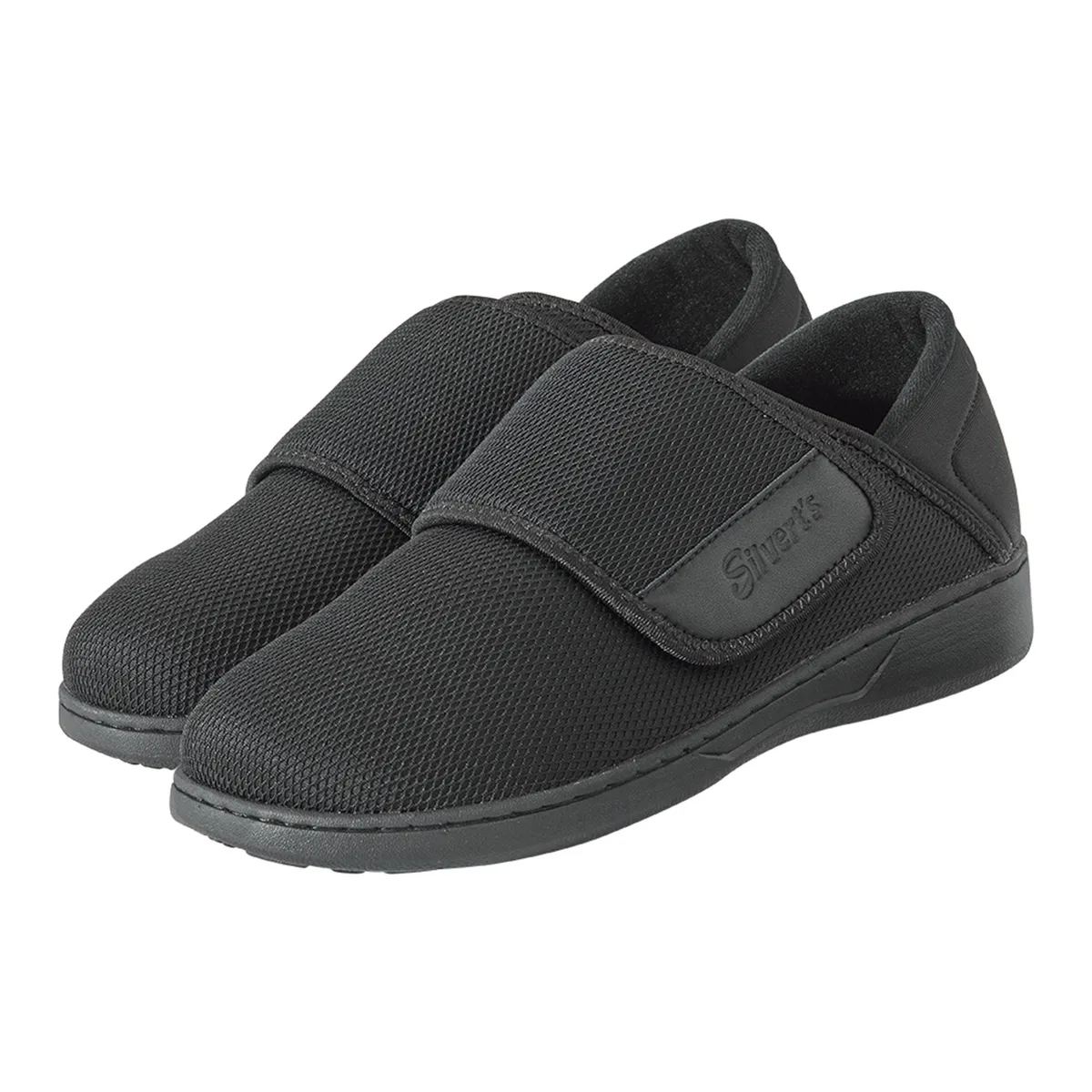
Silverts Adaptive LLC
Silverts® Comfort Steps Hook and Loop Closure Shoe, Size 12, Black, 1 Pair
$82.01USD
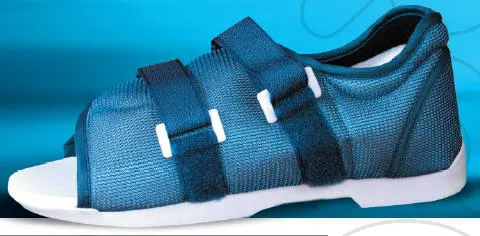
Darco International
Darco® Med-Surg™ Post-Op Shoe, Medium, 1 Case of 36
$488.47USD
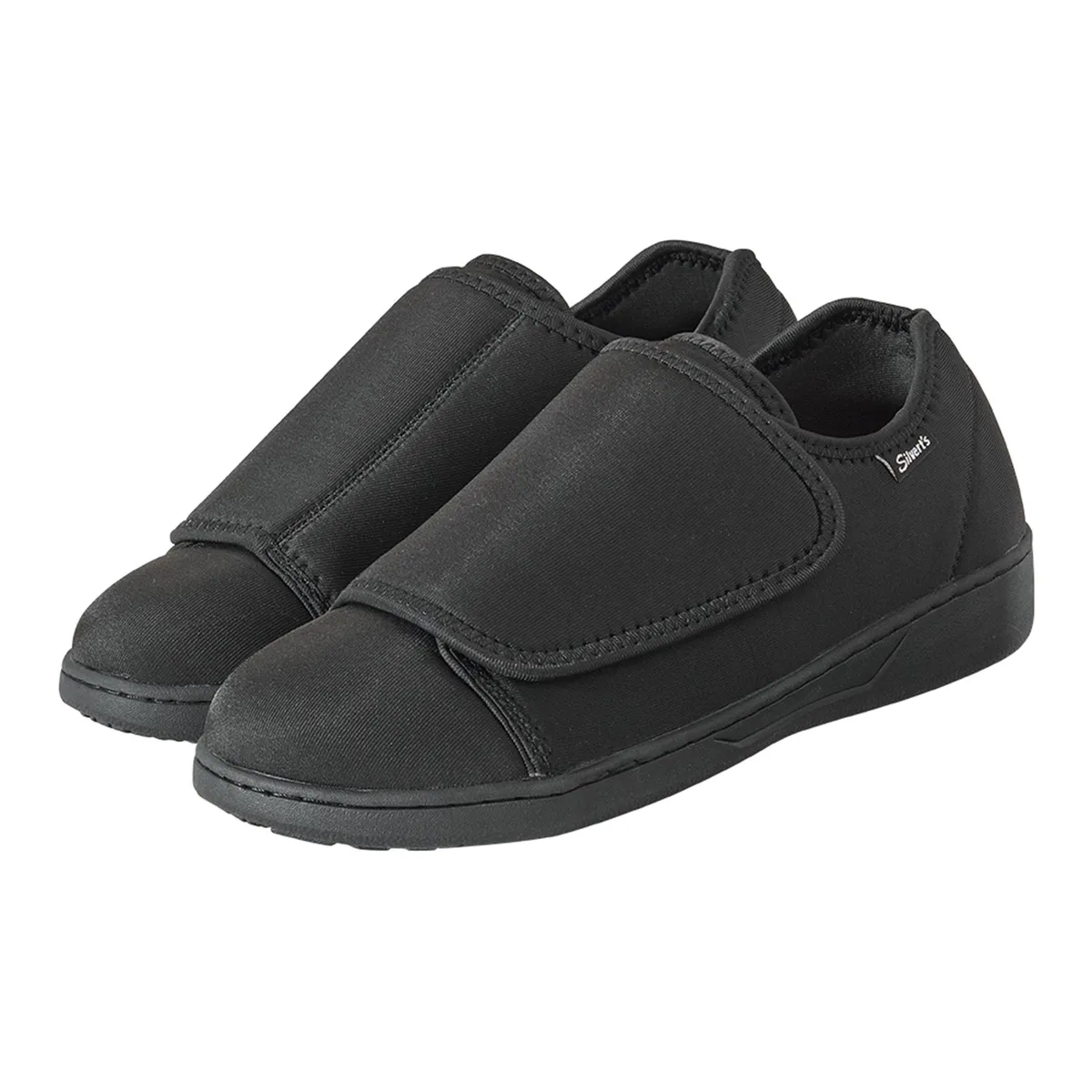
Silverts Adaptive LLC
Silverts® Ultra Comfort Flex Hook and Loop Closure Shoe, Size 10, Black, 1 Pair
$71.13USD
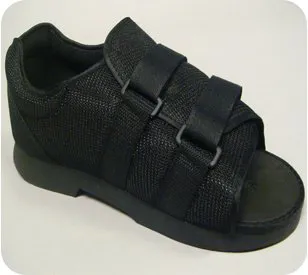
Bird & Cronin
Bird & Cronin® DLX.1 Pediatric Post-Op Shoe, 1 Each
$31.58USD
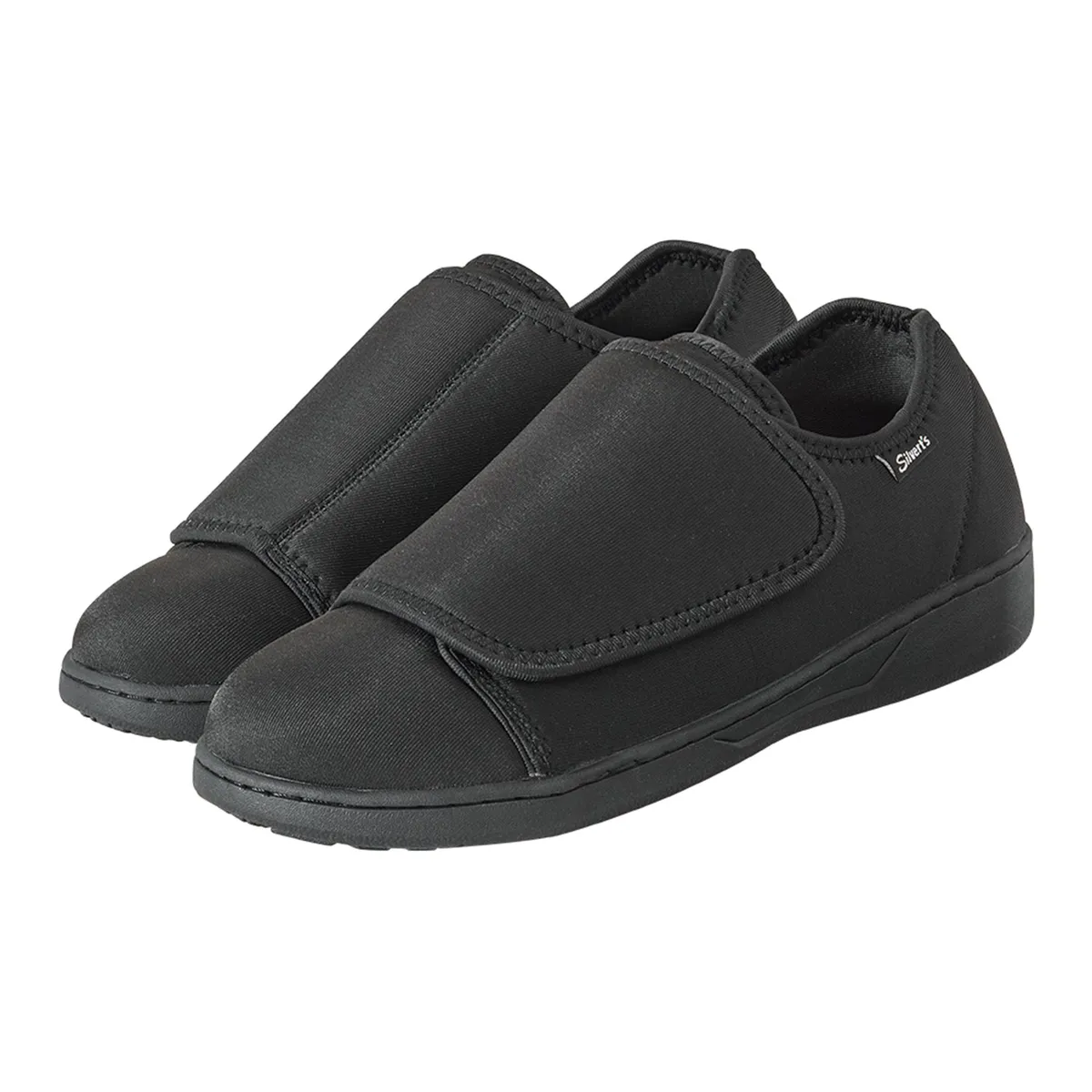
Silverts Adaptive LLC
Silverts® Ultra Comfort Flex Hook and Loop Closure Shoe, Size 11, Black, 1 Pair
$71.13USD
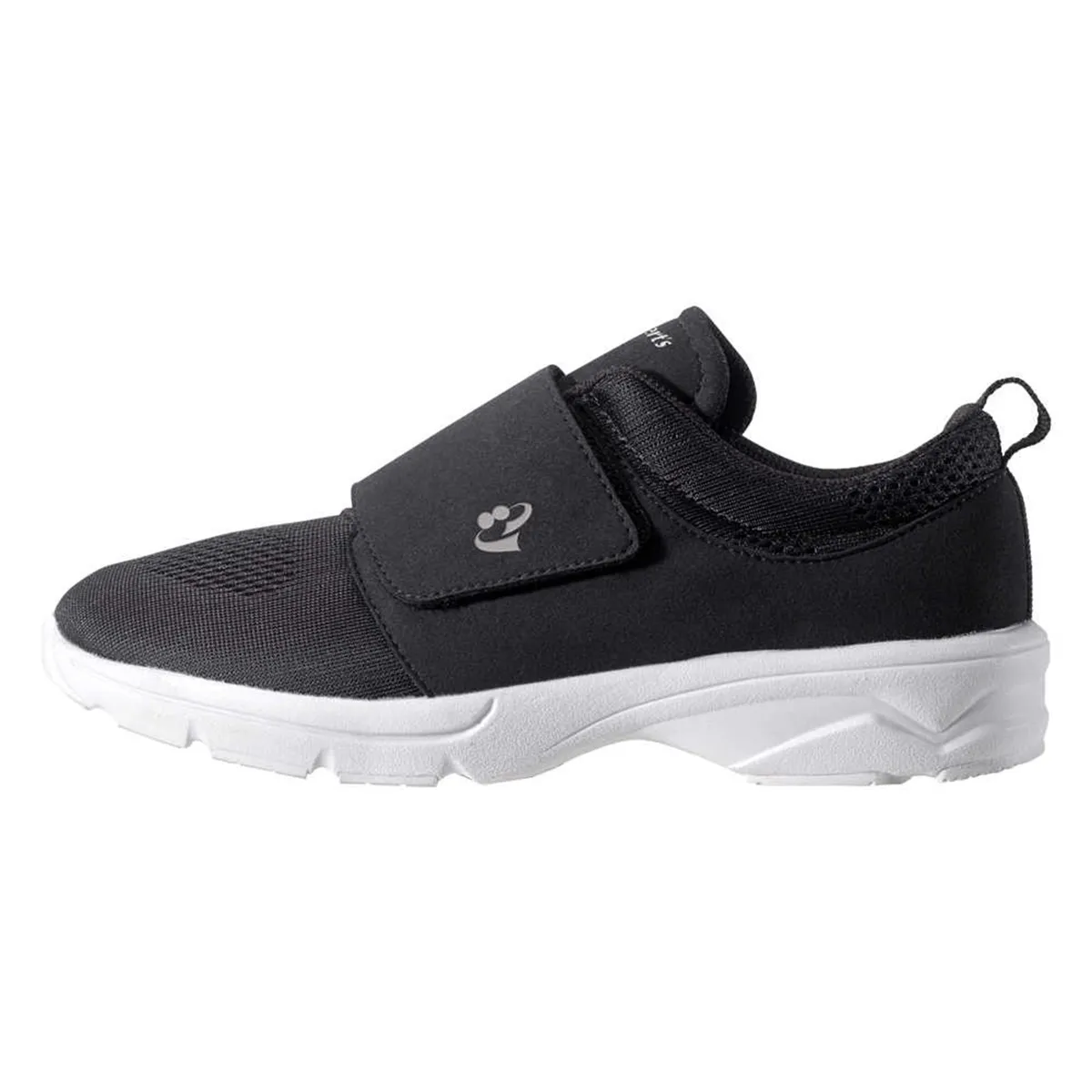
Silverts Adaptive LLC
Silverts® Hook and Loop Closure Walking Shoe, Size 7, Black, 1 Pair
$65.69USD
$65.69USD
$73.27USD
Save $7.58In stock. Order by 2pm PST for same-day processing.
In stock
Ships from our western US warehouses
Fast shipping
Same-day processing before 2pm PST
30-day returns
Hassle-free on eligible orders
HSA / FSA
Eligible for most medical accounts