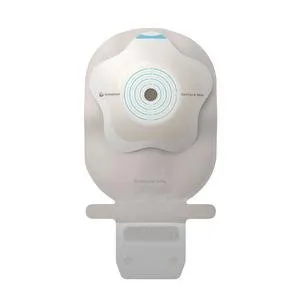
Assess the stoma.
Measure the stoma using a sizing guide. Inspect peristomal skin for irritation, breakdown, or fungal involvement.
Other sizes, pack counts, and variants of the same product line.
Products commonly used alongside this one. Bundle them into a single order.
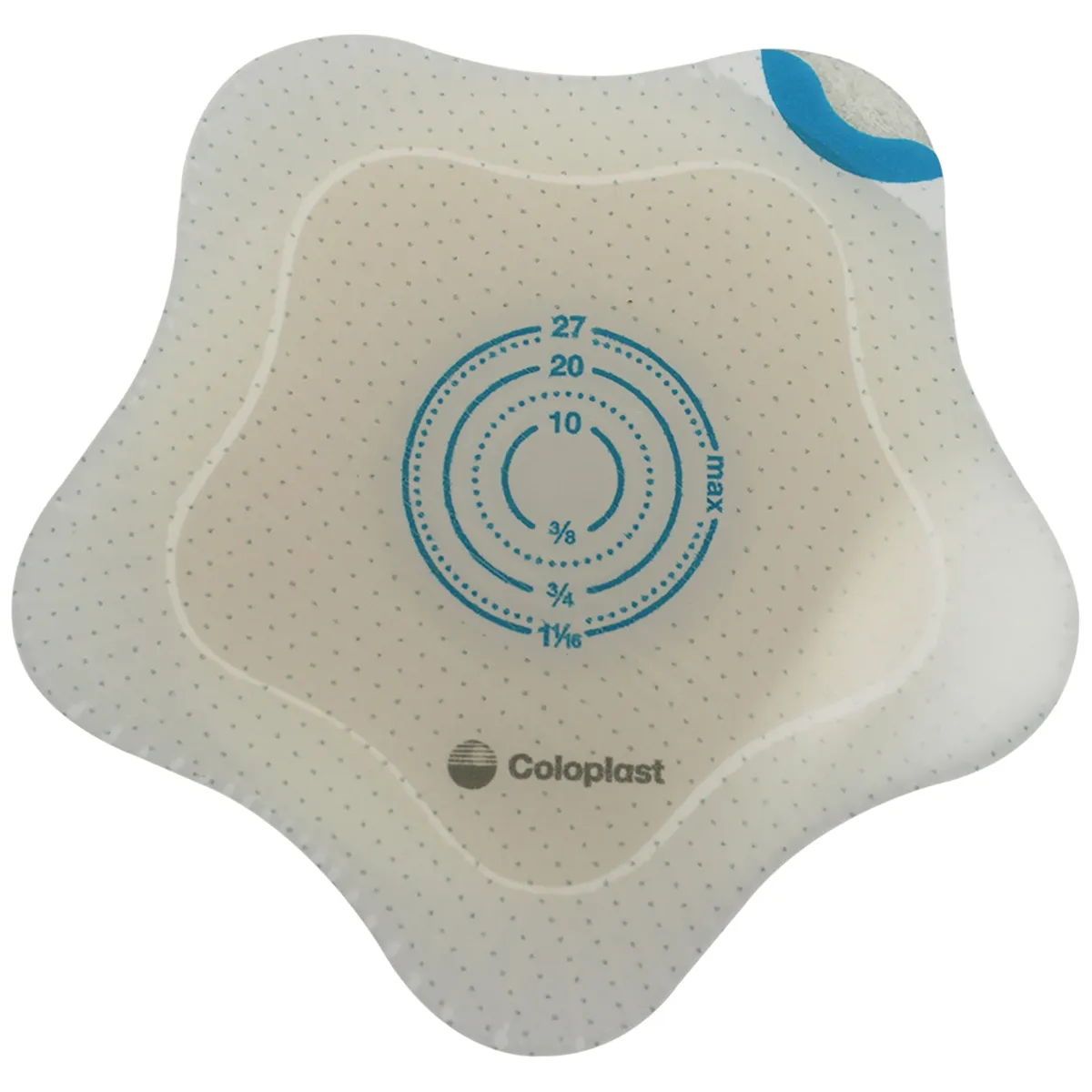
Coloplast
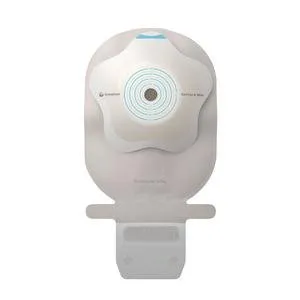
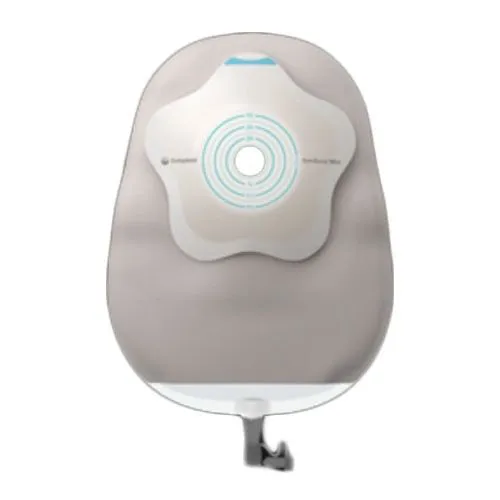
SenSura® Mio Kids Flex 2-Piece Barrier, 0-1-1/16 Inch Stoma, 1 Box of 5
$44.93USD
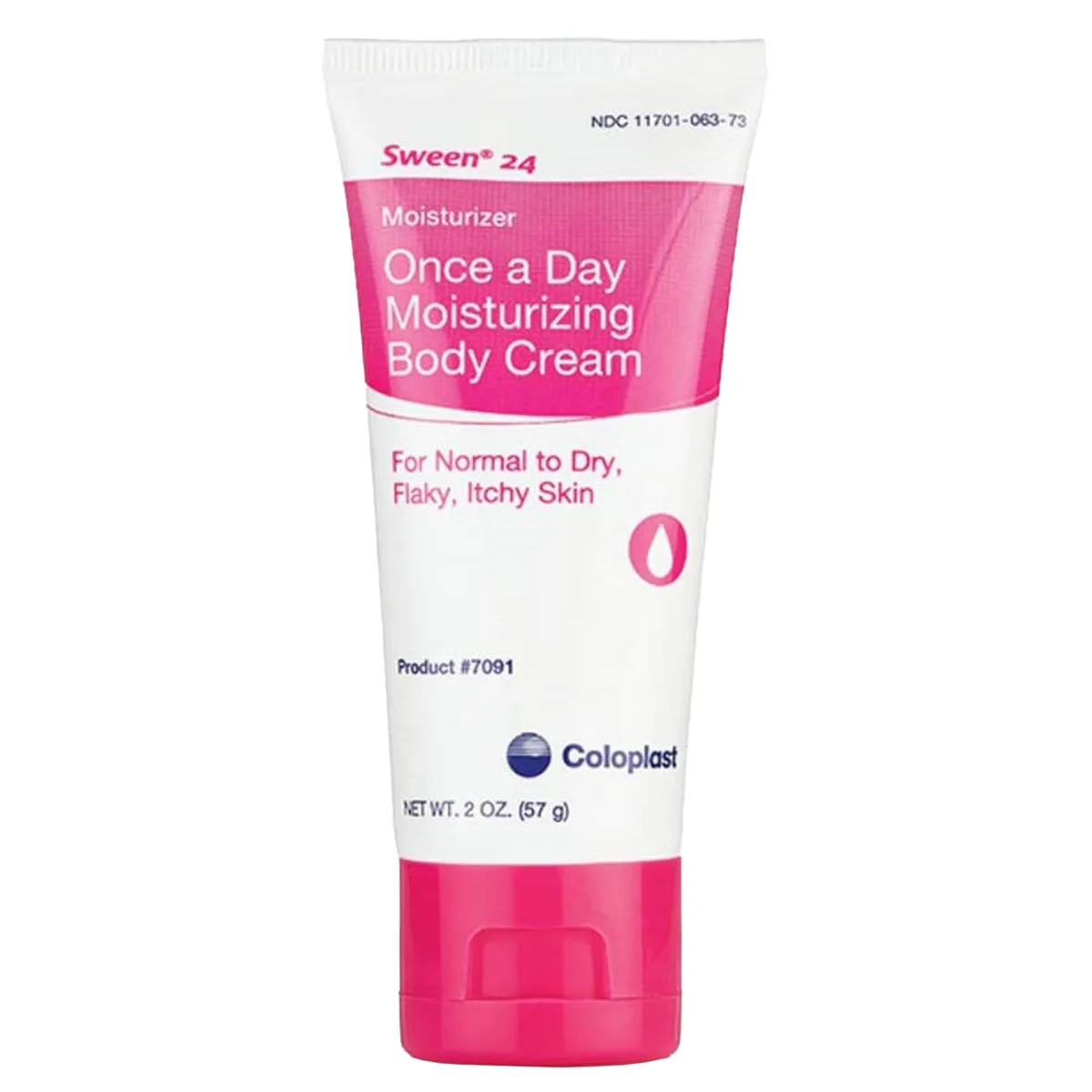
Coloplast
Sween 24 Hand and Body Moisturizer, Unscented, CHG Compatible Cream, 2 oz, 1 Each
$20.21USD
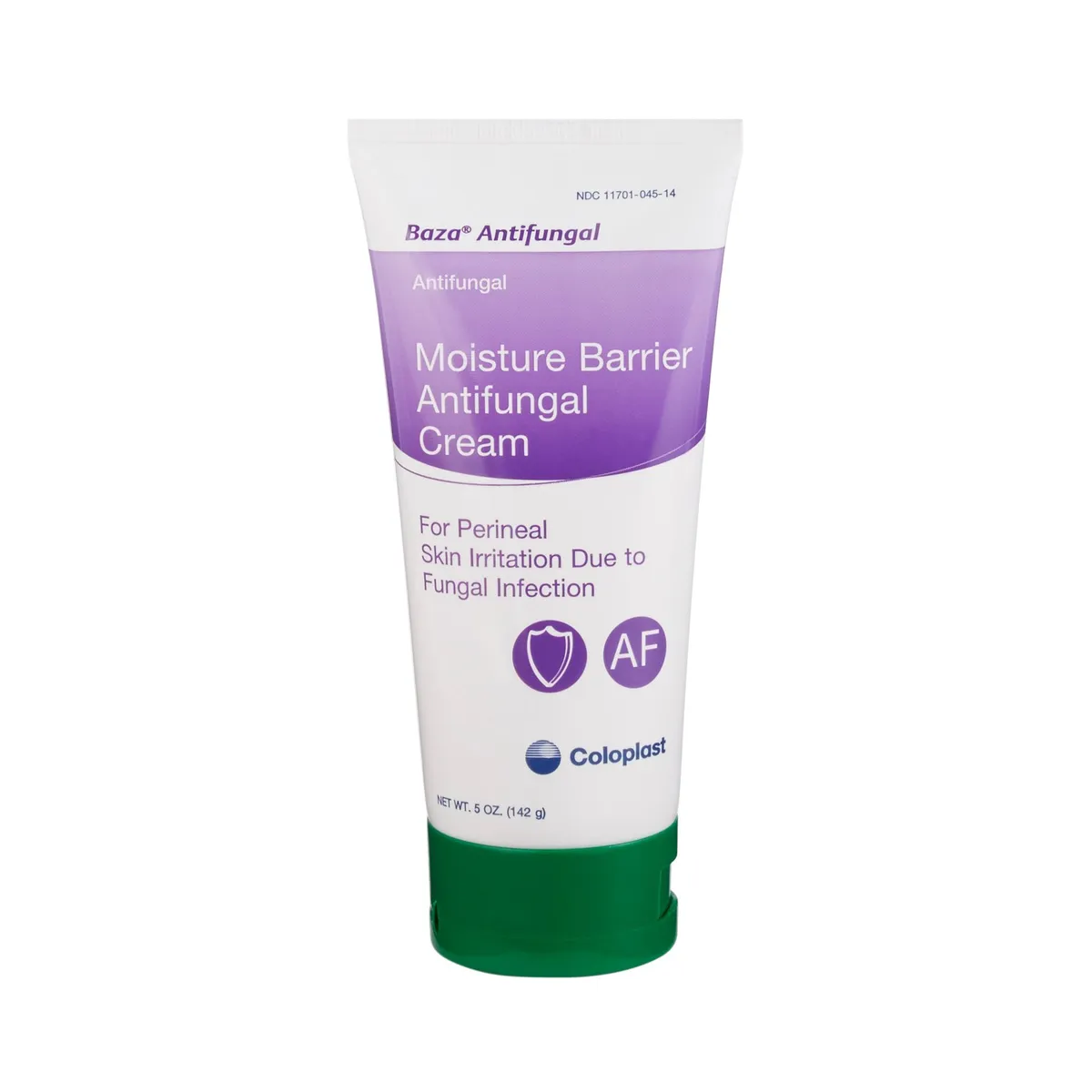
Coloplast
Skin Protectant Baza Antifungal Scented Cream, CHG Compatible, 1 Each
$29.98USD
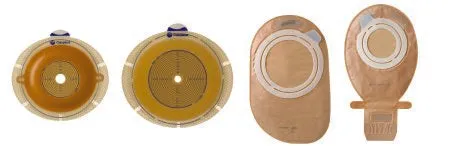
Coloplast
SenSura® Flex Ostomy Barrier With 1¼ Inch Stoma Opening, 1 Box of 5
$44.39USD
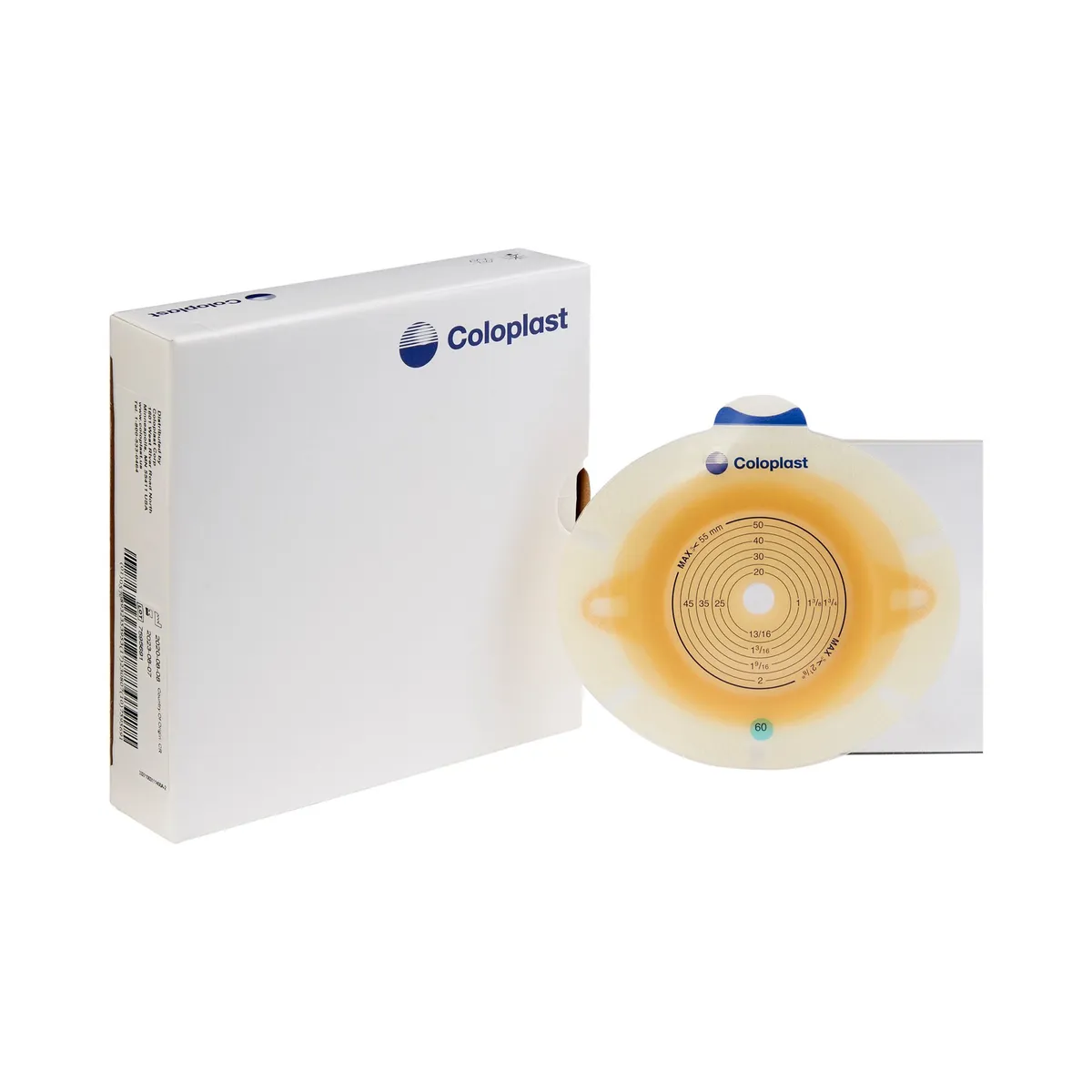
Coloplast
SenSura® Ostomy Barrier With 3/8-2¼ Inch Stoma Opening, 1 Box of 5
$43.28USD
Coloplast
SenSura® Mio Flex Ostomy Barrier With 30-48 mm Stoma Opening, 1 Box of 5
$48.82USD
Hydrocolloid barriers wear 3–5 days while protecting peristomal skin from output and friction.
Integrated charcoal filters neutralize odor and vent gas to prevent pouch ballooning.
Choose simpler one-piece wear or skin-sparing two-piece systems with separate barrier and pouch.
Most ostomy supplies are covered under Medicare Part B and major commercial plans.
Ostomy pouches, barriers, and accessories from leading manufacturers — one- and two-piece systems for colostomy, ileostomy, and urostomy management.
Measure the stoma using a sizing guide. Inspect peristomal skin for irritation, breakdown, or fungal involvement.
Cut the wafer to fit the stoma with a 1/8" margin. For convex systems, match the convexity to the stoma profile.
Ensure peristomal skin is clean and completely dry. Apply the barrier from the bottom edge upward, smoothing outward. Hold for 30–60 seconds to activate adhesive.
Empty the pouch when 1/3 to 1/2 full. Change the system every 3–5 days for most adults, sooner if leakage or skin irritation occurs.
Clinical use information is provided for reference only. Always follow facility protocols, manufacturer instructions for use (IFU), and evidence-based practice guidelines. Consult the treating clinician before use.
Standards & Certifications
Intimate healthcare specialists since 1957
Coloplast develops products and services for people with intimate healthcare needs — ostomy, continence, urology, wound, and interventional urology.
Answers to the questions clinical buyers and care teams ask most about this product category.
One-piece systems have the barrier and pouch fused together; they are lower-profile and simpler to apply. Two-piece systems separate the barrier and pouch, allowing the pouch to be changed without disturbing the skin barrier — useful for patients with sensitive skin.
Most adults change the full ostomy system every 3–5 days. The pouch should be emptied when 1/3 to 1/2 full. Change sooner if leakage, skin irritation, or barrier breakdown occurs.
Pouch type is determined by output: drainable pouches are used for liquid/soft ileostomy and colostomy output, closed pouches for firmer colostomy output, and urostomy pouches have a spigot for liquid urinary drainage.
Convex barriers press into the peristomal skin to help a retracted or flush stoma protrude, reducing leaks. Flat barriers are used for protruding stomas. A WOC nurse can help determine the right profile.
Most ostomy supplies are covered under Medicare Part B and most commercial insurance plans when prescribed and billed under the appropriate HCPCS codes. Coverage amounts per month vary by payer.
Coloplast
SenSura® Mio Concave One-Piece Drainable Ostomy Pouch, 3/8 to 2-3/8 Inch Stoma, 1 Box of 10
$106.39USD
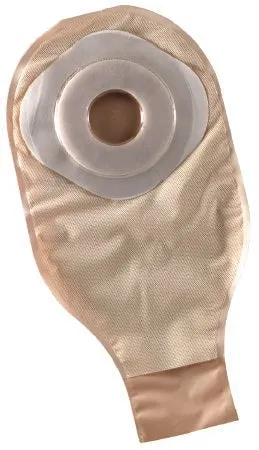
ConvaTec
ActiveLife® One-Piece Drainable Transparent Colostomy Pouch, 12 Inch Length, 2½ Inch Stoma, 1 Box of 10
$58.69USD
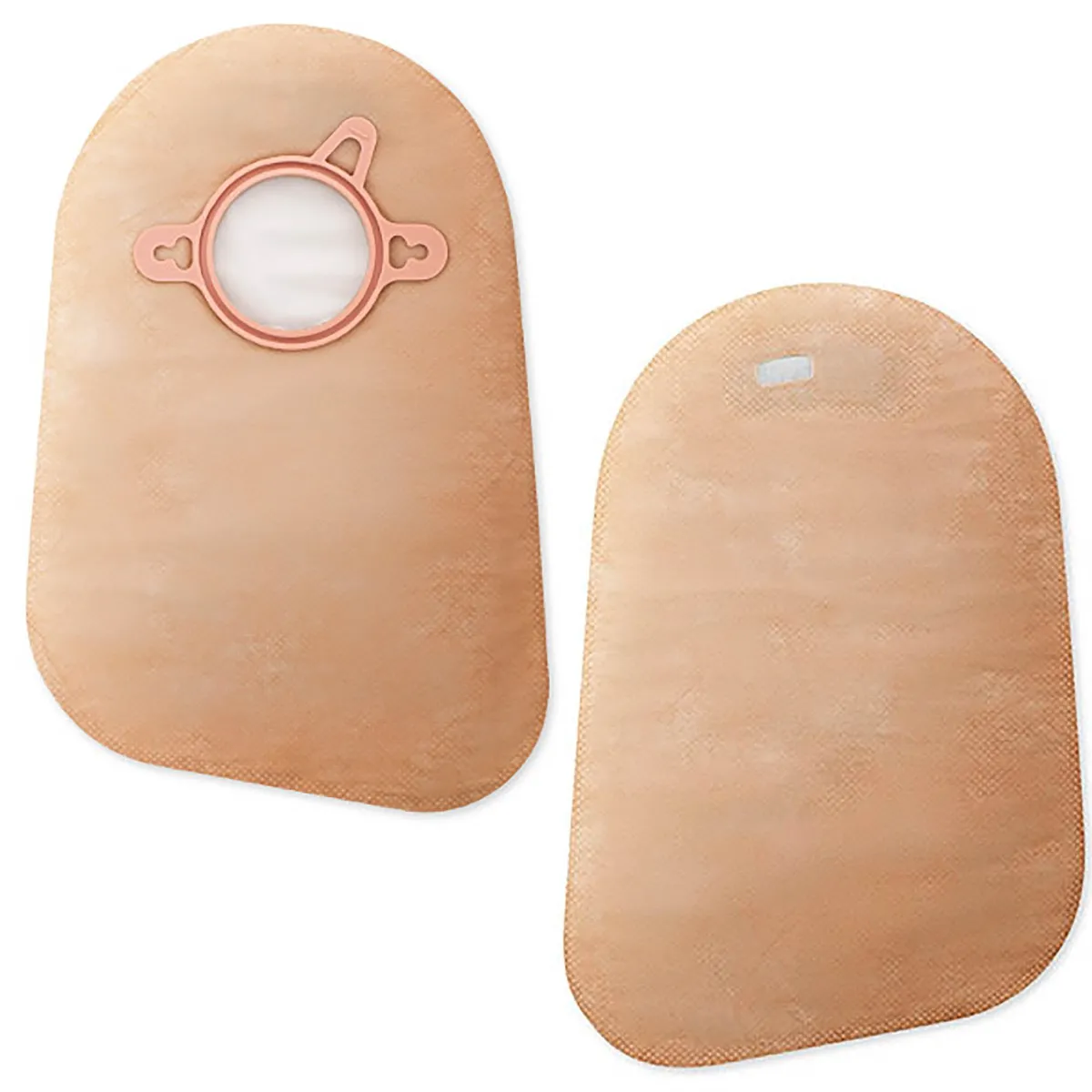
Hollister
New Image™ Two-Piece Closed End Beige Filtered Ostomy Pouch, 9 Inch Length, 1¾ Inch Flange, 1 Box of 60
$115.79USD
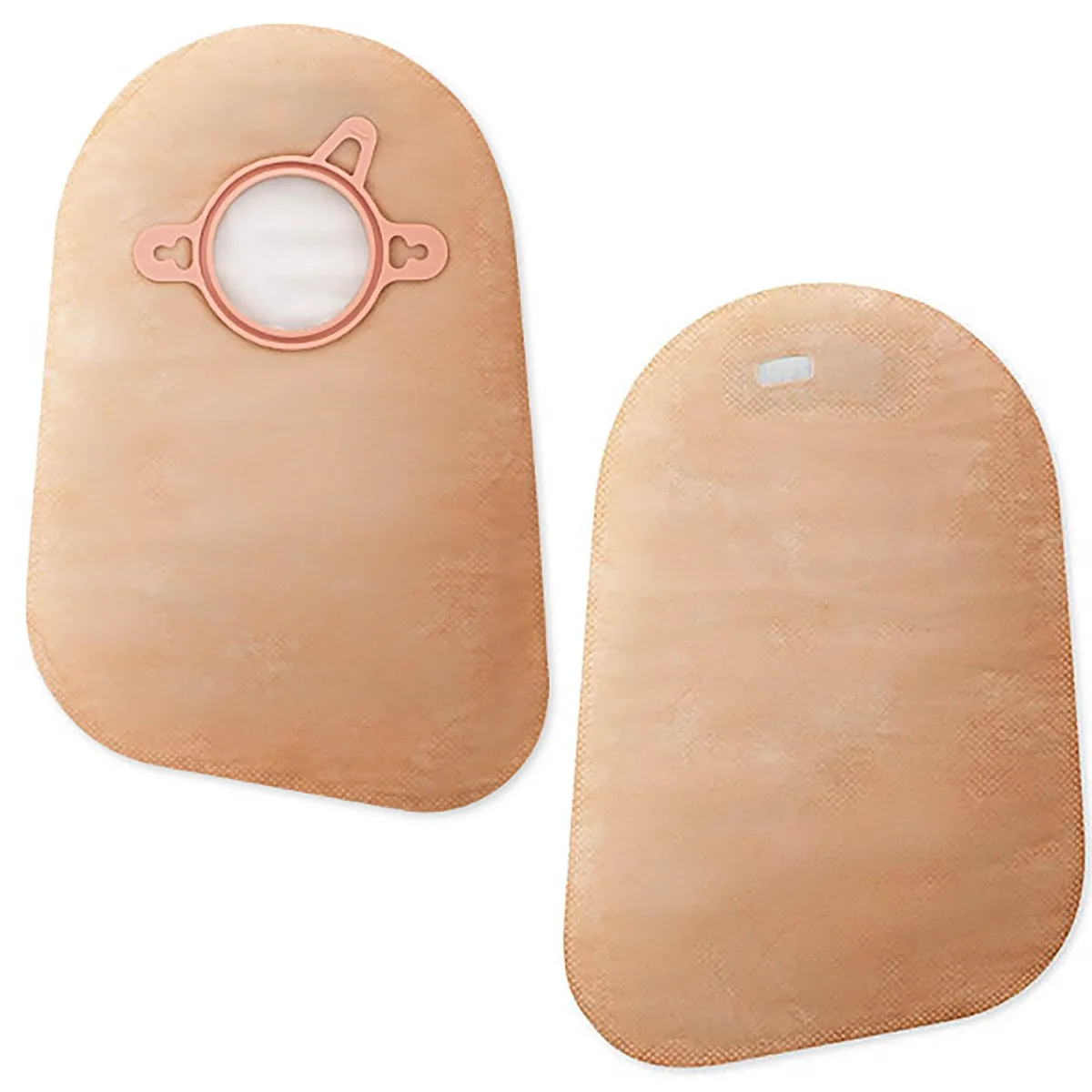
Hollister
New Image™ Two-Piece Closed End Beige Filtered Ostomy Pouch, 9 Inch Length, 1¾ Inch Flange, 1 Each
$16.03USD
Coloplast
SenSura® Mio One-Piece Drainable Clear / Opaque Filtered Ostomy Pouch, Maxi Length, 1-9/16 Inch Stoma, 1 Box of 10
$56.99USD
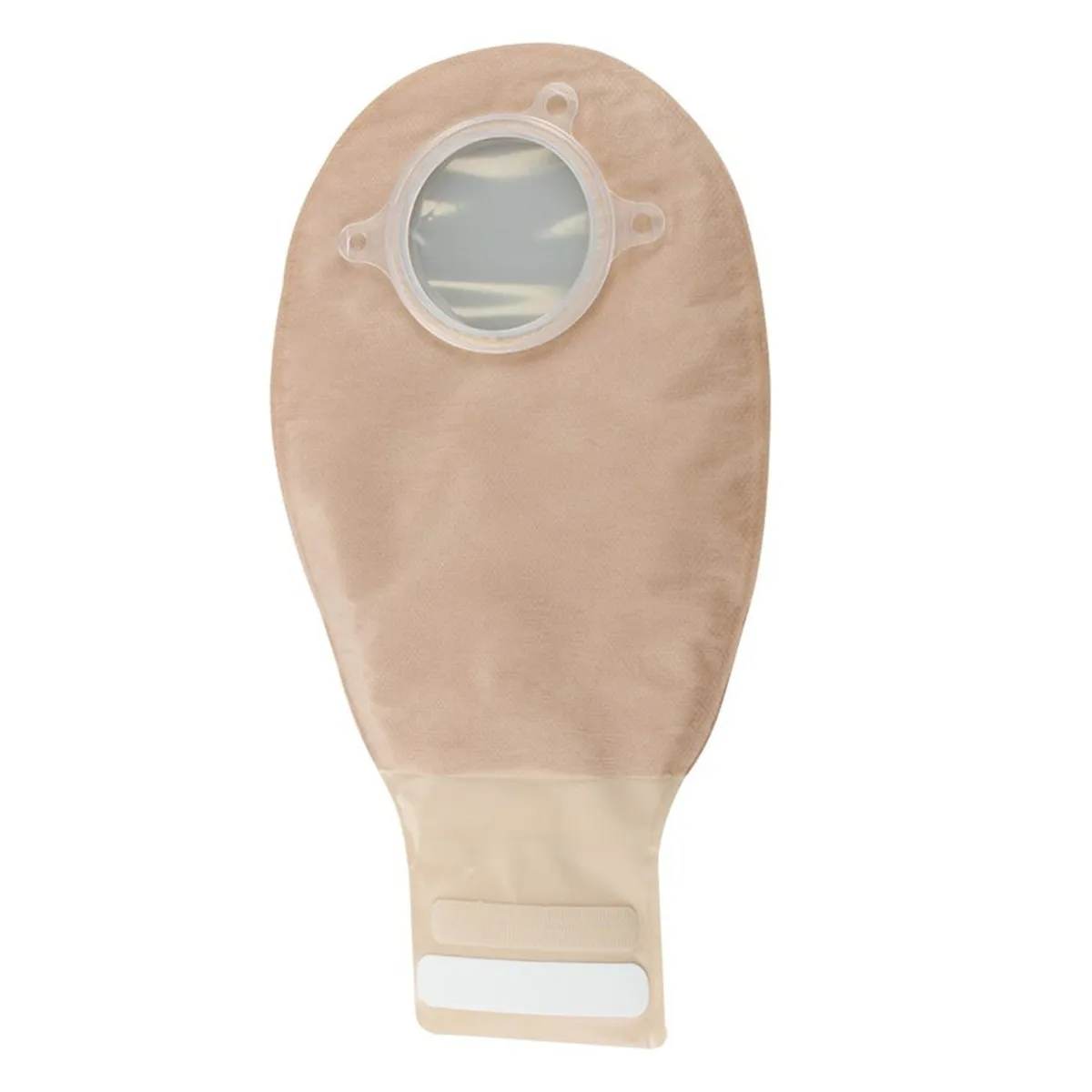
ConvaTec
Natura® Drainable Transparent Ostomy Pouch, 12 Inch Length, 2¾ Inch Flange, 1 Box of 10
$43.49USD
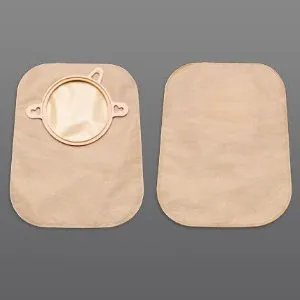
Hollister
New Image™ Two-Piece Closed End Ostomy Pouch, 7 Inch Length, 1¾ Inch Stoma, 1 Box of 60
$39.09USD
Coloplast
SenSura® Post Op One-Piece Drainable Opaque Ostomy Pouch, 12¼ Inch Length, 3/8 to 3 Inch Stoma, 1 Box of 5
$114.29USD
$113.49USD
$121.43USD
Save $7.94$11.35 each, 10 per pack
In stock. Order by 2pm PST for same-day processing.
In stock
Ships from our western US warehouses
Fast shipping
Same-day processing before 2pm PST
30-day returns
Hassle-free on eligible orders
HSA / FSA
Eligible for most medical accounts
$113.49USD
$121.43USD
Clinical Evidence
Journal of visceral surgery
French clinical practice guidelines, based on a systematic literature review of studies from 2000 to 2022, on the perioperative management of digestive stomas and stoma-related complications in adults.
Key Findings
Journal of wound, ostomy, and continence nursing : official publication of The Wound, Ostomy and Continence Nurses Society
Executive summary of the Wound, Ostomy and Continence Nurses Society clinical guideline for managing adults with a fecal or urinary ostomy.
Key Findings
Journal of wound, ostomy, and continence nursing : official publication of The Wound, Ostomy and Continence Nurses Society
A WOCN Society scoping review and expert consensus process to define and promote peristomal skin health in adults with an ostomy.
Key Findings
Clinical evidence is provided for informational purposes only. Healthcare professionals should evaluate products based on their clinical judgment and patient-specific factors. Links to external studies are provided as references and do not constitute endorsement. Always refer to the manufacturer's instructions for use.