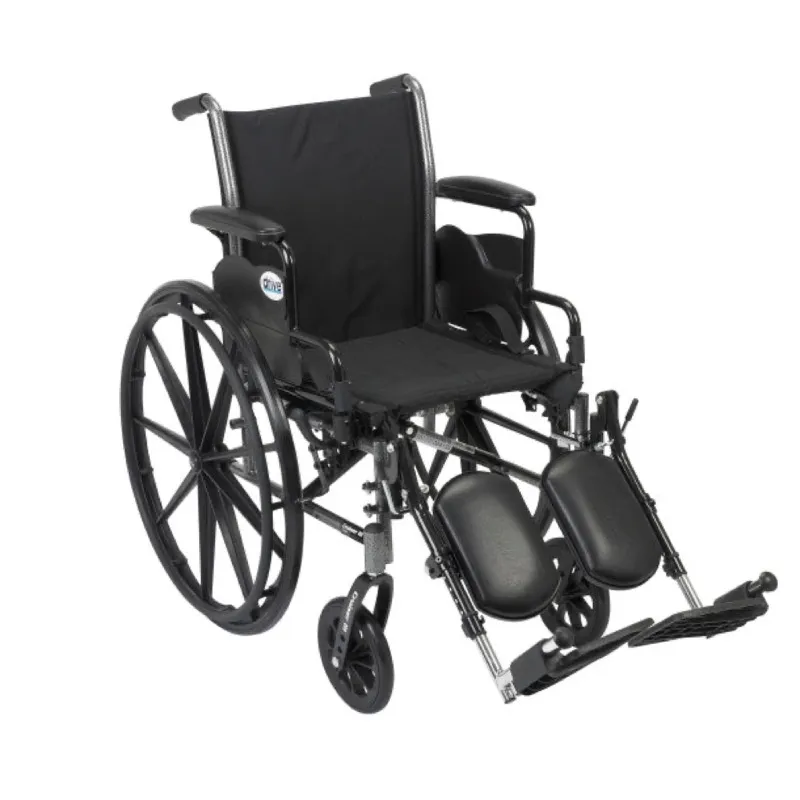
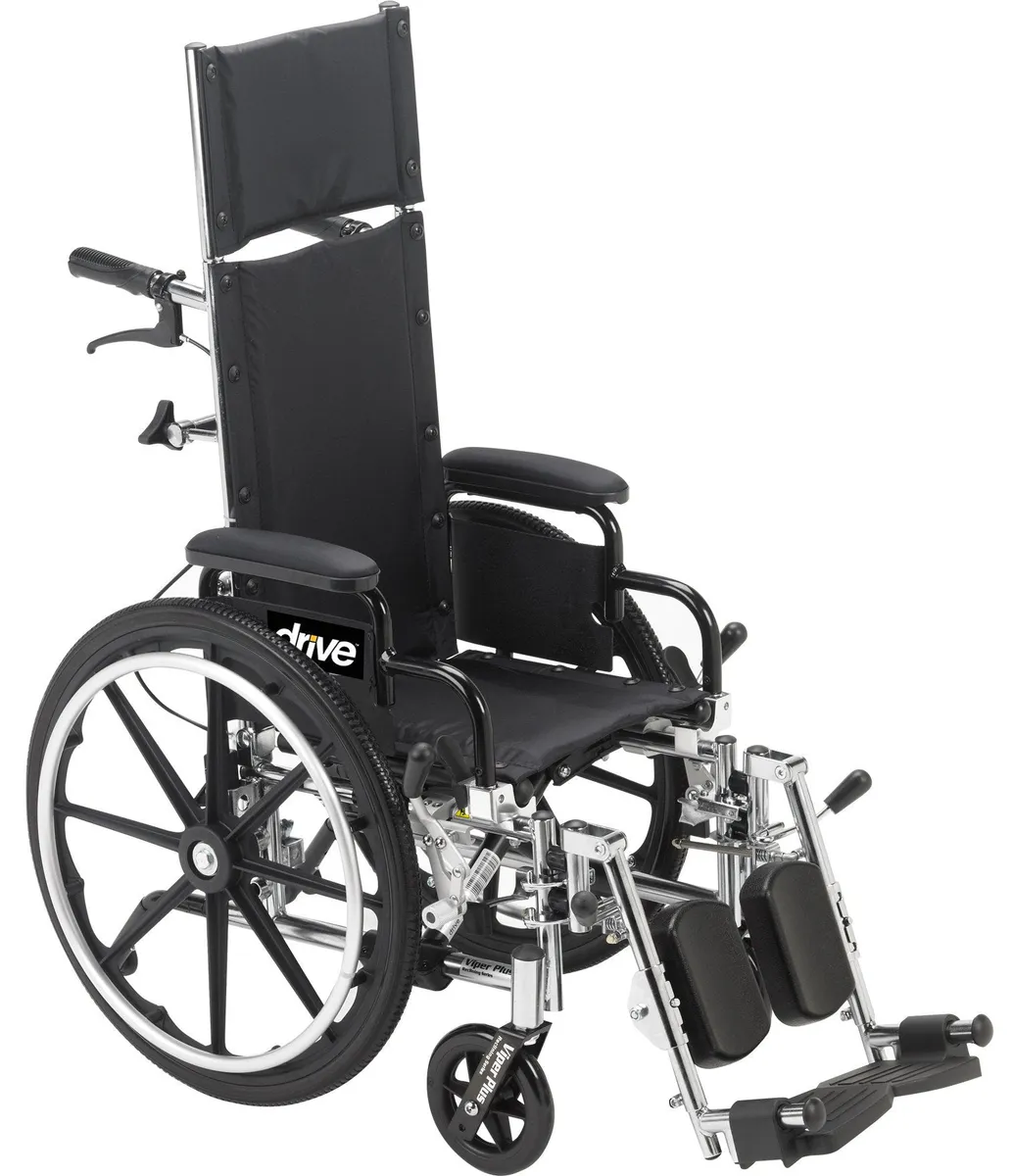
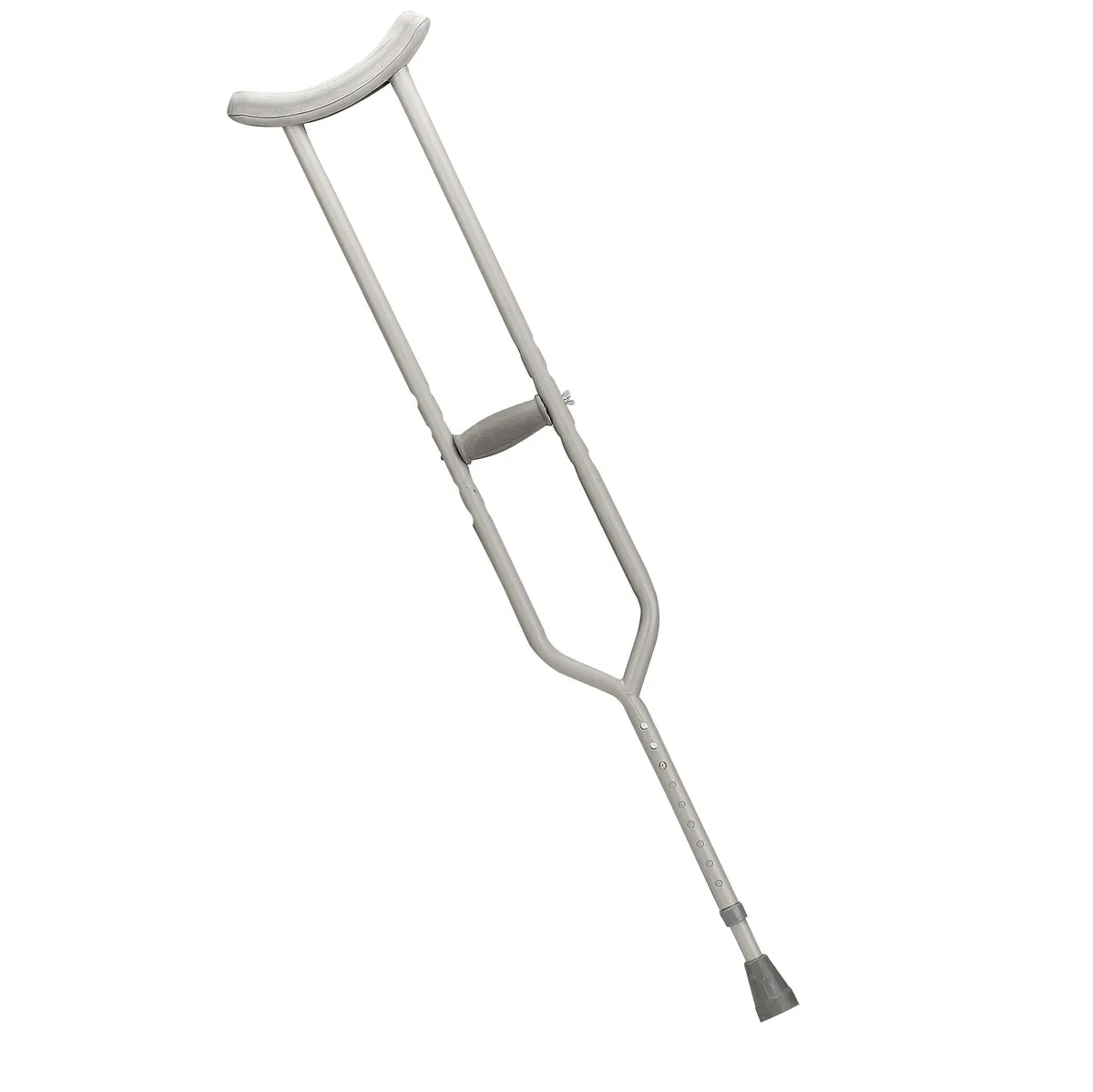
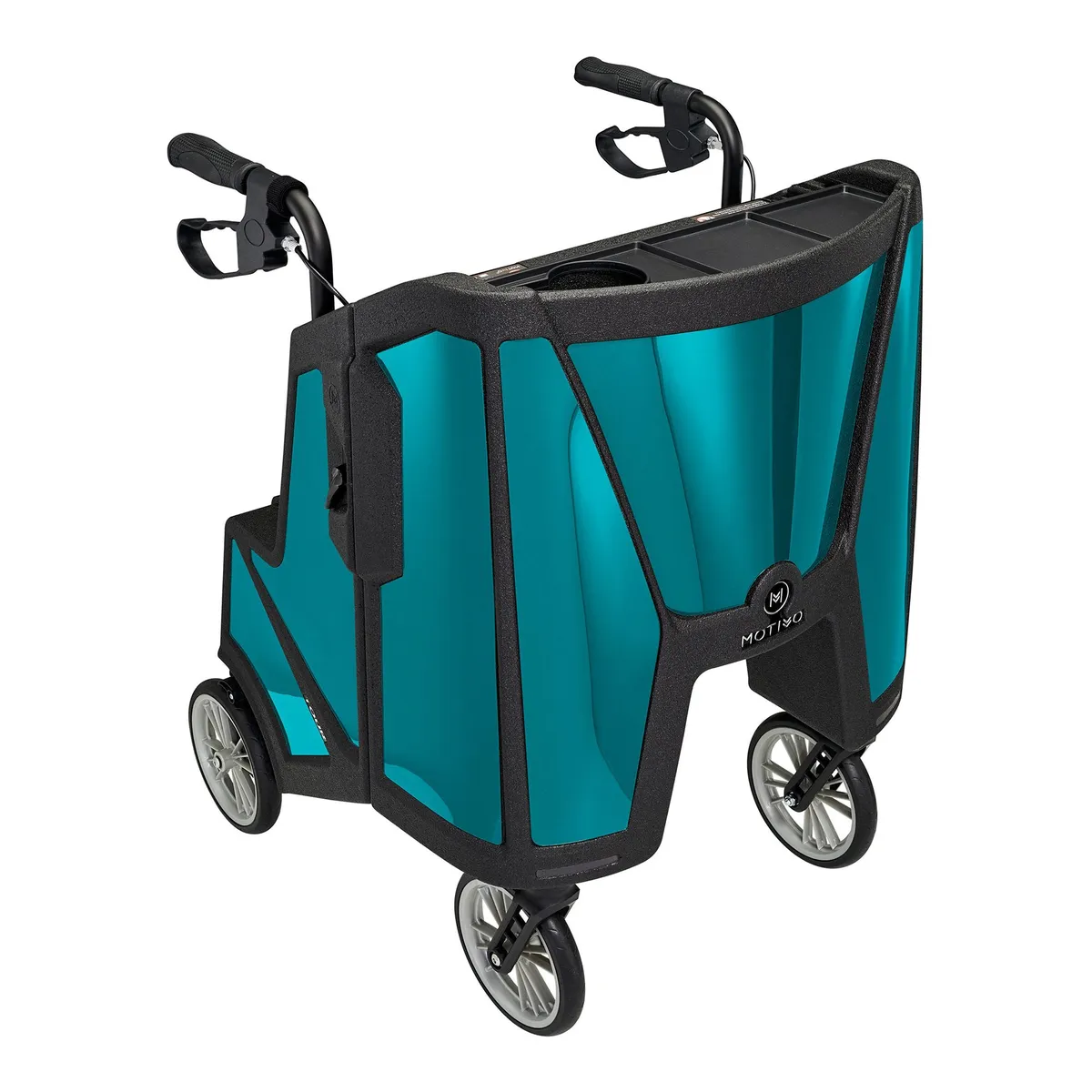
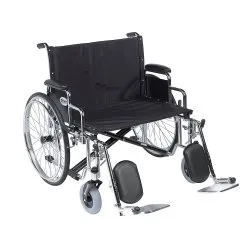
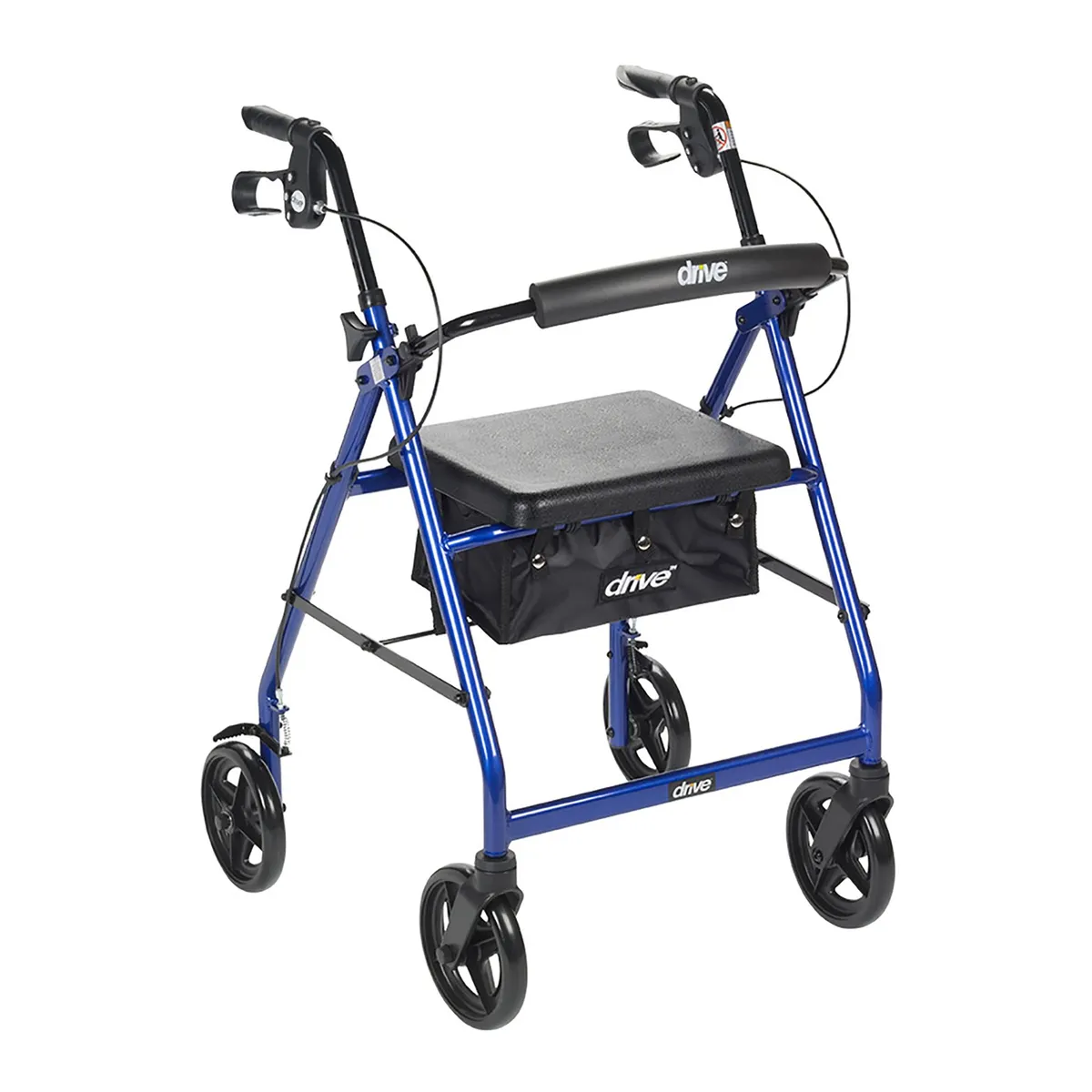
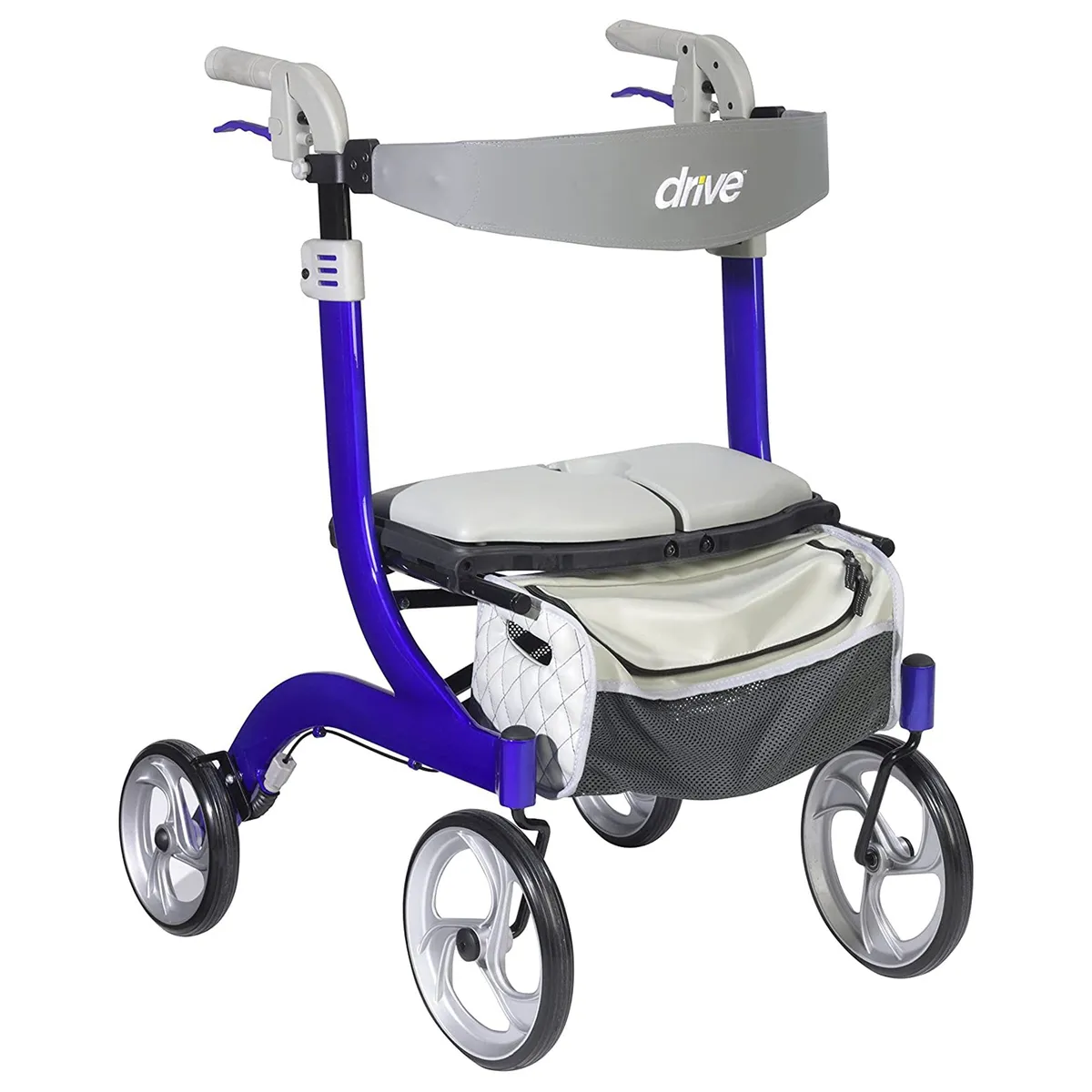
Scout LT 4-Wheel Scooter, Each, 1 Each

About this item

The Scout LT 4-Wheel Scooter offers a combination of style, performance, and comfort for individuals seeking mobility assistance. Designed for both indoor and outdoor use, it features easy disassembly for transport and storage, a comfortable swivel seat, and enhanced stability with its four-wheel design.

Features:

4-wheel design for superior stability and balance

Quick and easy disassembly for travel and storage

Comfortable, adjustable swivel seat with armrests

Adjustable tiller for personalized steering comfort

Anti-tip wheels and non-marking tires for safety

Battery-powered operation with simple controls

Ideal for both indoor and outdoor mobility
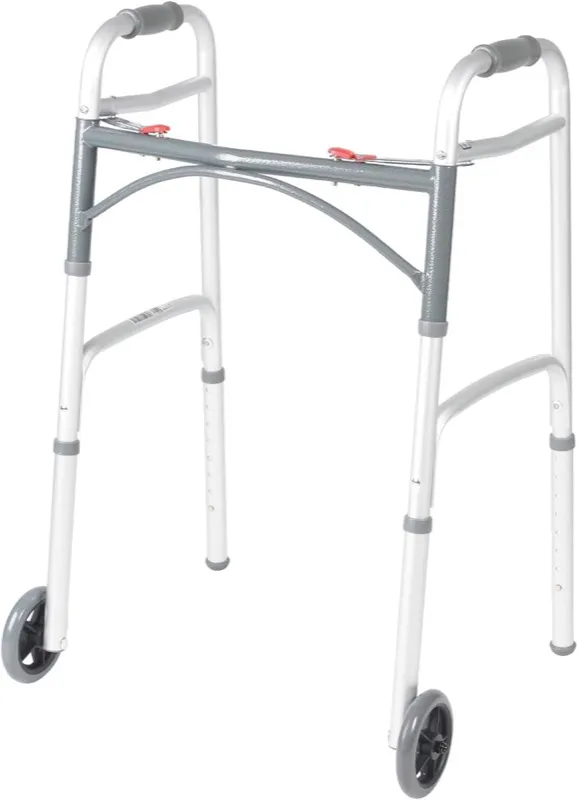
Specifications

Brand
Drive DeVilbiss Healthcare
Category
Mobility
MFR#
SCOUTLT4

Built to the spec
clinicians trust.

Safe Ambulation

Stable bases, secure grips, and adjustable heights reduce fall risk during mobility tasks.

Weight Capacity Rated

Standard and bariatric models clearly rated for user weight and intended use.

Adjustable Fit

Height adjustability accommodates user stature and changing clinical needs.

Medicare Eligible

Most mobility aids qualify for Medicare Part B with appropriate diagnosis and prescription.

FDA
Class I / II
Latex
Latex-free
Sterility
Non-sterile
Biocompatibility
Contact-safe

Standards & Certifications

  • FDA Registered
  • Medicare HCPCS Eligible

More from Drive DeVilbiss Healthcare

Trusted manufacturer

An established medical products manufacturer supplying clinical teams with quality healthcare supplies.

Frequently asked.

Answers to the questions clinical buyers and care teams ask most about this product category.

What's the difference between a walker and a rollator?

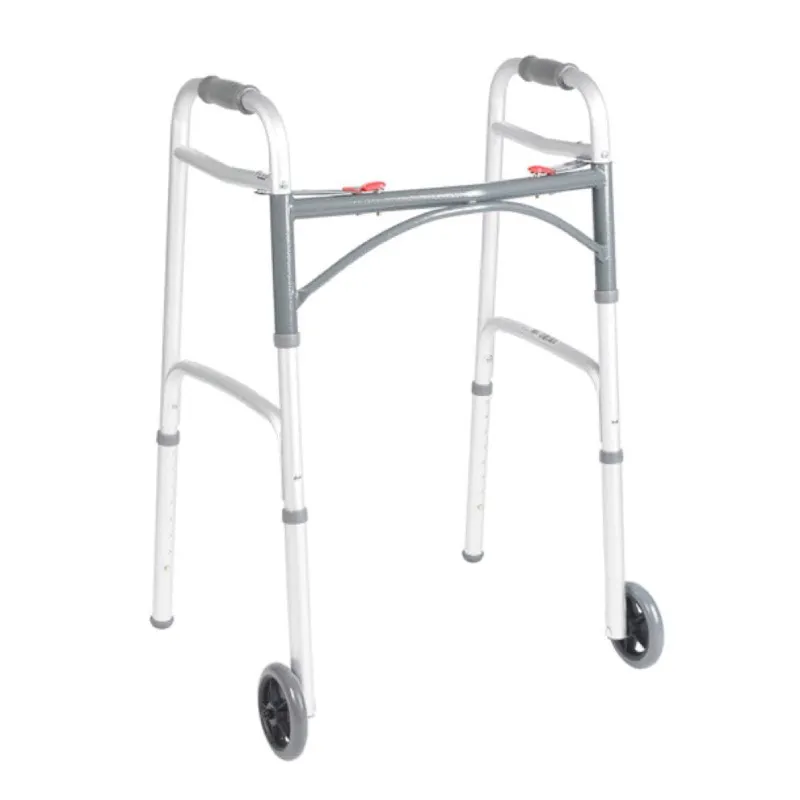
A standard walker has 4 fixed legs and must be lifted with each step — offering maximum stability for weak or unsteady patients. A rollator has 4 wheels, brakes, and usually a seat — better for patients who can walk steadily but need support over longer distances.

How do I choose a cane vs. a walker?

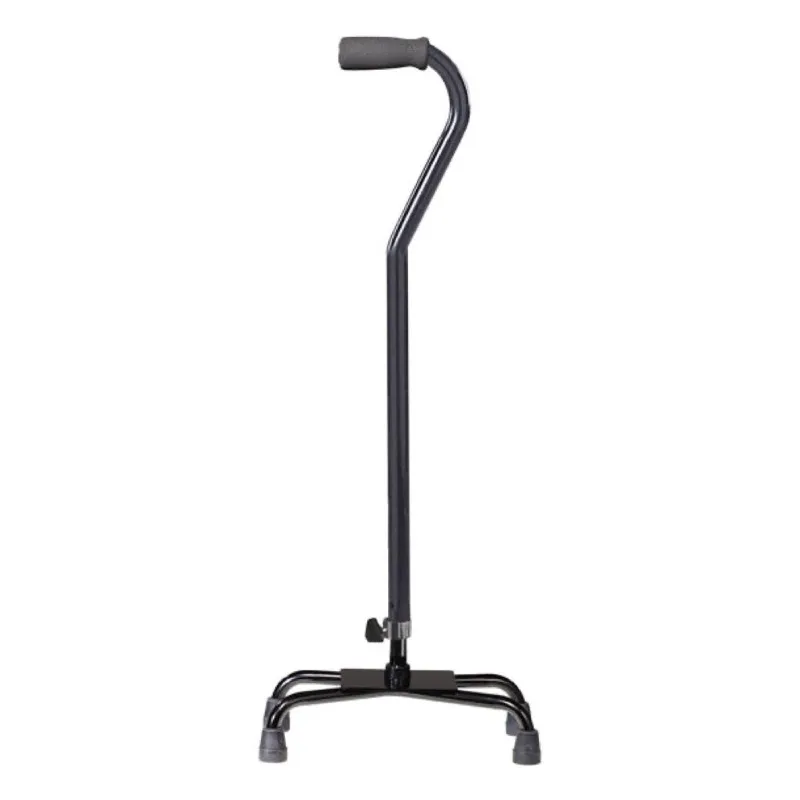
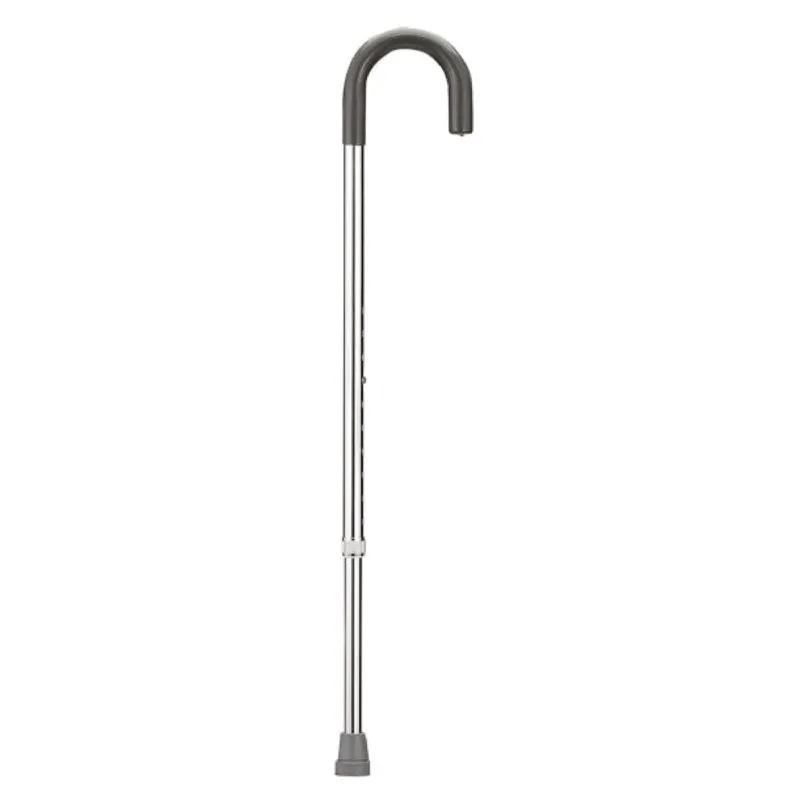
A cane provides minimal support and is appropriate for mild balance issues or unilateral weakness. A walker is indicated for moderate-to-severe balance issues, bilateral weakness, or non-weight-bearing lower extremities.

Are mobility aids covered by Medicare?

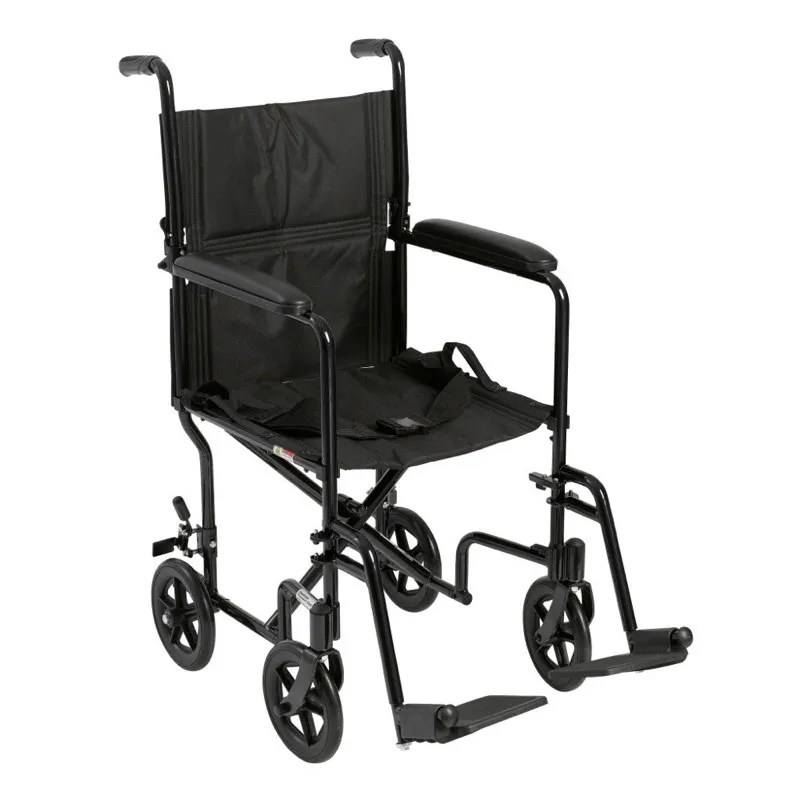
Yes — most mobility aids (walkers, rollators, wheelchairs) are covered under Medicare Part B with a qualifying diagnosis and written prescription. Coverage amounts and replacement intervals vary by device.

How do I adjust the height?

Stand upright with shoes on. The top of the handle should reach the wrist crease when arms hang relaxed. Adjust the legs to lift the device with the elbow at a comfortable 15–30° bend during use.