Prepare supplies.
Wash hands with warm water and dry thoroughly. Gather meter, test strip, lancet, and alcohol wipe if required.
Products commonly used alongside this one. Bundle them into a single order.
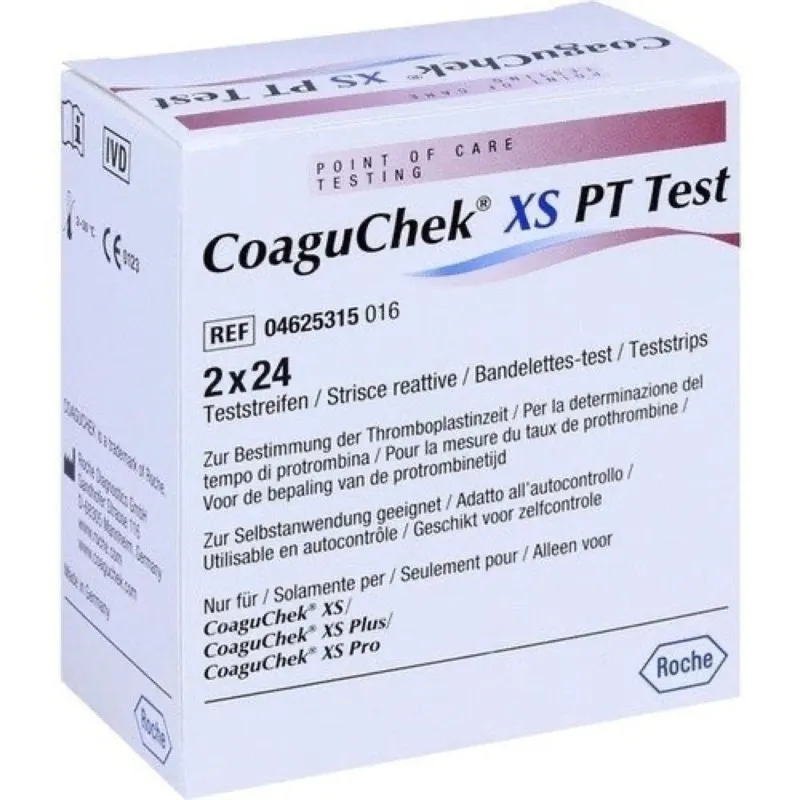
Roche Diagnostics
Roche CoaguChek® XS PT Test Strips, 48ct, 1 Box of 48
$288.29USD
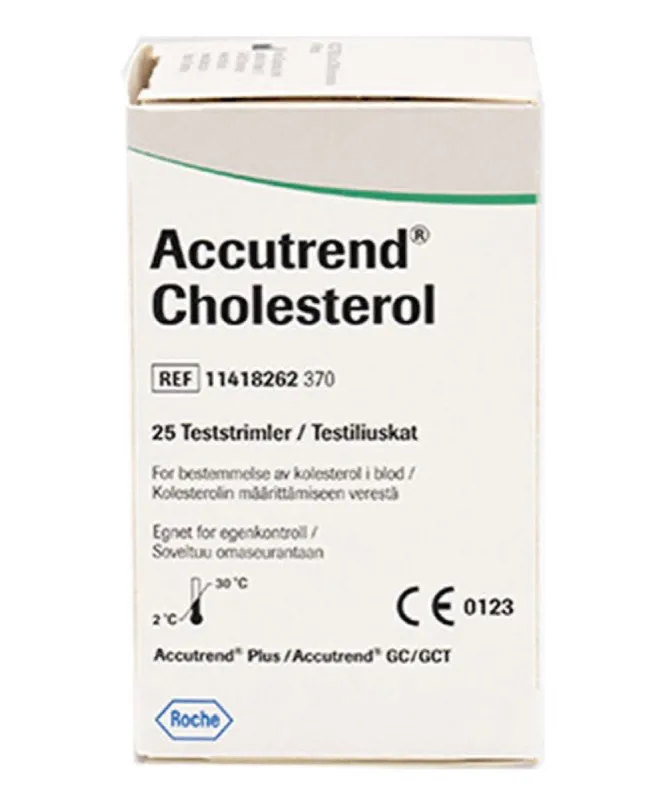
Roche Diagnostics
Accutrend® Cholesterol Test Strips, 25ct., 1 Box of 25
$107.79USD
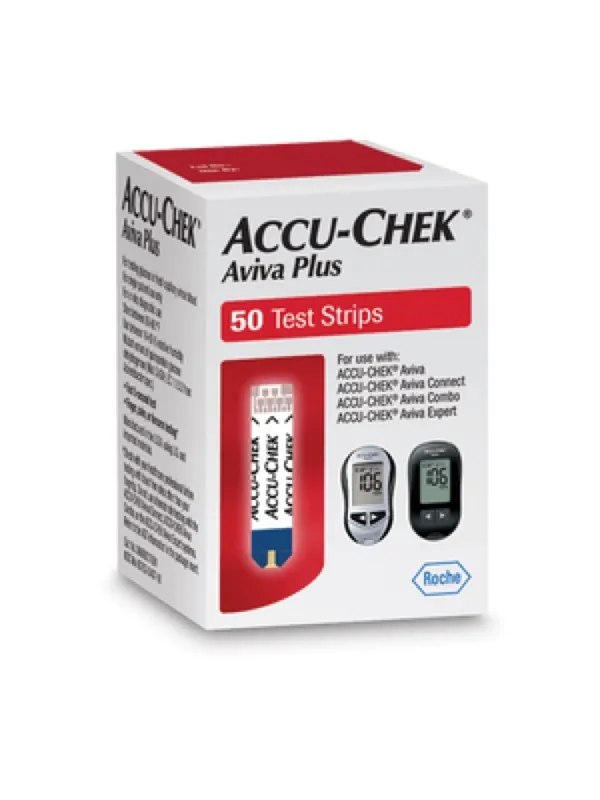
Roche Diagnostics
Accu-Chek® Aviva Plus Blood Glucose Test Strips, 50ct., Retail, 1 Box of 50
$108.29USD
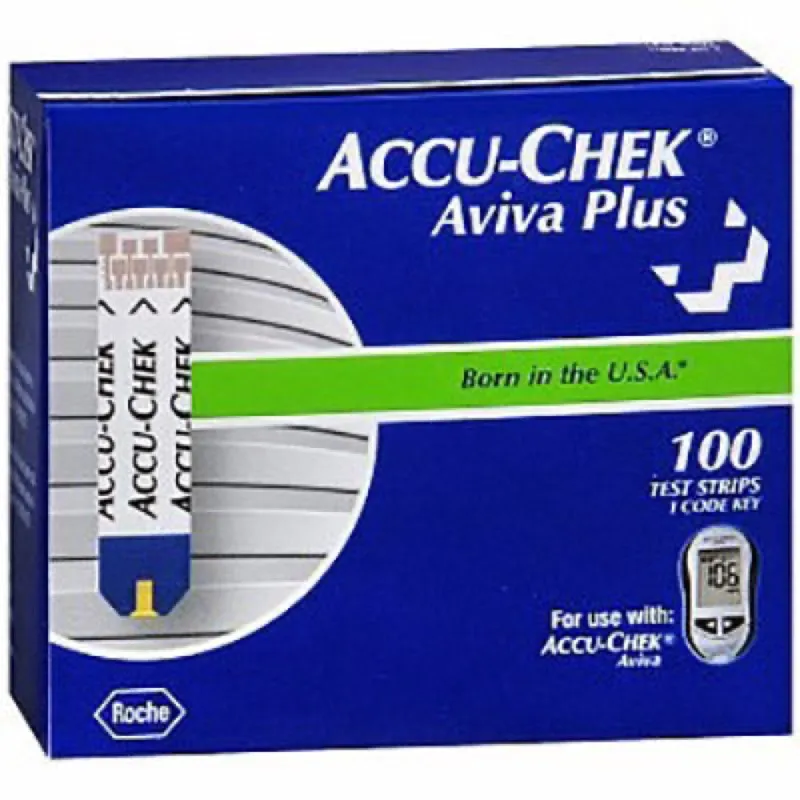
Roche Diagnostics
Accu-Chek® Aviva Plus Blood Glucose Test Strips, 100ct., Retail, 1 Box of 100
$209.69USD
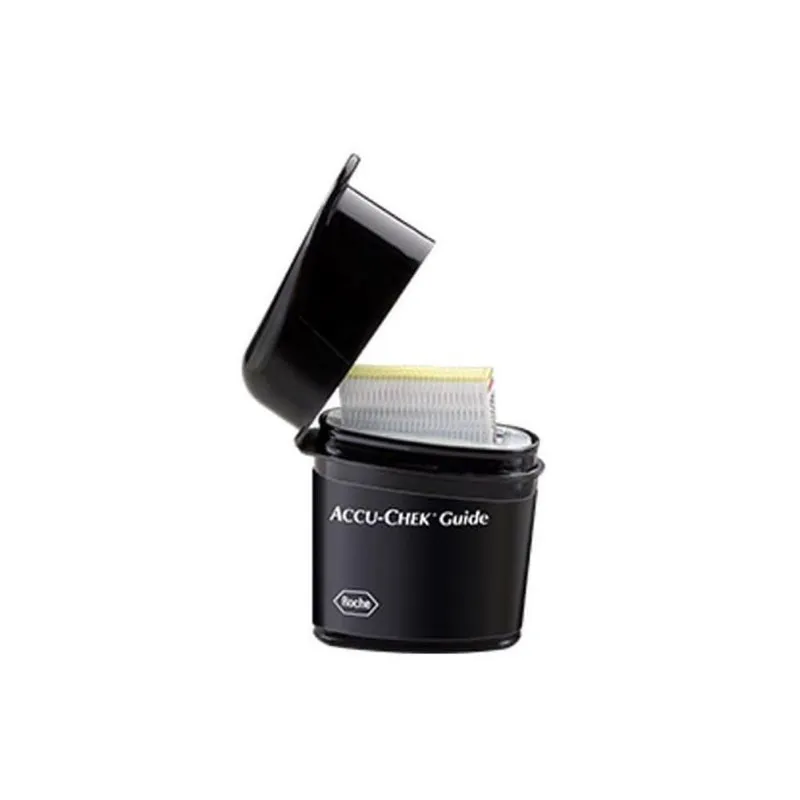
Roche Diagnostics
Accu-Chek® Guide Blood Glucose Test Strips, 50ct., Retail, 1 Box of 50
$30.39USD
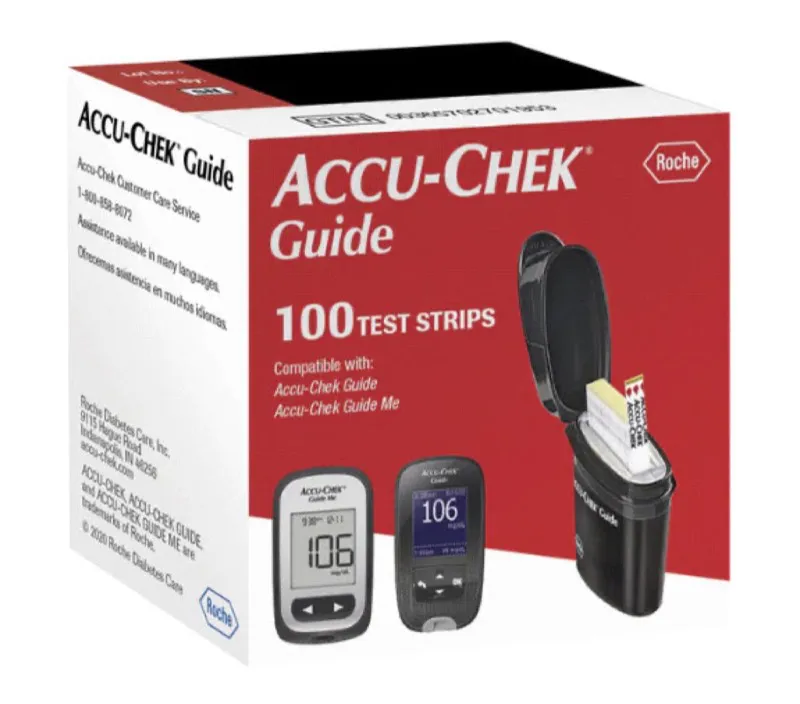
Roche Diagnostics
Accu-Chek® Guide Blood Glucose Test Strips, 100ct., Retail, 1 Box of 100
$57.79USD
Modern meters require as little as 0.3µL of blood — less painful than legacy devices.
Cleared for use outside complex laboratory settings including clinics and point-of-care.
Meets the global accuracy standard for blood glucose monitoring systems.
Diabetes monitoring supplies qualify for HSA and FSA reimbursement in most plans.
Glucose monitors, test strips, lancets, and diabetes supplies for home and clinical blood sugar management.
Wash hands with warm water and dry thoroughly. Gather meter, test strip, lancet, and alcohol wipe if required.
Insert a new test strip into the meter. Confirm the meter powers on and displays the ready indicator.
Lance the side of the fingertip (less painful than the pad). Milk gently to obtain a hanging drop of blood.
Touch the strip to the blood drop until the meter beeps. Wait for the result, then document the reading per facility protocol.
Discard the lancet in an approved sharps container and the test strip per facility waste policy.
Clinical use information is provided for reference only. Always follow facility protocols, manufacturer instructions for use (IFU), and evidence-based practice guidelines. Consult the treating clinician before use.
Standards & Certifications
Trusted manufacturer
An established medical products manufacturer supplying clinical teams with quality healthcare supplies.
Answers to the questions clinical buyers and care teams ask most about this product category.
Testing frequency depends on diabetes type and treatment. Type 1 and insulin-dependent Type 2 patients typically test 4+ times daily. Non-insulin Type 2 patients may test 1–2 times daily or less. Follow your clinician's recommendation.
Test strips measure a patient's blood glucose. Control solution is a reference liquid with a known glucose value, used to verify that the meter and strips are reading accurately — typically checked when opening a new vial or after a meter drop.
No. Test strips are meter-specific. Always match the strip brand and model to the meter to ensure accurate results.
Store strips in their original sealed vial at room temperature, away from direct sunlight and humidity. Close the vial immediately after removing a strip. Discard any strips past their expiration date.
Diabetes monitoring supplies are generally HSA/FSA eligible. Confirm with your plan administrator for specifics. Many are also covered under Medicare Part B with a qualifying diagnosis.
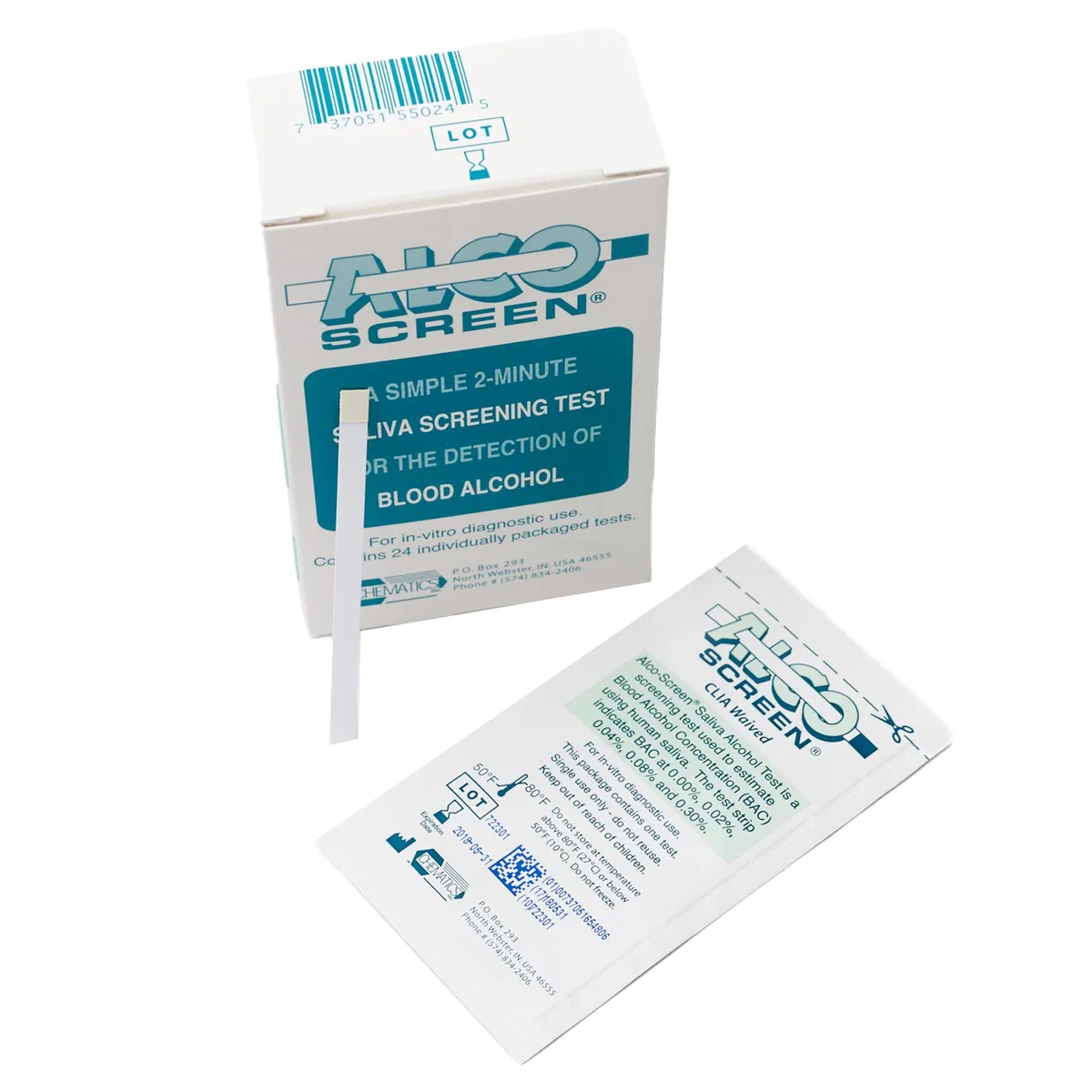
Chematics
Alco-Screen® Saliva Alcohol Rapid Test, 1 Case of 288
$833.99USD
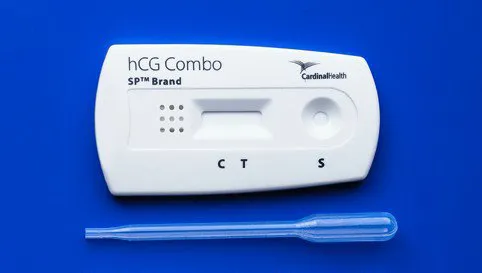
Cardinal
SP® Brand hCG Combo Pregnancy Fertility Rapid Test Kit, 1 Box of 30
$82.39USD
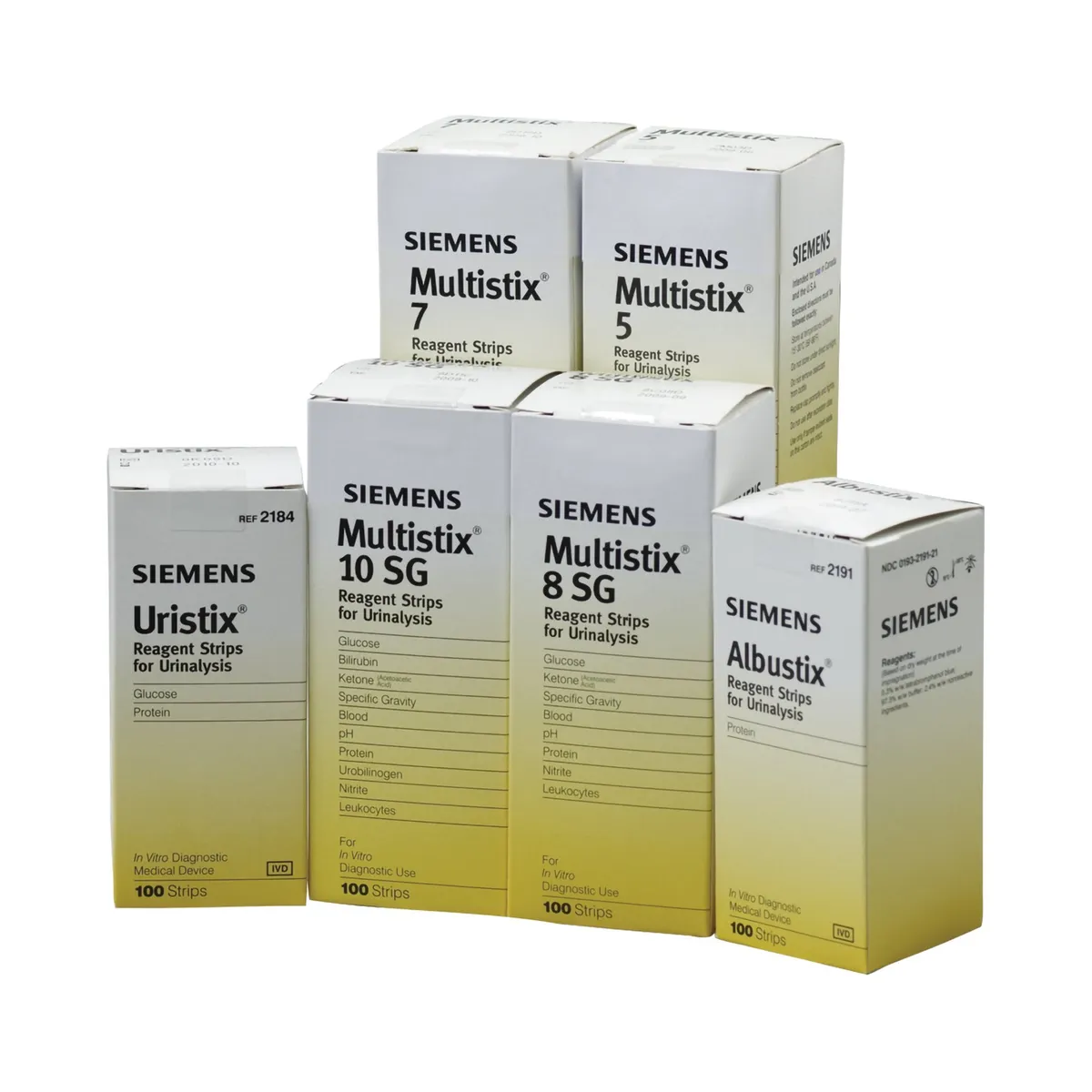
Siemens
URINE TEST STRIP, MULTISTIX 7 100'S 2165 (100/EA/BT 24BT/CS)
$1,584.99USD
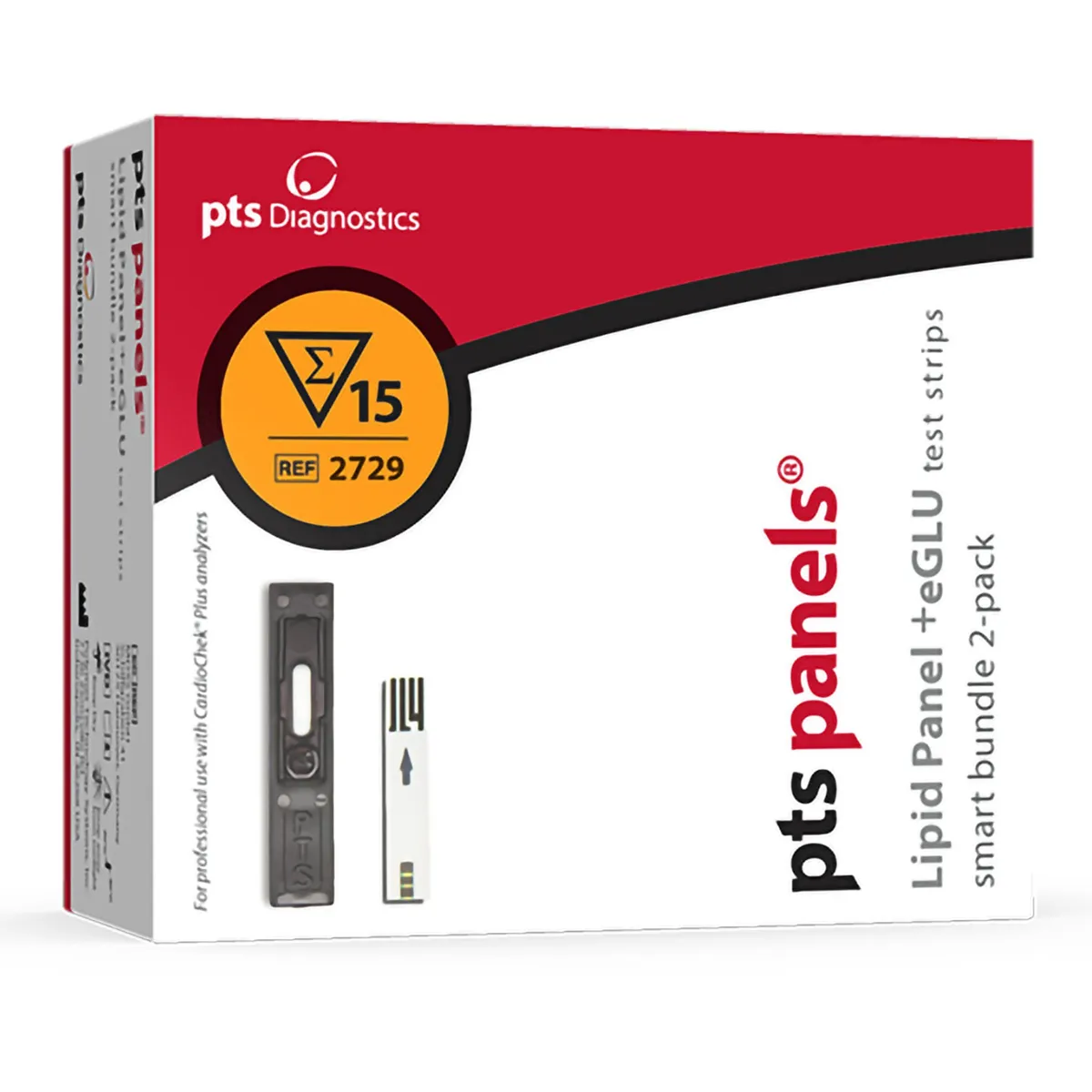
PTS Diagnostics
CardioChek® Plus Lipid + eGLU Smart Bundle™ Rapid Test Kit, Glucose / HDL / LDL / Total Cholesterol / Triglycerides test, 1 Pack
$318.06USD
Alfa Scientific Designs Inc
CASSETTE KIT, INSTANT VIEW HPYLORI W/SERUM(25/KT)
$179.05USD
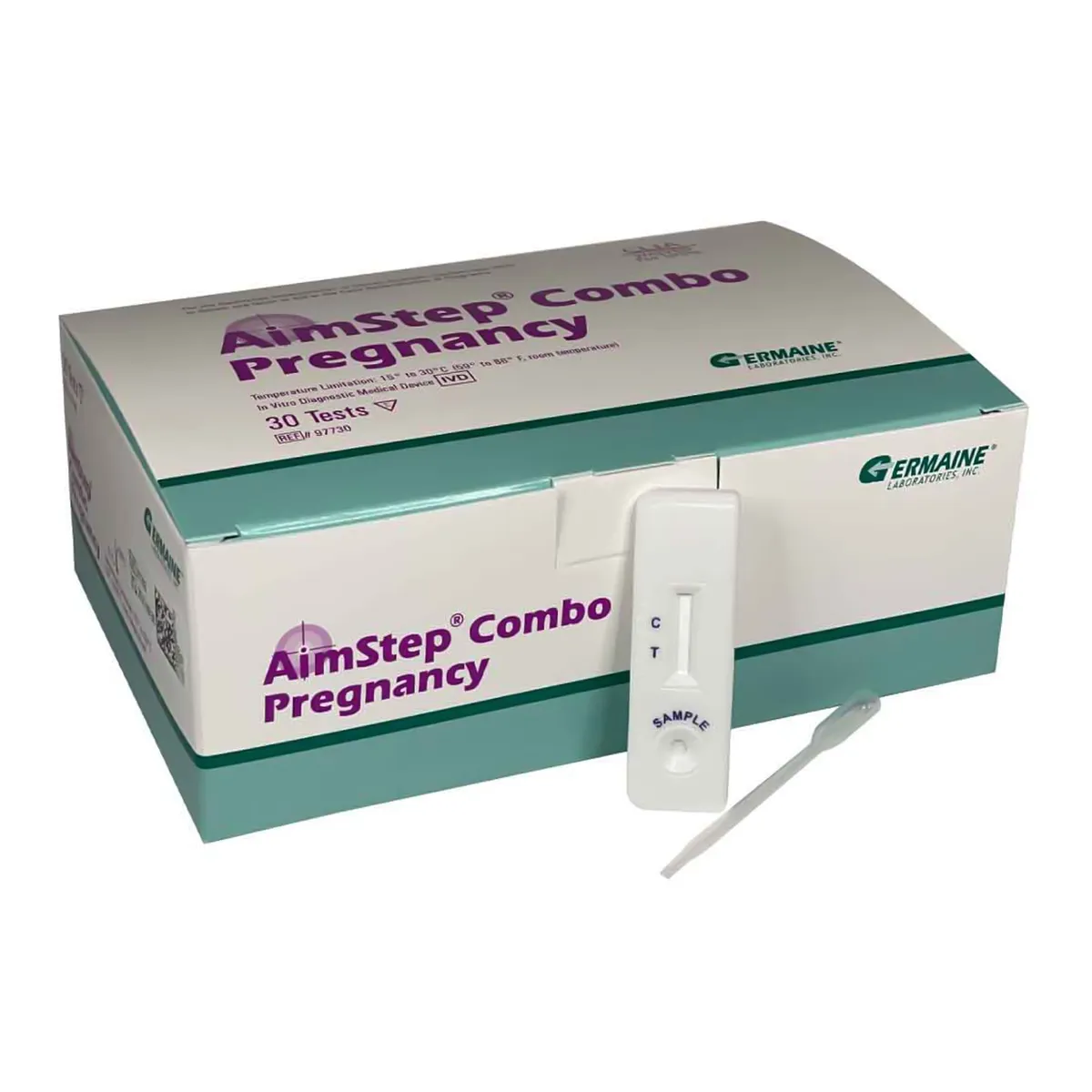
Germaine Laboratories Inc
AimStep® Combo hCG Pregnancy Fertility Rapid Test Kit, 1 Box of 30
$36.60USD
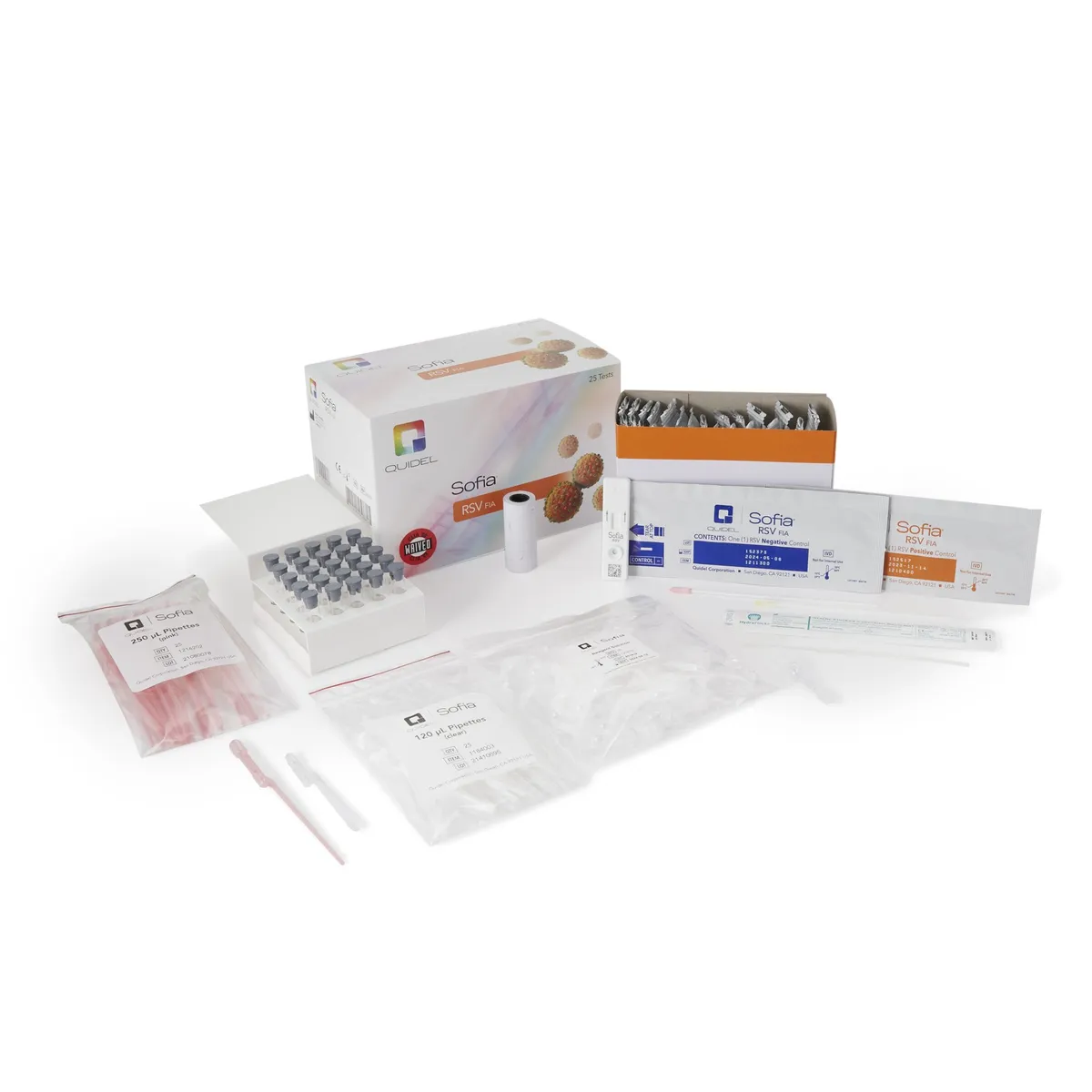
Quidel
Sofia® RSV FIA Rapid Test Kit, Respiratory Syncytial Virus Test (RSV), 1 Kit of 25
$467.19USD
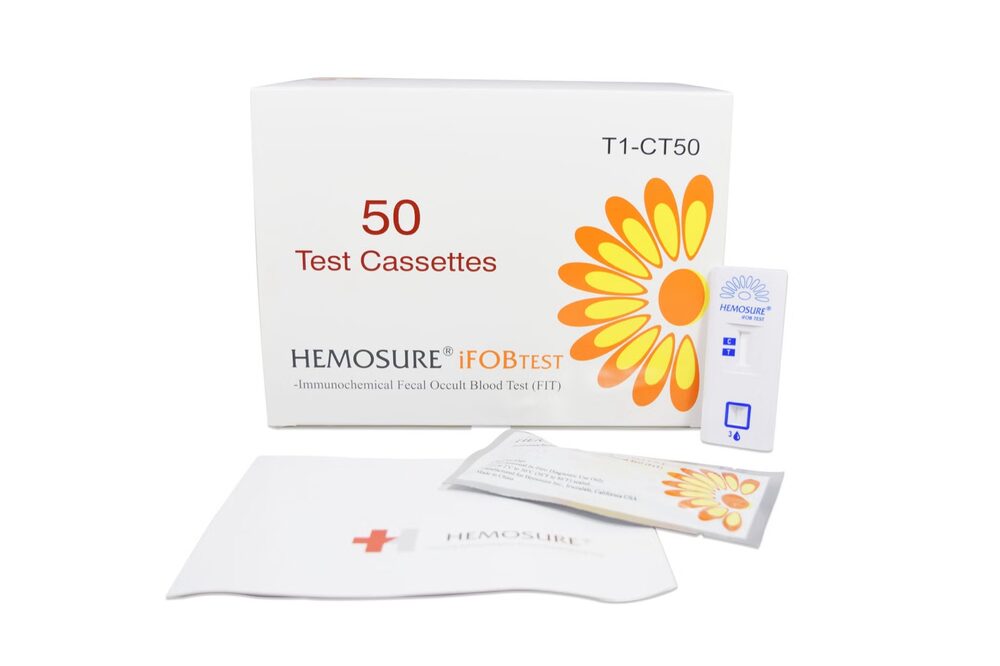
Hemosure
Hemosure® iFOB Test Cassettes, Fecal Occult Blood Test (iFOB or FIT), 1 Case of 50
$309.39USD
$77.49USD
In stock. Order by 2pm PST for same-day processing.
In stock
Ships from our western US warehouses
Fast shipping
Same-day processing before 2pm PST
30-day returns
Hassle-free on eligible orders
HSA / FSA
Eligible for most medical accounts
$77.49USD