Aseptic preparation.
Perform hand hygiene and establish a sterile field. Gather catheter, lubricant, antiseptic solution, drainage bag, and sterile gloves.
Products commonly used alongside this one. Bundle them into a single order.
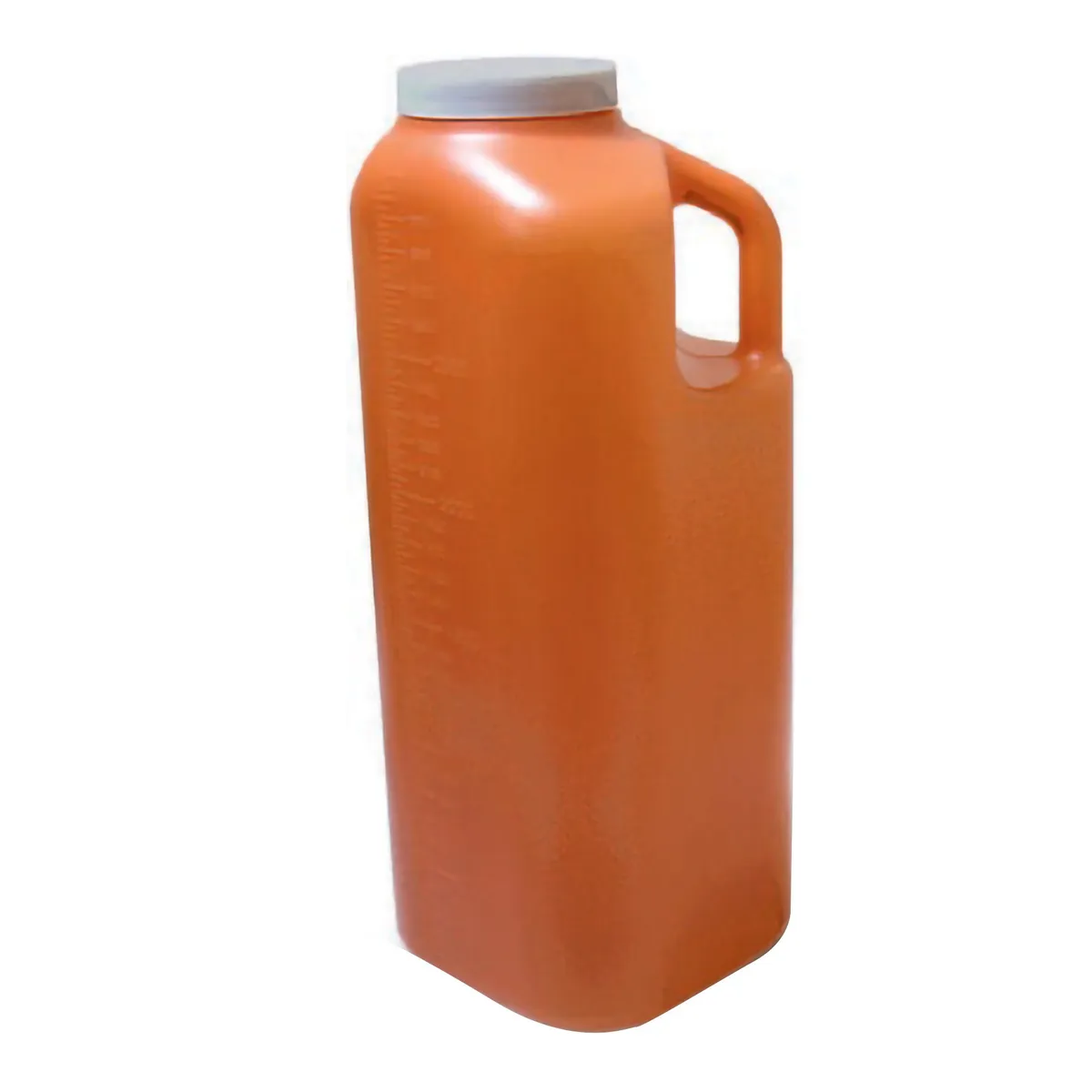
OakRidge Products
24-Hour Urine Specimen Collection Container, 3,000 mL, 1 Case of 40
$115.49USD
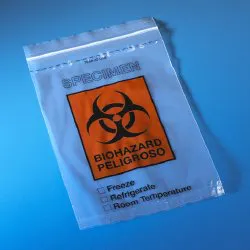
Globe Scientific
Globe Scientific Specimen Transport Bag with Document Pouch, 6 x 9 Inch, 1 Box of 100
$23.15USD
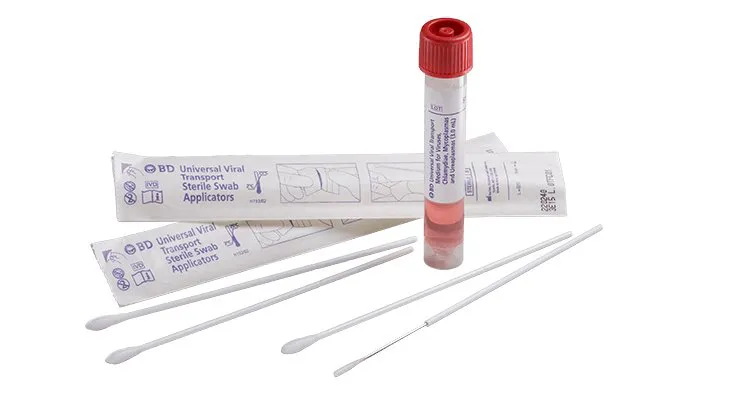
BD
BD™ Universal Viral Transport Kit, 1 Pack of 50
$310.09USD

Elkay Plastics
McKesson Zip Closure Bag, 1 Pack
$30.86USD
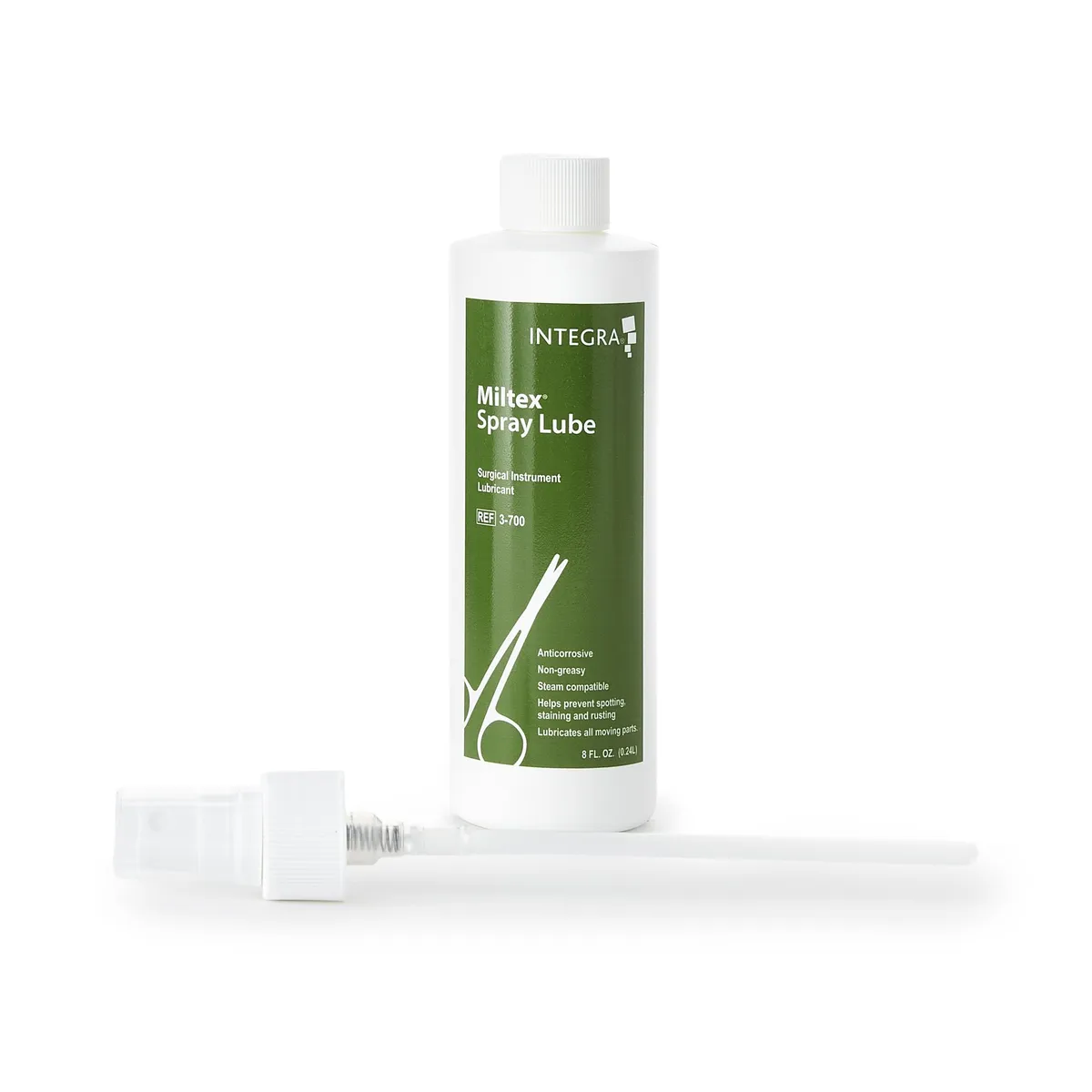
Integra Lifesciences
Miltex® Instrument Lubricant, 1 Each
$27.67USD
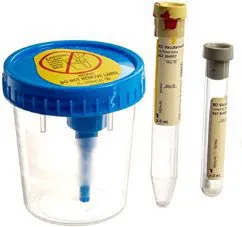
BD
BD Vacutainer® Urine Specimen Collection Kit, 1 Case of 50
$53.79USD
Individually sterile-packed and ready for aseptic catheterization technique.
Silicone and silicone-coated catheters for latex-sensitive patients and long-term wear.
Antimicrobial and hydrophilic options align with CDC CAUTI prevention bundles.
Pediatric through adult sizes in 2Fr increments for clinical flexibility.
Foley catheters, intermittent catheters, external sheaths, and specimen collection supplies for urinary care and diagnostic sampling.
Perform hand hygiene and establish a sterile field. Gather catheter, lubricant, antiseptic solution, drainage bag, and sterile gloves.
Use antiseptic solution per facility protocol. Work from the meatus outward in a single direction.
Apply sterile lubricant to the catheter tip. Insert gently until urine returns, then advance an additional 1–2 cm before inflating the retention balloon.
Secure the catheter per facility protocol. Document insertion time, catheter size, and balloon volume in the patient chart.
Clinical use information is provided for reference only. Always follow facility protocols, manufacturer instructions for use (IFU), and evidence-based practice guidelines. Consult the treating clinician before use.
Standards & Certifications
A spec-by-spec comparison with the most common alternatives in the urology & catheterization category. Clinical interchangeability varies — always verify with your care team or facility protocol.
| Spec | This product Ready-to-Use Male Hydrophilic Catheter, 14fr, 16", 1 Each | Bard Medical Division Ready-to-Use Hydrophilic Coude Catheter, 14fr, 1 Each | Bard Medical Division Ready-to-Use Female Hydrophilic Catheter, 14fr, 1 Each | Bard Medical Division Ready-to-Use Male Hydrophilic Catheter, 16fr, 16", 1 Each |
|---|---|---|---|---|
| Material | Latex | Latex | Latex | Latex |
| Single / Multi-Use | Single-use | Single-use | Single-use | Single-use |
Comparison is provided for reference only. Brand names and trademarks belong to their respective owners. Specific SKUs may differ from category averages shown above.
Trusted manufacturer
An established medical products manufacturer supplying clinical teams with quality healthcare supplies.
Answers to the questions clinical buyers and care teams ask most about this product category.
French (Fr) measures the outer circumference — higher Fr = larger diameter. Adult sizes typically range 14–18 Fr. Pediatric sizes are smaller. Use the smallest size that achieves adequate drainage to reduce trauma and CAUTI risk.
A Foley (indwelling) catheter has a retention balloon and stays in place for continuous drainage. An intermittent catheter is inserted, used for a single drainage, and removed. Intermittent catheterization has a lower CAUTI rate when clinically appropriate.
Both are available. Silicone is preferred for long-term indwelling use and for latex-allergic patients. Latex catheters are less expensive but not suitable for long-term use or latex sensitivity.
CAUTI prevention depends on proper technique, timely removal, and product selection. Antimicrobial-coated catheters are one component of CDC CAUTI prevention bundles — confirm your facility's protocol.
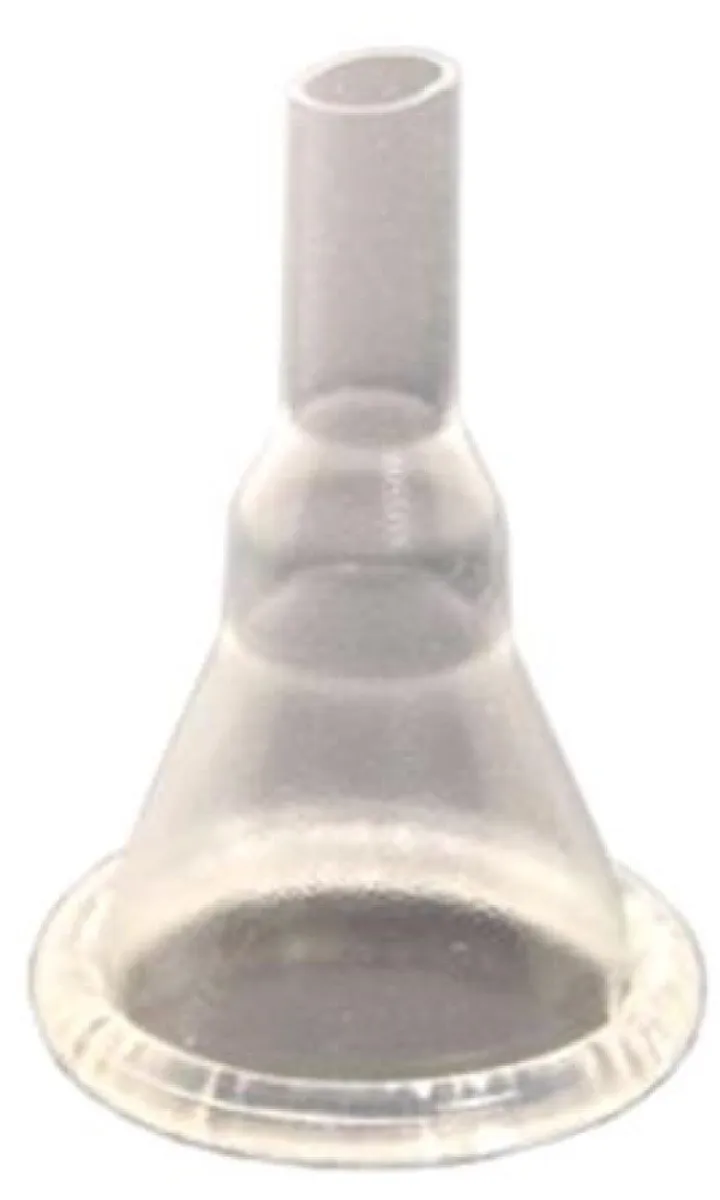
Coloplast
Coloplast Freedom® Male External Catheter, Small, 1 Each
$15.83USD
Coloplast
Conveen Security+ Male External Catheter, Self-Adhesive Band, X-Small, 1 Each
$16.85USD
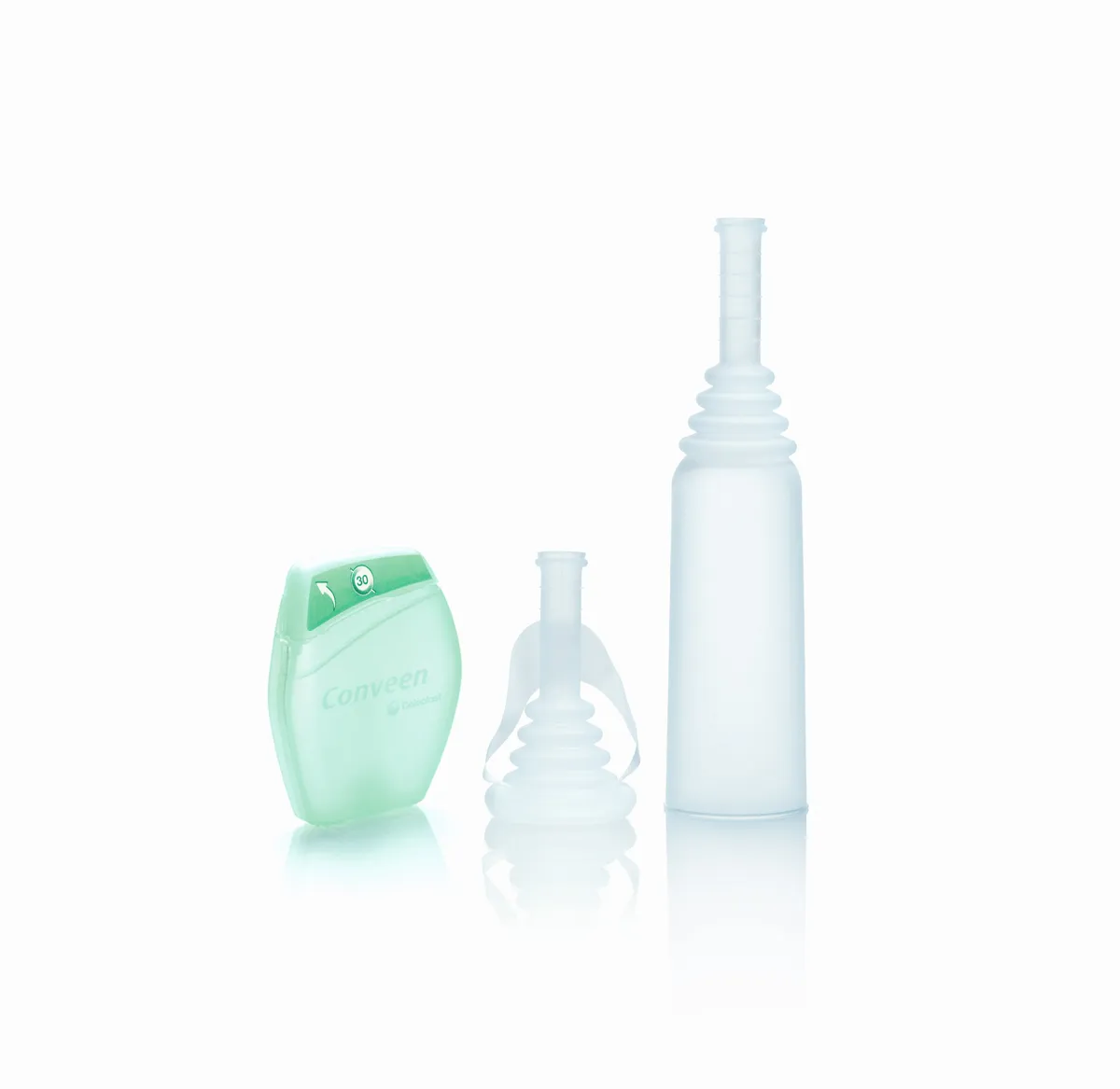
Coloplast
Coloplast Freedom Clear® LS Male External Catheter, X-Large, 1 Each
$15.83USD
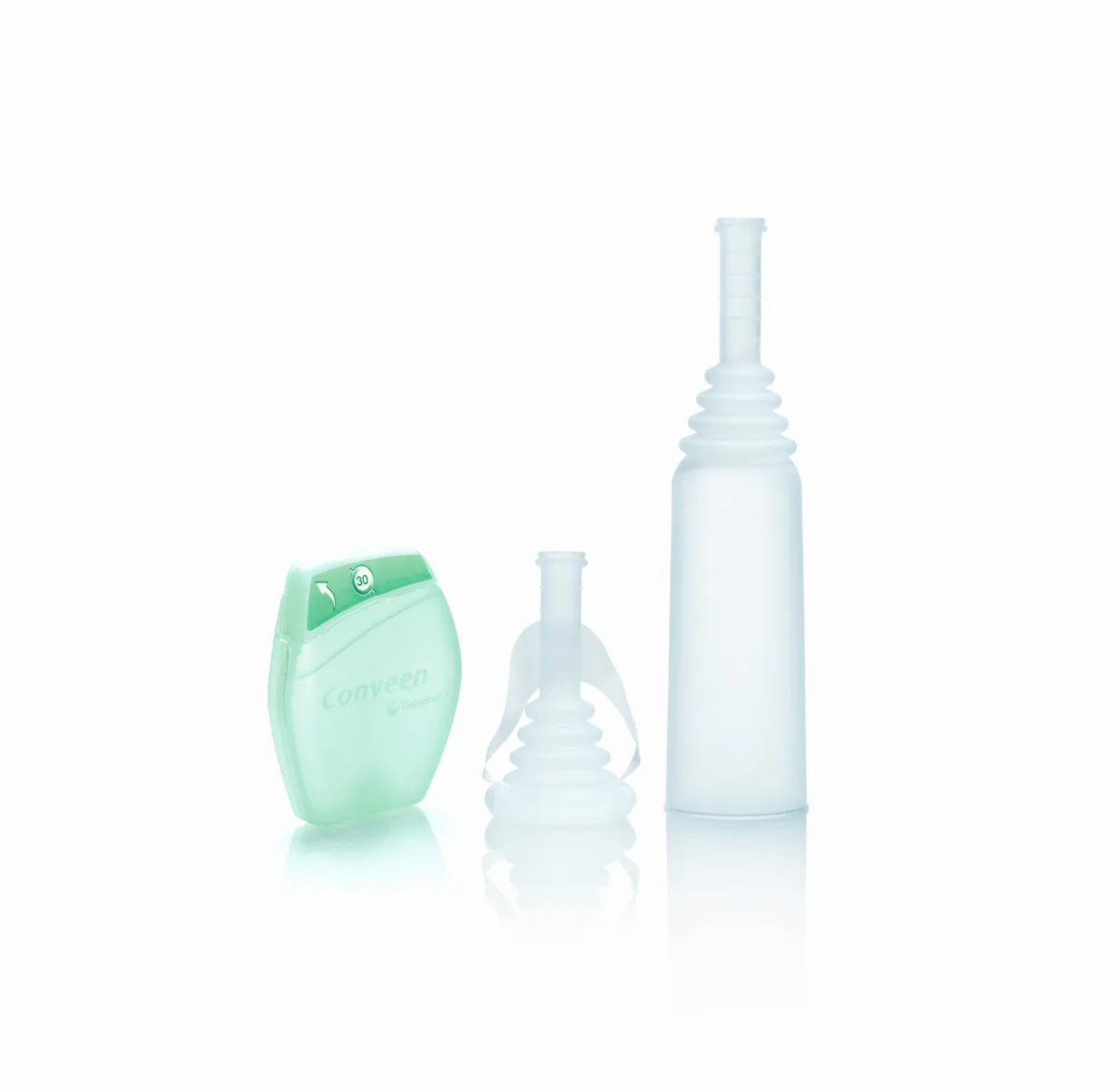
Coloplast
Coloplast Freedom Clear® LS Male External Catheter, X-Large, 1 Box of 100
$199.80USD
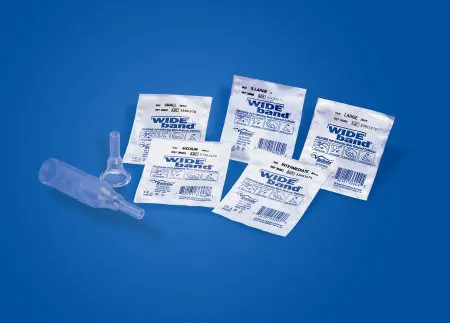
Bard
Bard Wide Band® Male External Catheter, Small, 1 Each
$17.04USD
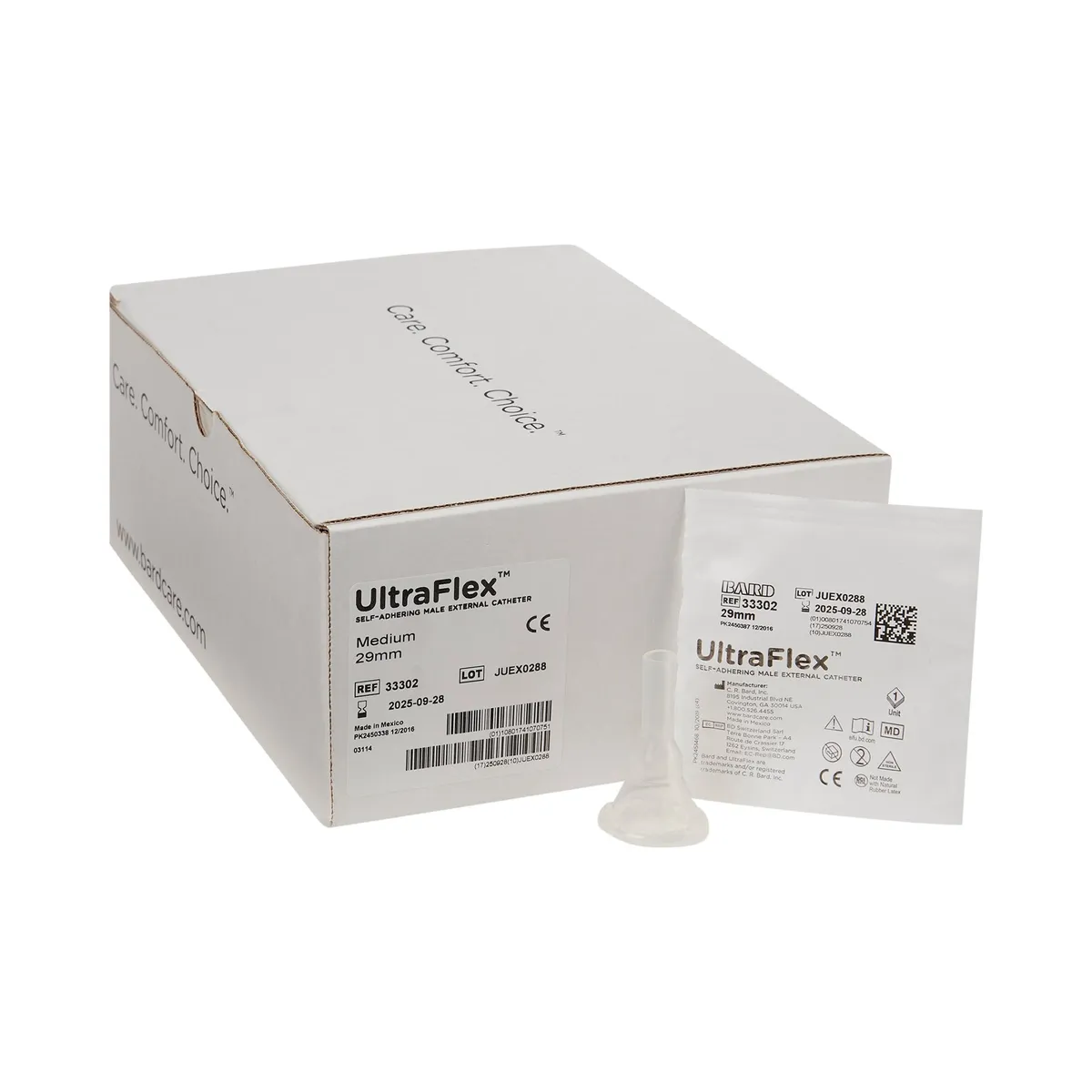
Bard
Bard UltraFlex® Male External Catheter, Medium, 1 Each
$15.29USD
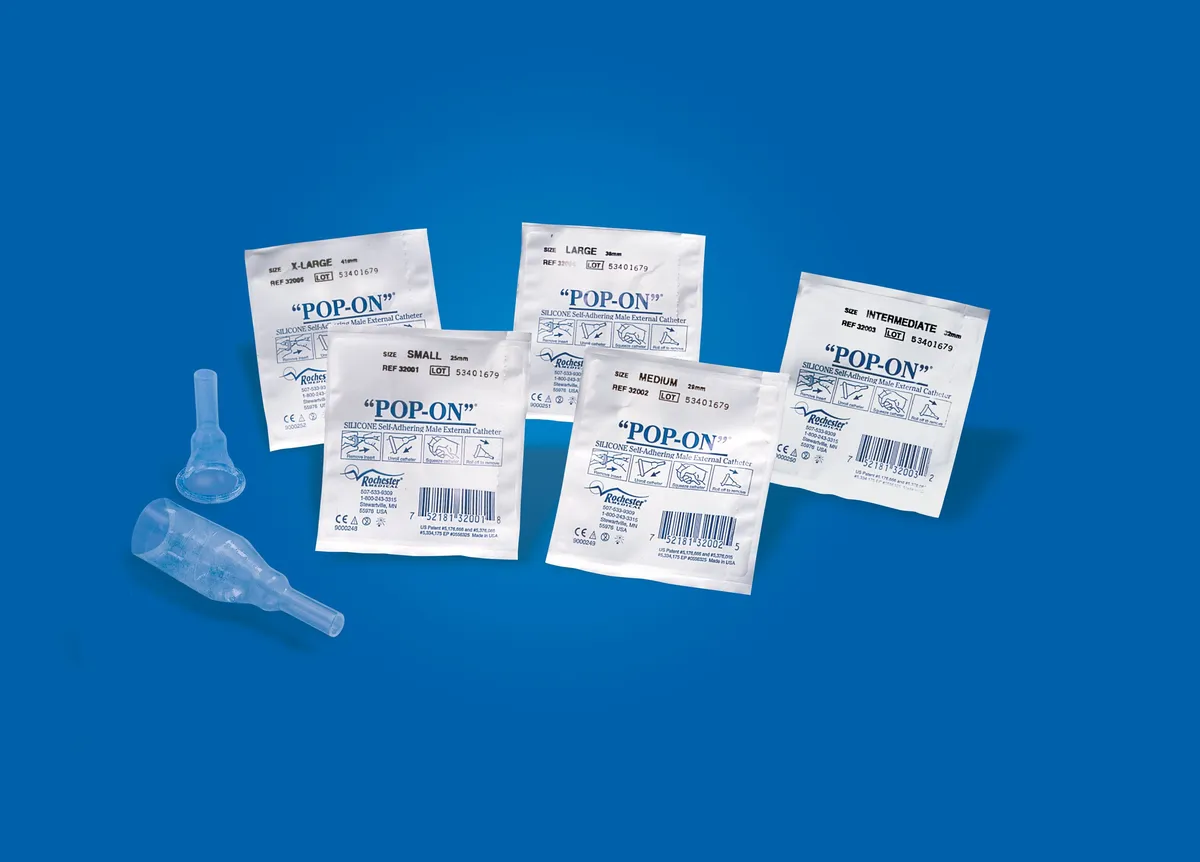
Bard
Pop-On® Male External Catheter, Small, 1 Box of 100
$165.78USD
Cardinal
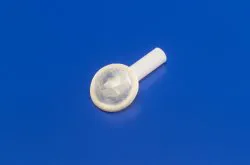
Cardinal Health Male External Texas Catheter Self-Adhesive, 1 Each
$14.12USD
$2.09USD
In stock. Order by 2pm PST for same-day processing.
In stock
Ships from our western US warehouses
Fast shipping
Same-day processing before 2pm PST
30-day returns
Hassle-free on eligible orders
HSA / FSA
Eligible for most medical accounts
$2.09USD
Clinical Evidence
Spinal cord
A systematic review and network meta-analysis of randomized trials compared types of intermittent urinary catheters in people who need to empty the bladder by catheterization.
Key Findings
Sample Size
25 RCTs, 1,233 participants
The Cochrane database of systematic reviews
A Cochrane systematic review of randomized trials compared intermittent catheterization techniques, strategies and catheter designs in adults and children with long-term bladder conditions.
Key Findings
Sample Size
23 trials, 1,339 participants
BMC urology
A systematic review and meta-analysis of randomized trials compared hydrophilic-coated and standard PVC catheters for intermittent catheterization.
Key Findings
Sample Size
7 RCTs
Clinical evidence is provided for informational purposes only. Healthcare professionals should evaluate products based on their clinical judgment and patient-specific factors. Links to external studies are provided as references and do not constitute endorsement. Always refer to the manufacturer's instructions for use.