Assess gait and need.
Evaluate the user's gait, balance, strength, and weight-bearing status to match the device to the clinical need.
Products commonly used alongside this one. Bundle them into a single order.
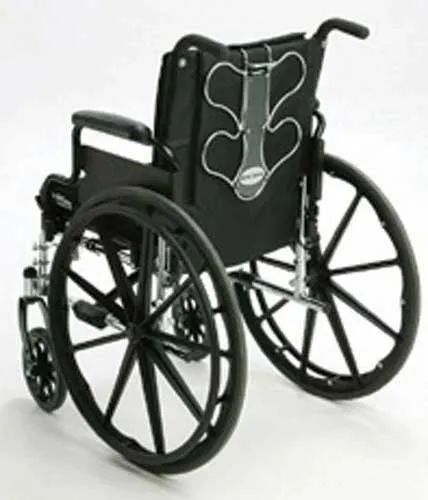
Hospital Supply HQ
Retroback Back Support System 15 - 16
$348.77USD
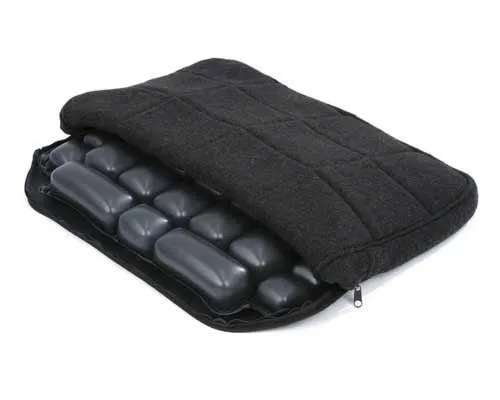
Hospital Supply HQ
LTV Seat Cushion Charcoal Cvr 17 x 19
$201.15USD
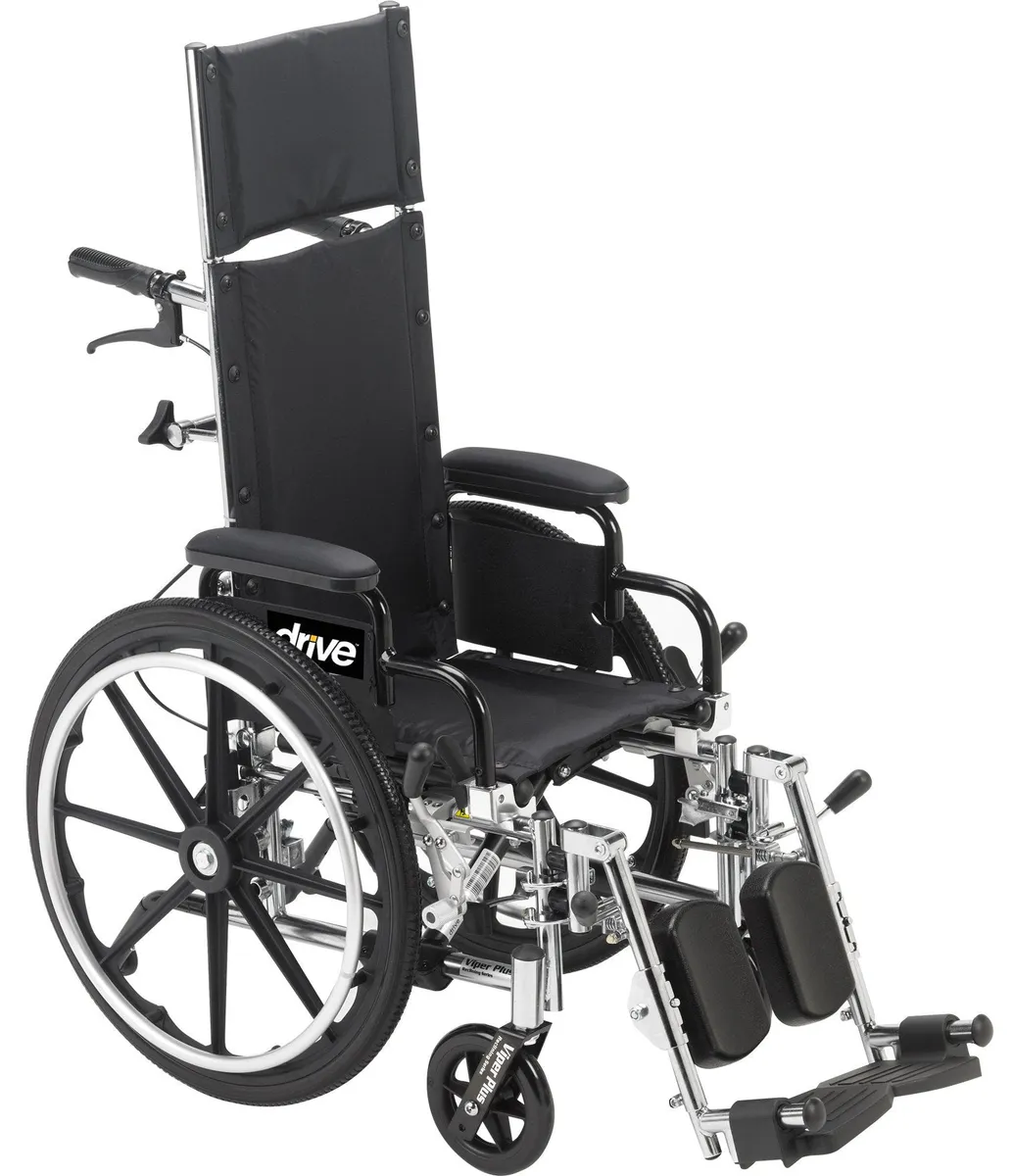
Drive Medical
drive™ Viper Plus Pediatric Reclining Wheelchair, 14-Inch Seat Width, 1 Case
$1,007.69USD
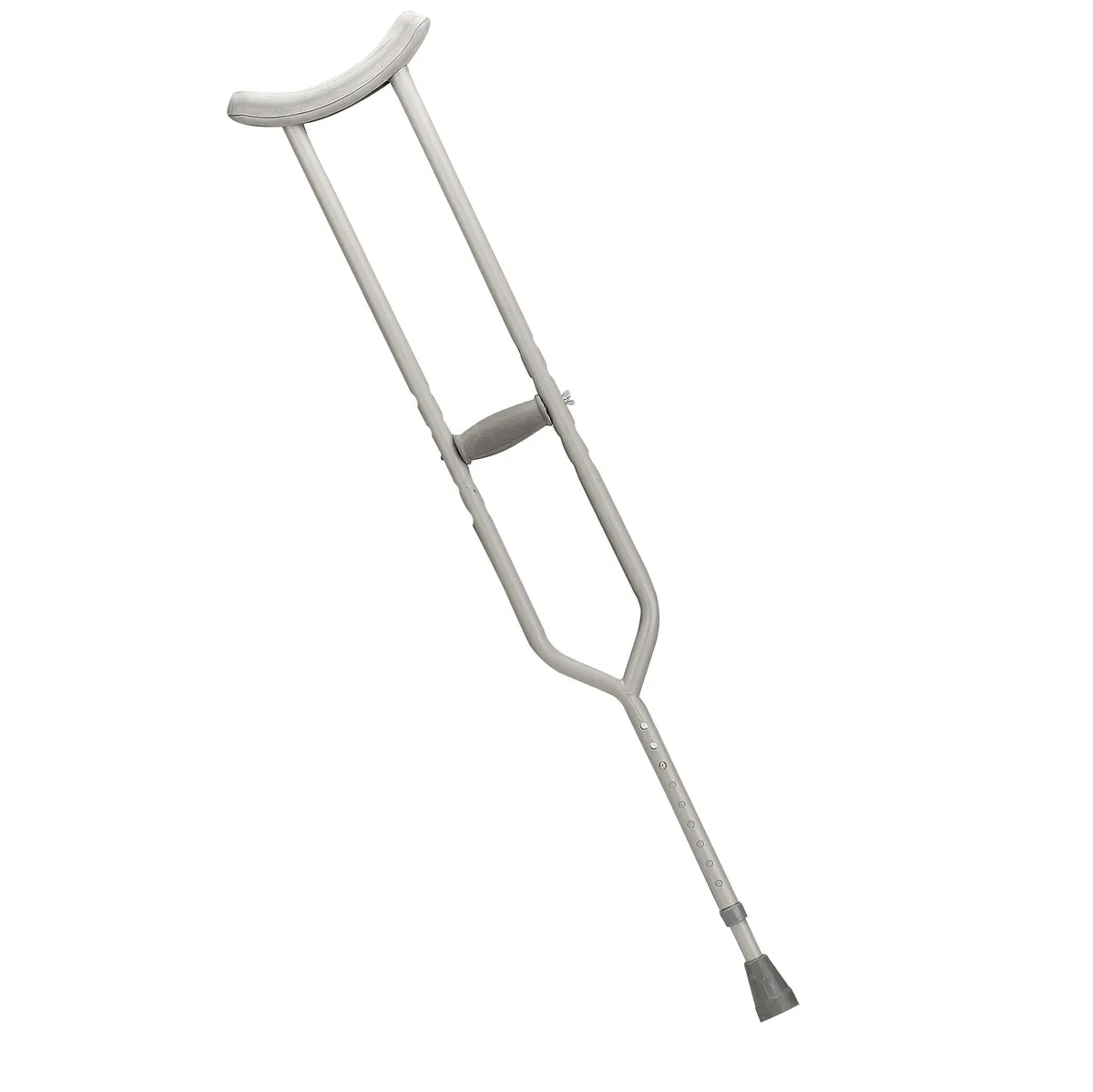
Drive Medical
drive™ Tall Adult Bariatric Crutches, 5 ft. 10 in. - 6 ft. 6 in., 1 Pair
$127.39USD
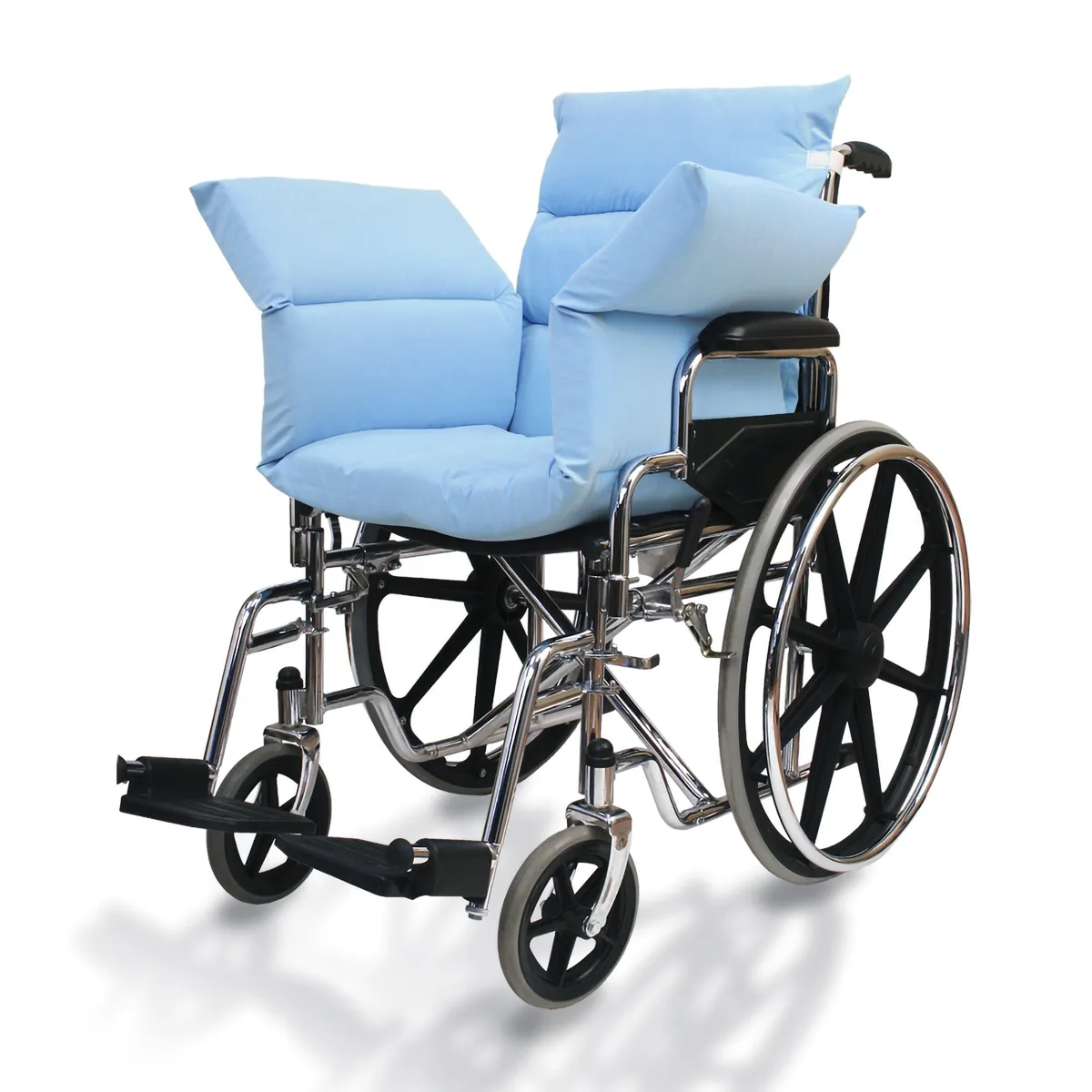
New York Orthopedic
New York Orthopedic Wheelchair Cushion, 1 Each
$72.55USD
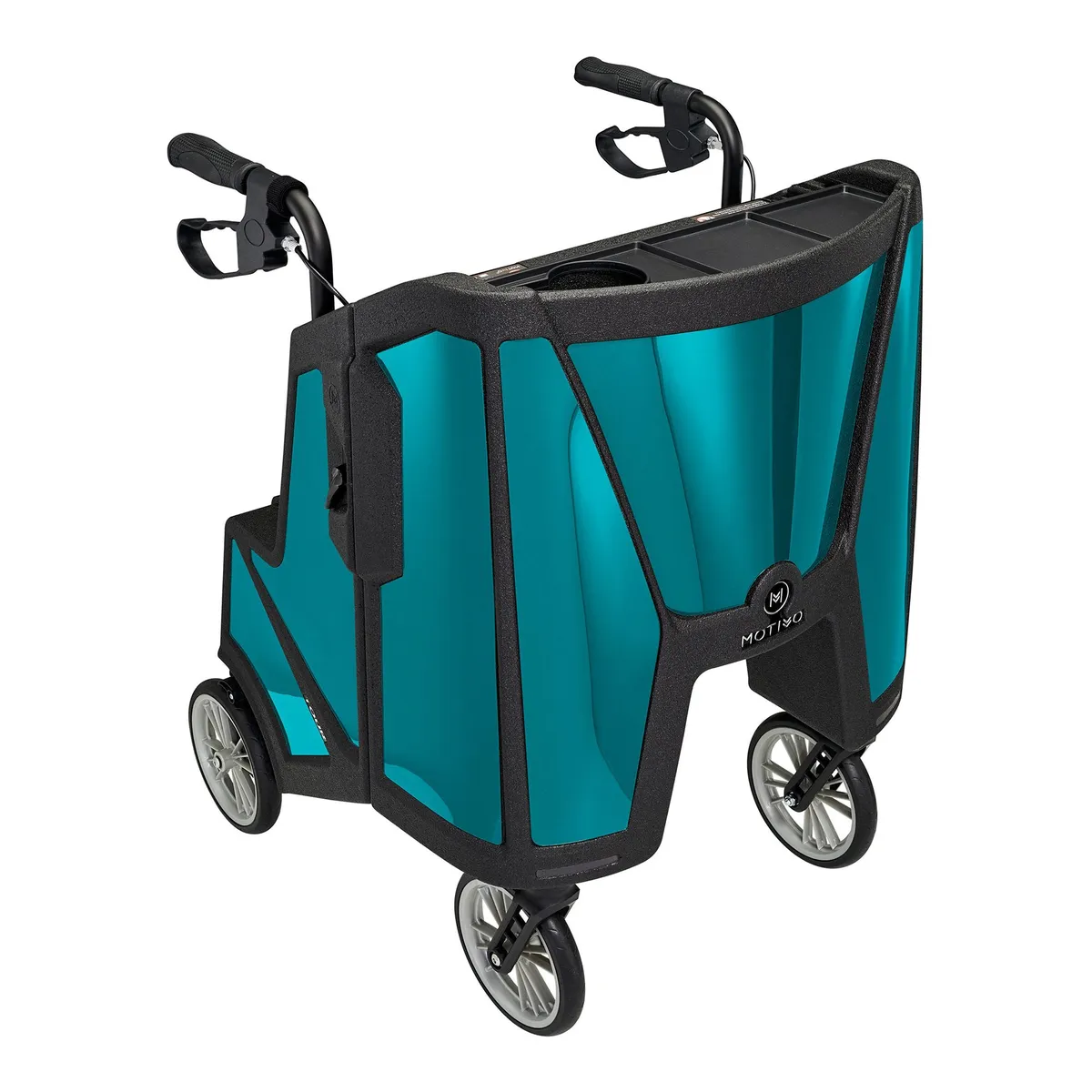
Motivo Inc
Tour 4 Wheel Rollator, 31 to 37 Inch Handle Height, Ocean Teal, 1 Each
$785.59USD
Stable bases, secure grips, and adjustable heights reduce fall risk during mobility tasks.
Standard and bariatric models clearly rated for user weight and intended use.
Height adjustability accommodates user stature and changing clinical needs.
Most mobility aids qualify for Medicare Part B with appropriate diagnosis and prescription.
Walkers, rollators, canes, wheelchairs, and mobility accessories that support safe ambulation, independence, and activities of daily living.
Evaluate the user's gait, balance, strength, and weight-bearing status to match the device to the clinical need.
Handles should sit at wrist crease with arms relaxed at the side. Too high or too low compromises safety and efficacy.
Instruct the user in the proper gait pattern for the device (e.g., 2-point for walker, 3-point for crutches).
Review the home or facility environment for trip hazards, narrow doorways, and stair access.
Clinical use information is provided for reference only. Always follow facility protocols, manufacturer instructions for use (IFU), and evidence-based practice guidelines. Consult the treating clinician before use.
Standards & Certifications
Trusted manufacturer
An established medical products manufacturer supplying clinical teams with quality healthcare supplies.
Answers to the questions clinical buyers and care teams ask most about this product category.
A standard walker has 4 fixed legs and must be lifted with each step — offering maximum stability for weak or unsteady patients. A rollator has 4 wheels, brakes, and usually a seat — better for patients who can walk steadily but need support over longer distances.
A cane provides minimal support and is appropriate for mild balance issues or unilateral weakness. A walker is indicated for moderate-to-severe balance issues, bilateral weakness, or non-weight-bearing lower extremities.
Yes — most mobility aids (walkers, rollators, wheelchairs) are covered under Medicare Part B with a qualifying diagnosis and written prescription. Coverage amounts and replacement intervals vary by device.
Stand upright with shoes on. The top of the handle should reach the wrist crease when arms hang relaxed. Adjust the legs to lift the device with the elbow at a comfortable 15–30° bend during use.
$5,255.80USD
$5,356.26USD
Save $100.46In stock. Order by 2pm PST for same-day processing.
In stock
Ships from our western US warehouses
Fast shipping
Same-day processing before 2pm PST
30-day returns
Hassle-free on eligible orders
HSA / FSA
Eligible for most medical accounts
$5,255.80USD
$5,356.26USD