Size the cuff.
Select a cuff where the bladder width covers 40% of arm circumference. Wrong size is the most common cause of inaccurate readings.
Professional Digital LCD Infrared Thermometer Ear & Forehead 8 in 1 for Baby Child Family Electronic Thermometer 2018 New Sell
Features:
Multiple functions (digitally measures Ear, Forehead, object, liquid (milk), room, ambient temperature, clock shown
Fast and accurate temperature measurement (using 3rd Gen technology) within 1 second
Hygienic - just wipe clean, no need for probe covers.
Suitable for both infants and adults
Easy cleaning, just use moist cotton to clean the probe
Operate with one button, very simple to use.
Description:
Automatic recall of last temperature measurement
Large and legible LCD digital display with back light for easy reading at night
3 Color backlight to indicate different body temperature zone.
Temperature display in Centidegree (°C) and Fahrenheit (°F)
Specifications:
Dimension: 114mm x 34mm x 26 mm
Style:Handheld
Display Type:Digital
Theory:Hygrometer
Power Type:Button Battery
Resolution:0.1°C
Measurement range: 0 to 100°C (32 to 212°F)
Accuracy: 0.2°C (body) and 0.5°C (object)
How To Use :
Mode One: For Forhead
1. Match the probe cover and a smile symbol will be displayed on the LCD;
2. Put the thermometer to the temple(touch the skin) and press the button constantly;
3. Keep the thermometer moving along the forehead slowly to the temple on other side.;
4. Release the button then the measurement is completed.
Mode Two: For Ear (±0.2℃)
1. Remove the probe cover;
2. Put the probe lens in the ear properly, and press the button for measurement for one second;
3. Release the button.
Mode Three: For Object(±2℃)
1. Match the probe cover and no smile symbol should be displayed on the LCD;
2. Put the thermometer to the object at 1cm;
3. Press the button for measurement for one second.
4. Release the button.
Note: 1. Mode One is the same to the Mode Three. But the data for forhead measurement may be inaccurate. So this mode is not recommended. Ear Measurement is the most accurate for body temperature measuring.
2. Other factors also do influence to the measurement.
Package includes:
1 X Electronic thermometer
1 X Stand
1 X Operating instruction
(Not include button battery) Item Type: Thermometers
Material: ABS
Brand Name: U-Kiss
Model Number: Electronic thermometer
Products commonly used alongside this one. Bundle them into a single order.
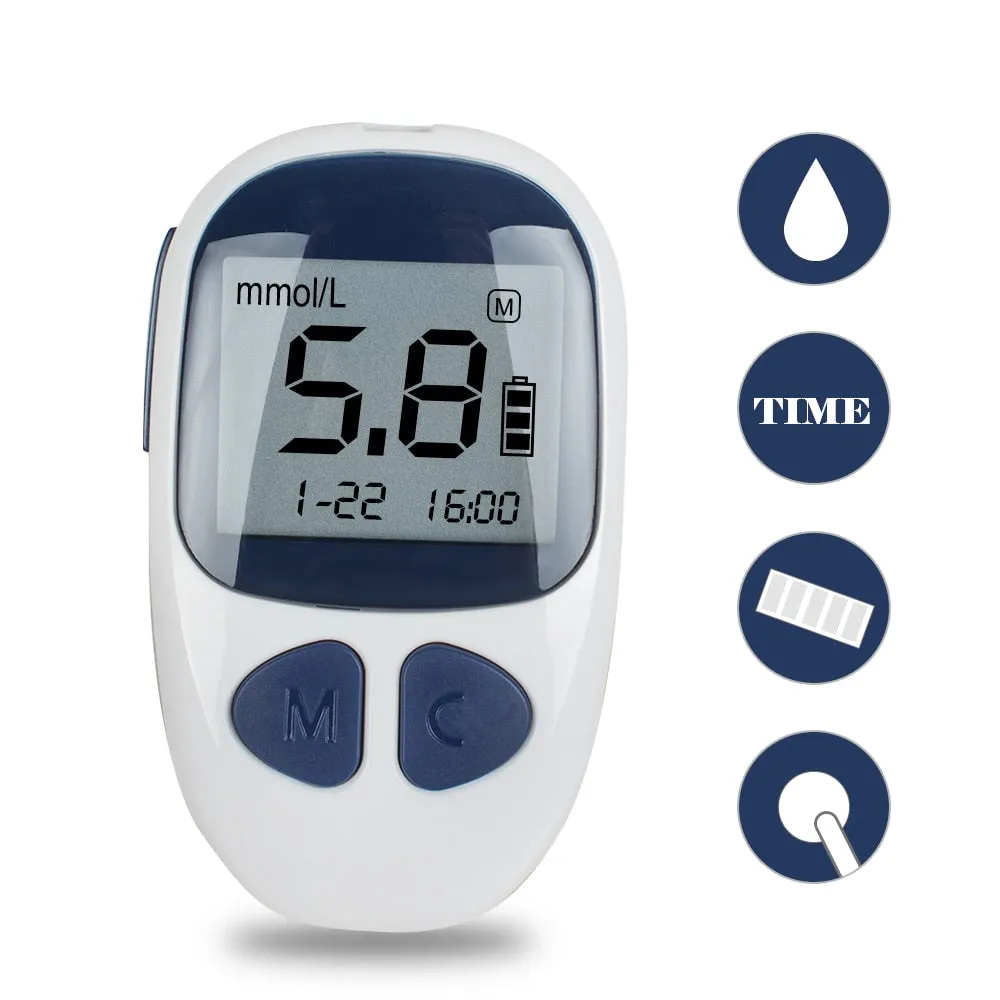
Hospital Supply HQ
Electronic Glucometer Digital Handheld Blood Glucose Monitor Diabetes Test Meter Monitor Kit With 50 Free Test Strips USA Ship
$41.99USD
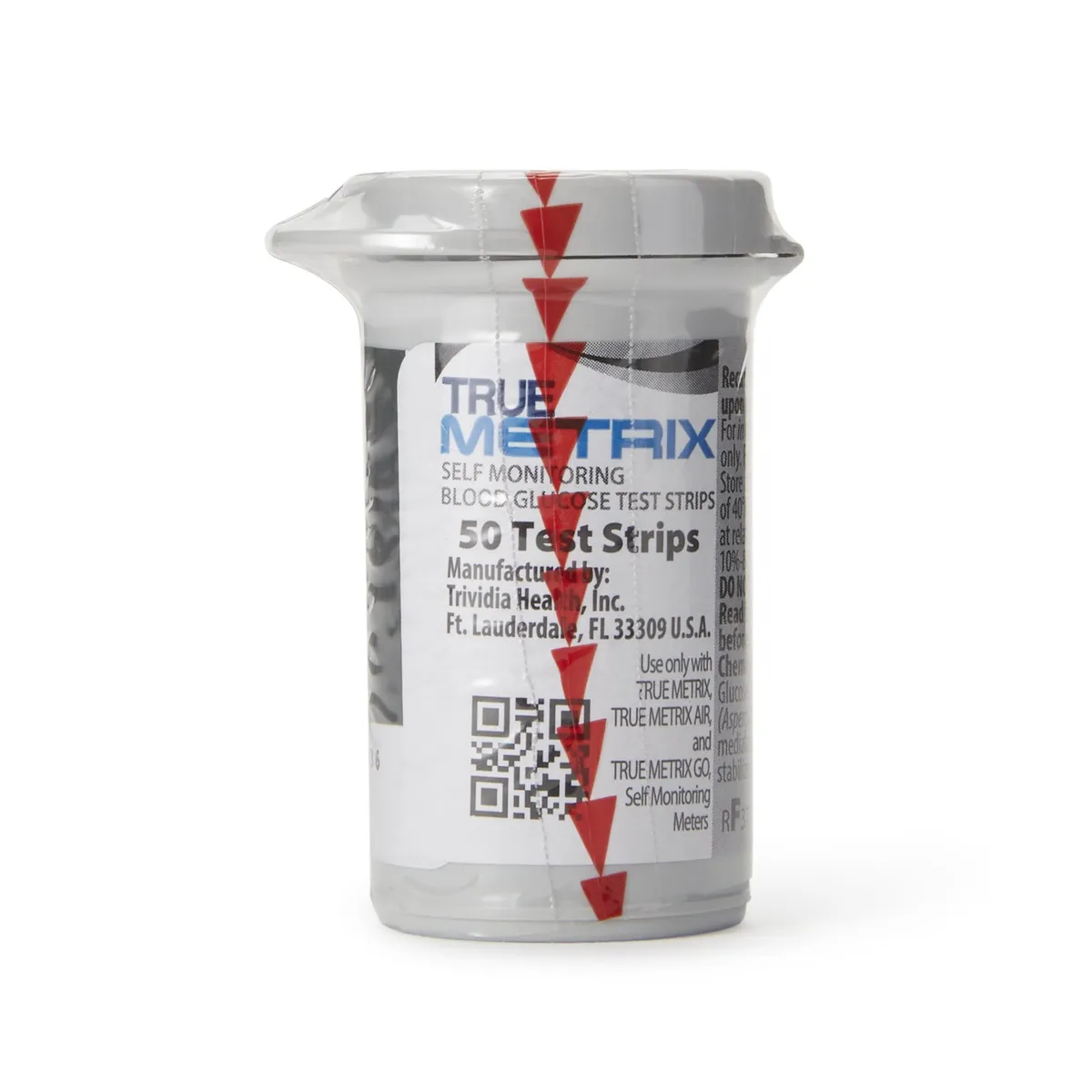
Nipro Diagnostics
TRUE METRIX® Blood Glucose Test Strips, 1 Case of 24
$605.49USD
Terumo Medical
Capiject® Safety Lancet, 1 Case of 2000
$382.49USD
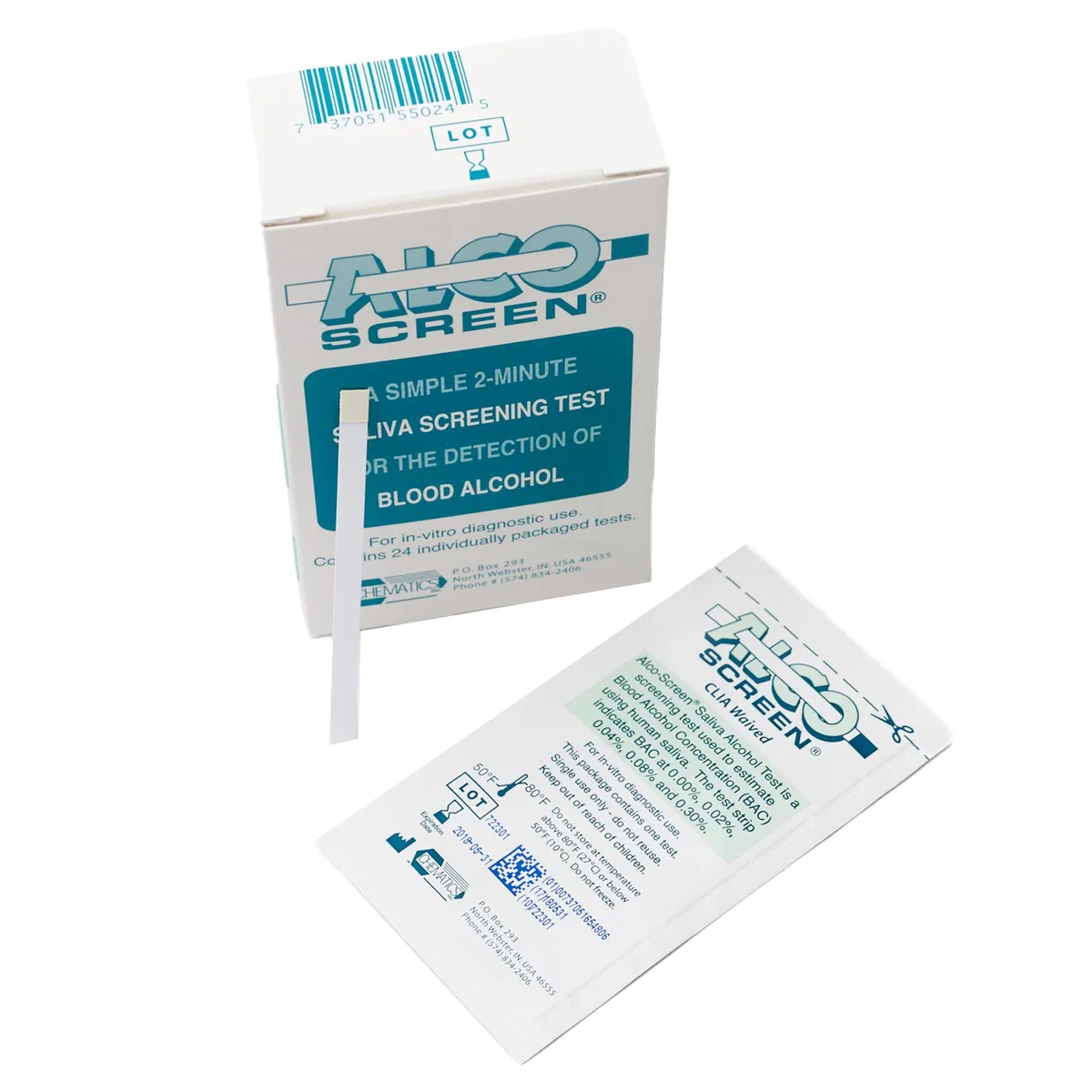
Chematics
Alco-Screen® Saliva Alcohol Rapid Test, 1 Case of 288
$833.99USD
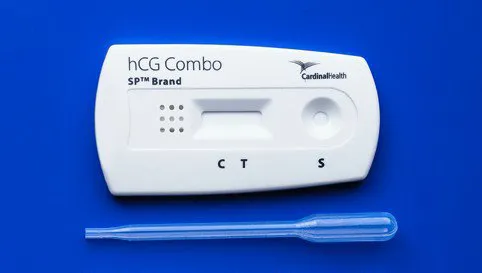
Cardinal
SP® Brand hCG Combo Pregnancy Fertility Rapid Test Kit, 1 Box of 30
$82.39USD
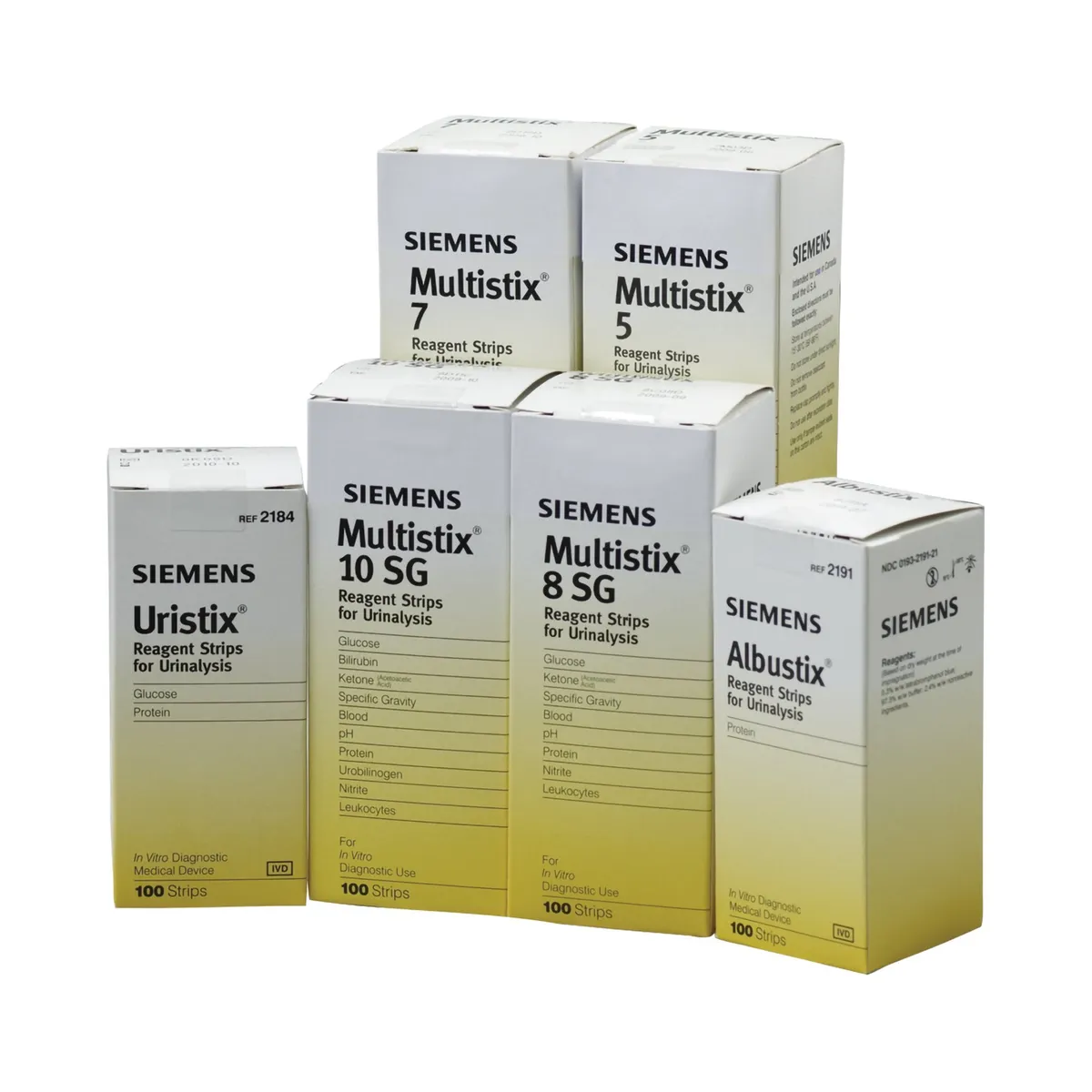
Siemens
URINE TEST STRIP, MULTISTIX 7 100'S 2165 (100/EA/BT 24BT/CS)
$1,584.99USD
Validated against ANSI/AAMI SP10 and ESH protocols for professional and home use.
Pediatric, adult, large adult, and thigh cuffs to match patient anatomy — proper cuff size is the #1 factor in accuracy.
Aneroid sphygmomanometers for clinical use and digital automated monitors for home and point-of-care.
Digital monitors store readings for trend tracking and clinical review.
Blood pressure monitors, stethoscopes, sphygmomanometers, and vital signs equipment for hospital, clinic, and home monitoring.
Select a cuff where the bladder width covers 40% of arm circumference. Wrong size is the most common cause of inaccurate readings.
Seated, back supported, feet flat, arm at heart level. Avoid recent caffeine, smoking, or exercise. Rest 5 minutes before reading.
Wrap the cuff around the bare upper arm, 1 inch above the antecubital fossa, with the artery marker over the brachial artery.
Inflate 20–30 mmHg above the estimated systolic. Deflate slowly (2–3 mmHg/sec). Record the first and last Korotkoff sounds for manual, or read the digital display.
Take 2–3 readings one minute apart and average. Document arm used, position, and any notes.
Clinical use information is provided for reference only. Always follow facility protocols, manufacturer instructions for use (IFU), and evidence-based practice guidelines. Consult the treating clinician before use.
Standards & Certifications
Trusted manufacturer
An established medical products manufacturer supplying clinical teams with quality healthcare supplies.
Answers to the questions clinical buyers and care teams ask most about this product category.
Upper arm monitors are more accurate because the brachial artery is closer to heart level and the surrounding tissue is consistent. Wrist monitors can be accurate if used with proper positioning (wrist at heart level), but upper arm is the clinical standard.
Measure the mid-upper arm circumference. The cuff should list a range that includes your measurement. If your arm is between sizes, choose the larger cuff. An undersized cuff gives falsely high readings; oversized gives falsely low.
'White-coat hypertension' raises BP at the clinic. Home readings can also differ due to cuff size, technique, time of day, and recent activity. Take home readings at the same time each day, seated and rested, and bring the log to your clinician.
Digital monitors should be checked annually against a calibrated aneroid or mercury reference. Aneroid sphygmomanometers should be calibrated every 6 months in clinical use. Most manufacturers offer recalibration services.
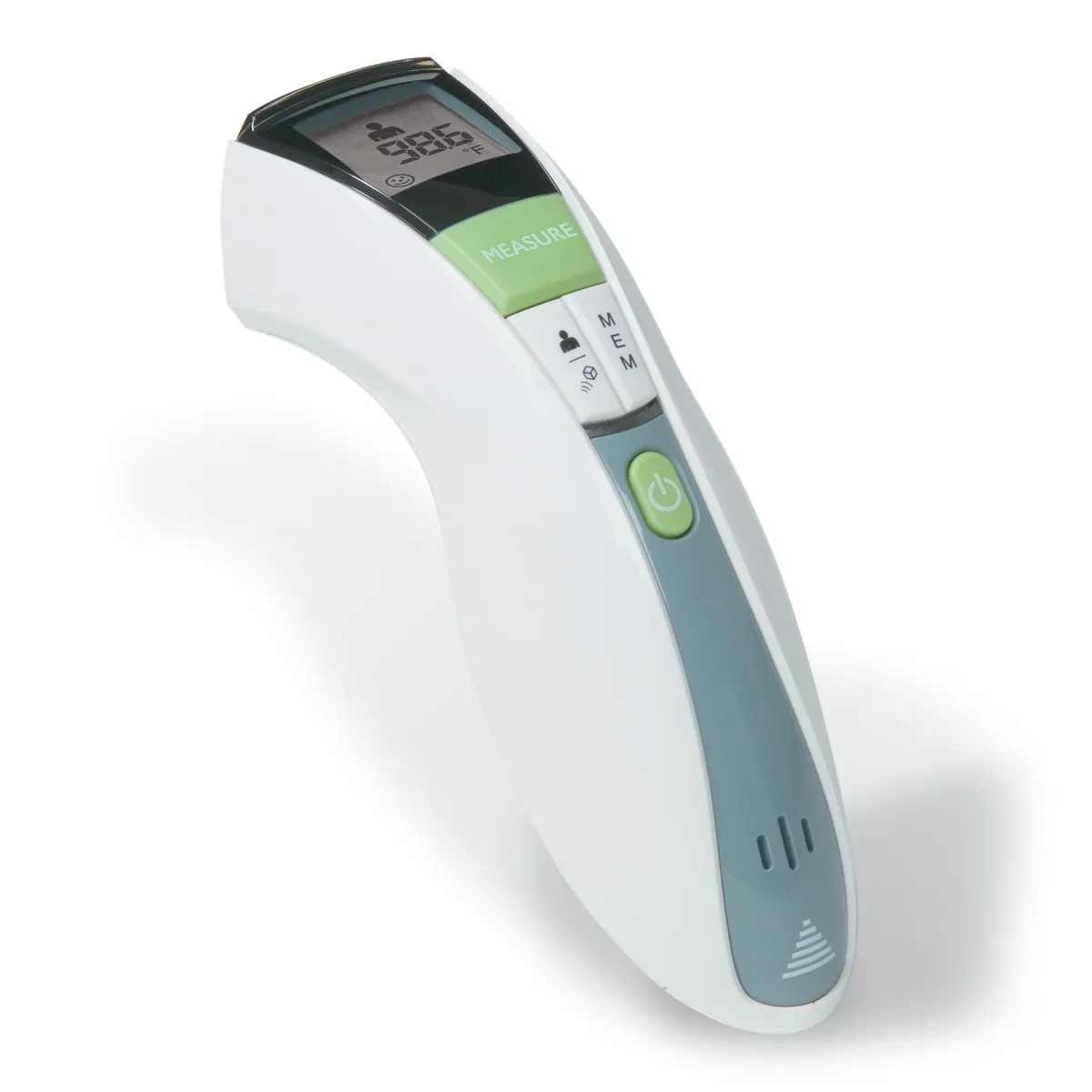
Veridian Healthcare LLC
Veridian Non-Contact Infrared Forehead Thermometer, 1 Case of 24
$924.99USD
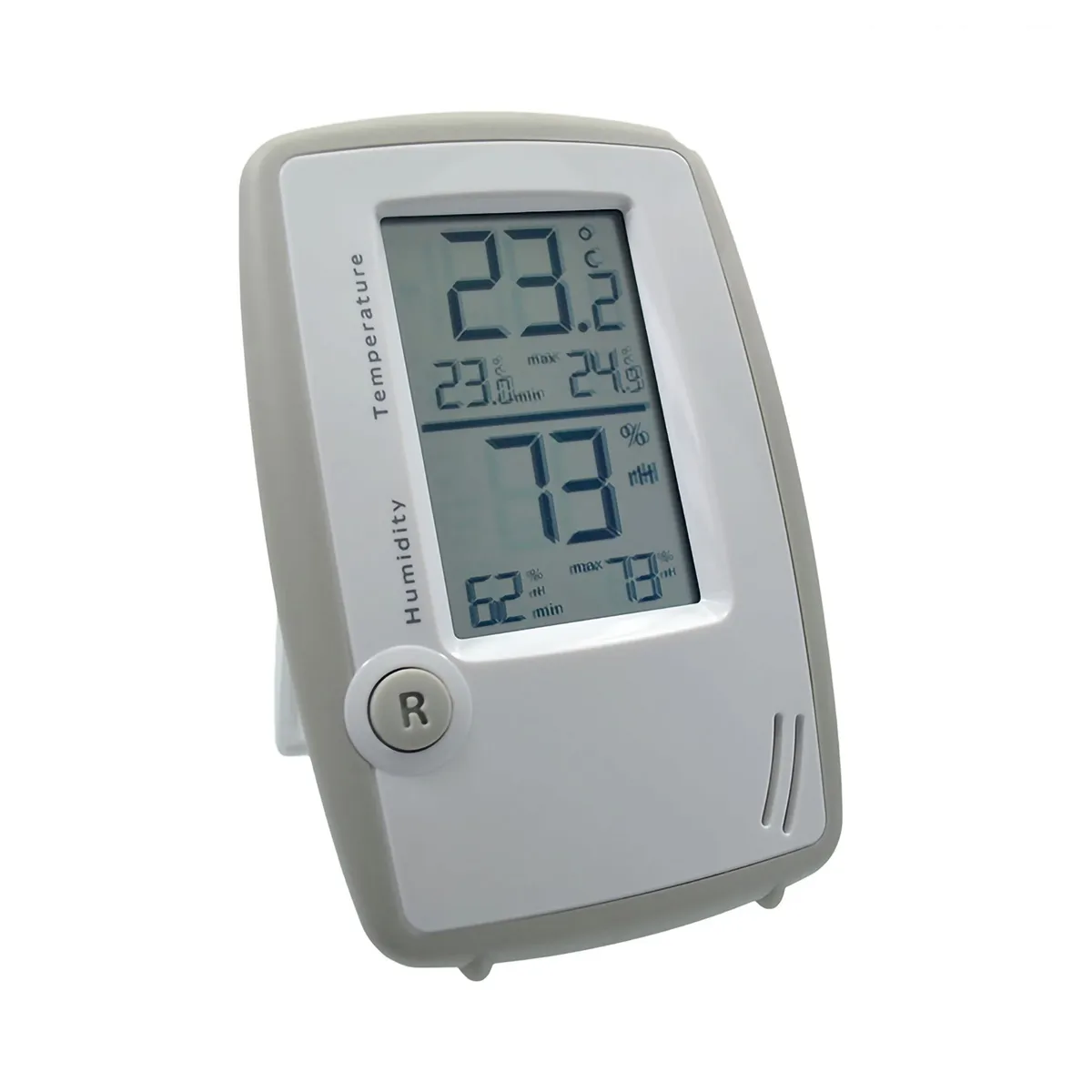
PANTek Technologies LLC
Andwin Scientific Ambient Temperature Thermometer / Hygrometer, 1 Each
$87.79USD
Exergen
Exergen Probe Wrap Thermometer Probe Cover, 1 Case of 10
$135.61USD
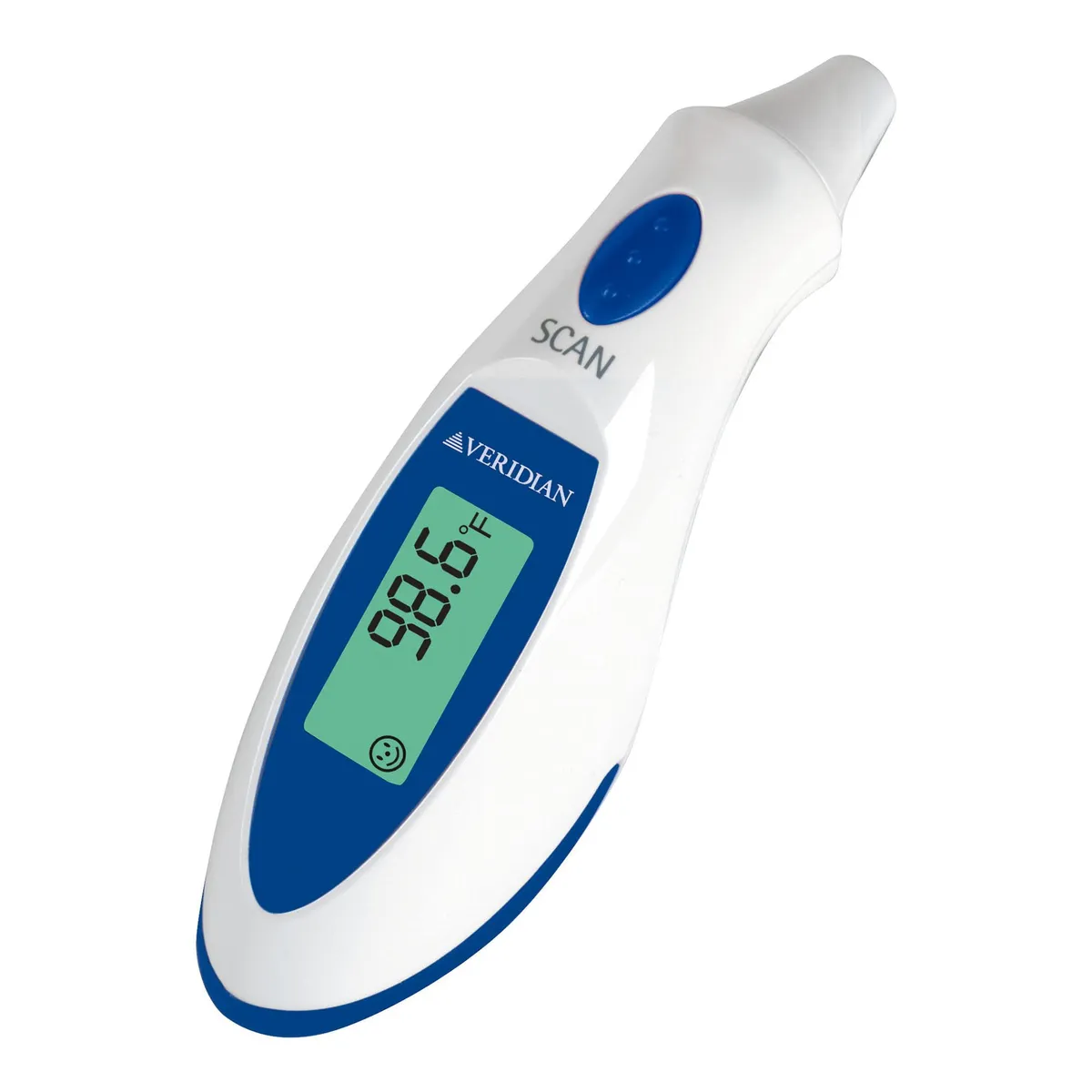
Veridian Healthcare LLC
Veridian Instant Ear Thermometer, 1 Each
$41.05USD
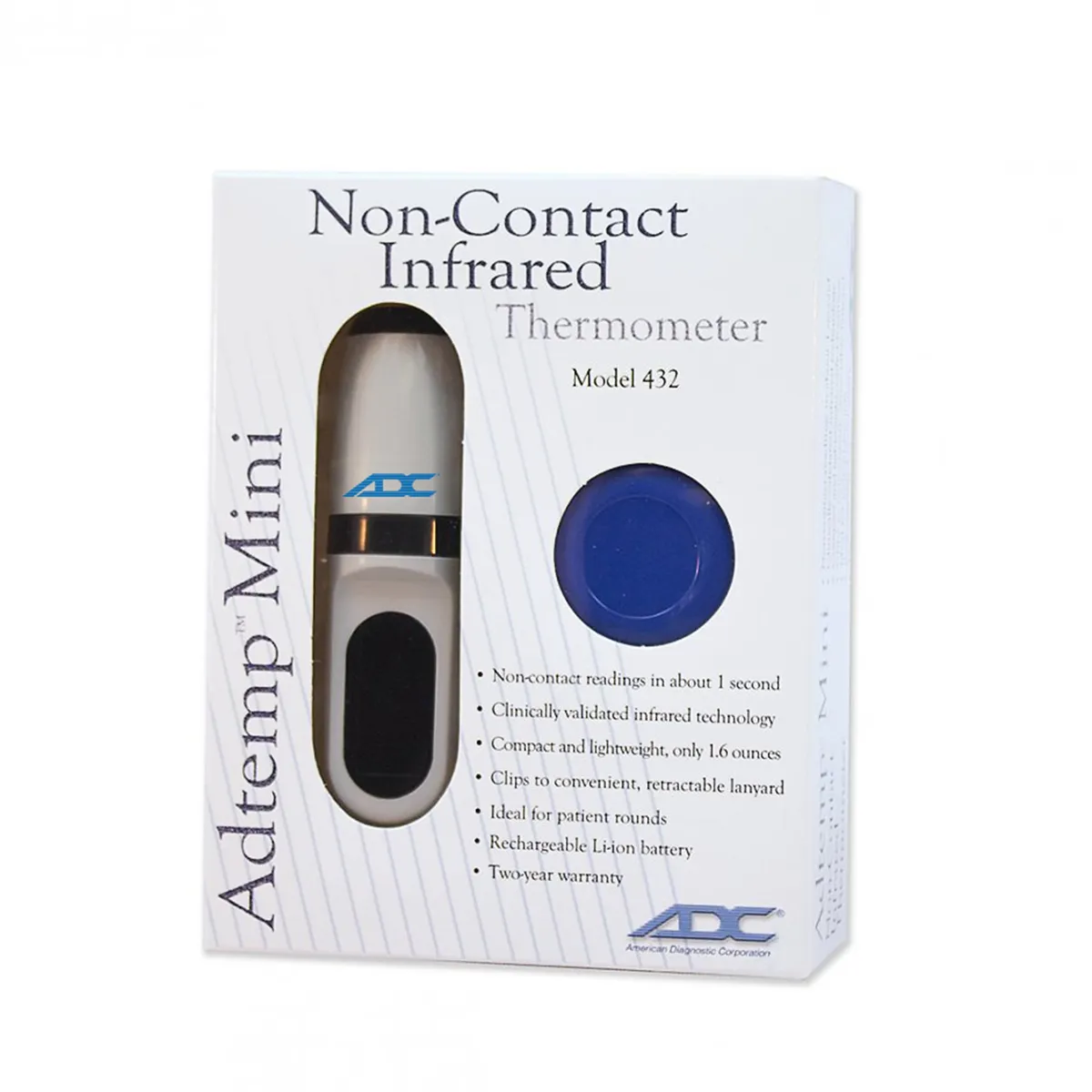
American Diagnostic Corp
AdTemp™ Mini Non-Contact Thermometer, 1 Each
$61.90USD
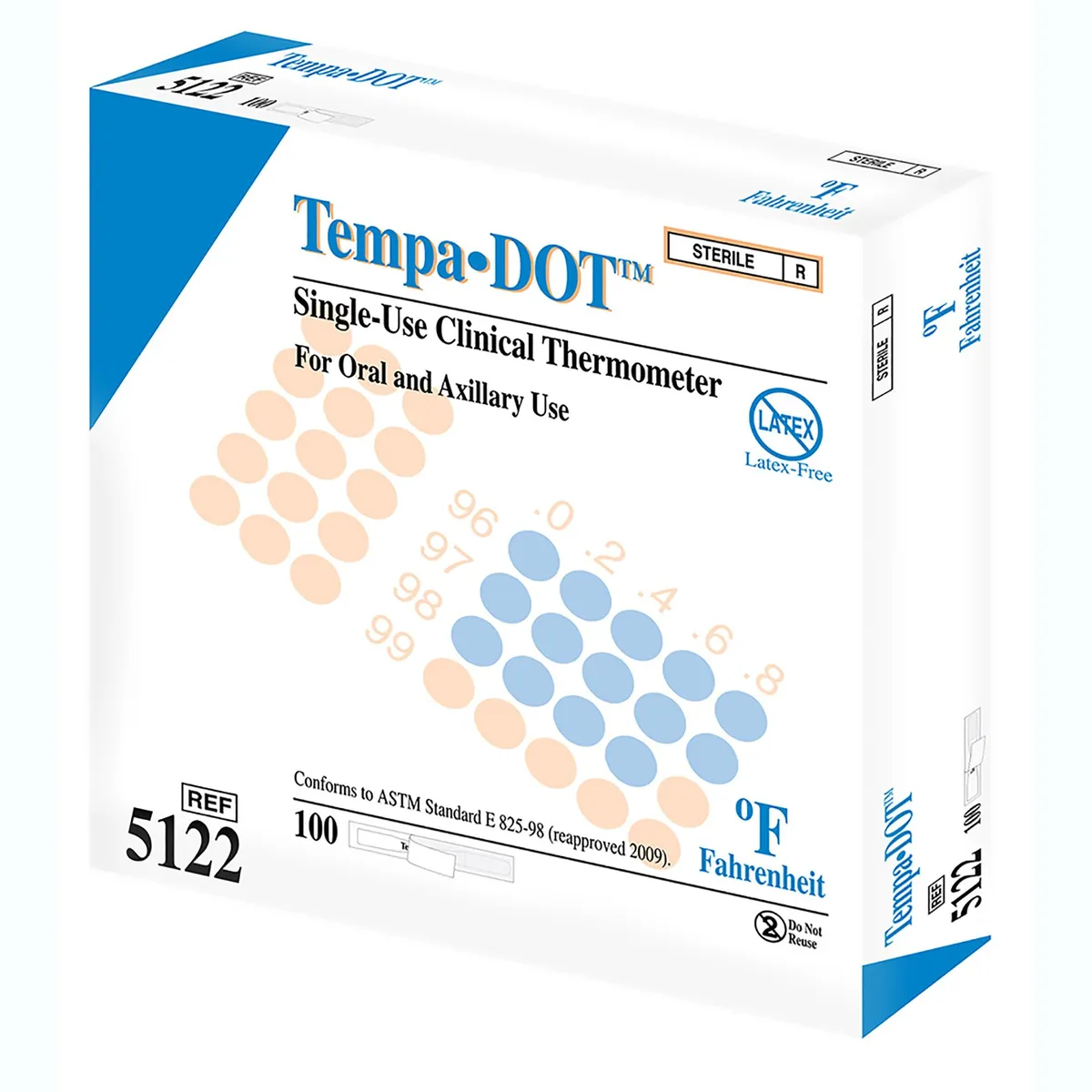
Medical Indicators
Medical Indicators Tempa·DOT™ Oral / Axillary Thermometer, 1 Box of 100
$66.39USD
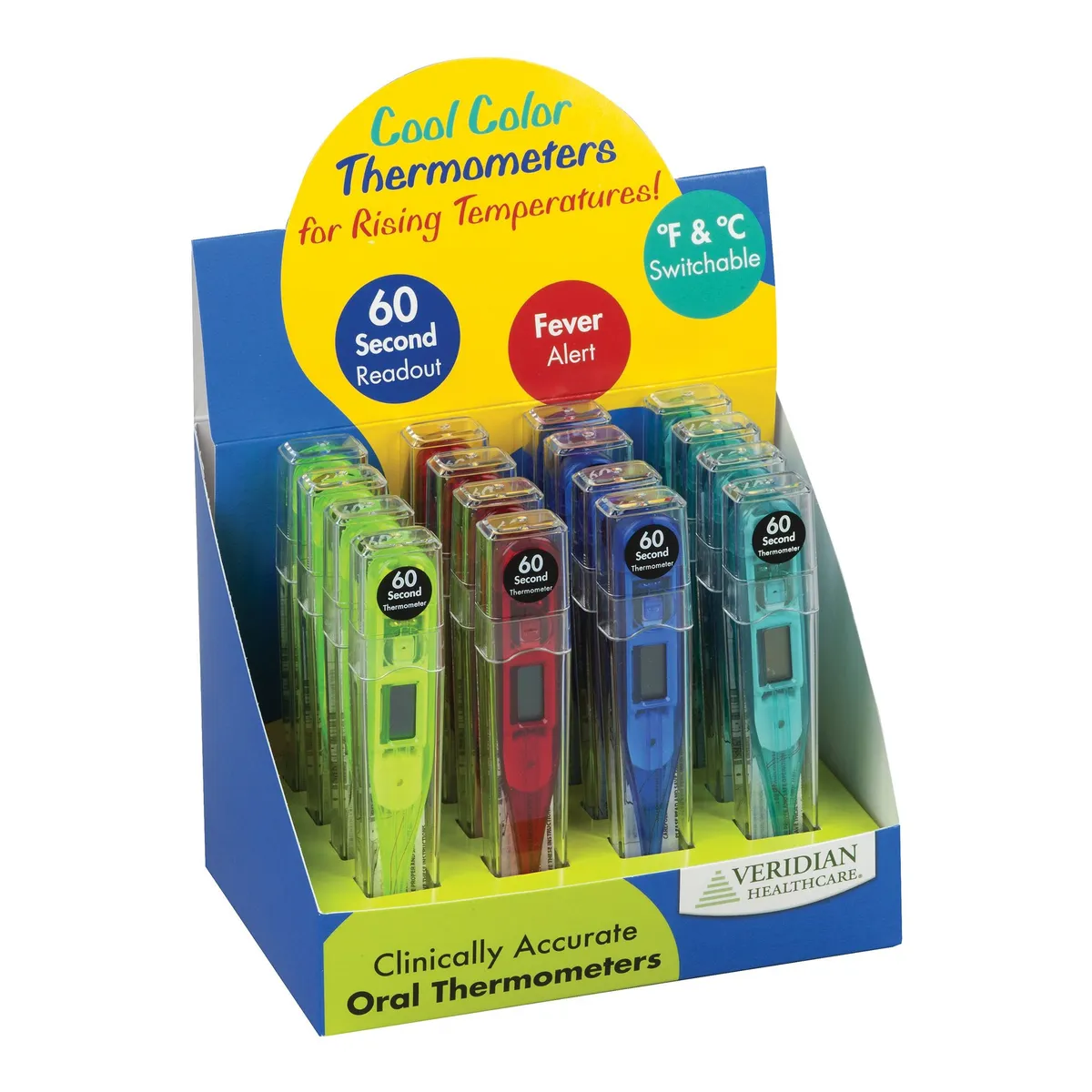
Veridian Healthcare LLC
60 Second Digital Thermometers, 16 Piece Display, 1 Case of 128
$398.30USD
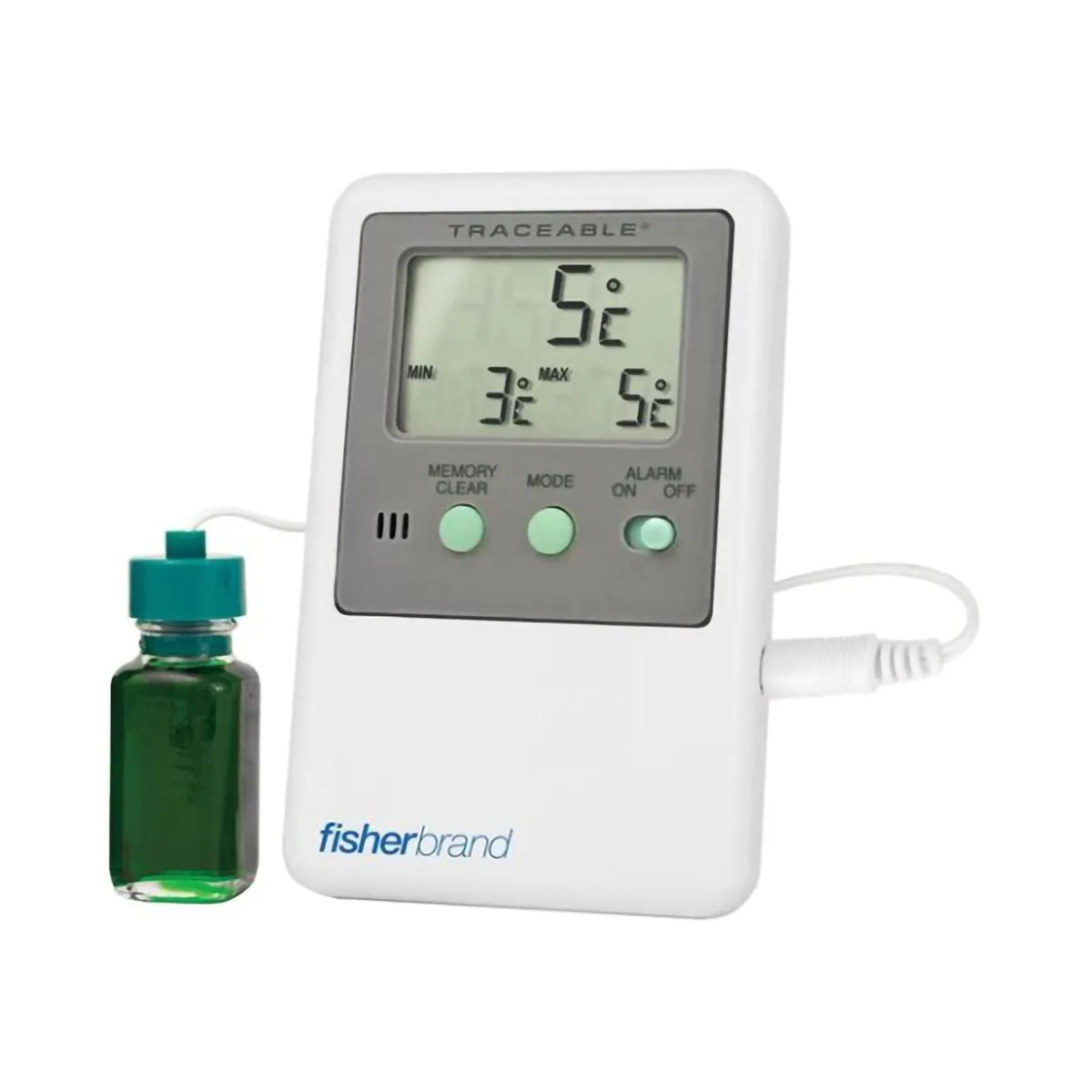
PANTek Technologies LLC
Fisherbrand™ Traceable® Refrigerator / Freezer Thermometer, 1 Each
$94.16USD
$20.99USD
$40.08USD
Save $19.09In stock. Order by 2pm PST for same-day processing.
In stock
Ships from our western US warehouses
Fast shipping
Same-day processing before 2pm PST
30-day returns
Hassle-free on eligible orders
HSA / FSA
Eligible for most medical accounts
$20.99USD
$40.08USD
Clinical Evidence
Internal and emergency medicine
Systematic review and network meta-analysis of the accuracy and reproducibility of digital, infrared and mercury-in-glass thermometers for measuring body temperature, using rectal thermometry as reference.
Key Findings
Sample Size
46 studies, more than 12,000 patients
Annals of internal medicine
Systematic review and meta-analysis of prospective studies comparing peripheral thermometers (tympanic, temporal artery, axillary, oral) with central thermometers in adults and children.
Key Findings
Sample Size
75 studies, 8682 patients
Journal of travel medicine
Systematic review and meta-analysis of the diagnostic accuracy of handheld non-contact infrared thermometers and thermal scanners for detecting fever.
Key Findings
Sample Size
30 studies (19 in meta-analysis)
Clinical evidence is provided for informational purposes only. Healthcare professionals should evaluate products based on their clinical judgment and patient-specific factors. Links to external studies are provided as references and do not constitute endorsement. Always refer to the manufacturer's instructions for use.