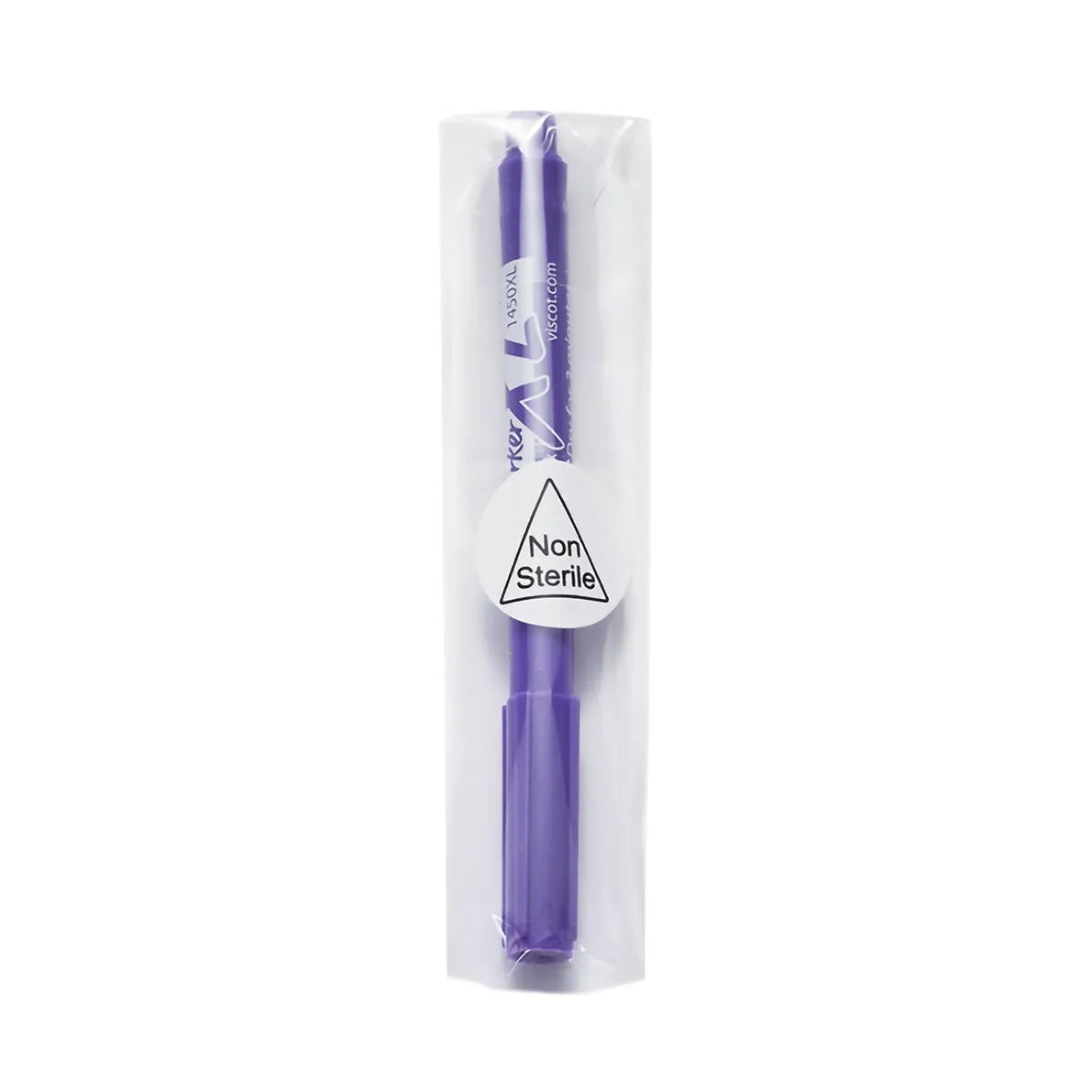
Prepare the wound.
Clean and dry the wound edges. Tincture of benzoin may be applied around (not into) the wound to improve adhesion.
Other sizes, pack counts, and variants of the same product line.
Products commonly used alongside this one. Bundle them into a single order.
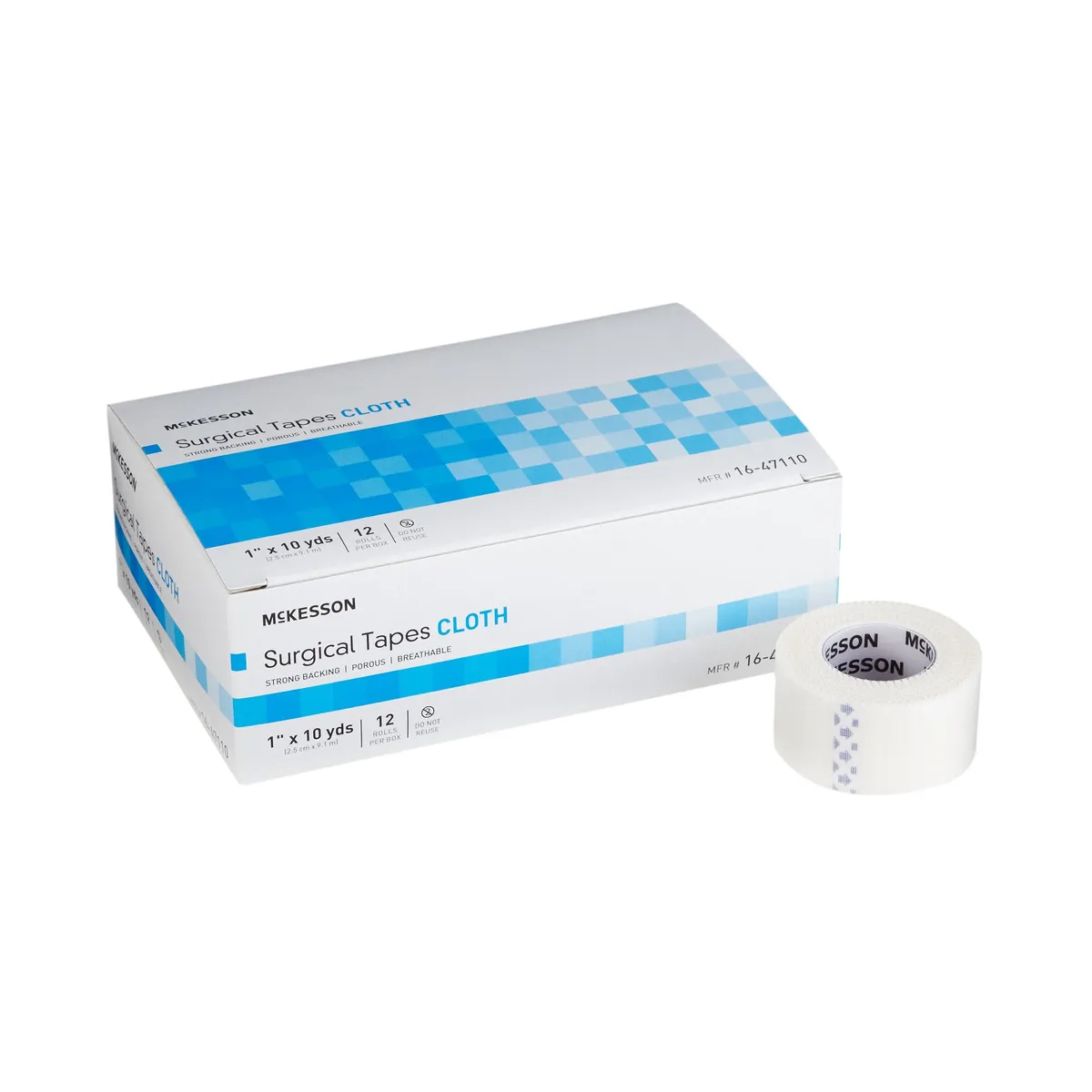
McKesson Brand
McKesson Silk-Like Cloth Medical Tape, 1 Inch x 10 Yard, White, 1 Box of 12
$27.94USD
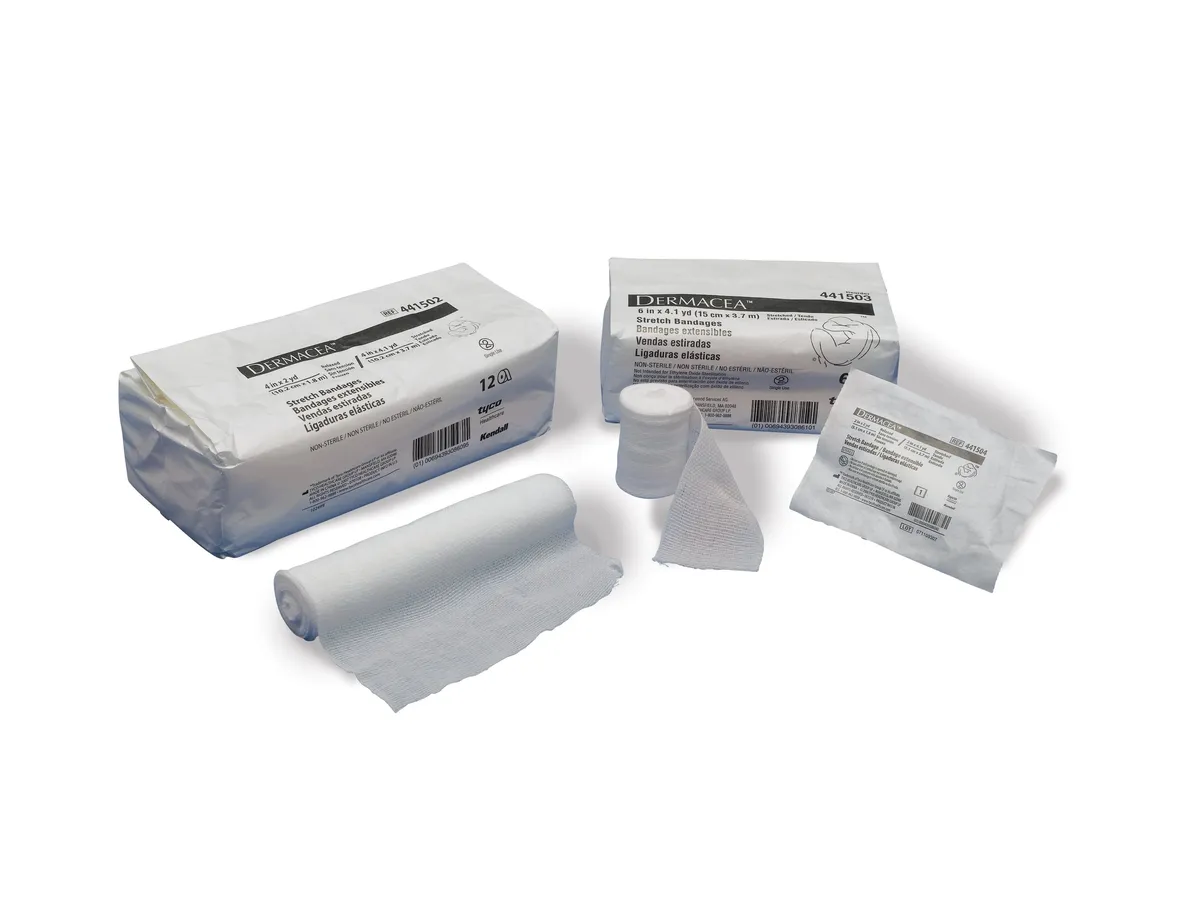
Cardinal
Dermacea™ NonSterile Fluff Bandage Roll, 4-1/2 Inch x 4-1/8 Yard, 1 Case of 100
$145.29USD
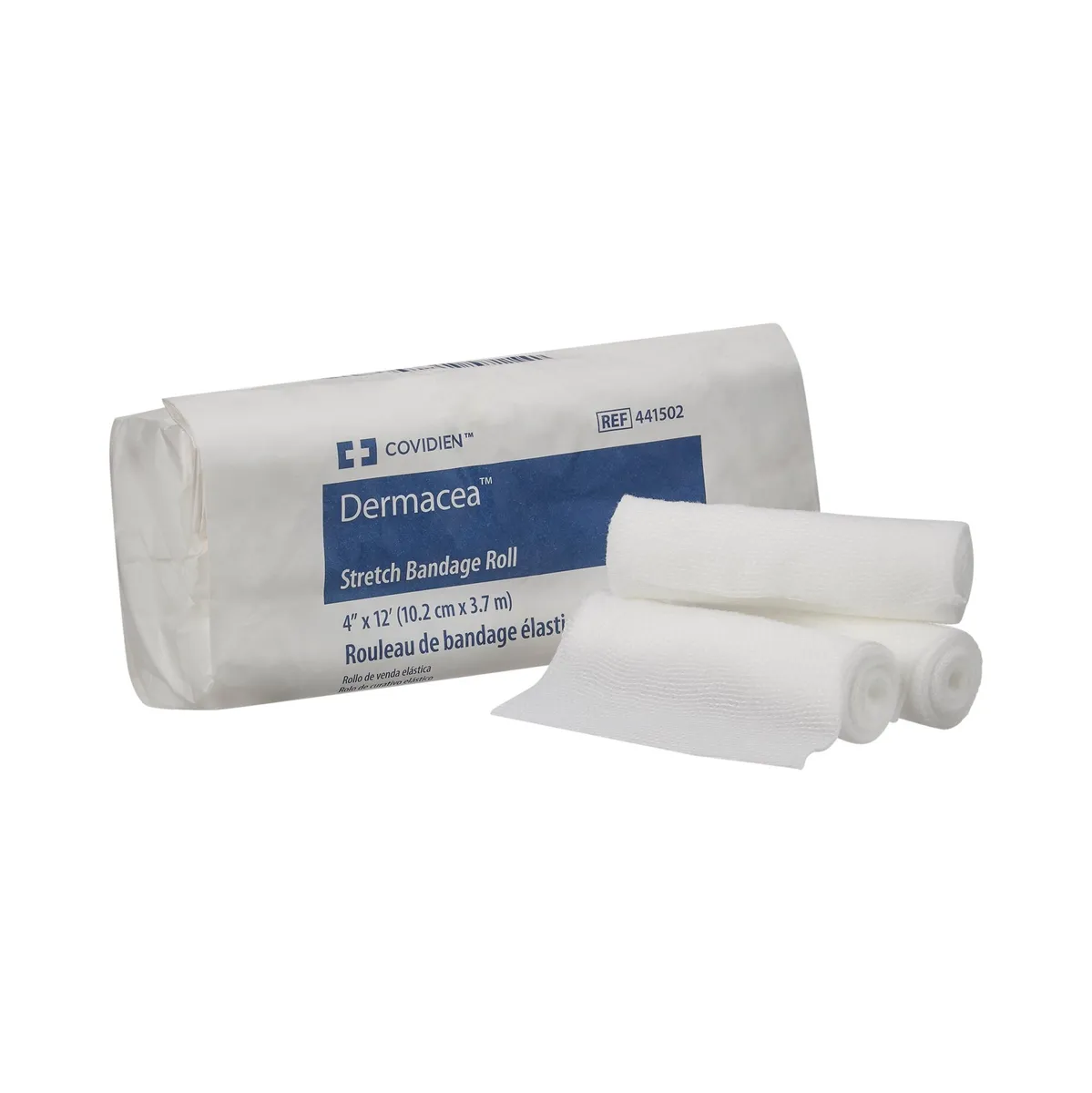
Cardinal
Dermacea™ Conforming Bandage, 4 Inch x 4 Yard, 1 Bag of 12
$20.13USD
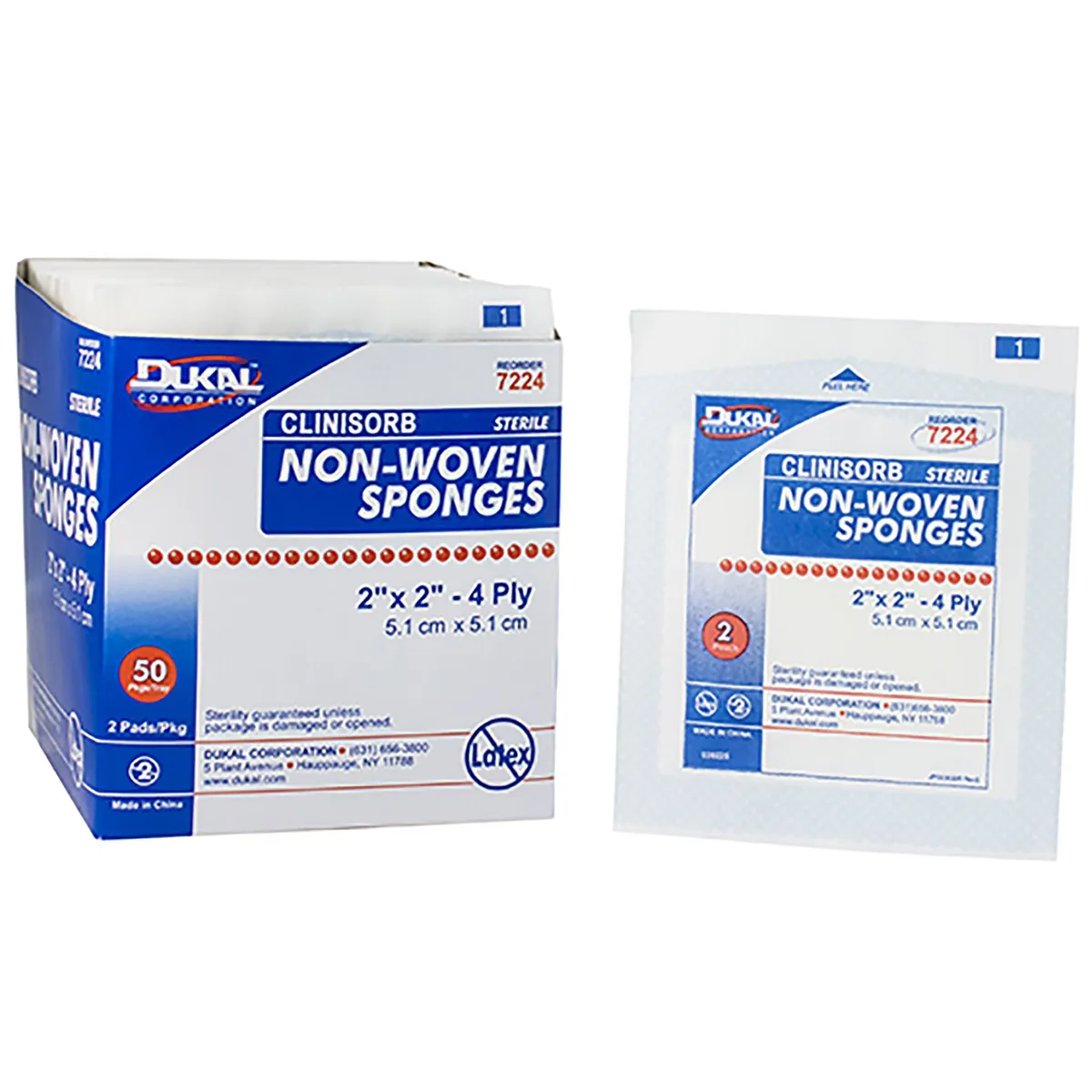
Dukal
Clinisorb Sterile Nonwoven Sponge, 2 x 2 Inch, 1 Box of 50
$17.81USD
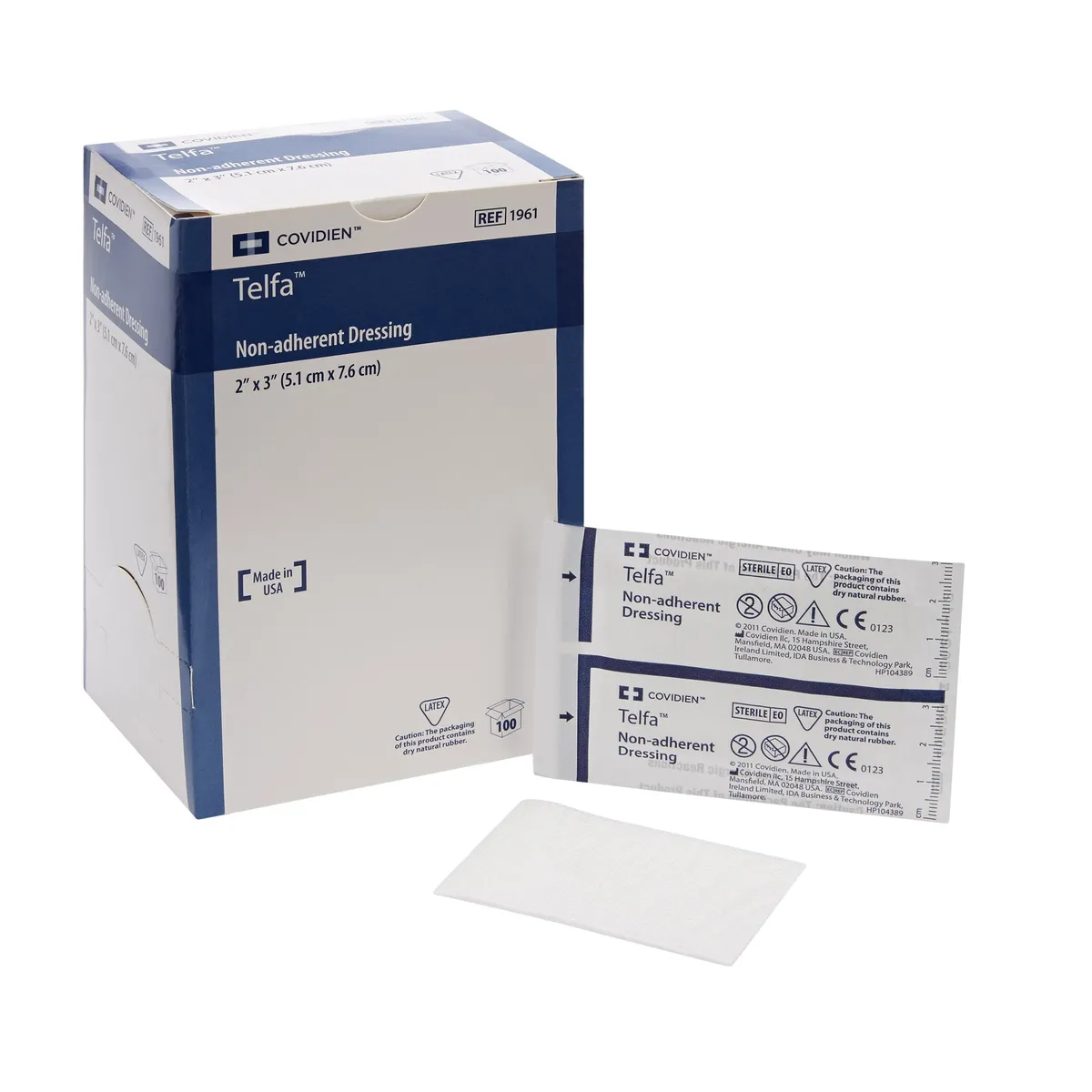
Cardinal
Telfa™ Ouchless Nonadherent Dressing, 2 x 3 Inch, 1 Carton of 100
$32.02USD
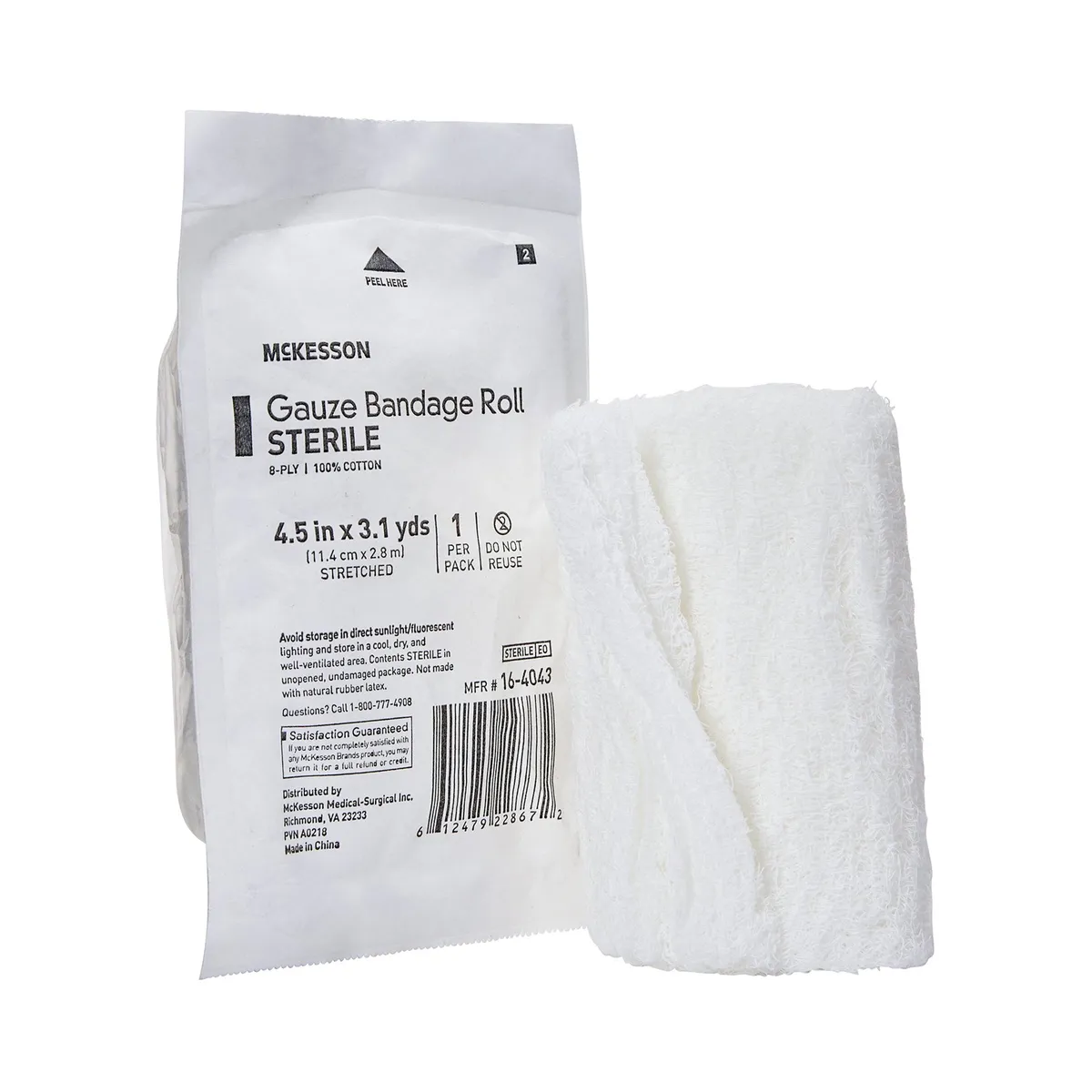
McKesson Brand
McKesson Sterile Fluff Bandage Roll, 4-1/2 Inch x 3-1/10 Yard, 1 Case of 100
$133.49USD
Adhesive closure strips approximate clean wound edges without needle or suture — faster than sutures, no removal required, and better cosmetic outcome on low-tension wounds.
Porous backing allows wound exudate to escape while maintaining adhesion and tension across the closure site.
Sterile skin markers produce visible, non-bleeding ink that survives prep solutions and remains readable through the surgical drape.
Pre-operative site marking is a core element of the WHO Surgical Safety Checklist and Joint Commission's Universal Protocol.
Adhesive skin closure strips provide sutureless wound closure for low-tension lacerations and surgical incisions; sterile surgical skin markers are used for pre-operative marking, anatomic landmarks, and WHO Safe Surgery time-out compliance.
Clean and dry the wound edges. Tincture of benzoin may be applied around (not into) the wound to improve adhesion.
Appose wound edges with forceps. Apply the first strip at the midpoint, then work outward alternating sides.
For longer wounds, place cross-hatching strips perpendicular to the closure strips to distribute tension.
Use a sterile skin marker to mark the intended surgical site per facility policy. Marking must be visible after prep and drape.
Document wound dimensions, closure method, and aftercare instructions. Strips typically fall off at 7–14 days.
Clinical use information is provided for reference only. Always follow facility protocols, manufacturer instructions for use (IFU), and evidence-based practice guidelines. Consult the treating clinician before use.
Standards & Certifications
A spec-by-spec comparison with the most common alternatives in the skin closure & surgical markers category. Clinical interchangeability varies — always verify with your care team or facility protocol.
| Spec | This product Mini Skin Marker, 1 Case of 200 | Alimed Viscot™ Mini Pre Surgical Skin Marker, 1 Box of 100 | Viscot Industries Mini XL Skin Marker, 1 Each | Viscot Industries EZ Removable Ink™ Mini Skin Marker, 1 Carton of 30 |
|---|---|---|---|---|
| Sterility | Non-sterile | — | — | — |
| Single-Use | Single-use | Single-use | Single-use | Single-use |
Comparison is provided for reference only. Brand names and trademarks belong to their respective owners. Specific SKUs may differ from category averages shown above.
Trusted manufacturer
An established medical products manufacturer supplying clinical teams with quality healthcare supplies.
Answers to the questions clinical buyers and care teams ask most about this product category.
Closure strips work best for clean, superficial, low-tension lacerations and for reinforcing surgical sites after suture/staple removal. Deep wounds, high-tension areas (scalp, joints, palms), and heavily contaminated wounds need sutures or staples.
Typically 7–14 days. They fall off spontaneously as epithelialization completes. Patients should not peel them off early — this can disrupt the closure.
Benzoin (tincture or spray) improves adhesion, especially in areas with oily skin or perspiration. Apply to the skin around the wound only — never into the wound bed.
Surgical skin markers used after skin prep and draping must be sterile and non-bleeding under antiseptic solutions. Non-sterile markers are used before prep. Select the marker type based on when during the workflow you're marking.
Brief showers are usually OK after 24–48 hours. Avoid soaking, swimming, or scrubbing the wound. Pat dry — don't rub. Follow the specific wound-care instructions from the provider.
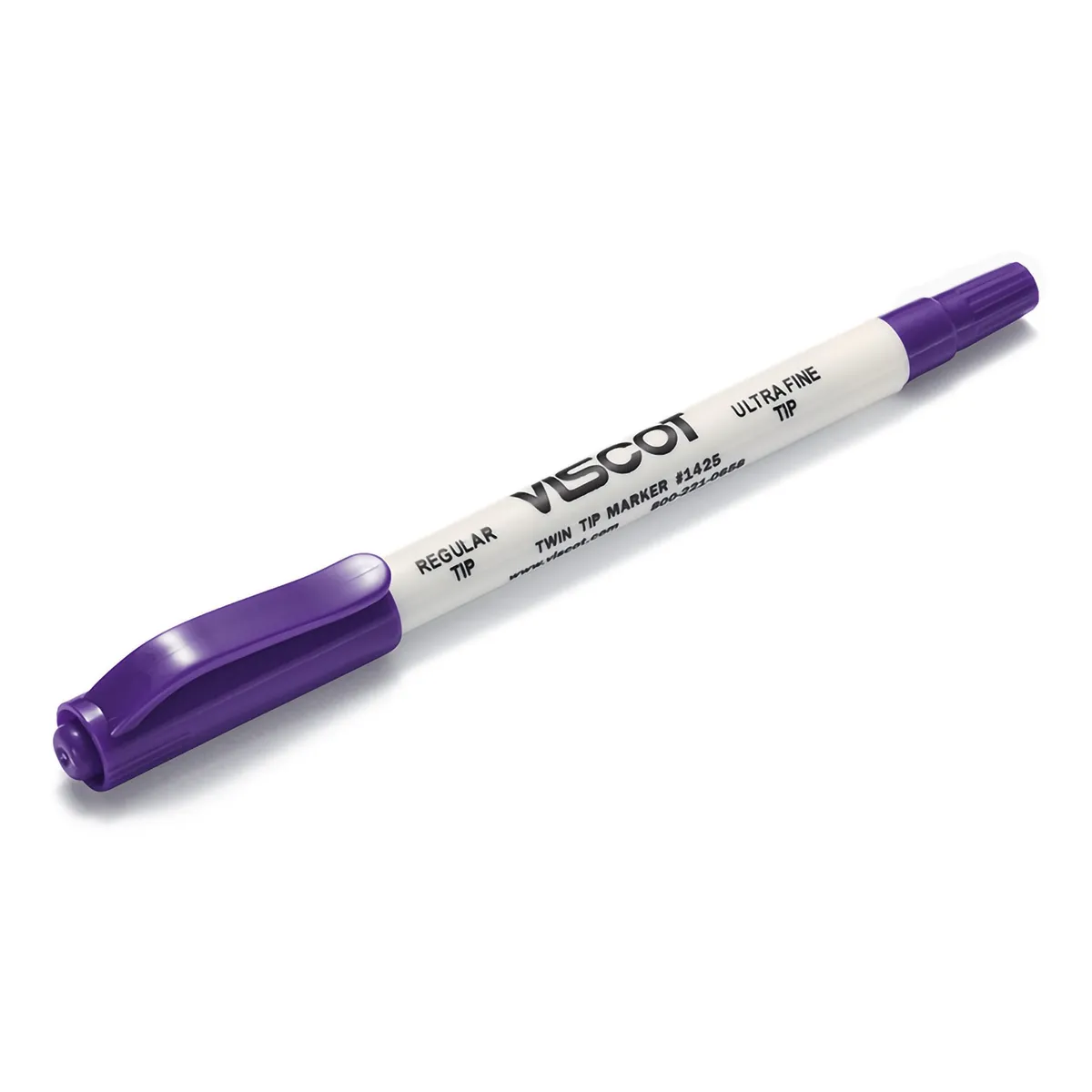
Viscot Industries
Twin Tip 1425 Skin Marker, 1 Each
$15.83USD
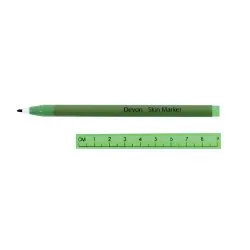
Cardinal
Devon™ Surgical Skin Marker, 1 Box of 25
$66.07USD
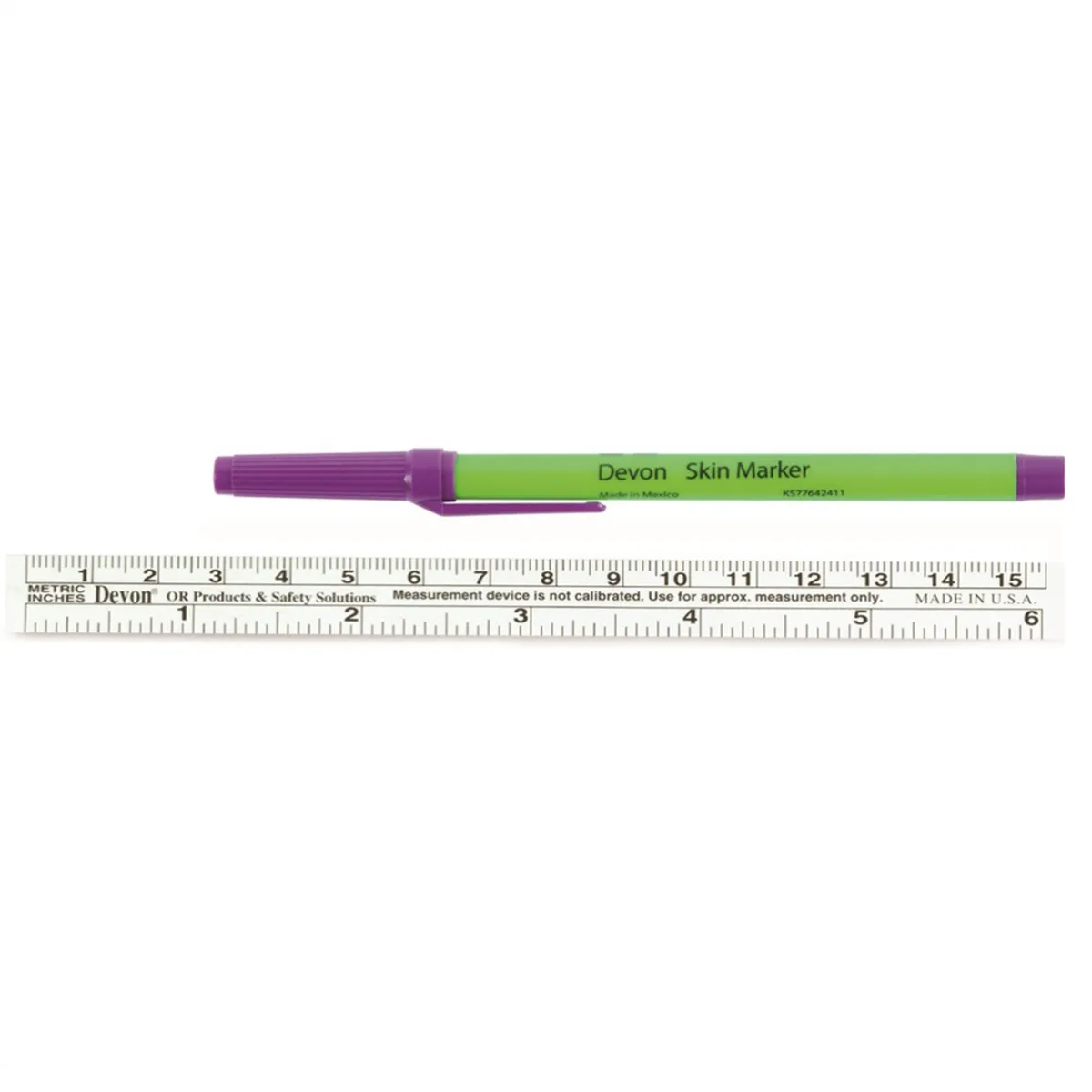
Cardinal
Devon™ Surgical Skin Marker, Fine Tip, 1 Box of 25
$64.34USD
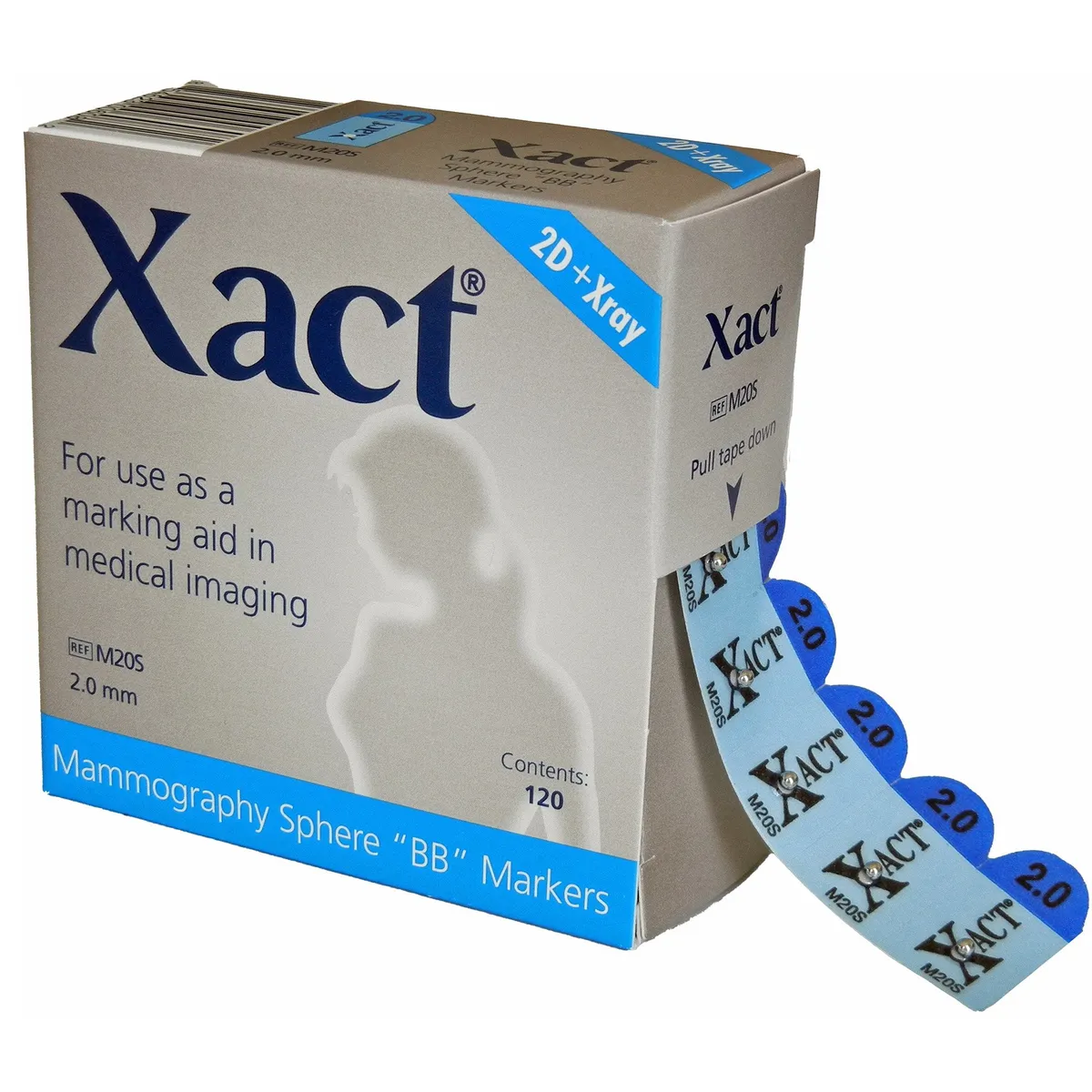
Solstice
MARKER, NIPPLE NON-LEAD METAL 2.0MM BB F/MAMMO (120/BX)
$54.20USD
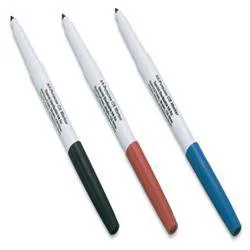
Cardinal
Devon™ Surgical Skin Marker, 1 Each
$16.93USD
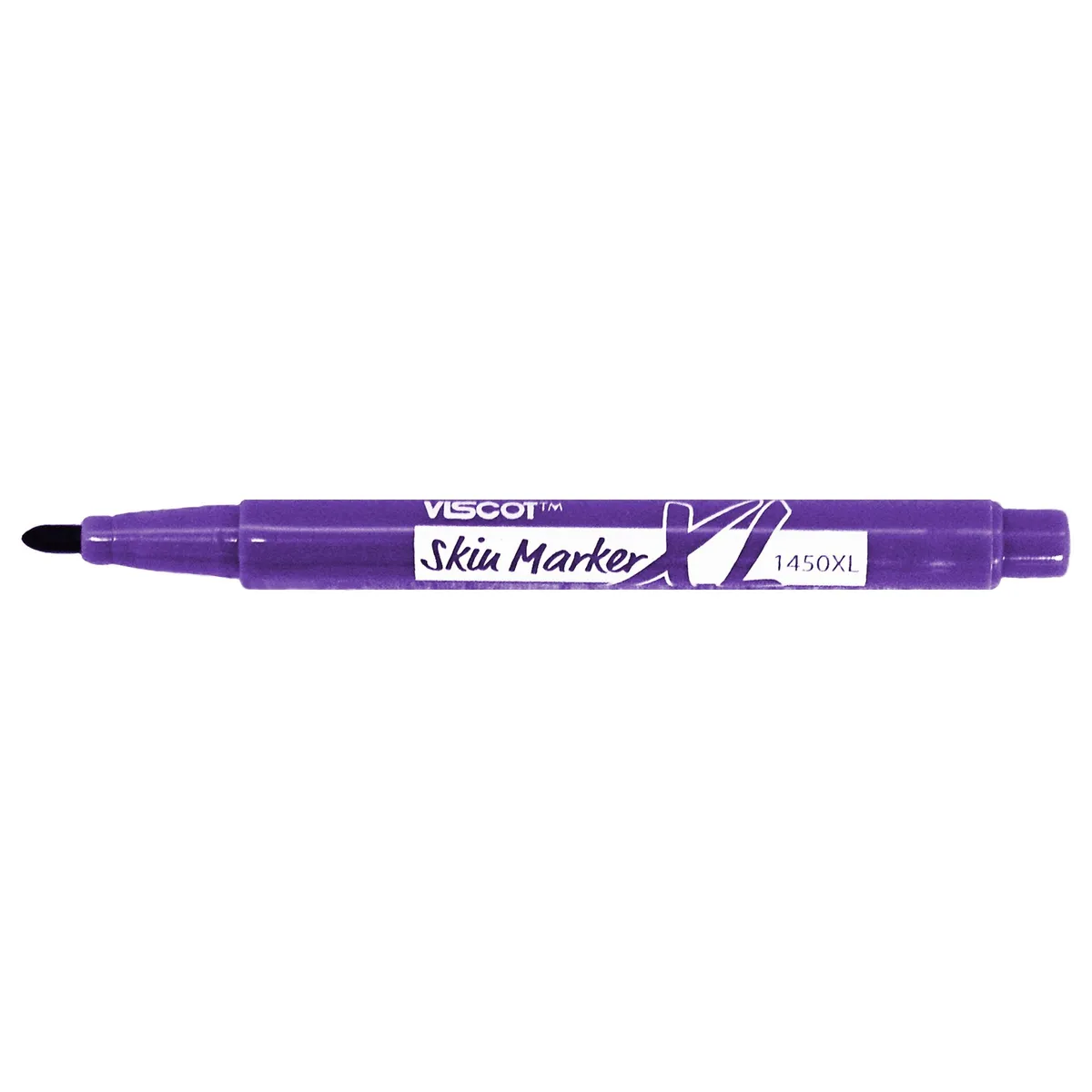
Viscot Industries
Mini XL Skin Marker, 1 Case of 100
$185.15USD
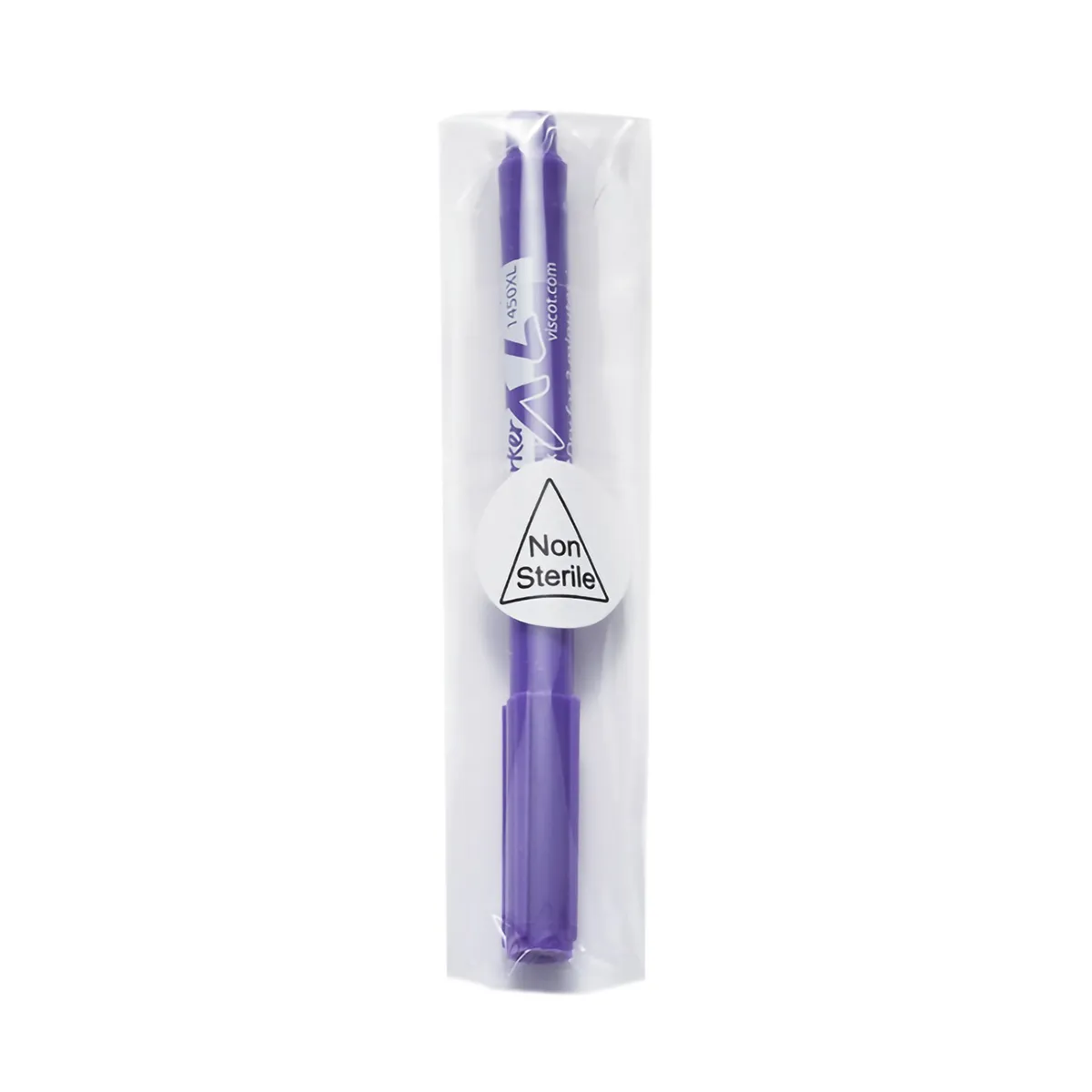
Viscot Industries
Mini XL Skin Marker, 1 Each
$14.20USD
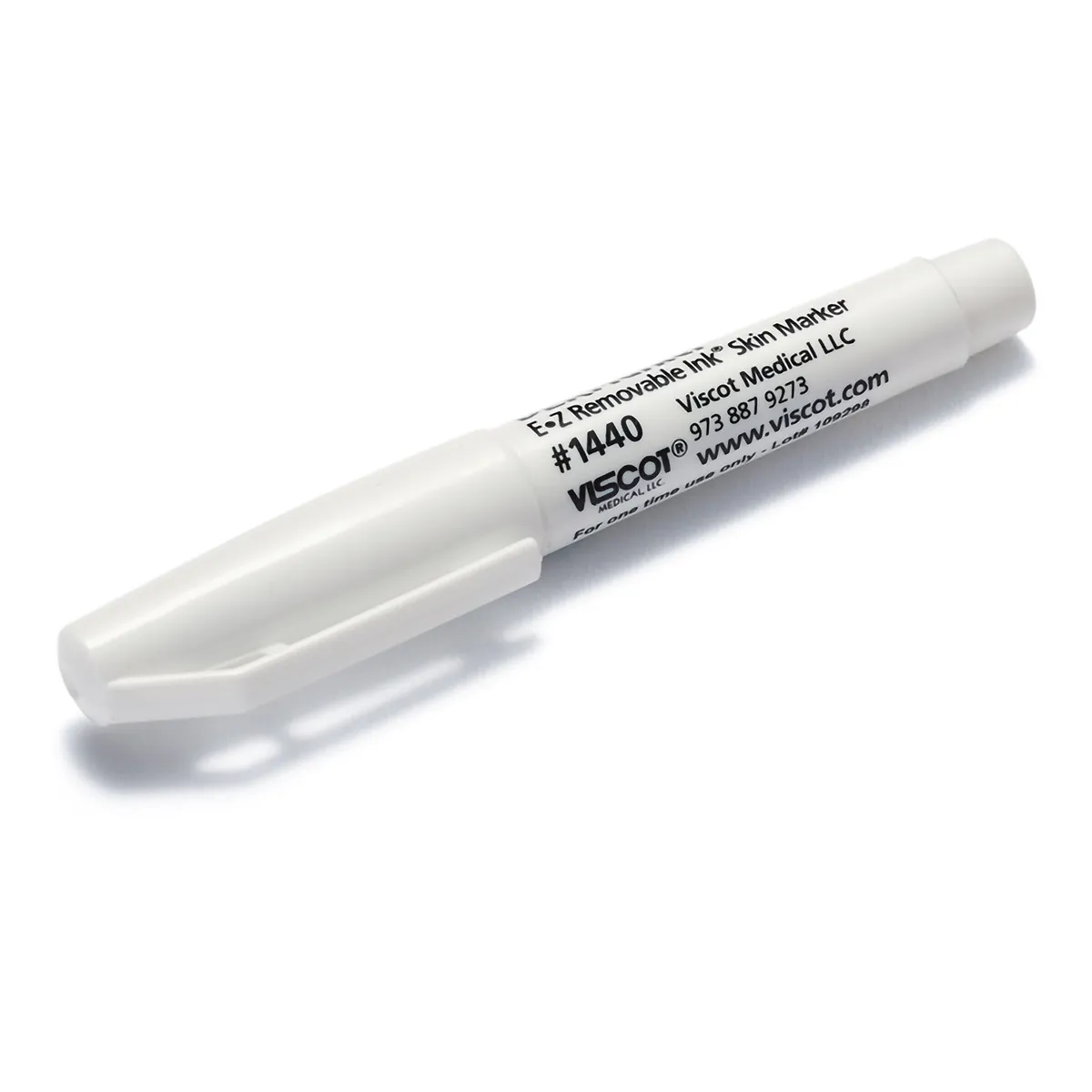
Viscot Industries
MARKER, SKIN EZ REMVB INK WHT (30/BX 8BX/CS)
$37.97USD
$118.13USD
$119.85USD
Save $1.72$0.59 each, 200 per pack
In stock. Order by 2pm PST for same-day processing.
In stock
Ships from our western US warehouses
Fast shipping
Same-day processing before 2pm PST
30-day returns
Hassle-free on eligible orders
HSA / FSA
Eligible for most medical accounts
$118.13USD
$119.85USD
Clinical Evidence
Cureus
A small single-institution study cultured reusable surgical marking pens used in a plastic surgery office, compared them with sterile pens, and tested marks after povidone-iodine skin prep.
Key Findings
Sample Size
25 cultures
Clinical evidence is provided for informational purposes only. Healthcare professionals should evaluate products based on their clinical judgment and patient-specific factors. Links to external studies are provided as references and do not constitute endorsement. Always refer to the manufacturer's instructions for use.