OT evaluation first.
Occupational therapist assesses patient ADL deficits and prescribes specific adaptive aids. Random selection without evaluation wastes money and misses the need.
Products commonly used alongside this one. Bundle them into a single order.
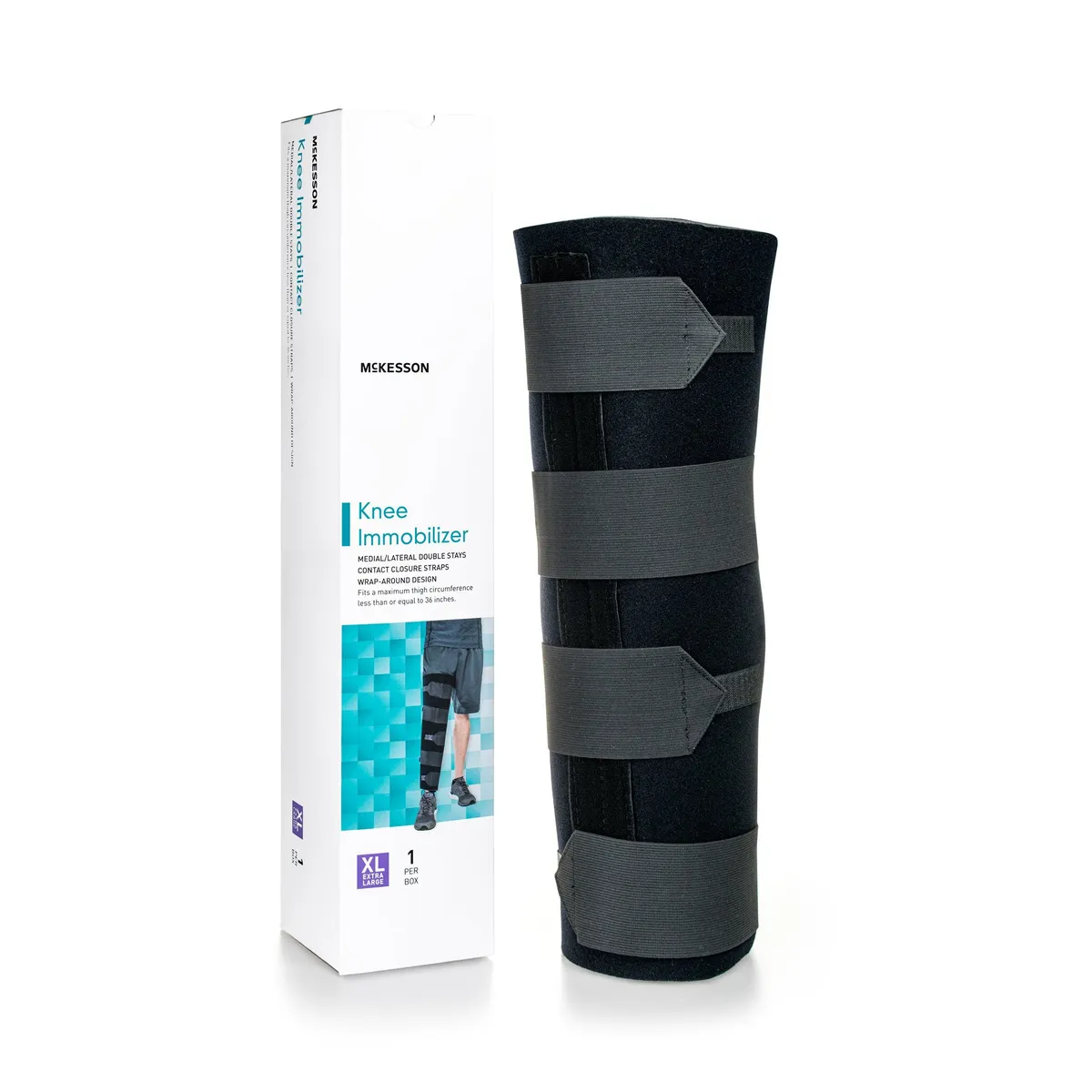
McKesson Brand
McKesson Knee Immobilizer, 20-Inch Length, Extra Large, 1 Each
$51.27USD
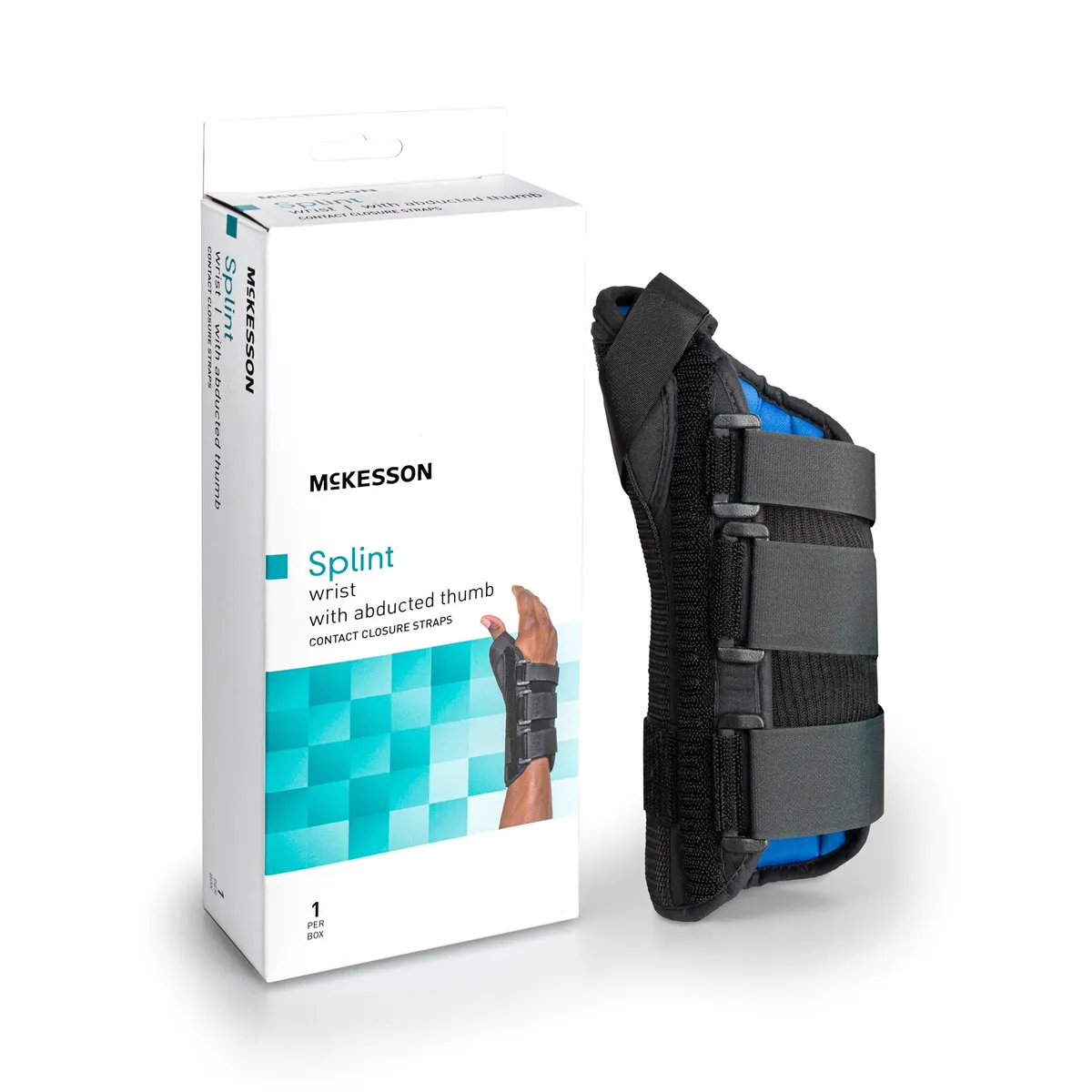
McKesson Brand
McKesson Right Wrist Splint with Abducted Thumb, Medium, 1 Each
$21.68USD
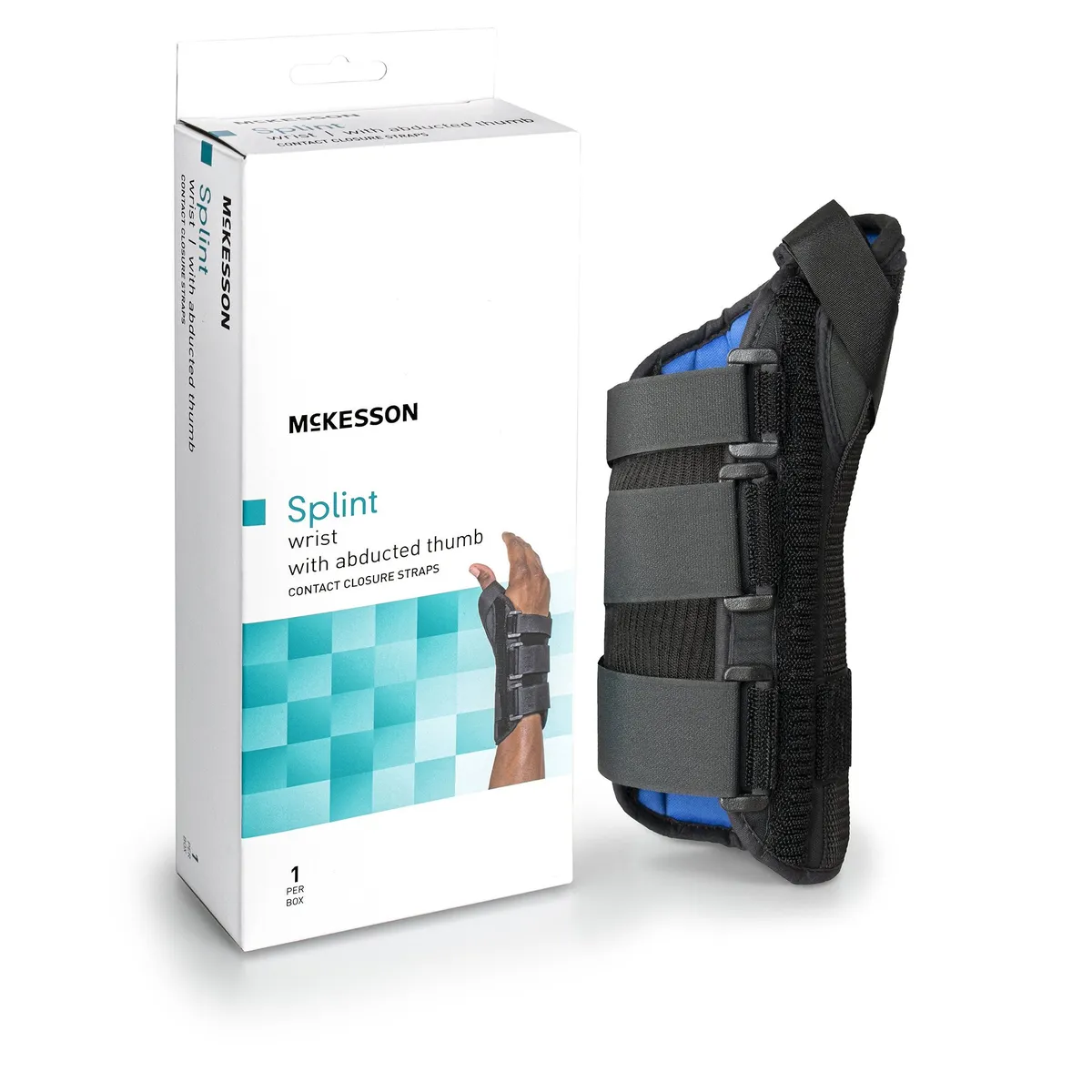
McKesson Brand
McKesson Left Wrist Splint with Abducted Thumb, Large, 1 Each
$23.80USD
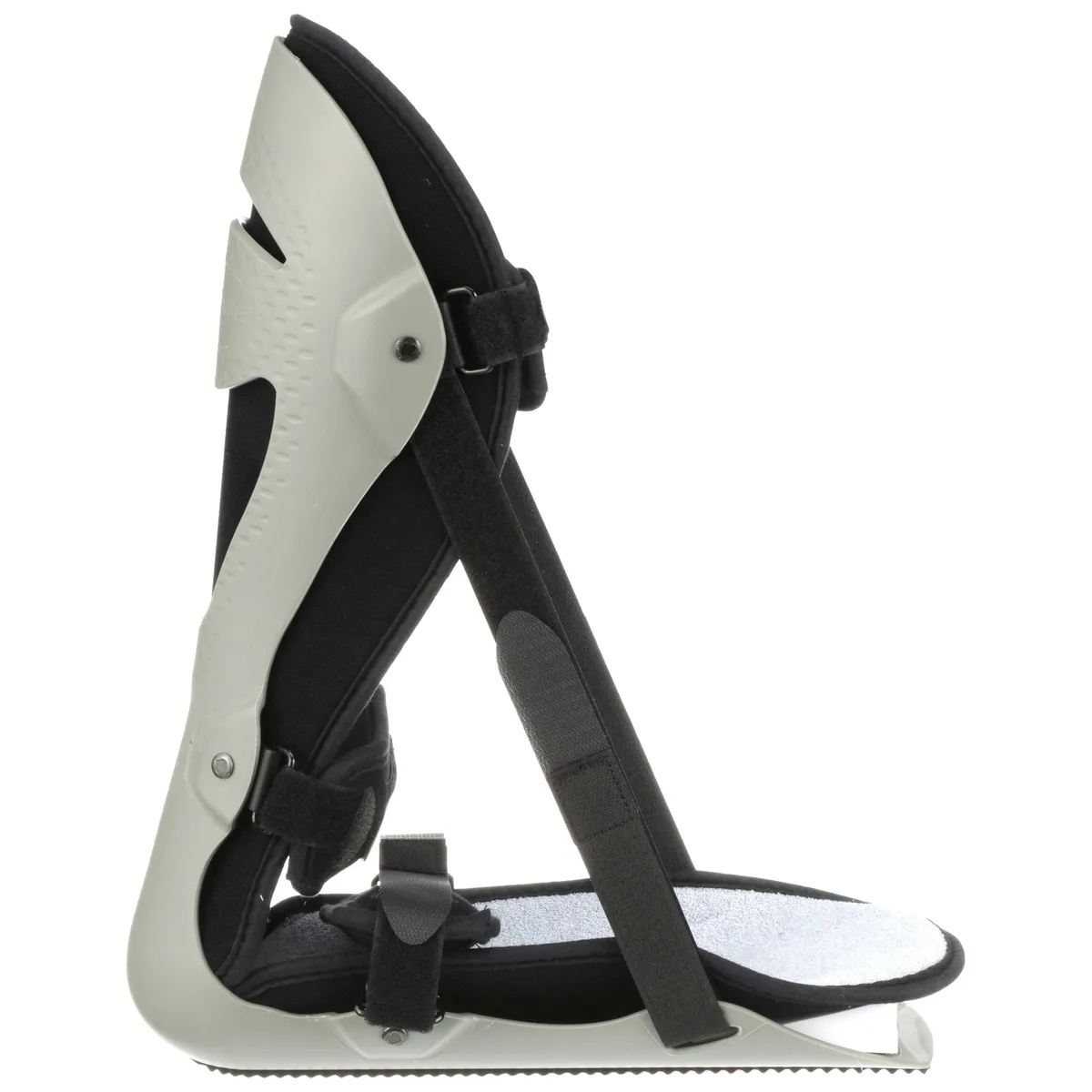
McKesson Brand
McKesson Adjustable Flexion Straps with Toe Wedge Plantar Fasciitis Night Splint, Large, 1 Each
$54.45USD
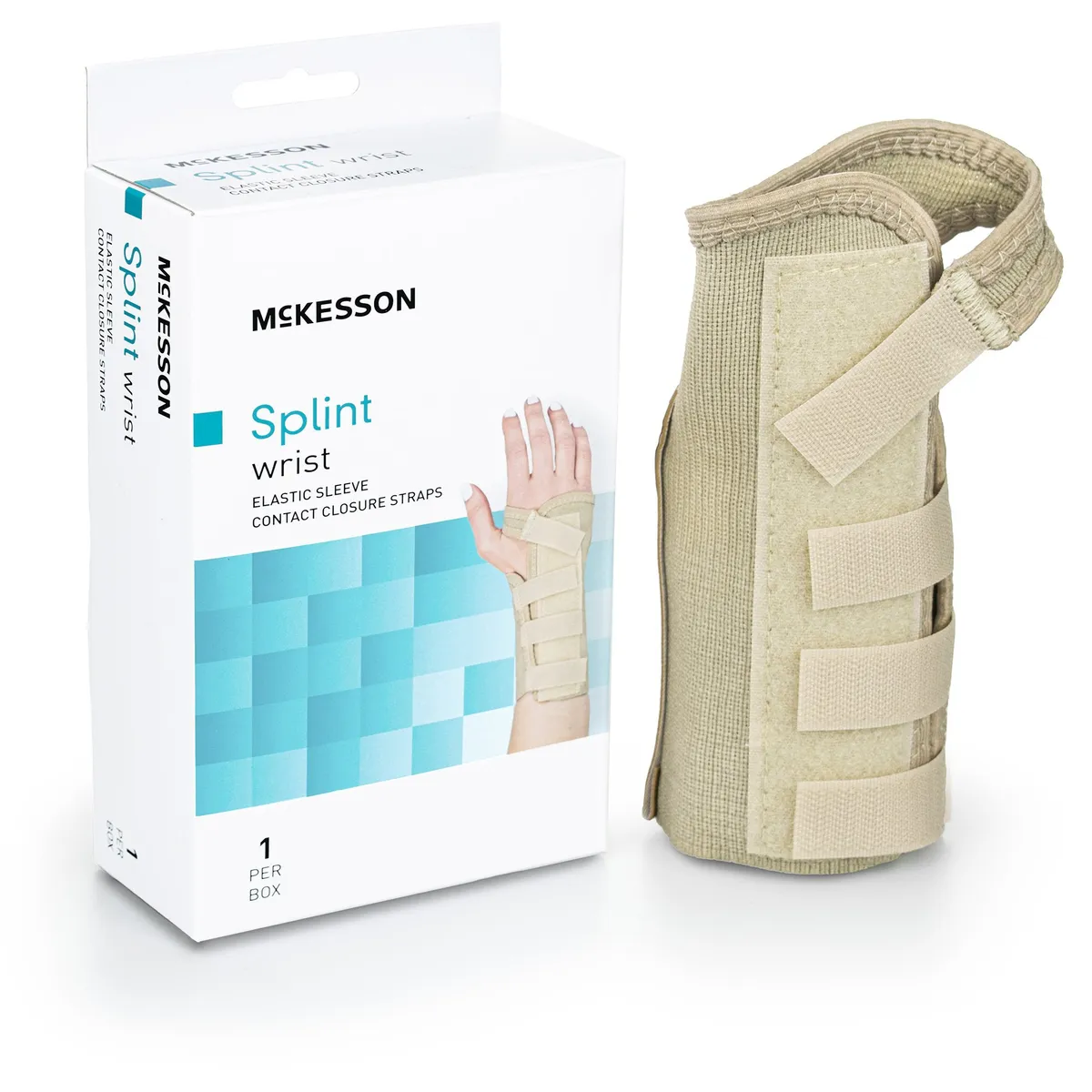
McKesson Brand
McKesson Left Wrist Splint, Small, 1 Each
$18.02USD
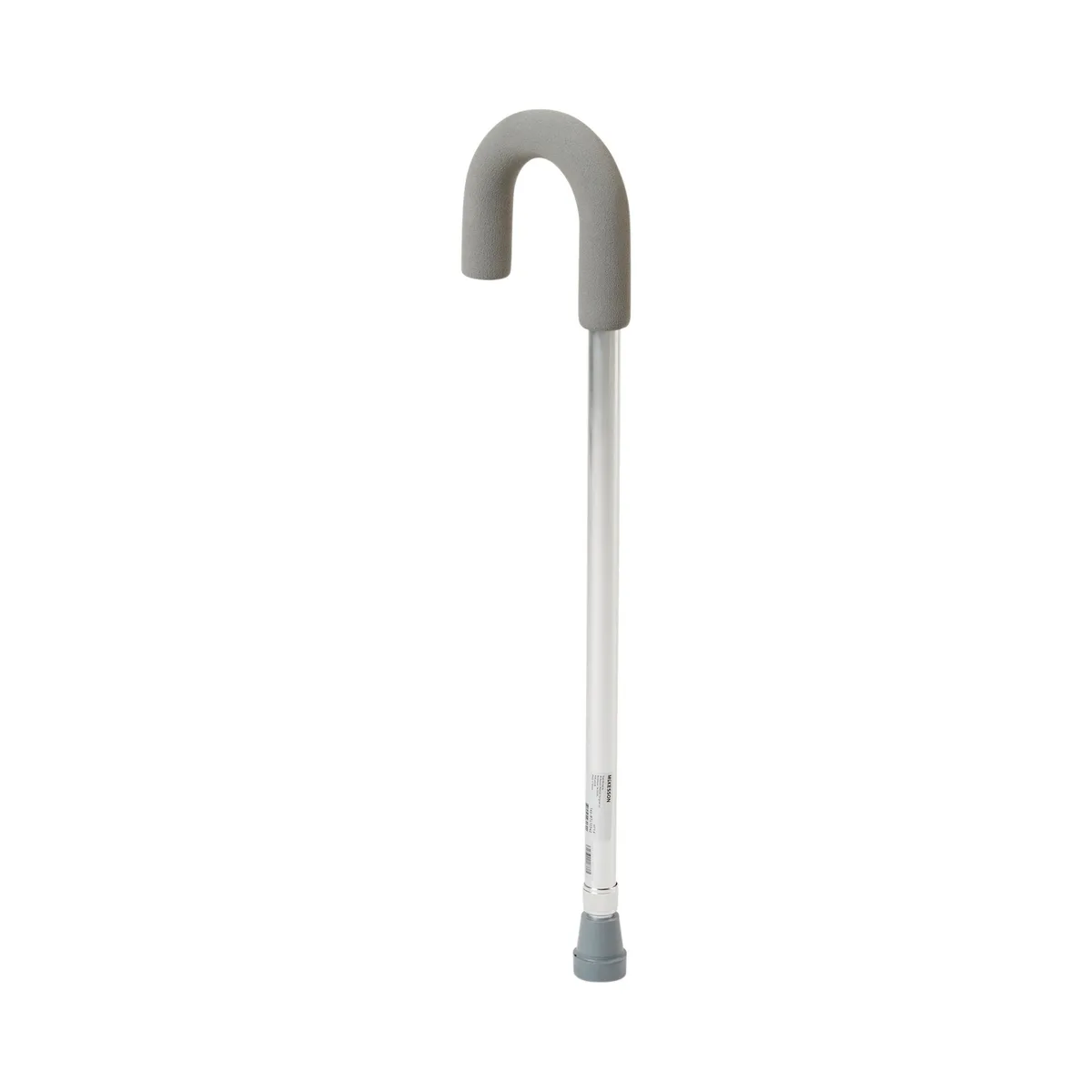
McKesson Brand
McKesson Round Handle Cane, Aluminum, Height Adjustable, Foam Grip, 1 Case of 6
$94.97USD
Each aid targets a specific functional deficit — weak grip, limited reach, reduced dexterity, tremor — as assessed by an occupational therapist.
Heel and elbow protectors reduce localized pressure on at-risk bony prominences — a key element of facility pressure-injury prevention programs.
Adaptive aids allow patients to stay in their own homes safely — reducing falls, frustration, and premature institutionalization.
Most aids are dishwasher-safe, wipeable, or machine-washable for ongoing use in clinical and home environments.
Adaptive daily-living aids support patient independence in eating, dressing, grooming, and mobility tasks — adaptive utensils and cups, reachers, sock aids, pill organizers, and pressure-relief heel and elbow protectors. Occupational therapy selection is driven by the patient's specific functional deficit.
Occupational therapist assesses patient ADL deficits and prescribes specific adaptive aids. Random selection without evaluation wastes money and misses the need.
Demonstrate and practice with the patient. Many aids require specific technique (built-up handles for grip, rocker knife for one-handed cutting).
Heel and elbow protectors relieve pressure but do not substitute for repositioning. Turn schedule every 2 hours minimum.
Under heel and elbow protectors, inspect skin once per shift. Pressure injuries can develop under the device if unassessed.
As patient recovers or declines, aids should be re-prescribed. An aid that was right at discharge may be wrong six months later.
Clinical use information is provided for reference only. Always follow facility protocols, manufacturer instructions for use (IFU), and evidence-based practice guidelines. Consult the treating clinician before use.
Standards & Certifications
A spec-by-spec comparison with the most common alternatives in the adaptive & daily living aids category. Clinical interchangeability varies — always verify with your care team or facility protocol.
| Spec | This product McKesson Reaching Aid, 32-Inch Length, 1 Box of 6 | Fabrication Enterprises FabLife™ Pistol Grip Reaching Aid, 26½ Inch Length, 1 Each | Fabrication Enterprises FabLife™ Pistol Grip Reaching Aid, 32½-Inch Length, 1 Each | Fabrication Enterprises FabLife™ Reaching Aid, 26-Inch Length, 1 Each |
|---|---|---|---|---|
| Size Range | — | — | — | S |
| Reusable | Single-use | Single-use | Single-use | Single-use |
Comparison is provided for reference only. Brand names and trademarks belong to their respective owners. Specific SKUs may differ from category averages shown above.
Trusted manufacturer
An established medical products manufacturer supplying clinical teams with quality healthcare supplies.
Answers to the questions clinical buyers and care teams ask most about this product category.
An occupational therapist evaluates the specific ADL deficit and prescribes aids matched to the problem — weak grip gets built-up handles; limited reach gets a reacher; tremor gets weighted or stabilized utensils. Ordering without OT evaluation is hit-or-miss.
No. Heel and elbow protectors offload pressure locally, but they are one piece of a pressure-injury prevention bundle that must also include repositioning every 2 hours, moisture management, nutrition, and pressure-redistribution surfaces.
Most are dishwasher-safe on the top rack. Weighted and battery-assisted utensils are usually hand-wash only — check the product label. Dishwasher heat can degrade silicone grips over time.
Durable medical equipment (DME) coverage varies. Medicare Part B does not generally cover most daily-living aids, but some private insurers and Medicaid waivers do. Occupational-therapy-prescribed aids have the best chance of coverage documentation.
Yes — most aids are intended for long-term use at home. OT typically provides discharge training. Patients should be reassessed periodically as function changes.
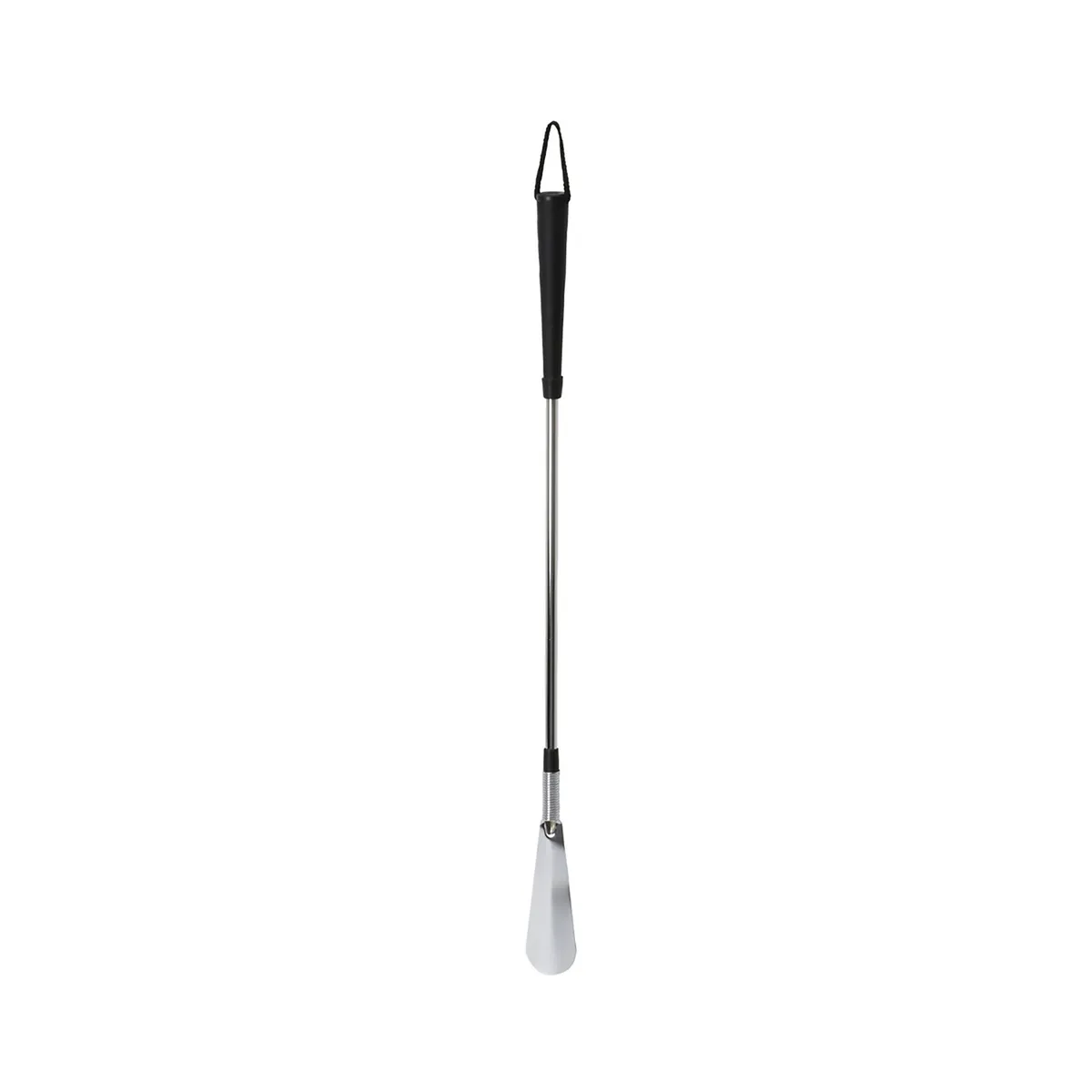
Mabis Healthcare
DMI® Metal Shoehorn, 24 Inch Length, 1 Each
$27.10USD
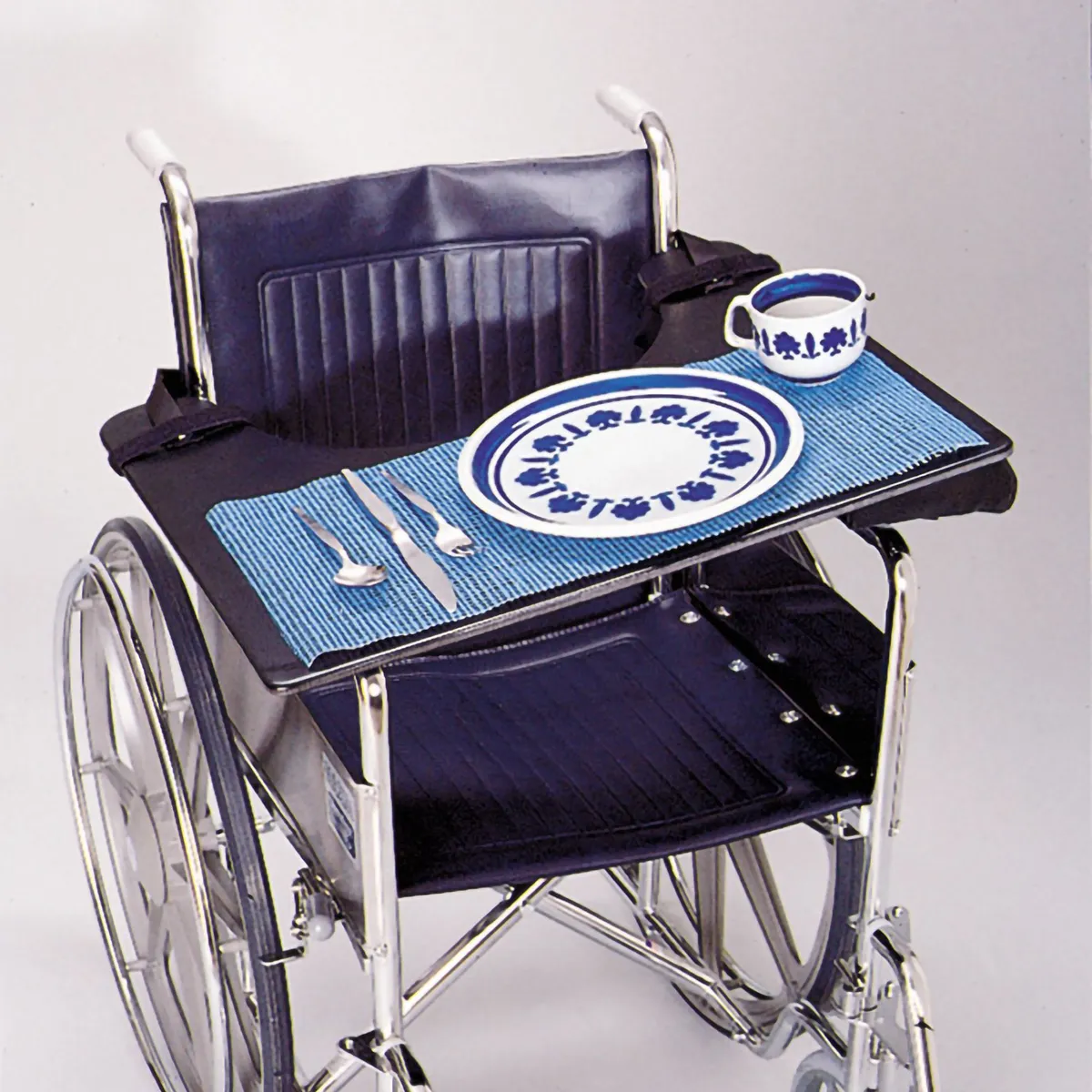
Skil-Care
Skil-Care™ Non-Slip Matting, 1 Roll
$30.90USD
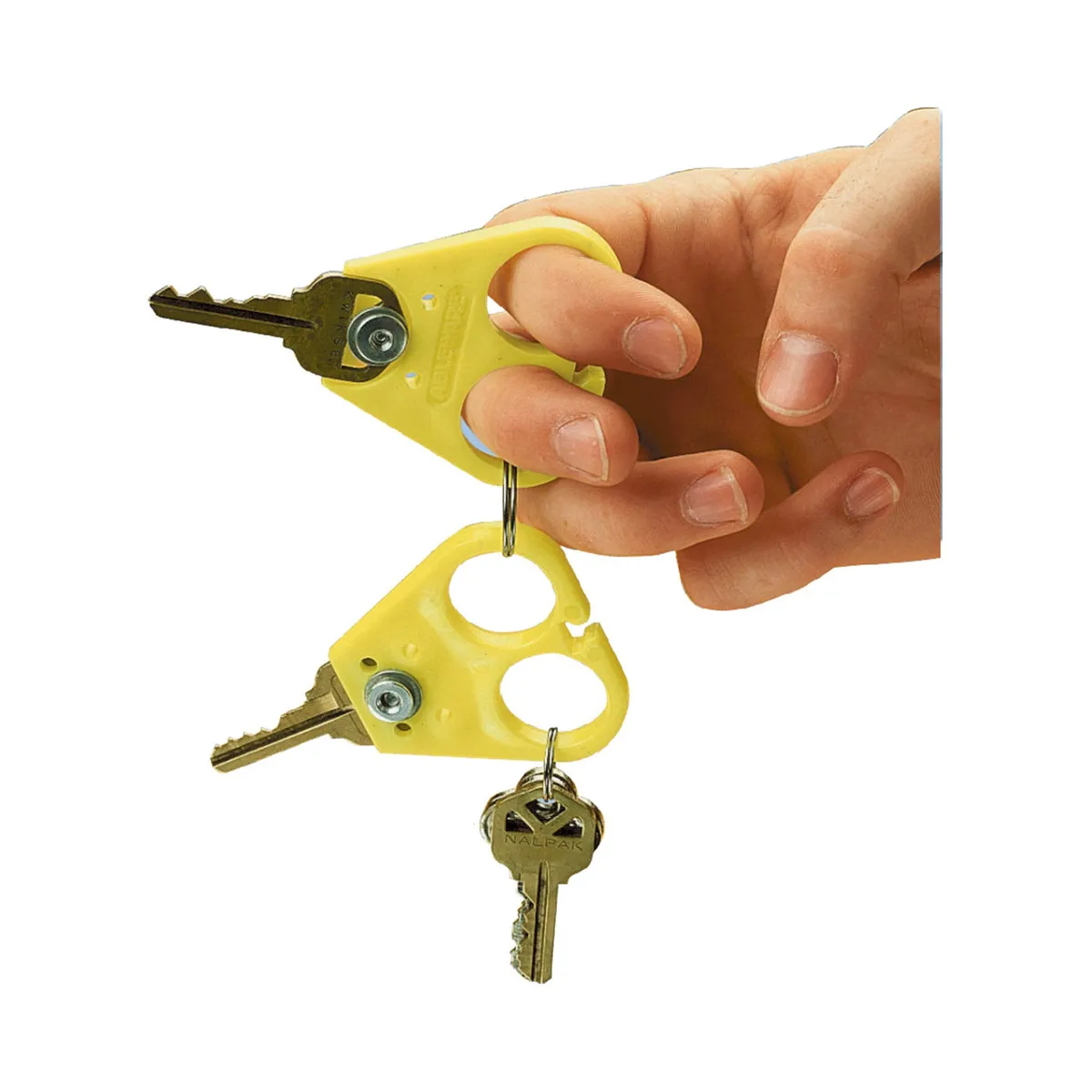
Maddak
Maddak Key Holder / Turner, 1 Each
$30.60USD
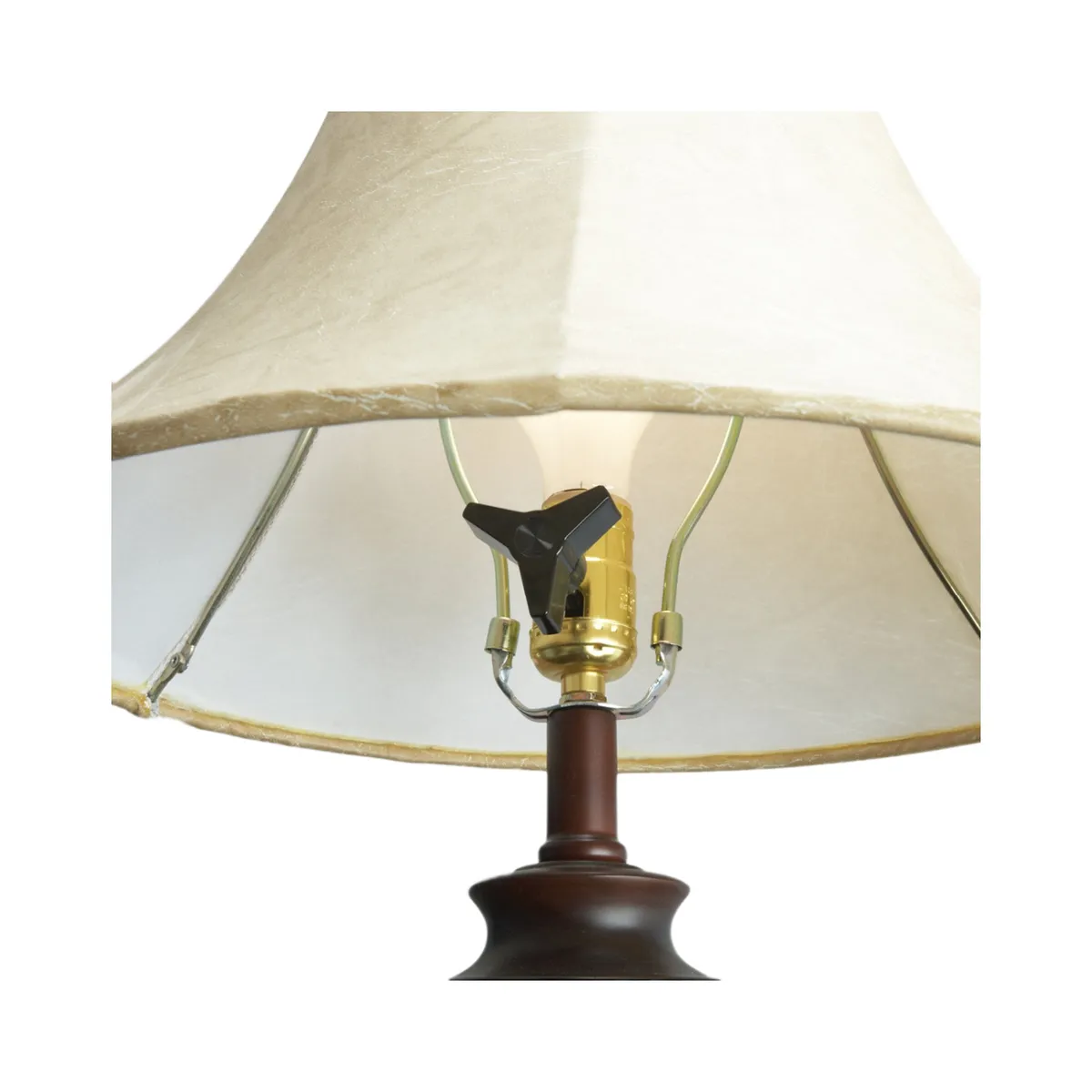
Maddak
Ableware® Lamp Switch Knob, 1 Each
$33.57USD
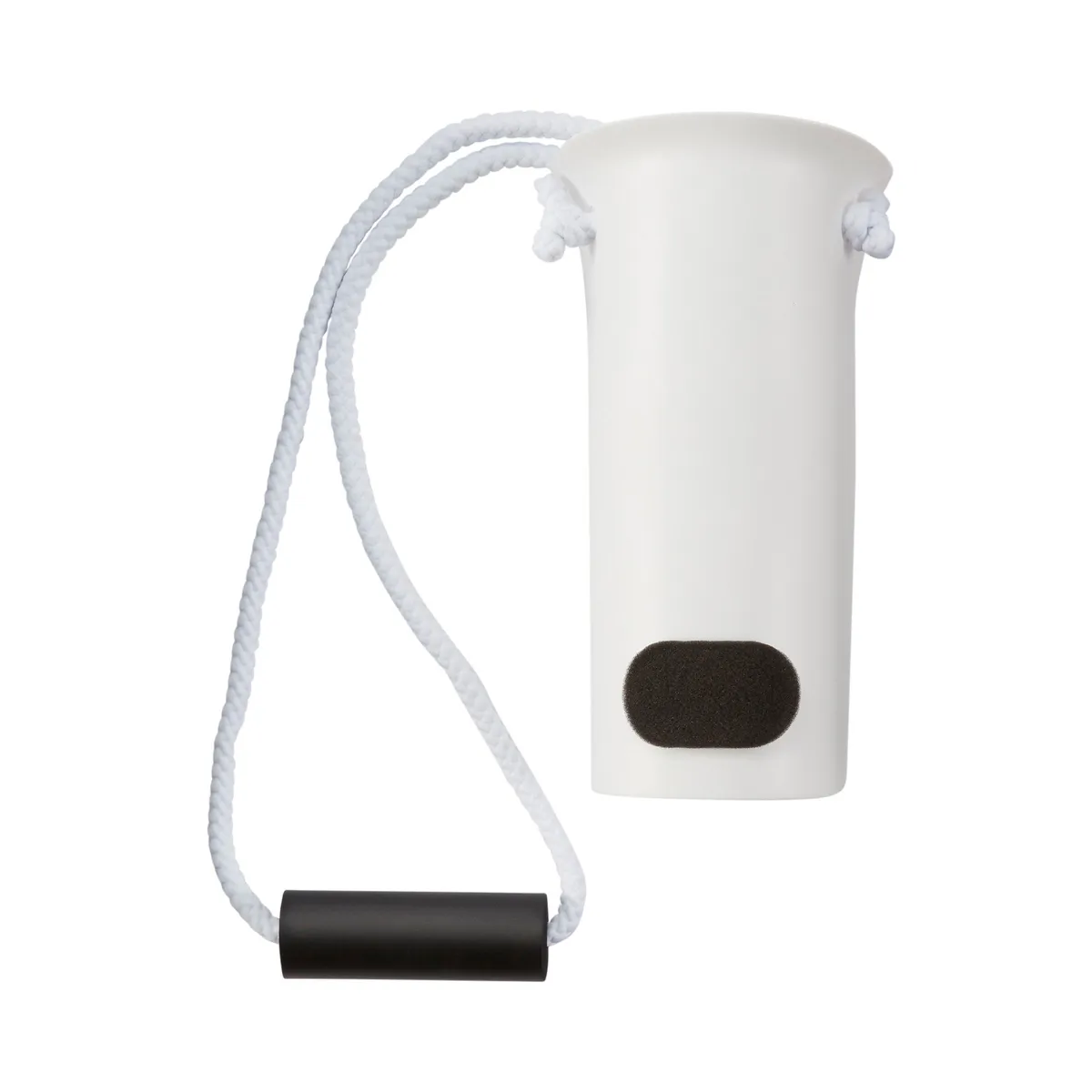
Fabrication Enterprises
FabLife™ Deluxe Sock / Stocking Aid, 1 Each
$32.13USD
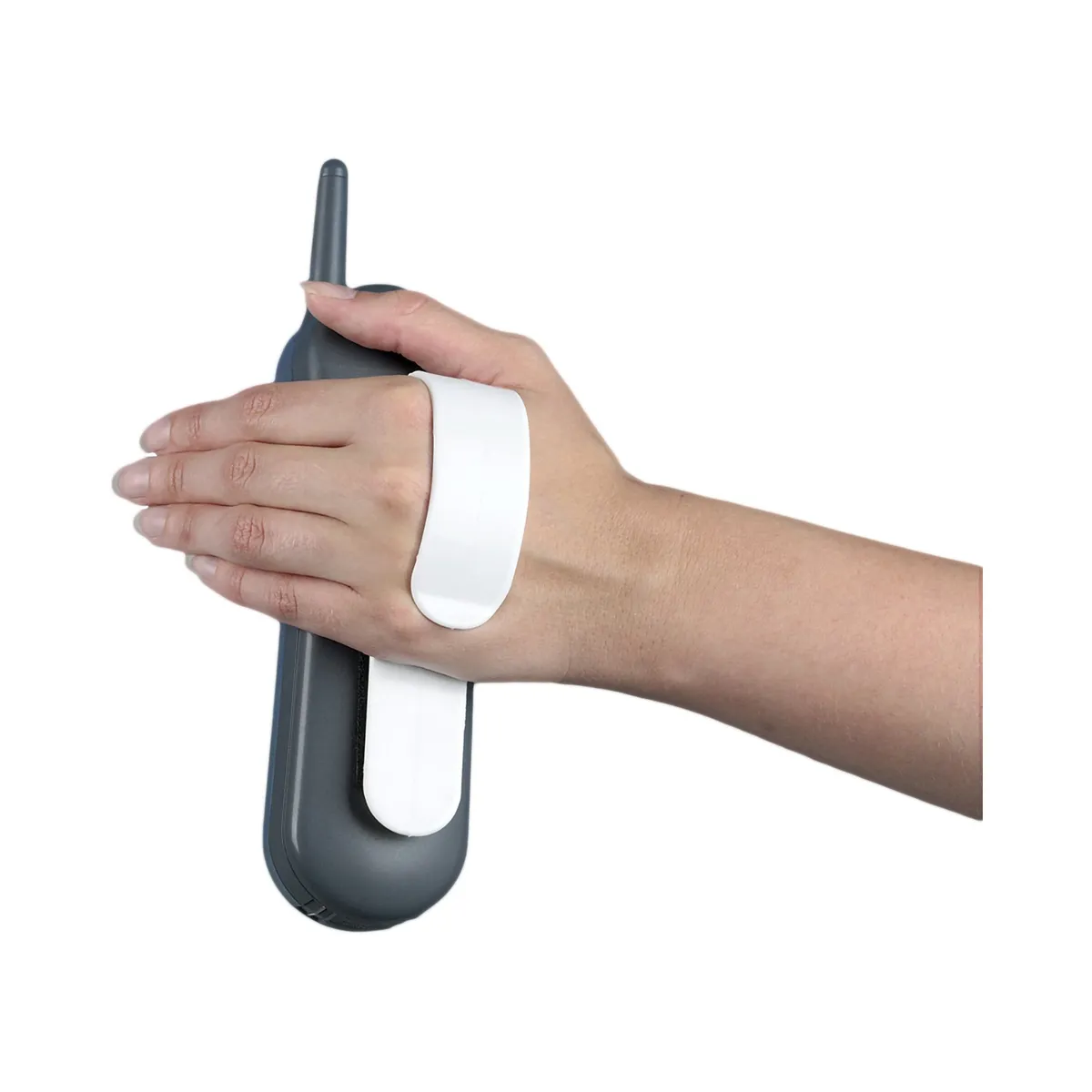
Maddak
Maddak ADL Universal Holder, 1 Each
$31.11USD
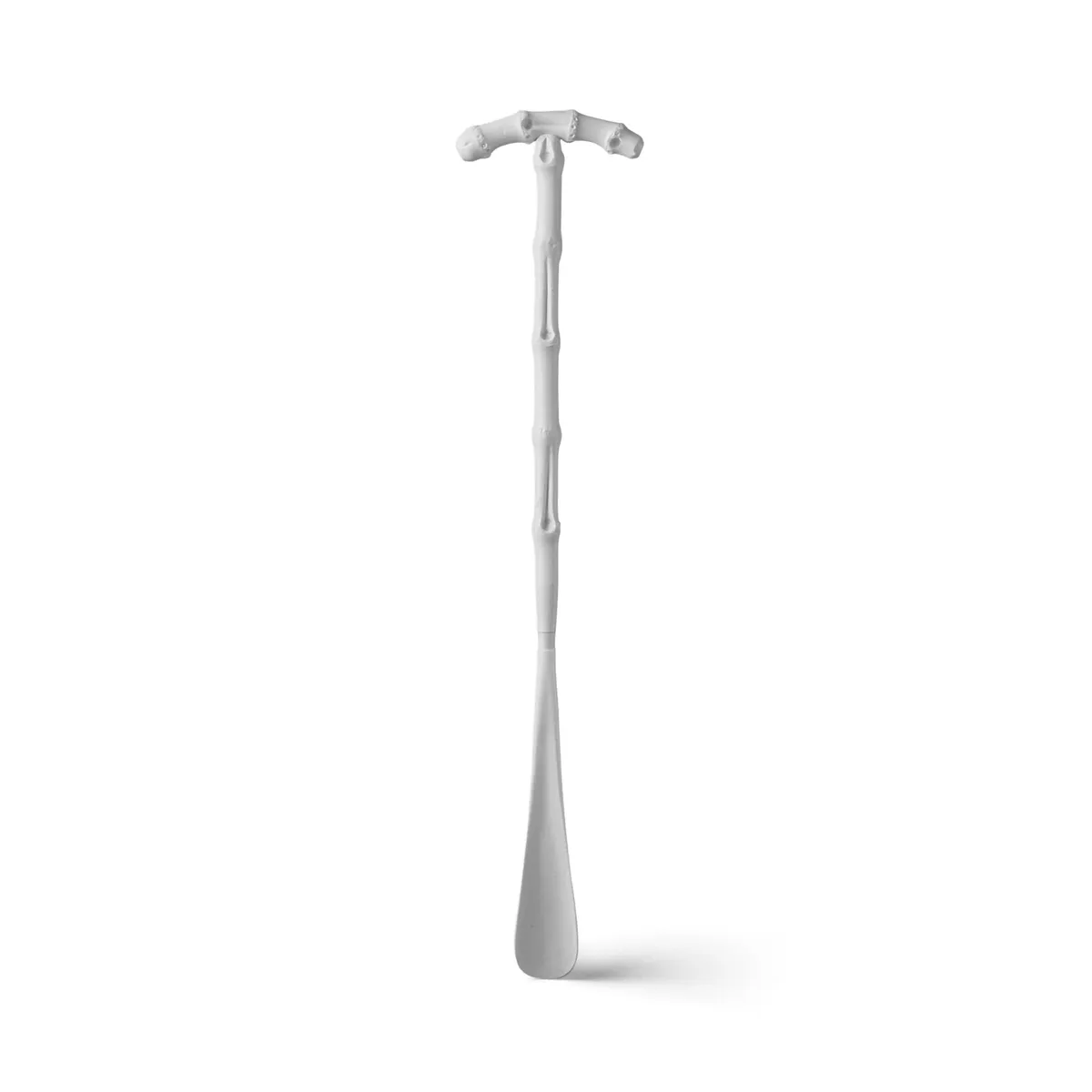
Maddak
Maddak Shoehorn, 1 Each
$26.10USD
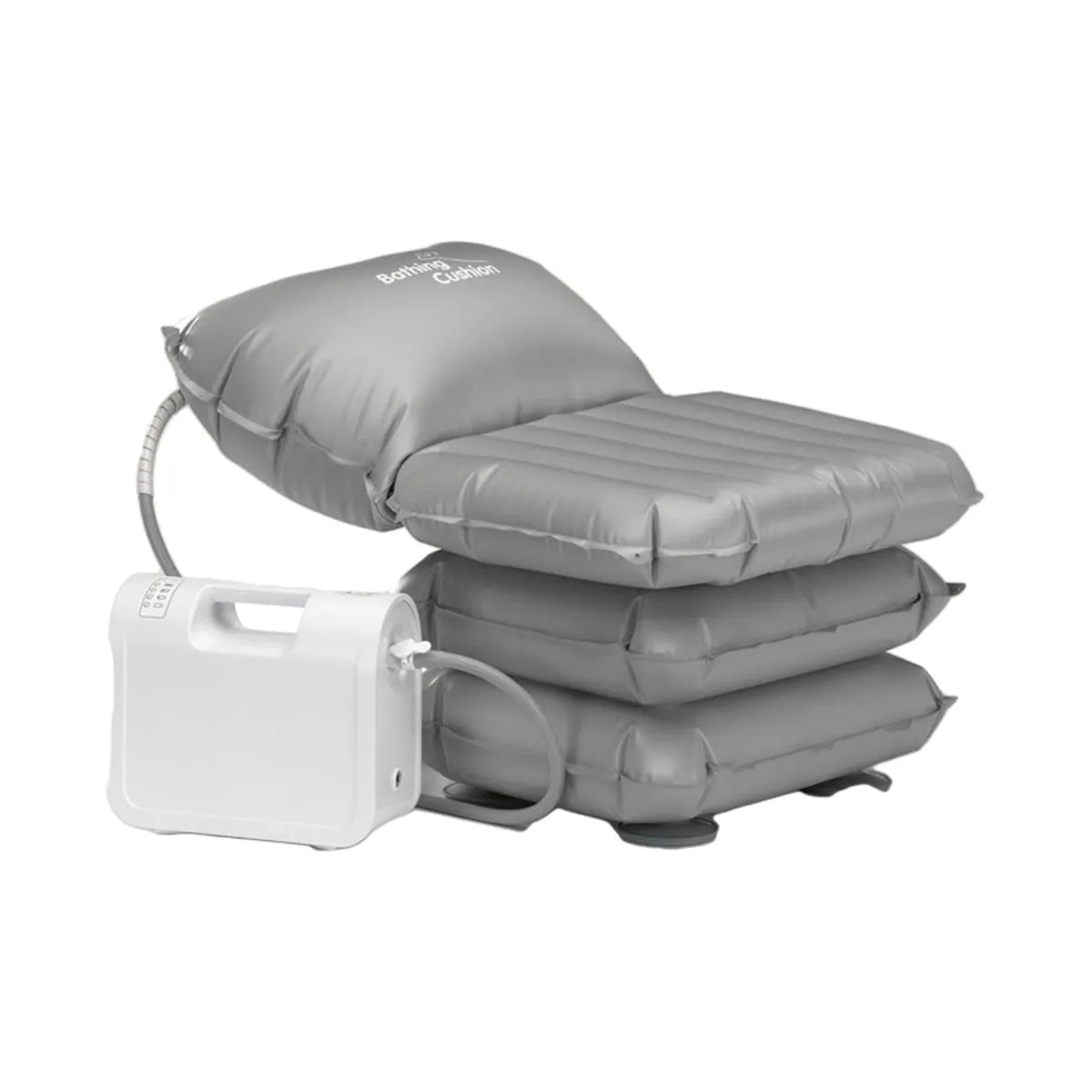
Mangar Health
Mangar Bathing Cushion with Compressor, 1 Each
$807.38USD
$94.49USD
$98.25USD
Save $3.76$15.75 each, 6 per pack
In stock. Order by 2pm PST for same-day processing.
In stock
Ships from our western US warehouses
Fast shipping
Same-day processing before 2pm PST
30-day returns
Hassle-free on eligible orders
HSA / FSA
Eligible for most medical accounts
$94.49USD
$98.25USD
Clinical Evidence
Annals of the rheumatic diseases
An observer-blinded randomised trial in people with hand osteoarthritis comparing information plus assistive devices and splints with information alone.
Key Findings
Sample Size
70 patients
The Cochrane database of systematic reviews
A Cochrane review of randomised trials of assistive devices (such as raised toilet seats and chairs), hip precautions, environmental modifications and training after total hip replacement.
Key Findings
Sample Size
3 trials, 492 participants
Clinical evidence is provided for informational purposes only. Healthcare professionals should evaluate products based on their clinical judgment and patient-specific factors. Links to external studies are provided as references and do not constitute endorsement. Always refer to the manufacturer's instructions for use.