Identify fall-risk patients.
Use a validated fall-risk assessment (Morse, Hendrich II) to identify patients who benefit from alarm monitoring.
Products commonly used alongside this one. Bundle them into a single order.
Hartmann
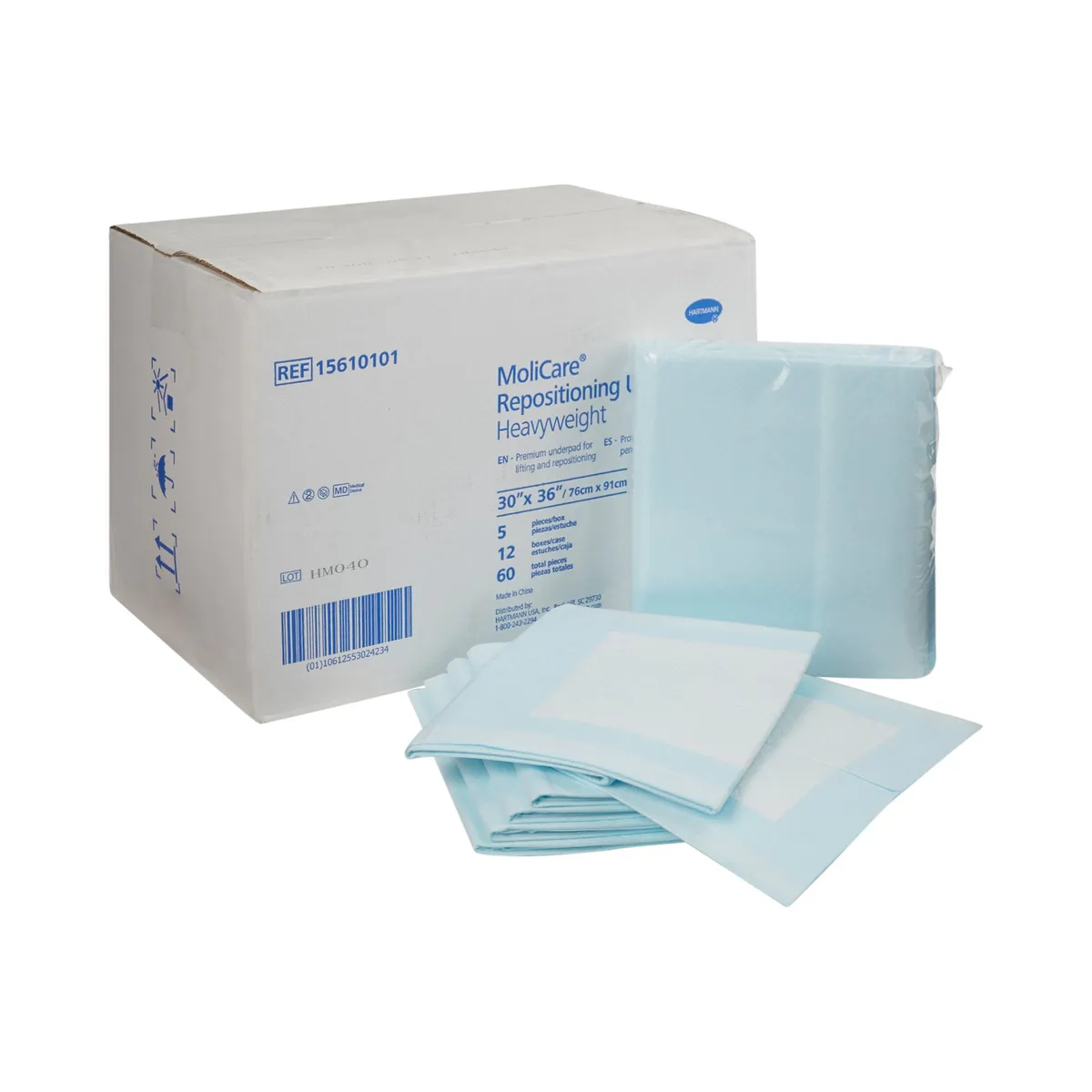
MoliCare® Positioning Underpad, 30 x 36 Inch, 1 Bag of 5
$33.28USD
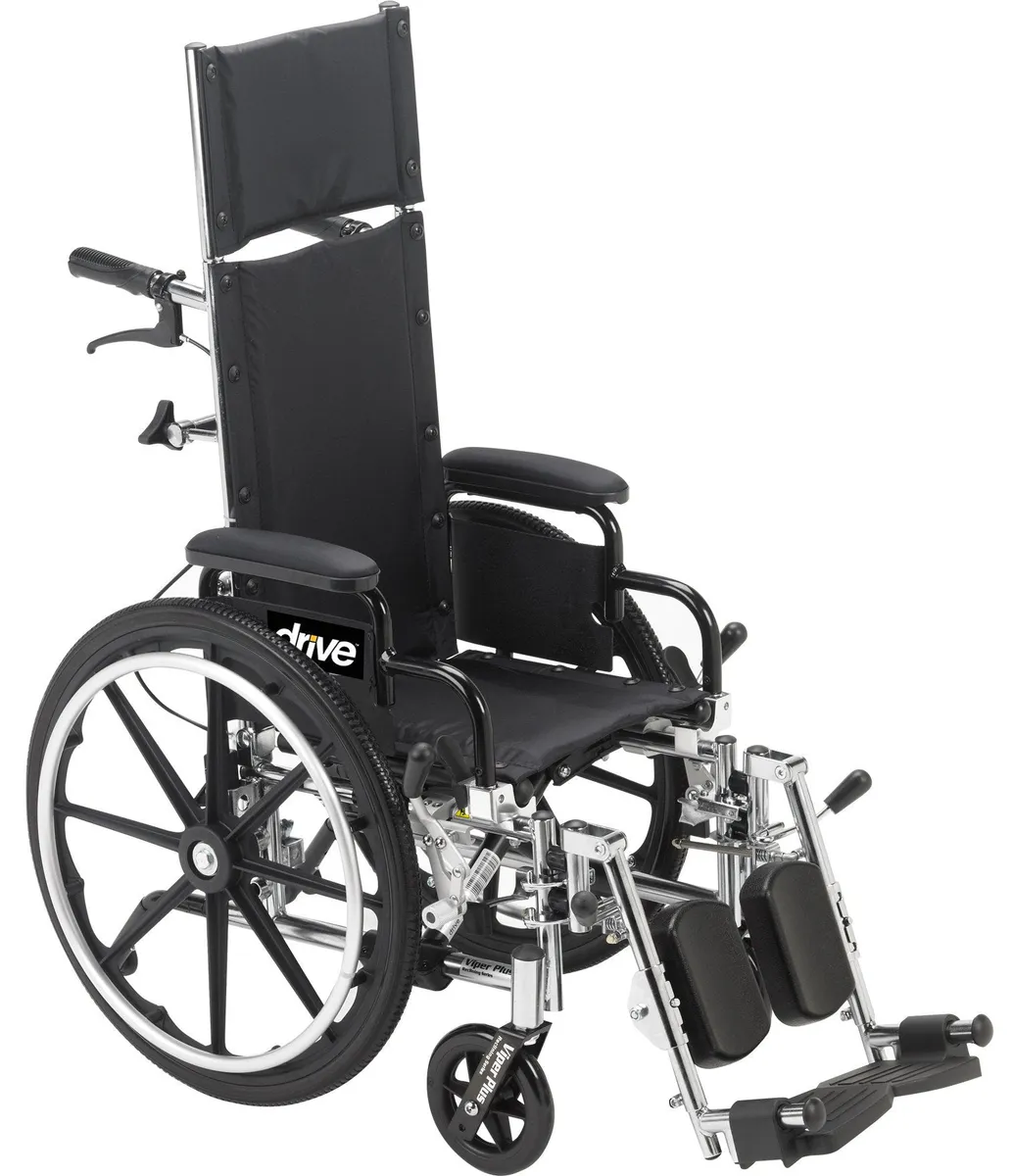
Drive Medical
drive™ Viper Plus Pediatric Reclining Wheelchair, 14-Inch Seat Width, 1 Case
$1,007.69USD
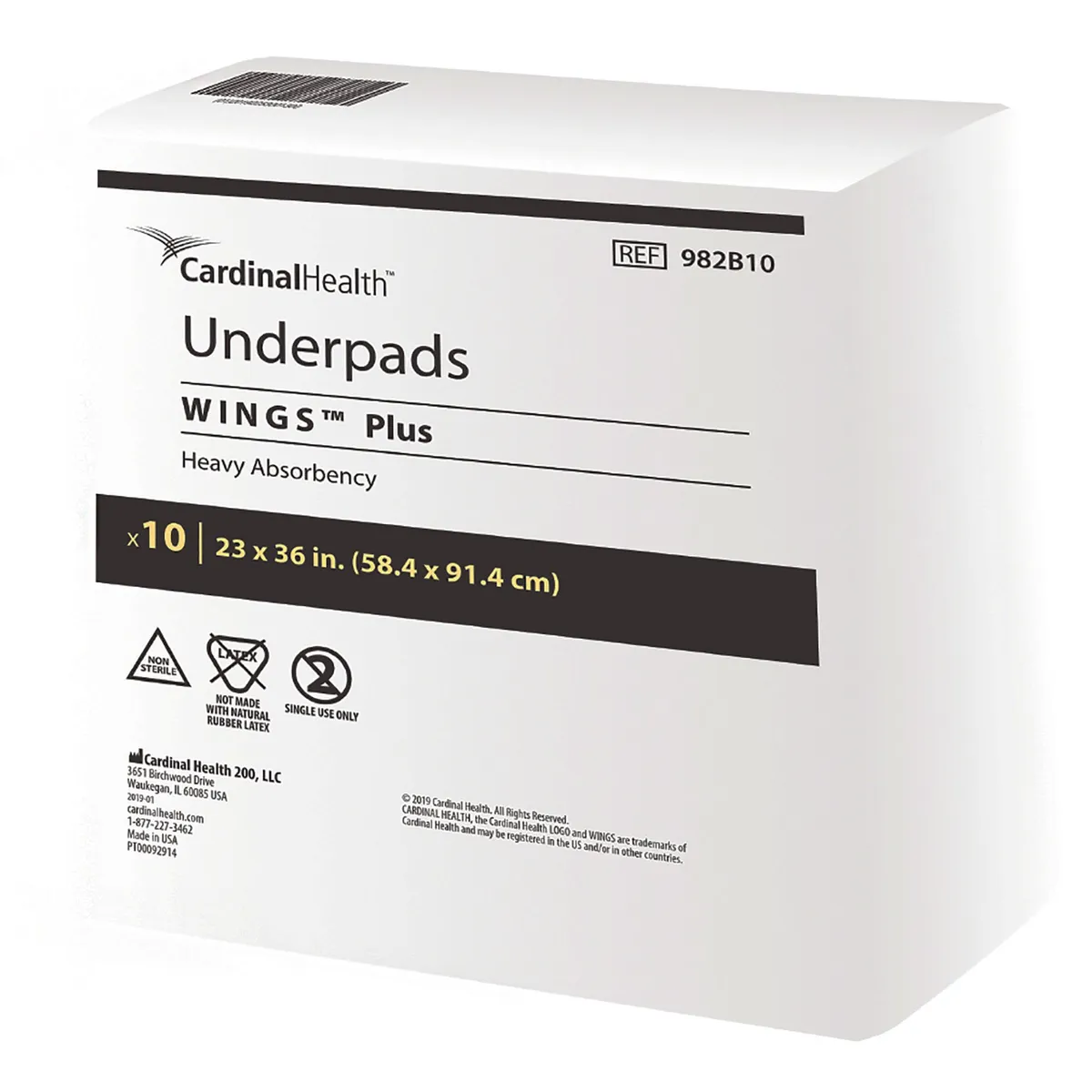
Cardinal
Wings Plus Underpads, Disposable, Heavy Absorbency, Beige, 23 X 36 Inch, 1 Bag of 10
$33.84USD
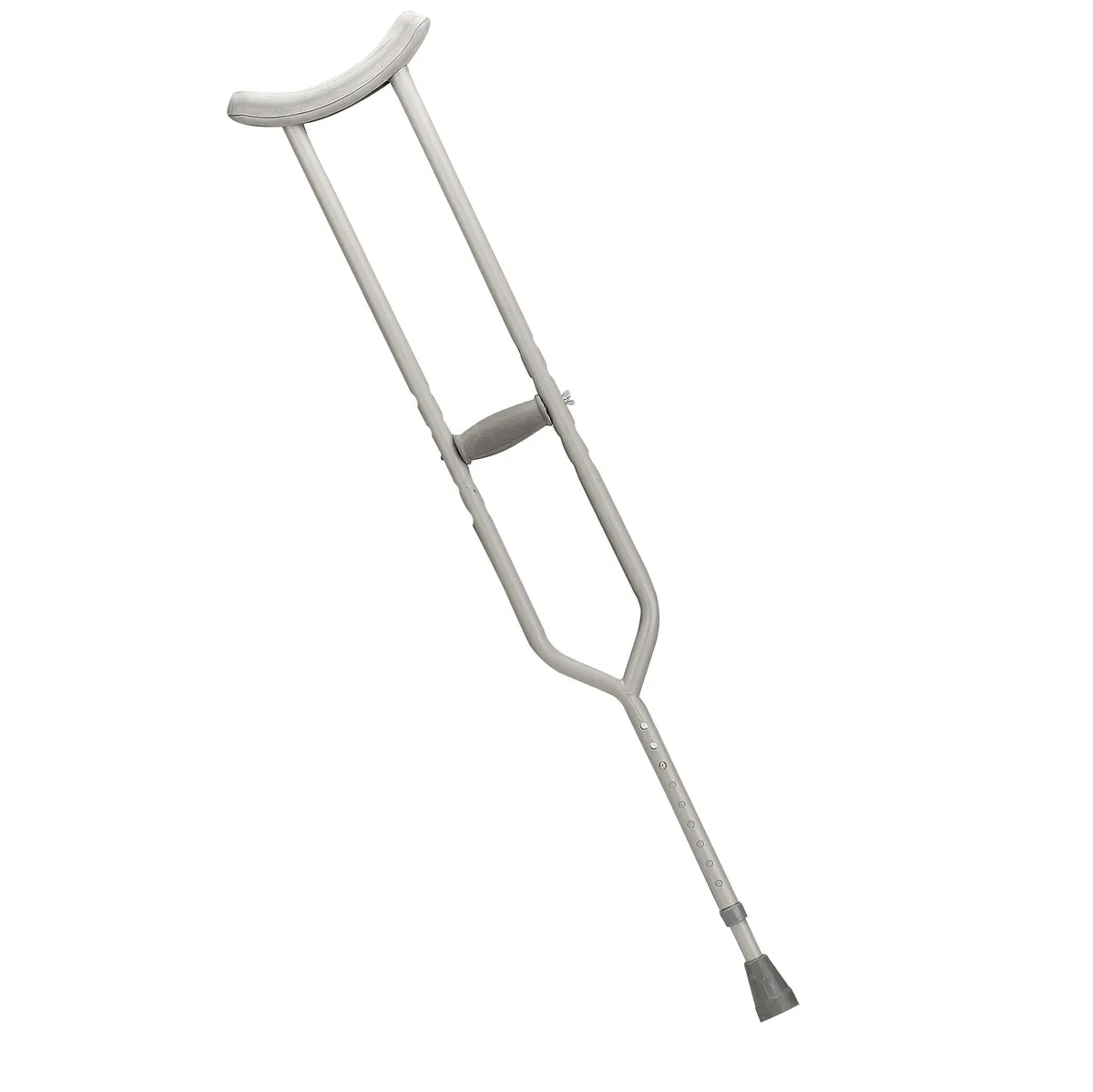
Drive Medical
drive™ Tall Adult Bariatric Crutches, 5 ft. 10 in. - 6 ft. 6 in., 1 Pair
$127.39USD
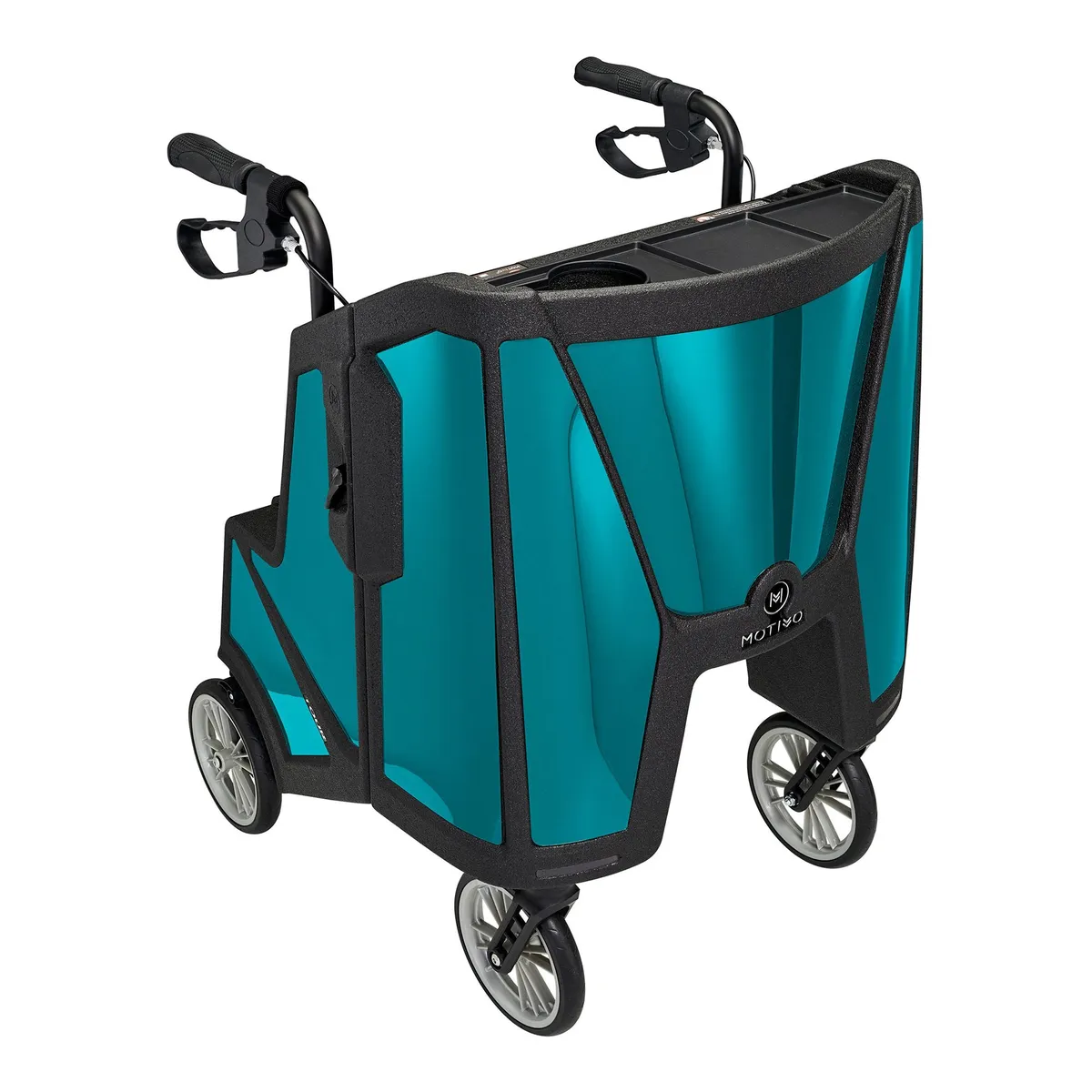
Motivo Inc
Tour 4 Wheel Rollator, 31 to 37 Inch Handle Height, Ocean Teal, 1 Each
$785.59USD
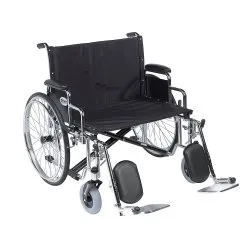
Drive Medical
drive™ Sentra EC Bariatric Wheelchair, 30-Inch Seat Width, 1 Each
$1,170.49USD
Early alerts when patients attempt to leave the bed or chair unassisted — a cornerstone of fall-prevention protocols.
Nurse-call integration and pager systems for facilities requiring remote notification.
Customizable delay, volume, and sensitivity settings reduce false alarms.
Cleanable surfaces and robust sensors stand up to clinical environments.
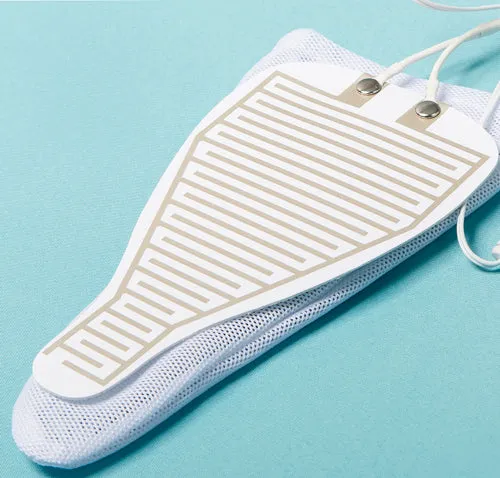
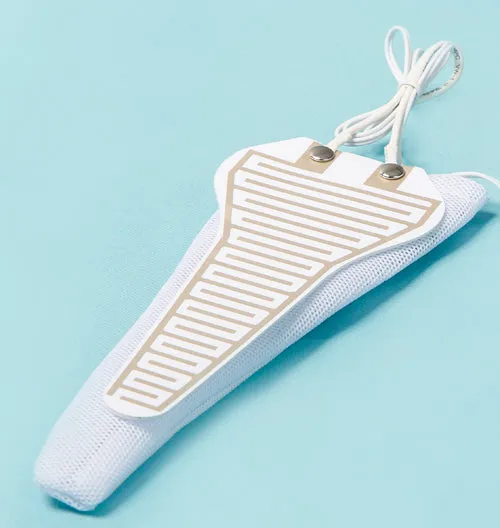
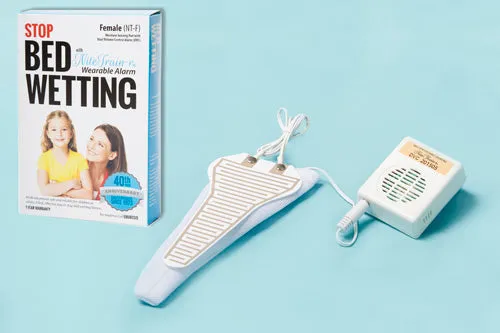
Bed alarms, chair alarms, bed-wetting alarms, and fall-prevention systems that alert caregivers to changes in patient position and voiding.
Use a validated fall-risk assessment (Morse, Hendrich II) to identify patients who benefit from alarm monitoring.
Place bed pad under the patient's shoulders or chair pad under the buttocks. Confirm sensor is properly seated and connected.
Adjust delay time, volume, and reset behavior to match the clinical scenario and reduce alarm fatigue.
Where available, link the alarm to the nurse-call system so alerts reach staff without disturbing the patient.
Alarms are one component of fall-prevention bundles that include toileting schedules, non-slip footwear, and environmental safety.
Clinical use information is provided for reference only. Always follow facility protocols, manufacturer instructions for use (IFU), and evidence-based practice guidelines. Consult the treating clinician before use.
Standards & Certifications
Trusted manufacturer
An established medical products manufacturer supplying clinical teams with quality healthcare supplies.
Answers to the questions clinical buyers and care teams ask most about this product category.
Bed and chair alarms provide early warning when a patient attempts to exit, giving staff time to assist before a fall occurs. Meta-analysis shows alarms reduce falls when used as part of a comprehensive prevention bundle — alone, they are less effective.
Alarm fatigue occurs when staff become desensitized to frequent alarms, increasing response time. Manage it by assigning alarms only to patients who clinically benefit, tuning sensitivity to reduce false alarms, and rotating the population being monitored.
Yes — home bed alarms are available for caregivers of patients with dementia, fall risk, or elopement tendencies. Choose a model with remote notification so caregivers can respond from another room.
Coverage varies. Some fall-prevention devices qualify under Medicare Part B or commercial DME benefits with a prescription and medical necessity documentation.
$118.15USD
$129.98USD
Save $11.83In stock. Order by 2pm PST for same-day processing.
In stock
Ships from our western US warehouses
Fast shipping
Same-day processing before 2pm PST
30-day returns
Hassle-free on eligible orders
HSA / FSA
Eligible for most medical accounts
$118.15USD
$129.98USD