Assess patient.
Confirm weight, cognitive status, and ability to bear weight. Match equipment to assist level (stand-assist, sit-to-stand, full lift).
The Joerns Hoyer® Advance® Portable Hydraulic Patient Lift is the workhorse full-body patient lifter for facility and home-health safe-patient-handling programs. A 340 lb weight capacity and manual hydraulic pump design make it appropriate for non-powered environments, power-outage contingencies, and settings where battery management is impractical. The Advance® folds flat for transport and storage without tools, making it the standard choice for agency and home-health lifting kits.
The adjustable boom accommodates a broad range of sling sizes and transfer scenarios — bed-to-wheelchair, wheelchair-to-toilet, floor recovery with specialty slings, and bariatric repositioning. Full-length padded handle grip, locking swivel casters, and a low-profile base let the lift roll under low beds and around tight room geometries.
Clinical use cases:
Key features: 340 lb weight capacity · manual hydraulic pump (no battery or charging) · adjustable boom for varied sling sizes · base-leg width adjustment for bariatric and narrow-room use · folds flat without tools for transport · swivel locking casters · durable powder-coated steel frame. Slings sold separately — match to the specific patient and clinical task (universal, toileting, bariatric, etc.). Complete annual load-testing and document per facility safe-patient-handling policy.
Products commonly used alongside this one. Bundle them into a single order.
DJO
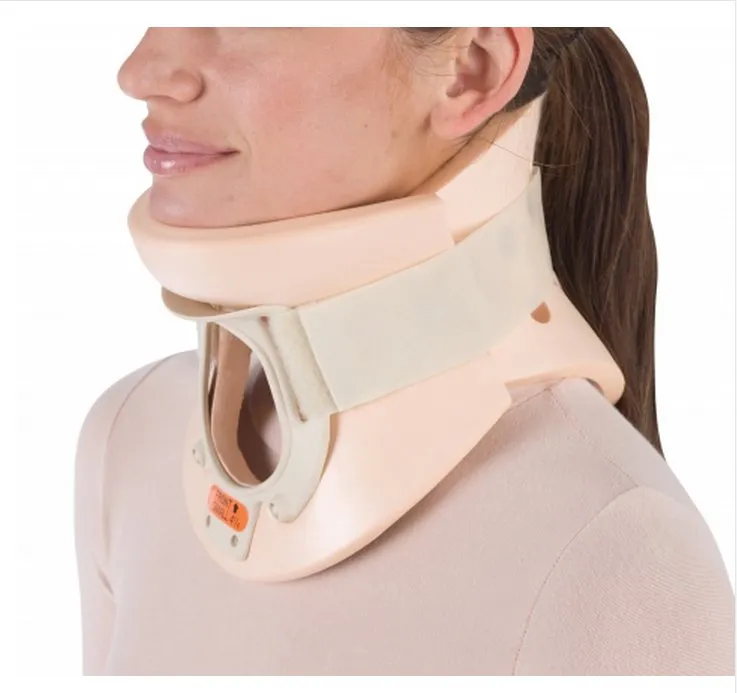
ProCare California Rigid Cervical Collar, Medium, 4¼ Inch Height, 1 Each
$44.58USD
Patterson Medical Supply
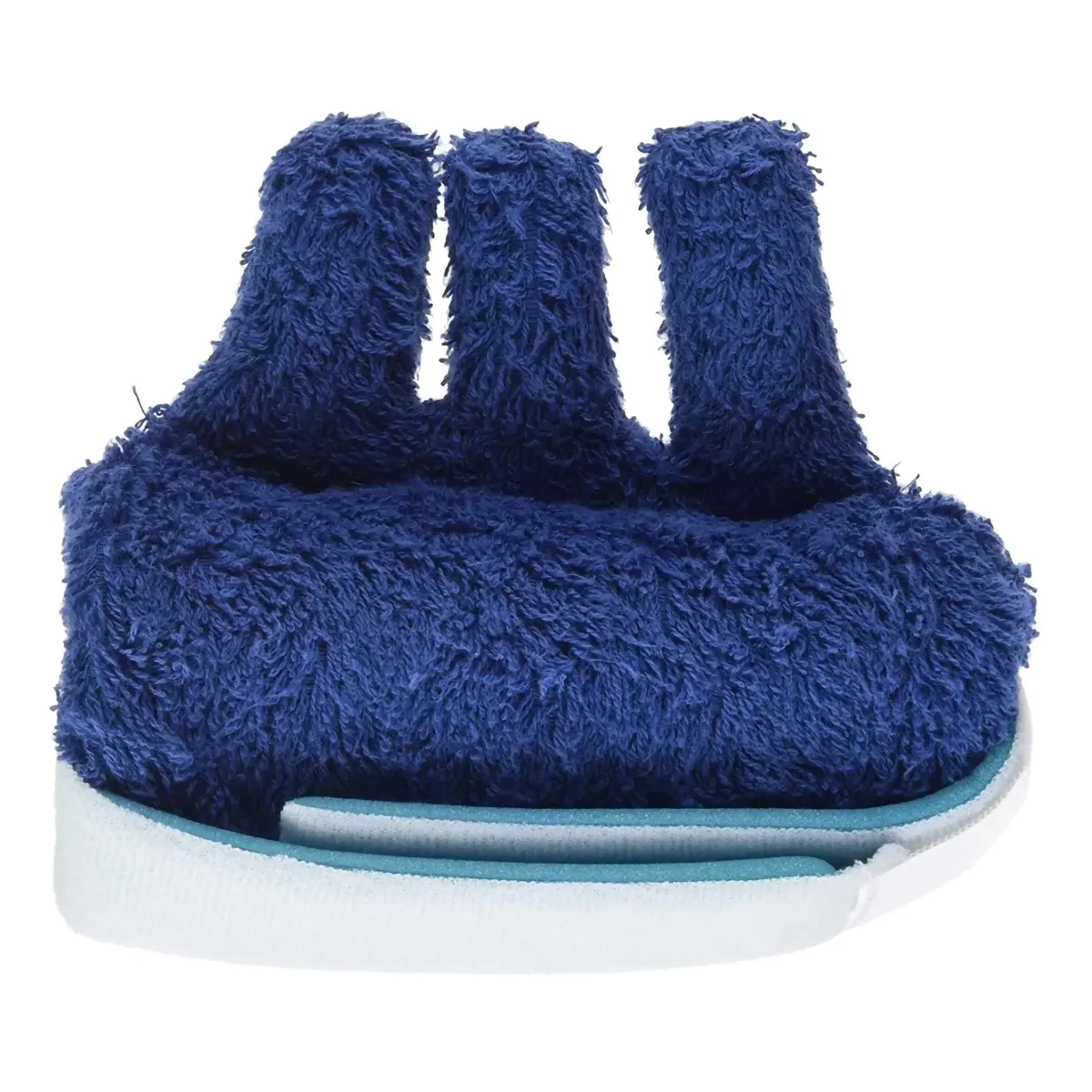
Rolyan® Cone With Finger Separator, Regular, 1 Each
$35.88USD
Brownmed
IMAK® Thumb Stabilizer, Small, 1 Each
$37.88USD
DJO
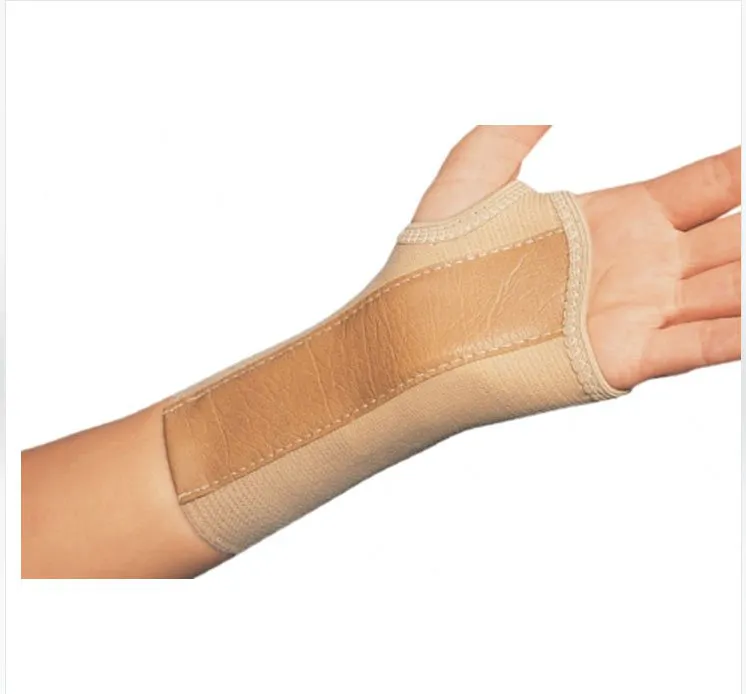
ProCare® Left Wrist Brace, Small, 1 Each
$25.33USD
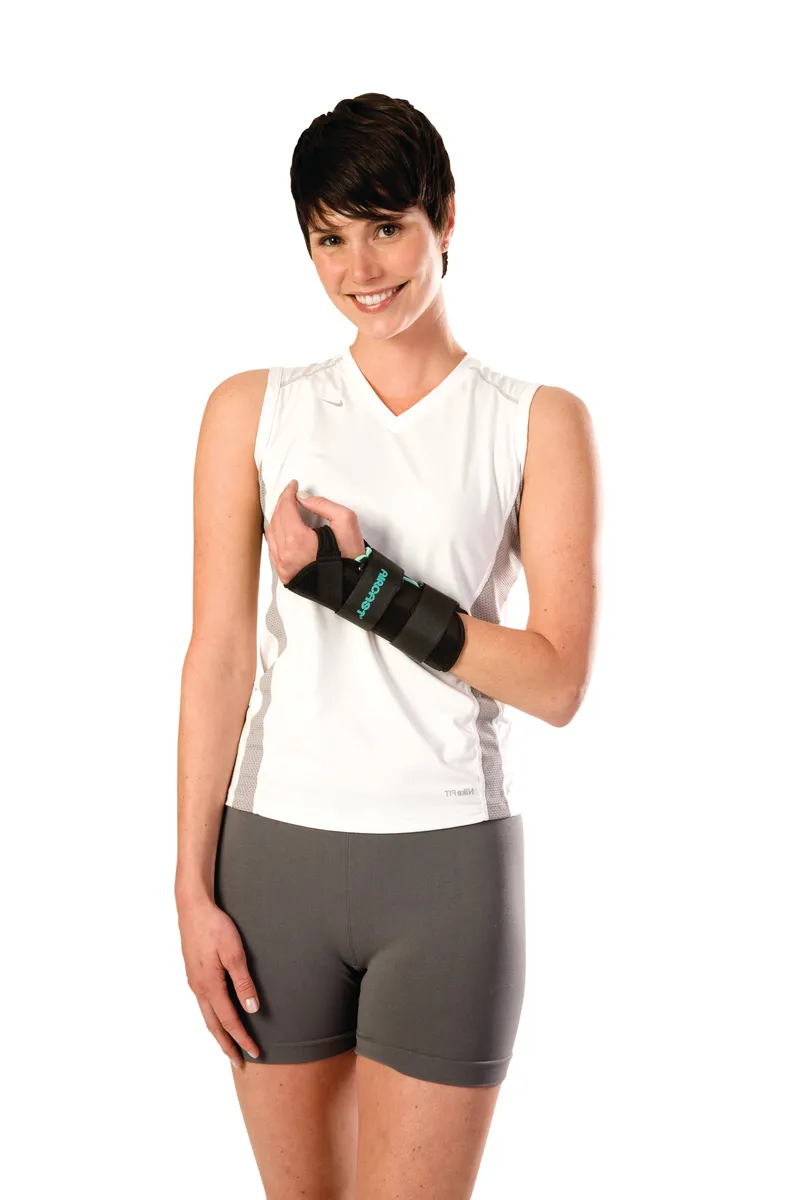
DJO
AirCast® A2™ Right Wrist Brace With Thumb Spica, Small, 1 Each
$38.70USD
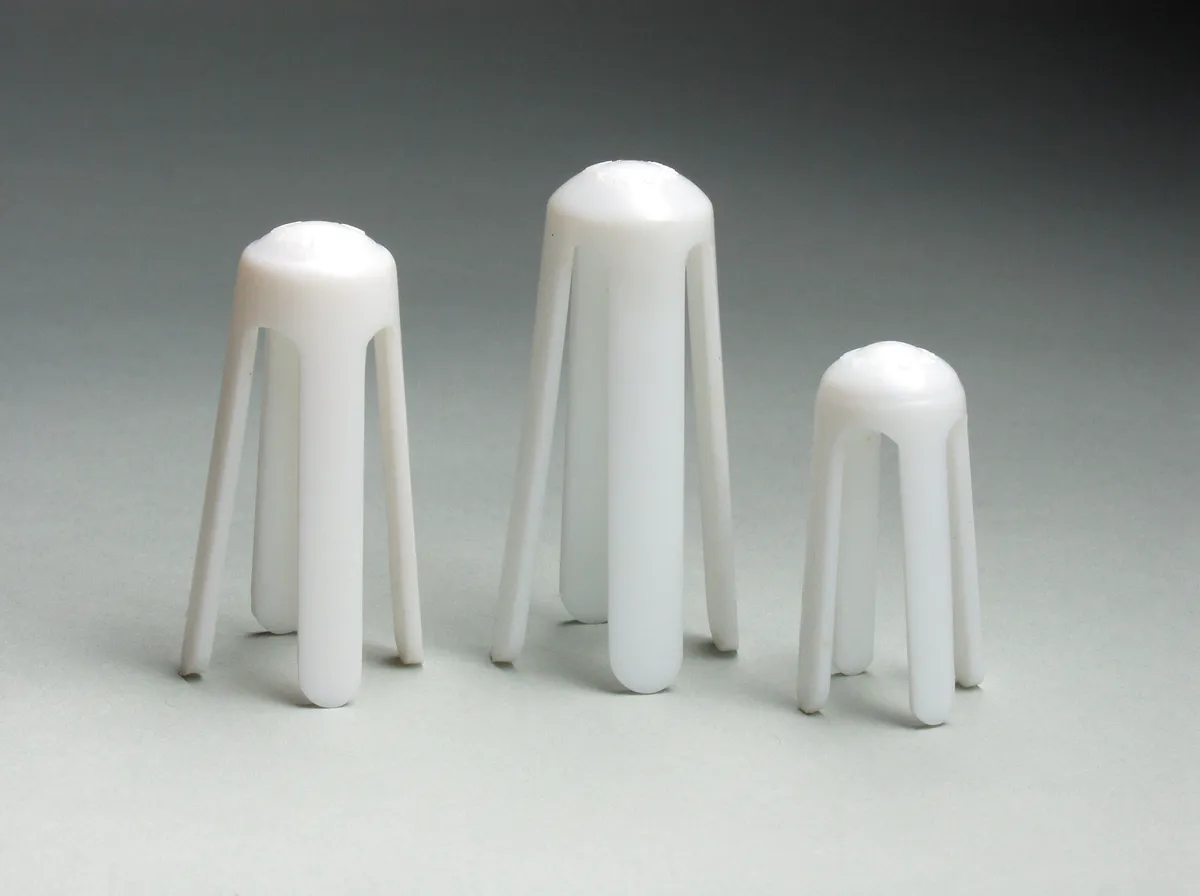
Dukal
FINGER GUARD SET, PLAS UNPADDED ASTD SZ LF (12/BX)
$24.06USD
Every unit is rated to a specific safe working load (SWL) — match the rating to the patient's weight plus clinical safety margin.
Mechanical lifts and transfer devices reduce staff back injuries and comply with safe-patient-handling protocols (OSHA and ANA).
Sizing options and adjustable straps accommodate patient stature and clinical context — from pediatric to bariatric.
Home, long-term care, acute, and rehab variants meet the infection-control and durability needs of each setting.
Mobility and transfer equipment supports safe patient movement — from transfer boards and gait belts to patient lifters, walking aids, and post-fracture cam walkers. Selection is driven by patient weight capacity, assist level, and care setting.
Confirm weight, cognitive status, and ability to bear weight. Match equipment to assist level (stand-assist, sit-to-stand, full lift).
Check straps, buckles, wheels, hydraulics, and batteries before every transfer. Any defect = remove from service.
Lock wheels. Apply gait belt or sling with proper fit — no twisting, no loose slack. Two-staff technique for dependent transfers.
Count out loud (1-2-3). Maintain neutral spine on your side; let the equipment (not your back) carry the load.
Log transfer type, assist level, patient tolerance, and any equipment issues in the care plan.
Clinical use information is provided for reference only. Always follow facility protocols, manufacturer instructions for use (IFU), and evidence-based practice guidelines. Consult the treating clinician before use.
Standards & Certifications
A spec-by-spec comparison with the most common alternatives in the mobility & transfer category. Clinical interchangeability varies — always verify with your care team or facility protocol.
| Spec | This product LIFT, HYDRAULIC HOYER ADV PORT | Hospital Supply HQ Hoyer Hydraulic Classic Patient Lift Only - Guardian | Joerns Healthcare Hoyer Advance-H Portable Patient Lift Hydraulic | Joerns Healthcare Hoyer Pool Lift Hydraulic w/ Sling w/Back & Chains |
|---|---|---|---|---|
| Sizing | Adult | Adult | L | Adult |
| Reusable | Single-use | Single-use | Single-use | Single-use |
Comparison is provided for reference only. Brand names and trademarks belong to their respective owners. Specific SKUs may differ from category averages shown above.
Trusted manufacturer
An established medical products manufacturer supplying clinical teams with quality healthcare supplies.
Answers to the questions clinical buyers and care teams ask most about this product category.
Match the lifter to the patient's assist level: stand-assist for partial weight bearing, sit-to-stand for moderate assist, full-body lift for fully dependent patients. Verify the safe working load exceeds the patient's weight with a margin.
Gait belts are typically 54–72 inches. Choose a length that wraps the patient's waist with 6–12 inches of tail for the staff grip. Bariatric patients may need 72+ inch belts with reinforced buckles.
Weight-bearing status is determined by the ordering provider. Cam walkers immobilize the foot and ankle but do not automatically permit weight-bearing — follow the prescribed protocol (non-weight-bearing, partial, full).
Sling compatibility is not universal. Most manufacturers require brand-matched slings for safety certification. Mixing brands can void warranty and violate safe-patient-handling policy.
Visual inspection before every use; full load-testing and documentation annually (or per facility policy). Retire slings showing fraying, stitching damage, or discoloration regardless of age.
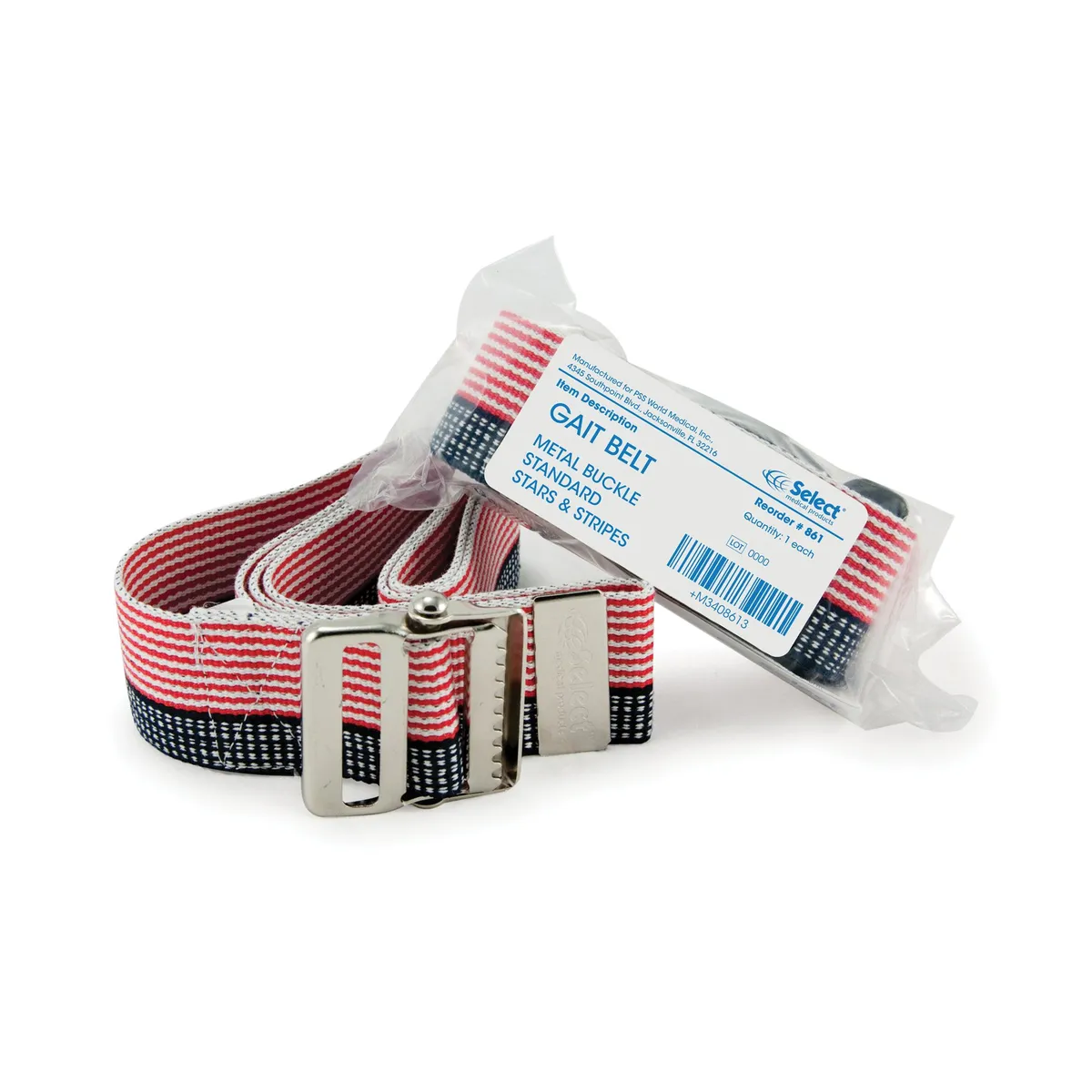
McKesson Brand
McKesson Gait Belt, 60 Inch, Stars and Stripes, 1 Case of 48
$447.49USD
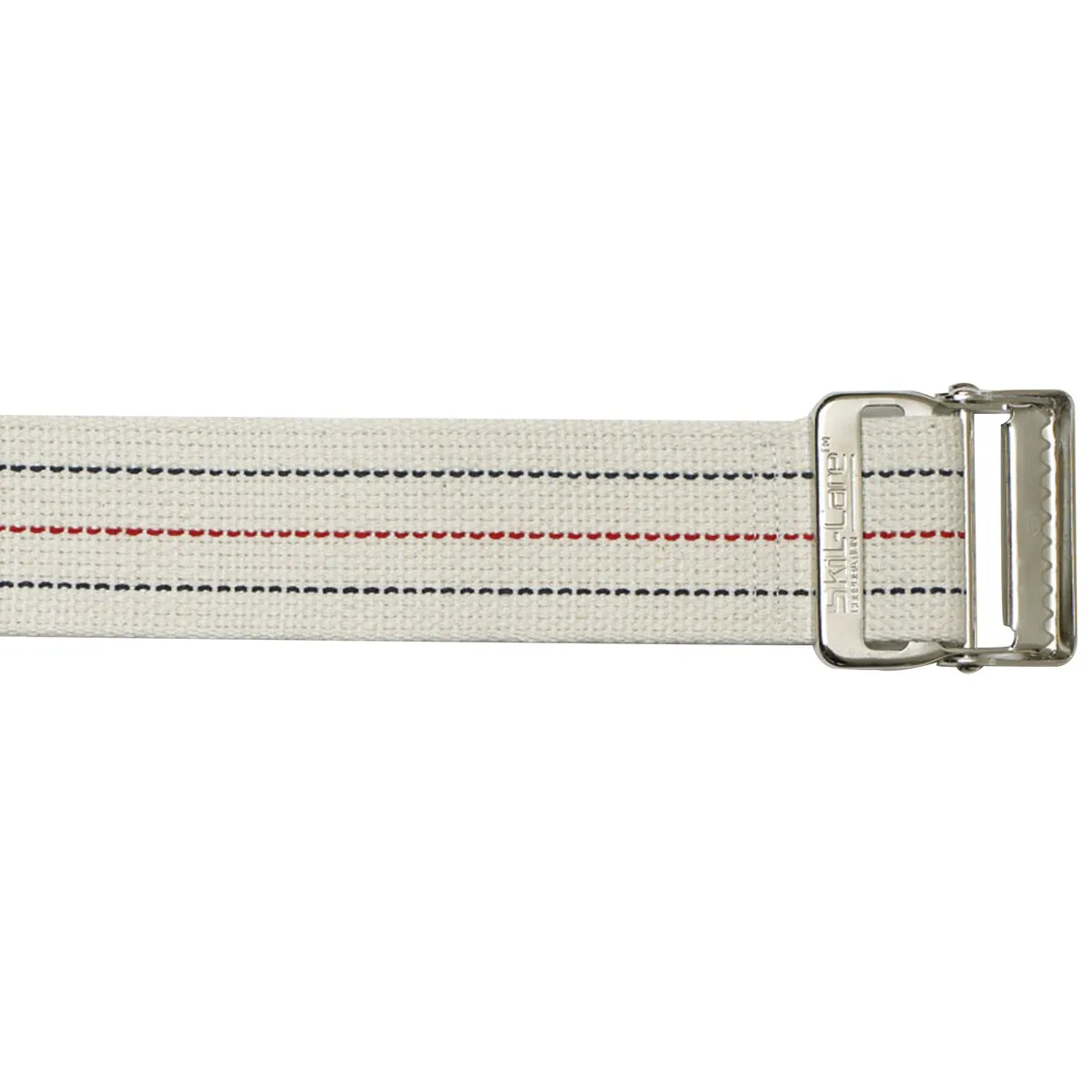
Skil-Care
SkiL-Care™ Heavy-Duty Gait Belt with Metal Buckle, Pinstripe, 72 Inch, 1 Each
$31.03USD
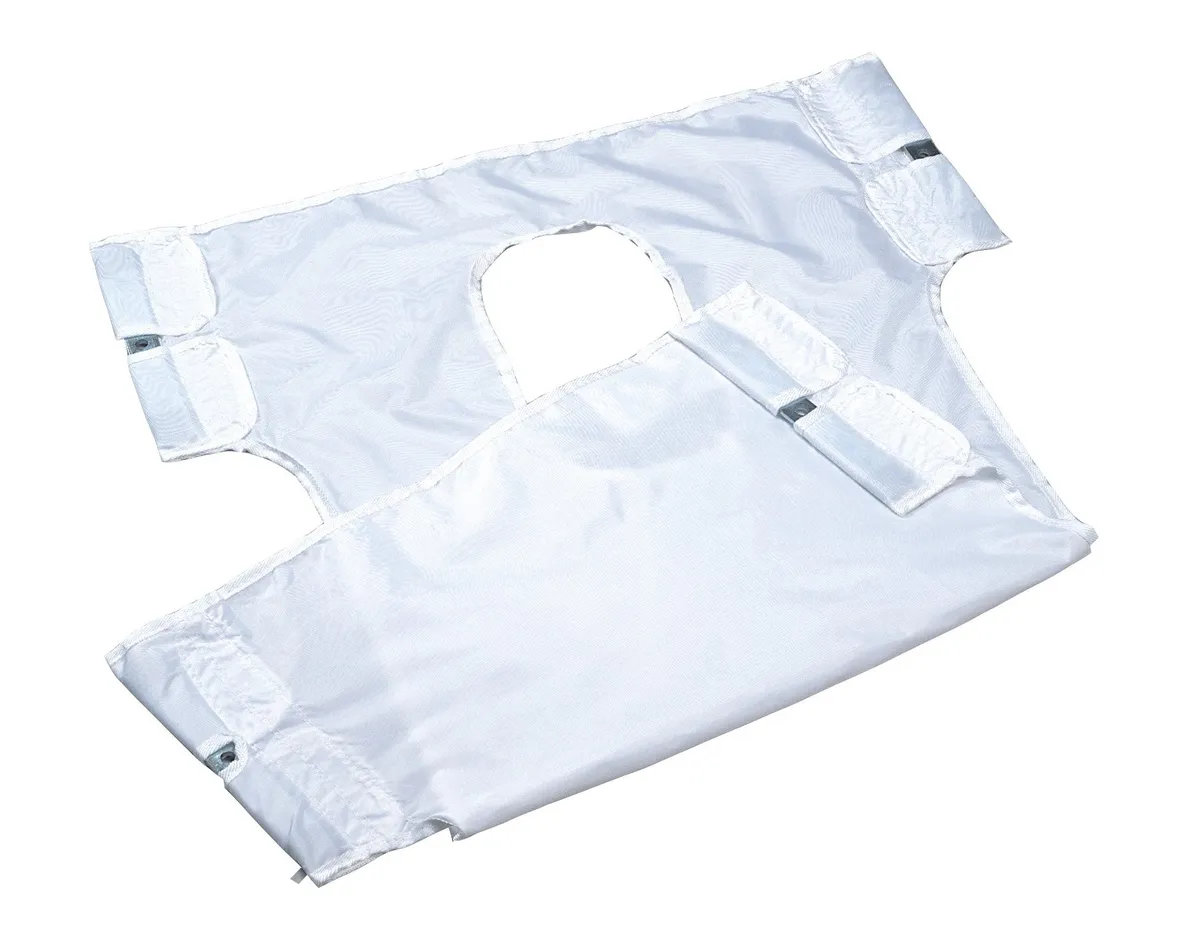
Drive Medical
drive™ Seat and Back Commode Sling, 1 Each
$58.72USD
Joerns Healthcare
Hoyer® Four-Point Seat Sling, 1 Each
$215.53USD
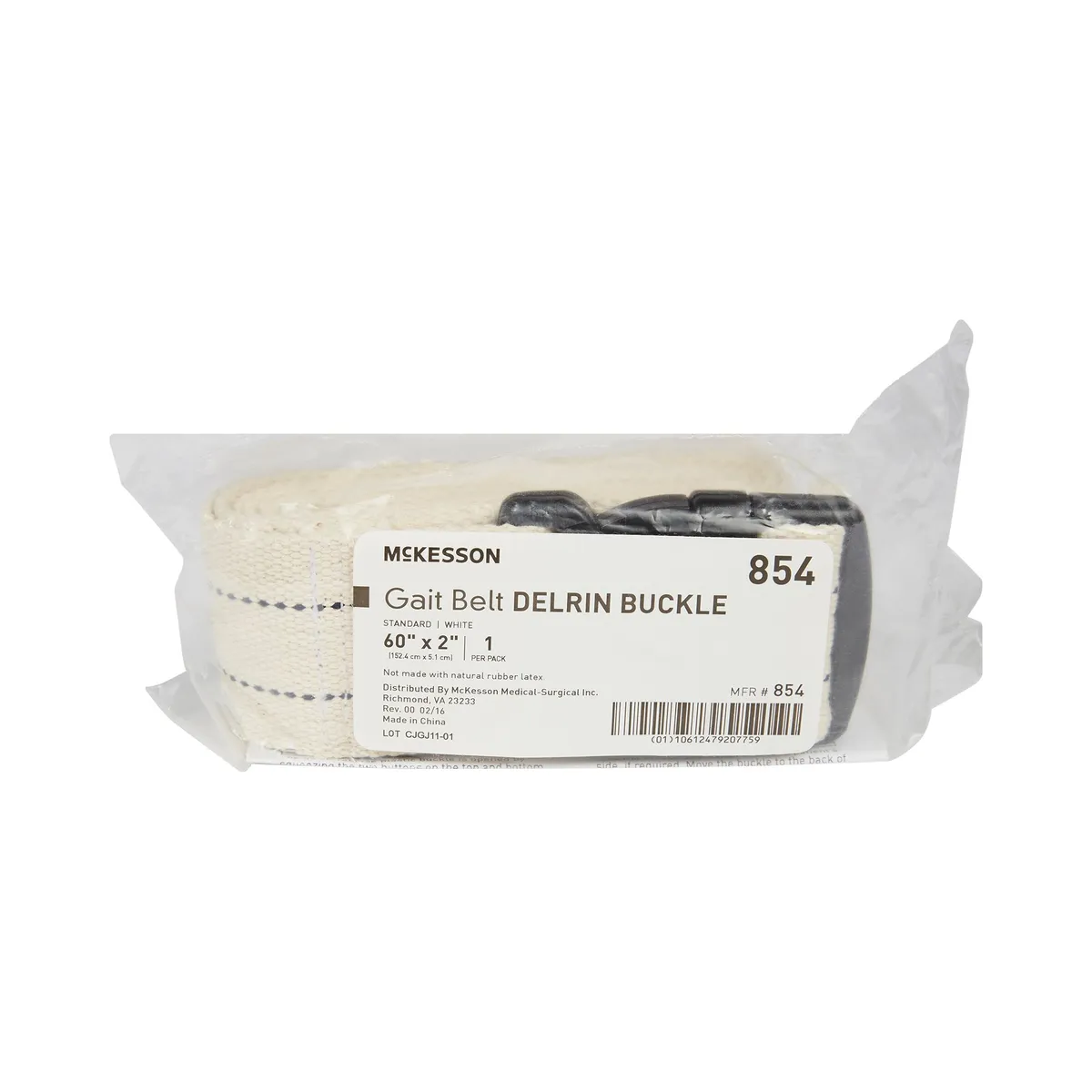
McKesson Brand
McKesson Gait Belt, 60 Inch, White, 1 Case of 48
$645.94USD
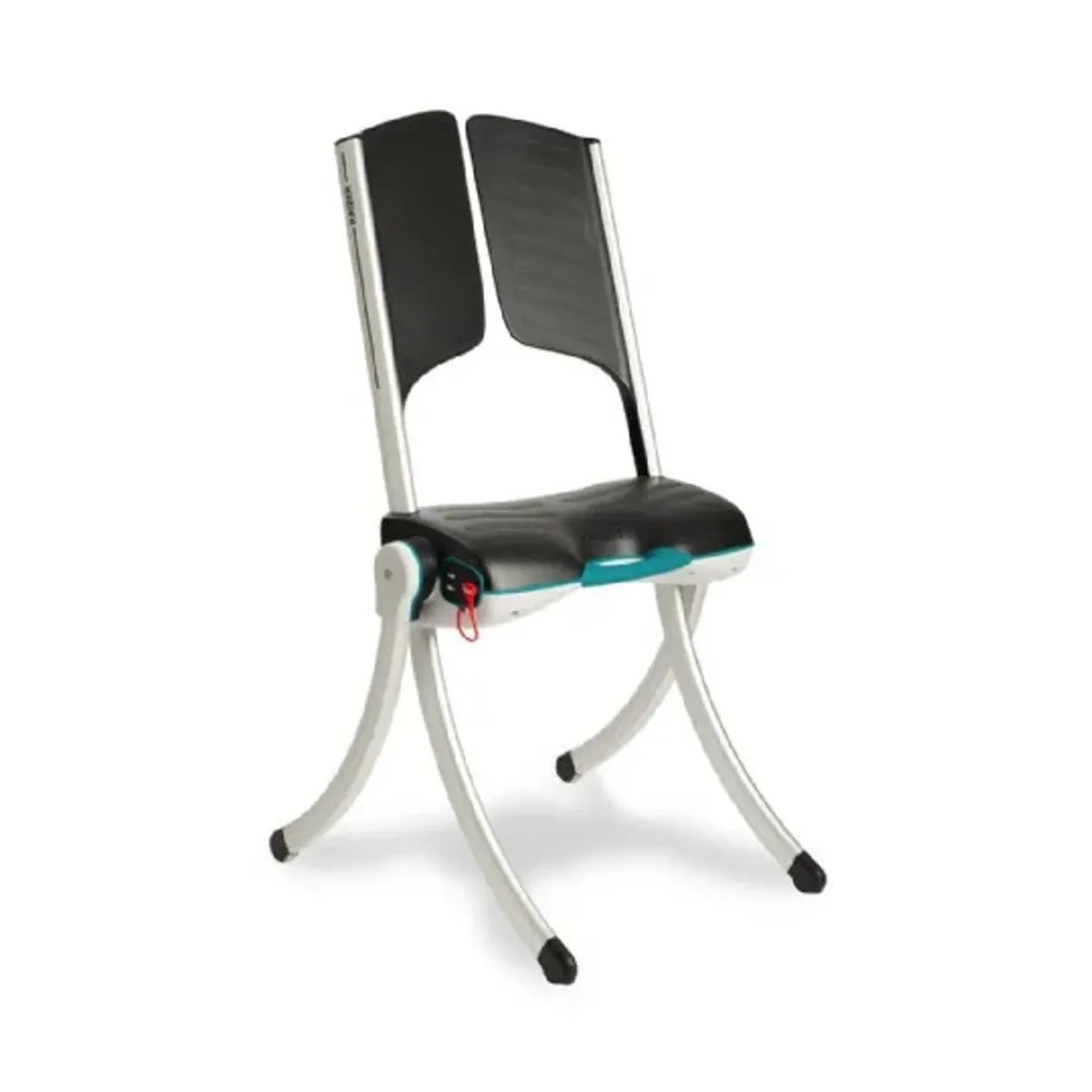
Liftup North America Inc
LIFT, PATIENT RAIZER II N/AC POWERED
$4,450.78USD
McKesson Brand
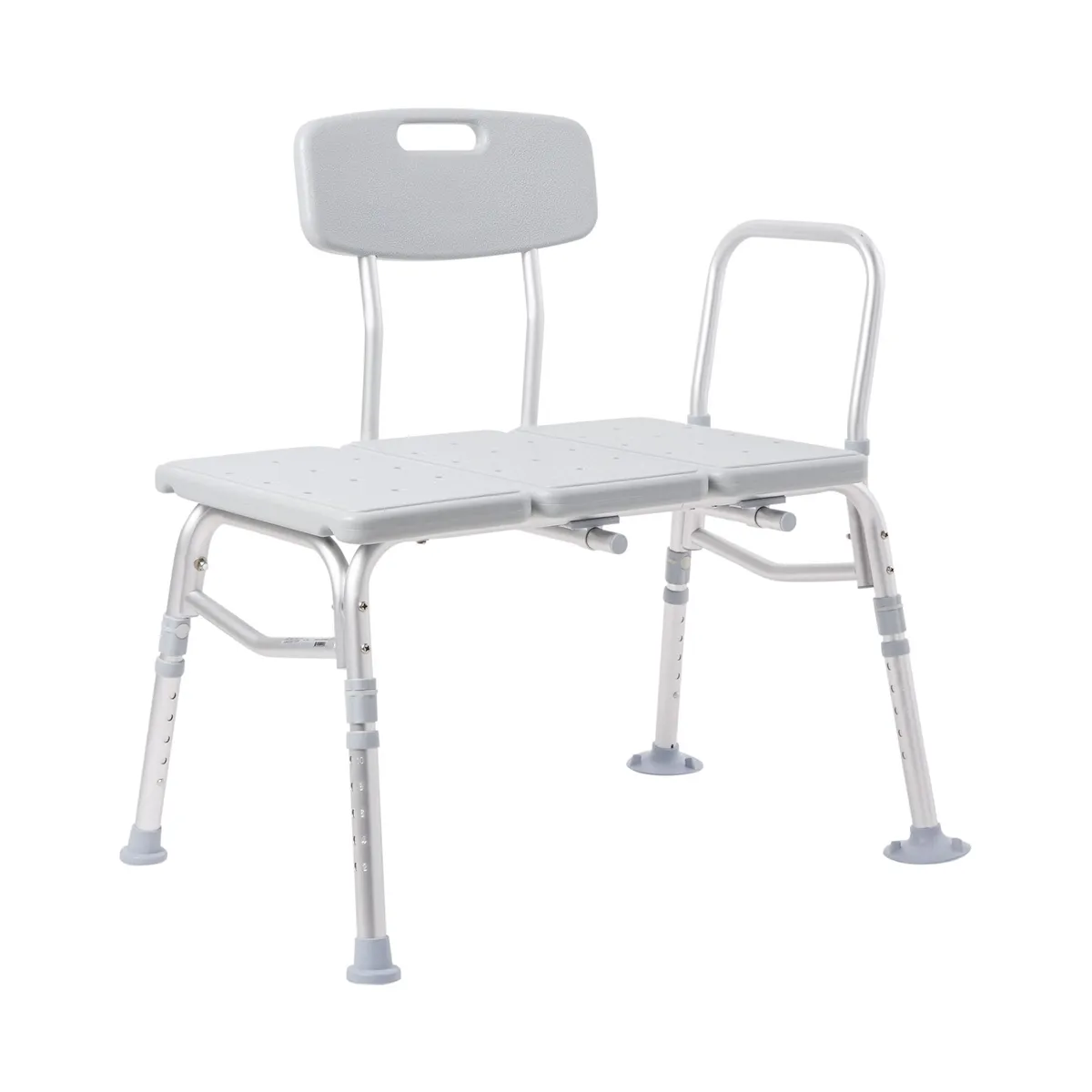
McKesson Aluminum Transfer Bench with Reversible Back, 1 Each
$152.01USD
Skil-Care
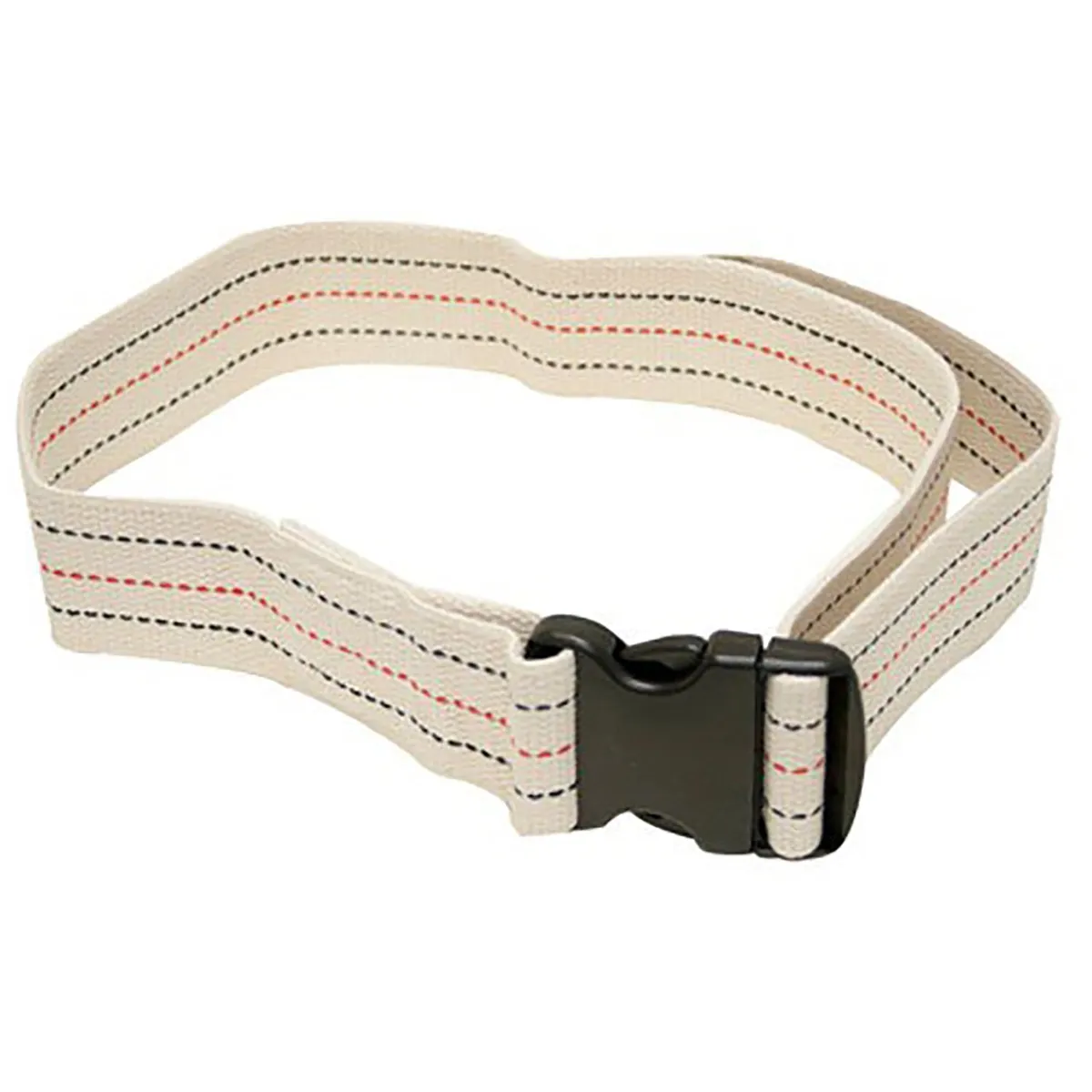
SkiL-Care™ Standard Gait Belt with Delrin Buckle, Pinstripe, 60 Inch, 1 Each
$30.26USD
$1,763.06USD
$2,023.49USD
Save $260.43In stock. Order by 2pm PST for same-day processing.
In stock
Ships from our western US warehouses
Fast shipping
Same-day processing before 2pm PST
30-day returns
Hassle-free on eligible orders
HSA / FSA
Eligible for most medical accounts
$1,763.06USD
$2,023.49USD
Clinical Evidence
Ergonomics
A systematic review and meta-analysis of studies measuring the physical (biomechanical) stress on nurses when using motorised and non-motorised lifting devices for wheelchair transfers.
Key Findings
International journal of occupational safety and ergonomics : JOSE
A systematic review of workplace interventions that promote safe patient handling and movement among healthcare workers.
Key Findings
Sample Size
10 RCTs and 19 cohort studies
Clinical evidence is provided for informational purposes only. Healthcare professionals should evaluate products based on their clinical judgment and patient-specific factors. Links to external studies are provided as references and do not constitute endorsement. Always refer to the manufacturer's instructions for use.