Assess patient.
Confirm weight, cognitive status, and ability to bear weight. Match equipment to assist level (stand-assist, sit-to-stand, full lift).
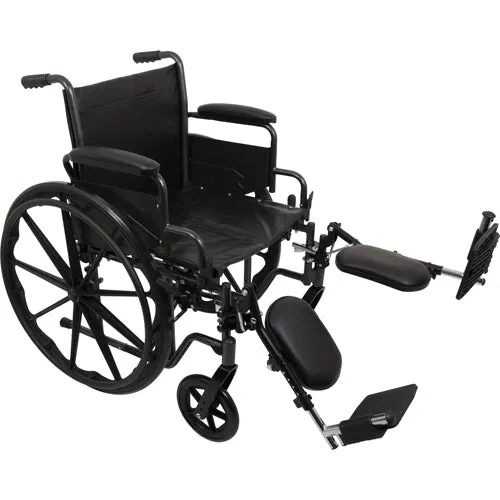
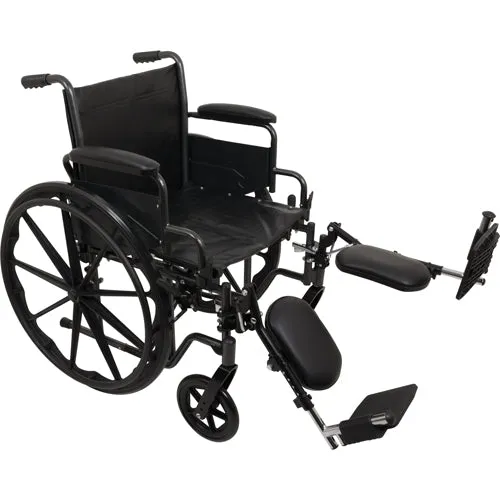
The ProBasics K2 Standard Hemi Wheelchair is designed to meet a variety of patient profiles. With a patient weight capacity of 300 pounds a dual axle for hemi-height adjustment and multi-position caster forks it is one of the more versatile wheelchairs on the market today. Sold as each. he ProBasics K2 Standard Hemi Wheelchair is designed to meet a variety of patient profiles. With a patient weight capacity of 300 pounds a dual axle for hemi-height adjustment and multi-position caster forks it is one of the more versatile wheelchairs on the market today. Standard features include flip back removable padded armrests easy-to-clean vinyl upholstery chart pocket and heel loops on the front riggings. Slide tube powder-coated silver vein steel frame Dual axle provides easy transition of seat height to hemi-level Easy-to-clean comfortable vinyl upholstery resists mildew and bacteria Flip-back padded upholstered armrests are removable Chart pocket on back for additional convenience Includes elevating padded legrests with composite footplates Elevating legrests are equipped with a pneumatic piston for infinite elevating positions Easy push-to-lock wheel locks Precision sealed wheel bearings in front and rear ensure long lasting performance and reliability Composite handrims with 24 solid urethane tires 8 x 1 solid rubber front casters HCPCS* Code: K0002 K0001 K0195 OR E0990 (elevating legrests only)
Other sizes, pack counts, and variants of the same product line.
Products commonly used alongside this one. Bundle them into a single order.
DJO
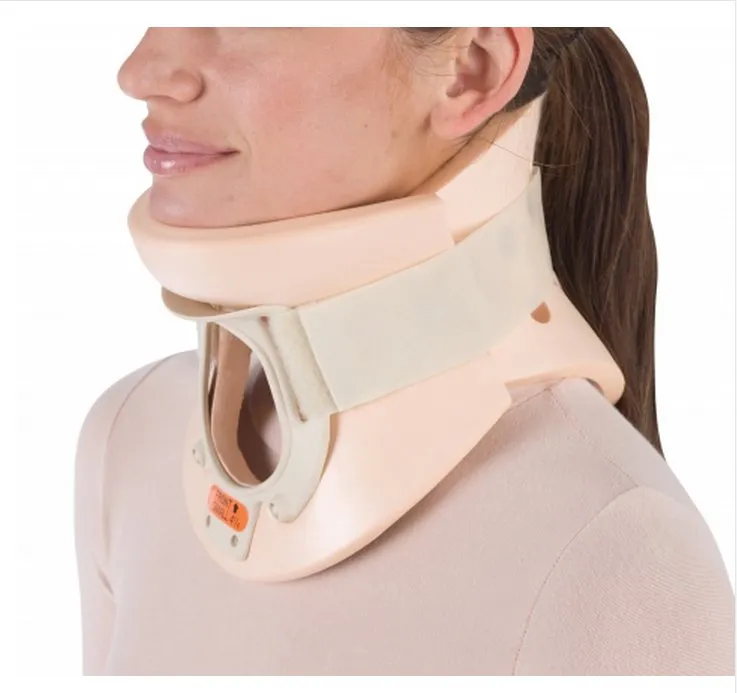
ProCare California Rigid Cervical Collar, Medium, 4¼ Inch Height, 1 Each
$44.58USD
Patterson Medical Supply
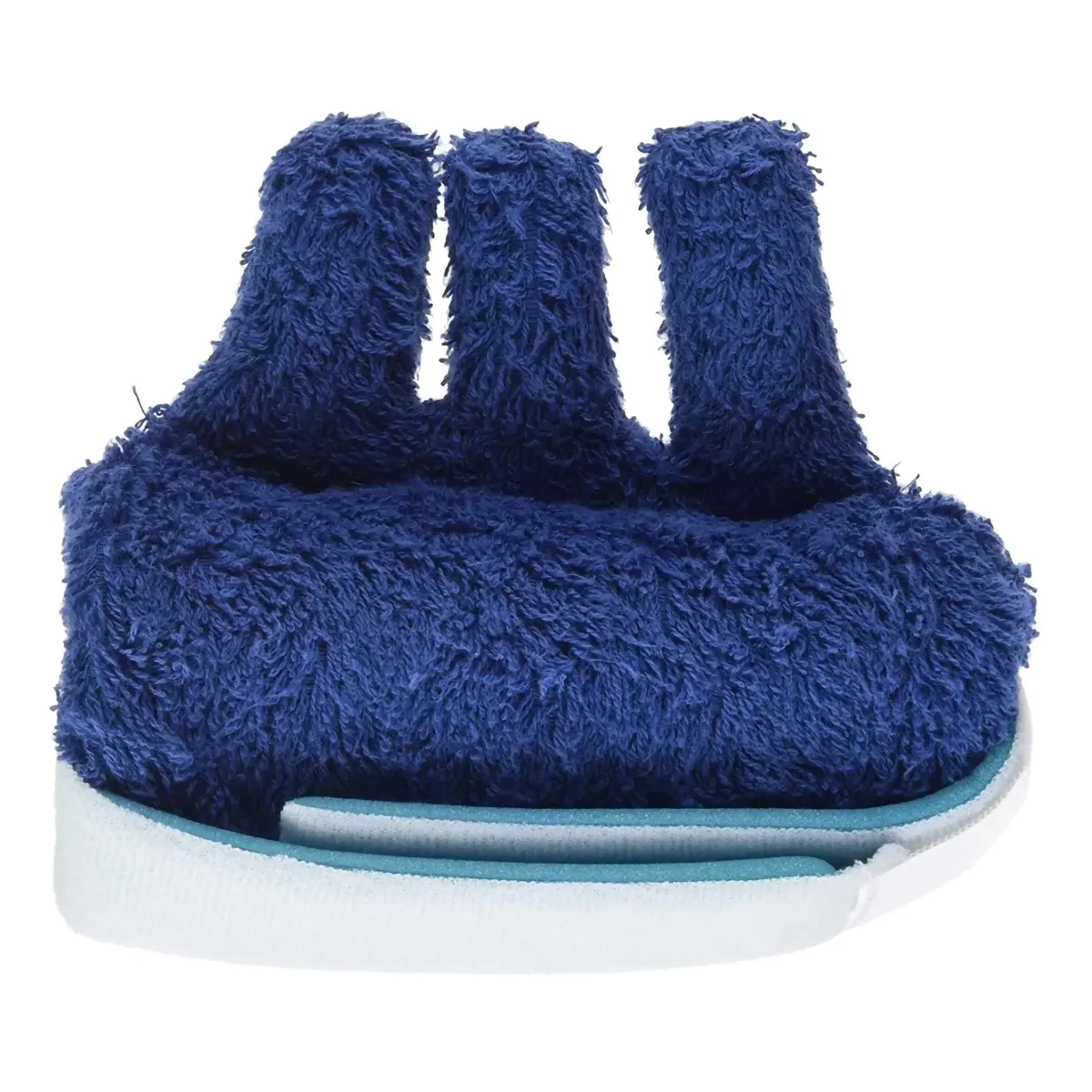
Rolyan® Cone With Finger Separator, Regular, 1 Each
$35.88USD
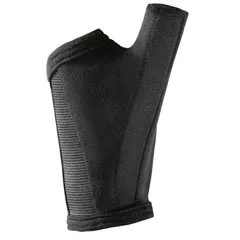
Brownmed
IMAK® Thumb Stabilizer, Small, 1 Each
$37.88USD
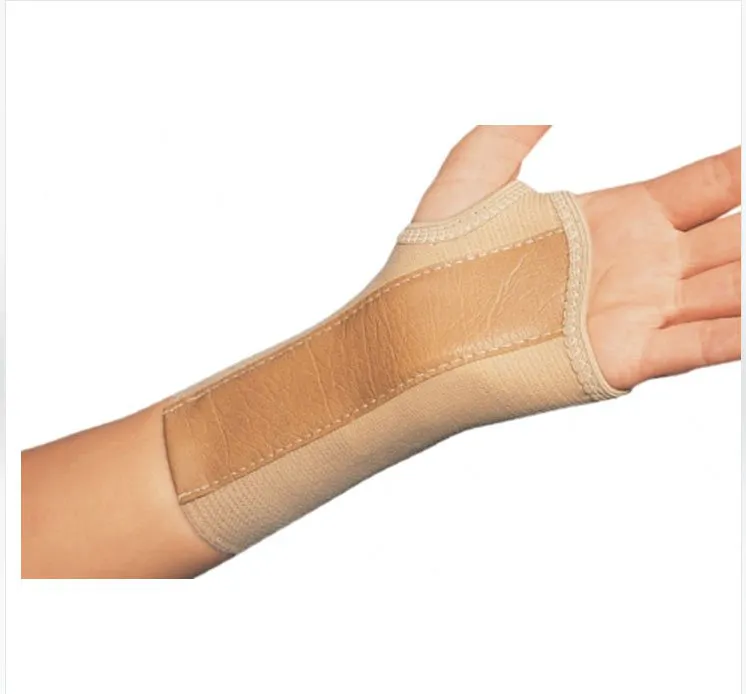
DJO
ProCare® Left Wrist Brace, Small, 1 Each
$25.33USD
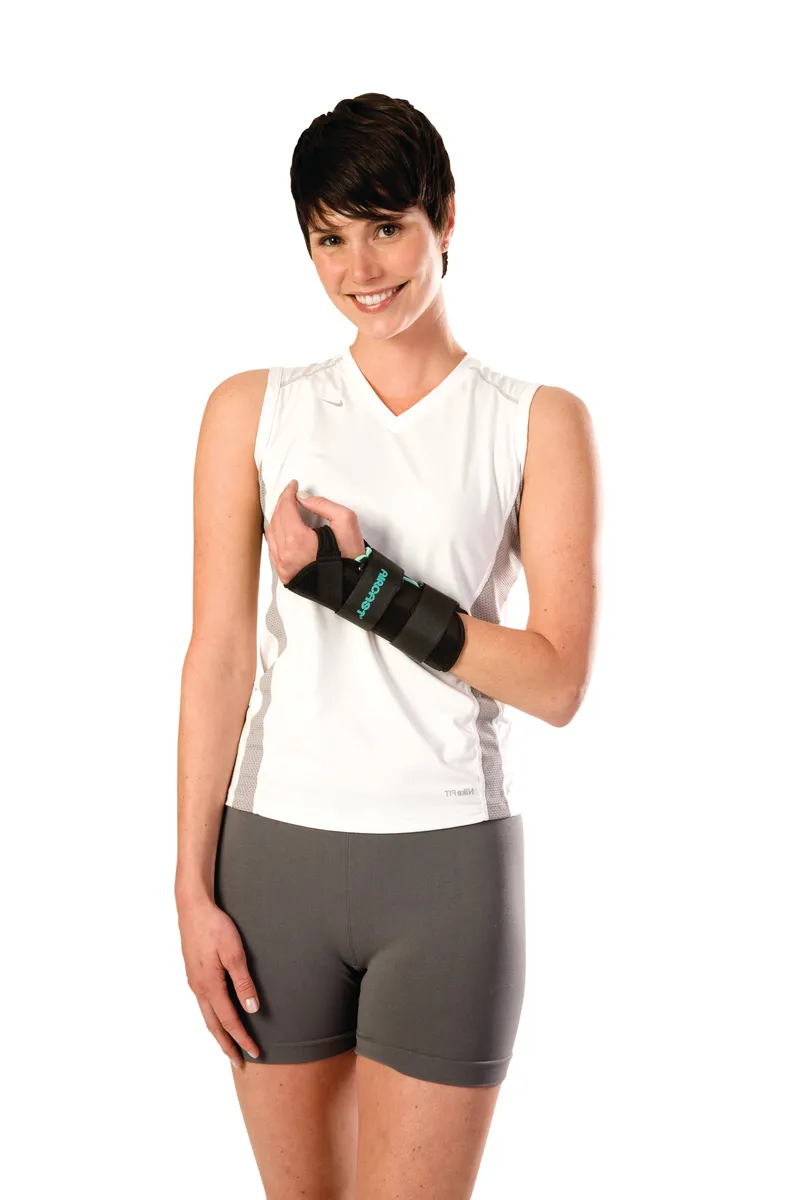
DJO
AirCast® A2™ Right Wrist Brace With Thumb Spica, Small, 1 Each
$38.70USD
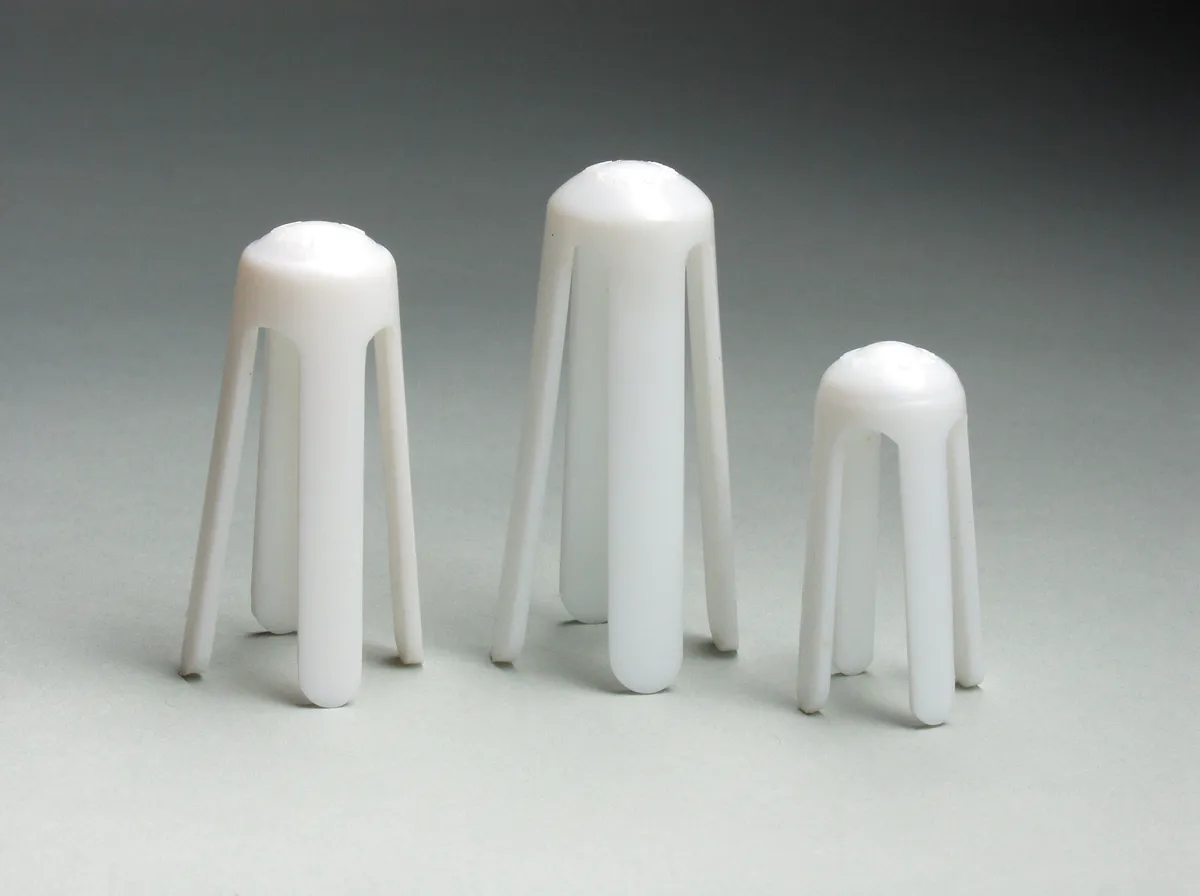
Dukal
FINGER GUARD SET, PLAS UNPADDED ASTD SZ LF (12/BX)
$24.06USD
Every unit is rated to a specific safe working load (SWL) — match the rating to the patient's weight plus clinical safety margin.
Mechanical lifts and transfer devices reduce staff back injuries and comply with safe-patient-handling protocols (OSHA and ANA).
Sizing options and adjustable straps accommodate patient stature and clinical context — from pediatric to bariatric.
Home, long-term care, acute, and rehab variants meet the infection-control and durability needs of each setting.
Mobility and transfer equipment supports safe patient movement — from transfer boards and gait belts to patient lifters, walking aids, and post-fracture cam walkers. Selection is driven by patient weight capacity, assist level, and care setting.
Confirm weight, cognitive status, and ability to bear weight. Match equipment to assist level (stand-assist, sit-to-stand, full lift).
Check straps, buckles, wheels, hydraulics, and batteries before every transfer. Any defect = remove from service.
Lock wheels. Apply gait belt or sling with proper fit — no twisting, no loose slack. Two-staff technique for dependent transfers.
Count out loud (1-2-3). Maintain neutral spine on your side; let the equipment (not your back) carry the load.
Log transfer type, assist level, patient tolerance, and any equipment issues in the care plan.
Clinical use information is provided for reference only. Always follow facility protocols, manufacturer instructions for use (IFU), and evidence-based practice guidelines. Consult the treating clinician before use.
Standards & Certifications
A spec-by-spec comparison with the most common alternatives in the mobility & transfer category. Clinical interchangeability varies — always verify with your care team or facility protocol.
| Spec | This product K2 Wheelchair 20 x16 Removbl Desk Arms Elevating Legrests | Hospital Supply HQ K2 Wheelchair 18 x16 Removbl Desk Arms Swing Away Footrests | Hospital Supply HQ K3 Wheelchair 18 x16 Flip Up Height Adj Desk Arms ELR | Hospital Supply HQ Wheelchair Econ Rem Full Arms w/Elevating Legrests 18 |
|---|---|---|---|---|
| Sizing | Adult | Adult | Adult | Adult |
| Reusable | Single-use | Single-use | Single-use | Single-use |
Comparison is provided for reference only. Brand names and trademarks belong to their respective owners. Specific SKUs may differ from category averages shown above.
Trusted manufacturer
An established medical products manufacturer supplying clinical teams with quality healthcare supplies.
Answers to the questions clinical buyers and care teams ask most about this product category.
Match the lifter to the patient's assist level: stand-assist for partial weight bearing, sit-to-stand for moderate assist, full-body lift for fully dependent patients. Verify the safe working load exceeds the patient's weight with a margin.
Gait belts are typically 54–72 inches. Choose a length that wraps the patient's waist with 6–12 inches of tail for the staff grip. Bariatric patients may need 72+ inch belts with reinforced buckles.
Weight-bearing status is determined by the ordering provider. Cam walkers immobilize the foot and ankle but do not automatically permit weight-bearing — follow the prescribed protocol (non-weight-bearing, partial, full).
Sling compatibility is not universal. Most manufacturers require brand-matched slings for safety certification. Mixing brands can void warranty and violate safe-patient-handling policy.
Visual inspection before every use; full load-testing and documentation annually (or per facility policy). Retire slings showing fraying, stitching damage, or discoloration regardless of age.
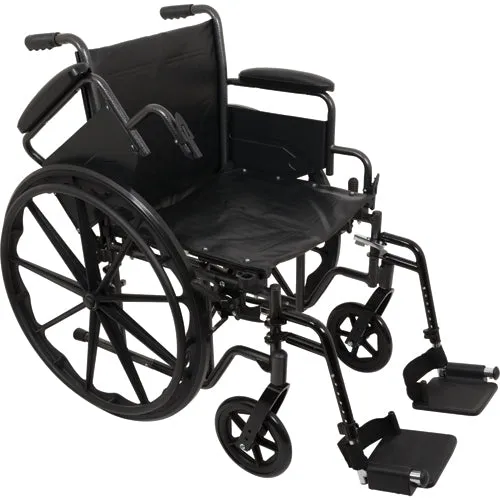
Hospital Supply HQ
K2 Wheelchair 18 x16 Removbl Desk Arms Swing Away Footrests
$481.72USD
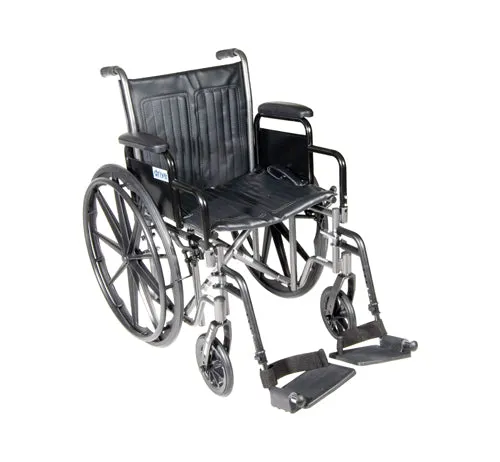
Hospital Supply HQ
Wheelchair Fixed Arms 18 S/A F/Rests Dual Axle K1/K2
$354.17USD
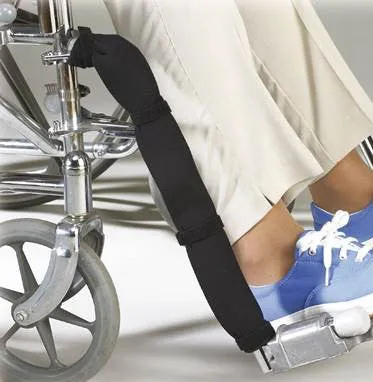
Hospital Supply HQ
Leg Protector Pair for Wheelchair Legrests
$54.61USD
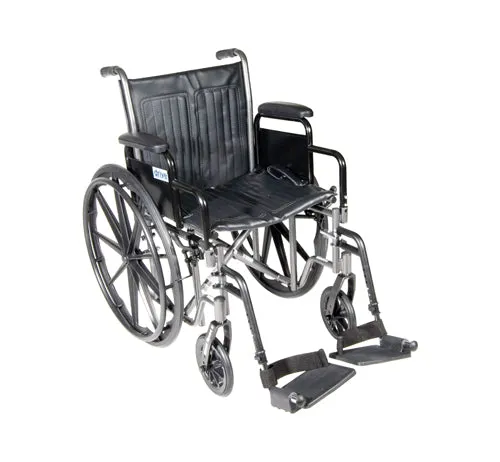
Hospital Supply HQ
Wheelchair Econ Rem Desk Arms 18 w/SF Dual Axle K1/K2
$357.76USD
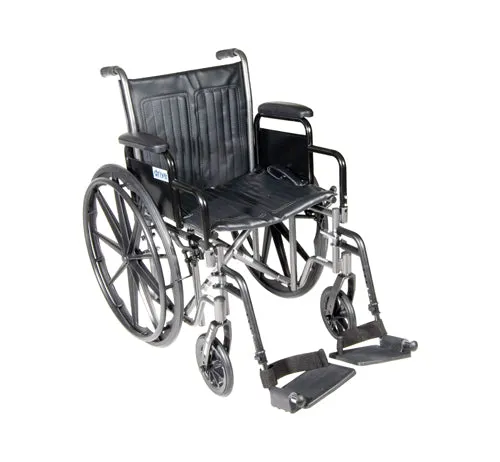
Hospital Supply HQ
Wheelchair Economy 18 K1/K2 F/A w/Elevating Legrests
$371.63USD
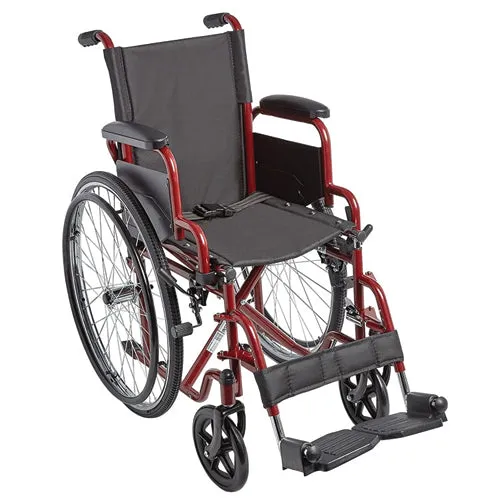
Hospital Supply HQ
Ziggo Wheelchair Lightweight Folding 14 Red
$472.86USD
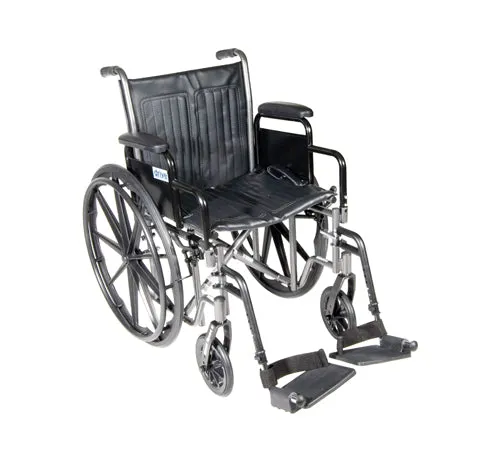
Hospital Supply HQ
Wheelchair Econ Rem Full Arms W/SDF Dual Axle 18
$360.00USD
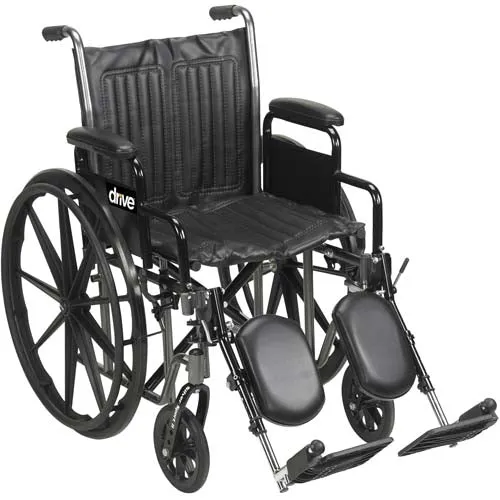
Hospital Supply HQ
Wheelchair Econ Rem Full Arms 20 w/ Swing-Away Footrests
$361.90USD
$519.12USD
$519.44USD
Save $0.32In stock. Order by 2pm PST for same-day processing.
In stock
Ships from our western US warehouses
Fast shipping
Same-day processing before 2pm PST
30-day returns
Hassle-free on eligible orders
HSA / FSA
Eligible for most medical accounts
$519.12USD
$519.44USD
Clinical Evidence
Journal of the American Geriatrics Society
A randomised trial in nursing home residents aged 60 and older comparing individually configured wheelchairs with facility-provided wheelchairs, both with skin protection cushions.
Key Findings
Sample Size
258 nursing home residents
Disability and rehabilitation. Assistive technology
A systematic review and meta-analysis of randomised trials of the Wheelchair Skills Training Program for wheelchair users.
Key Findings
Sample Size
13 RCTs, 581 participants
Clinical evidence is provided for informational purposes only. Healthcare professionals should evaluate products based on their clinical judgment and patient-specific factors. Links to external studies are provided as references and do not constitute endorsement. Always refer to the manufacturer's instructions for use.