Measure the limb.
Measure ankle, calf, and thigh circumferences in the morning before swelling. Use the manufacturer's size chart — fit is critical.
Other sizes, pack counts, and variants of the same product line.
Products commonly used alongside this one. Bundle them into a single order.
Unilever
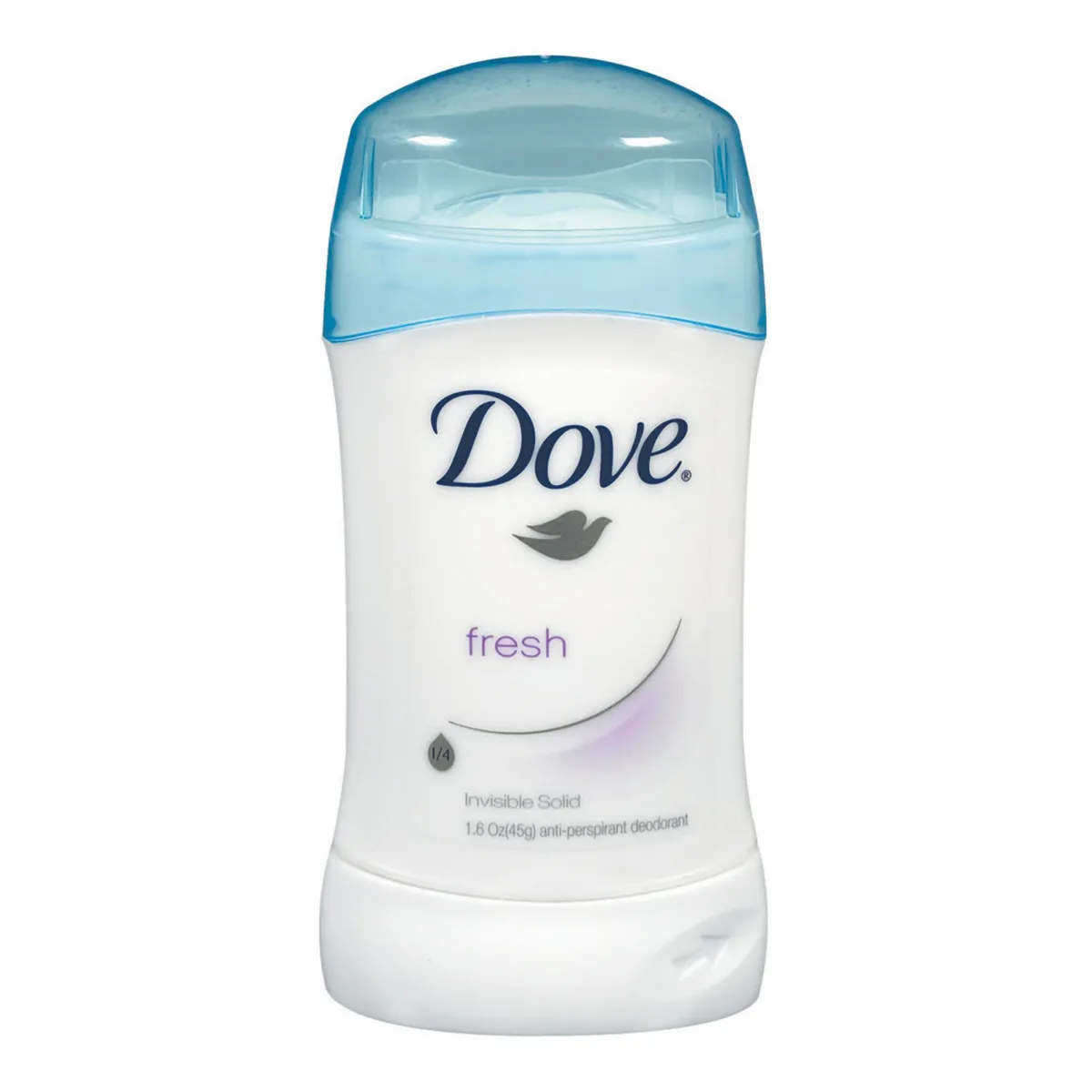
Dove® Antiperspirant / Deodorant, 1 Each
$22.19USD
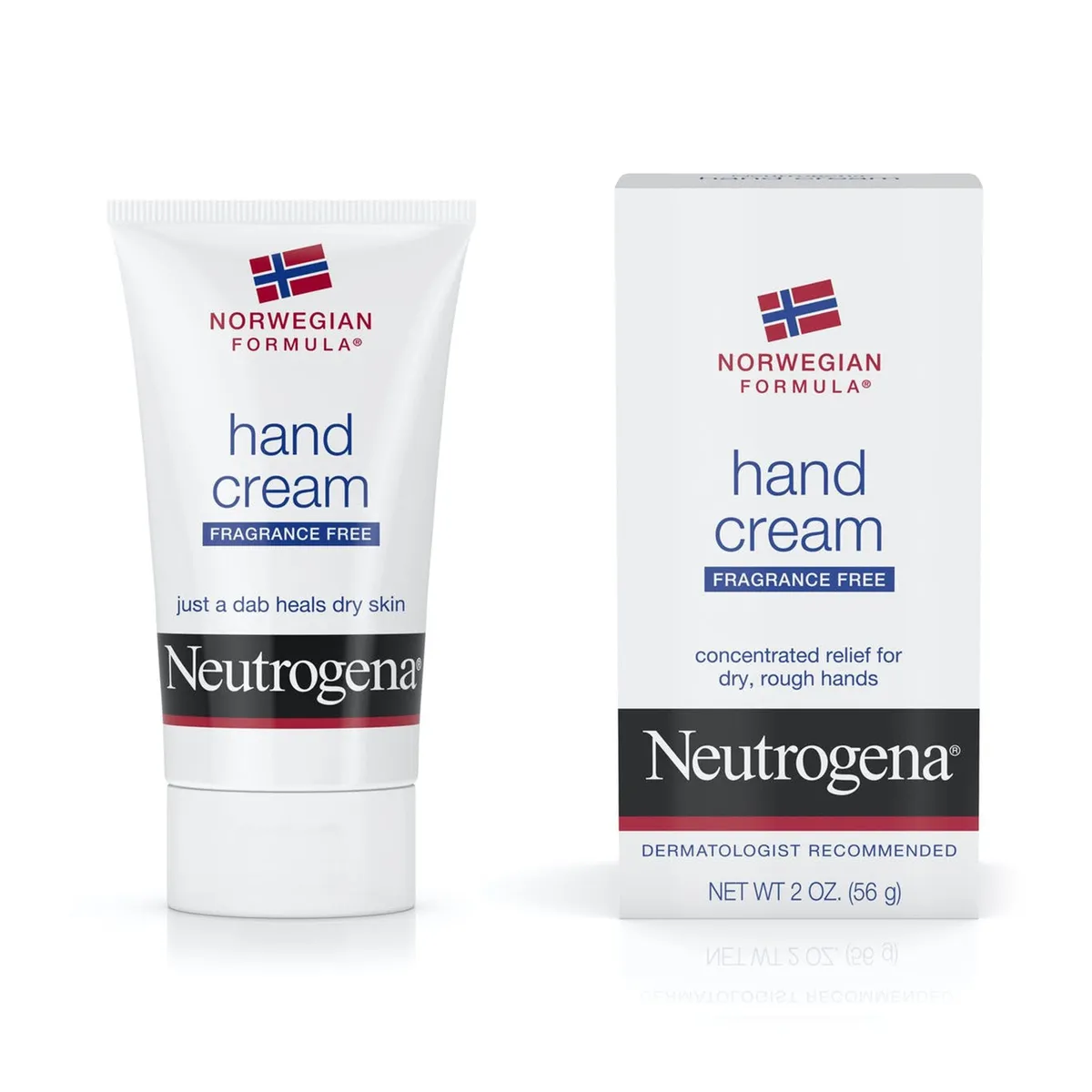
Neutrogena
Neutrogena® Moisturizer, 1 Each
$24.14USD

Pelton Shephard Industries
Flex-Gel™ Ice Pack, 3 x 5 Inch, 1 Each
$14.33USD
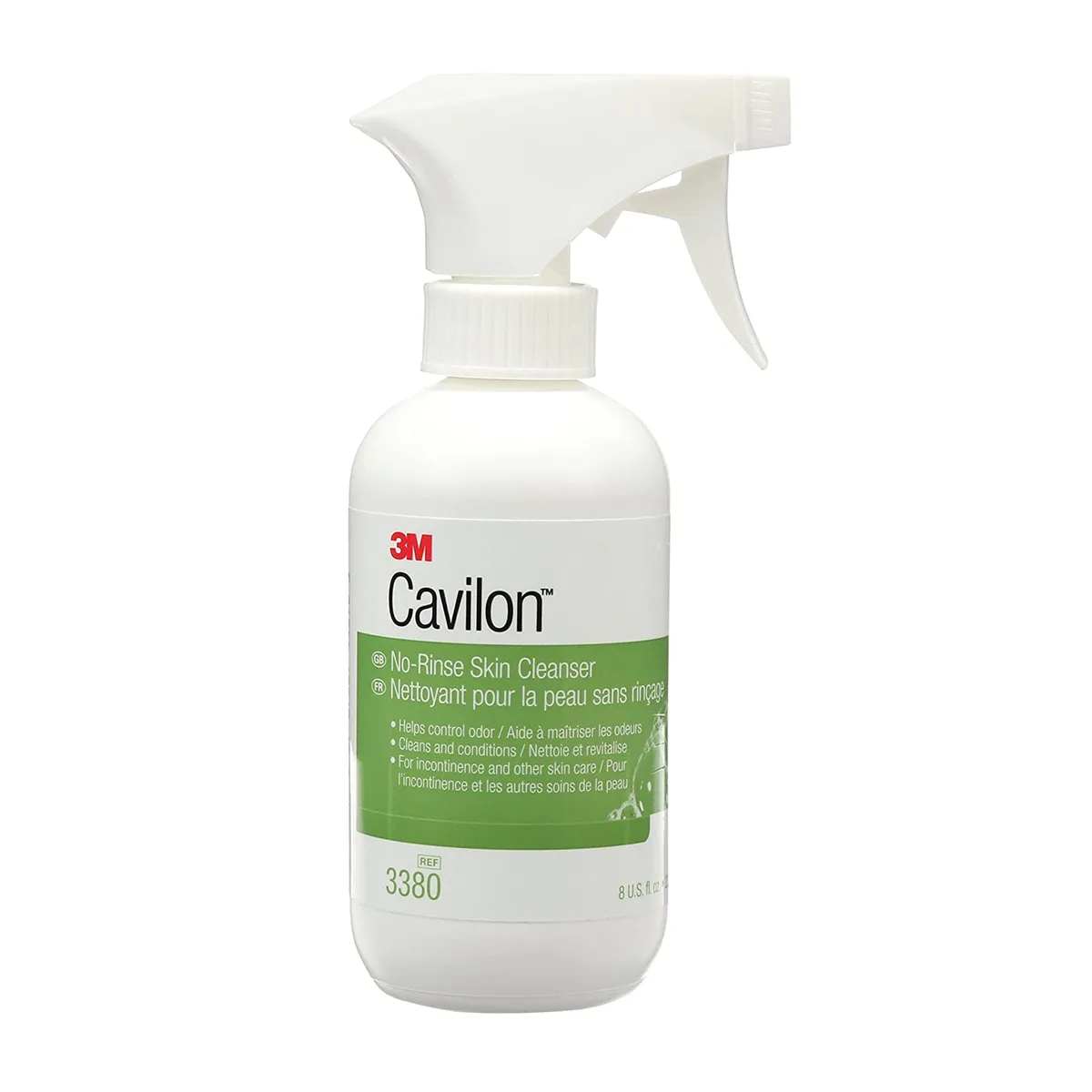
3M
3M Cavilon Rinse-Free Body Wash, 8 Oz Pump Bottle, Floral Scent, 1 Each
$18.36USD
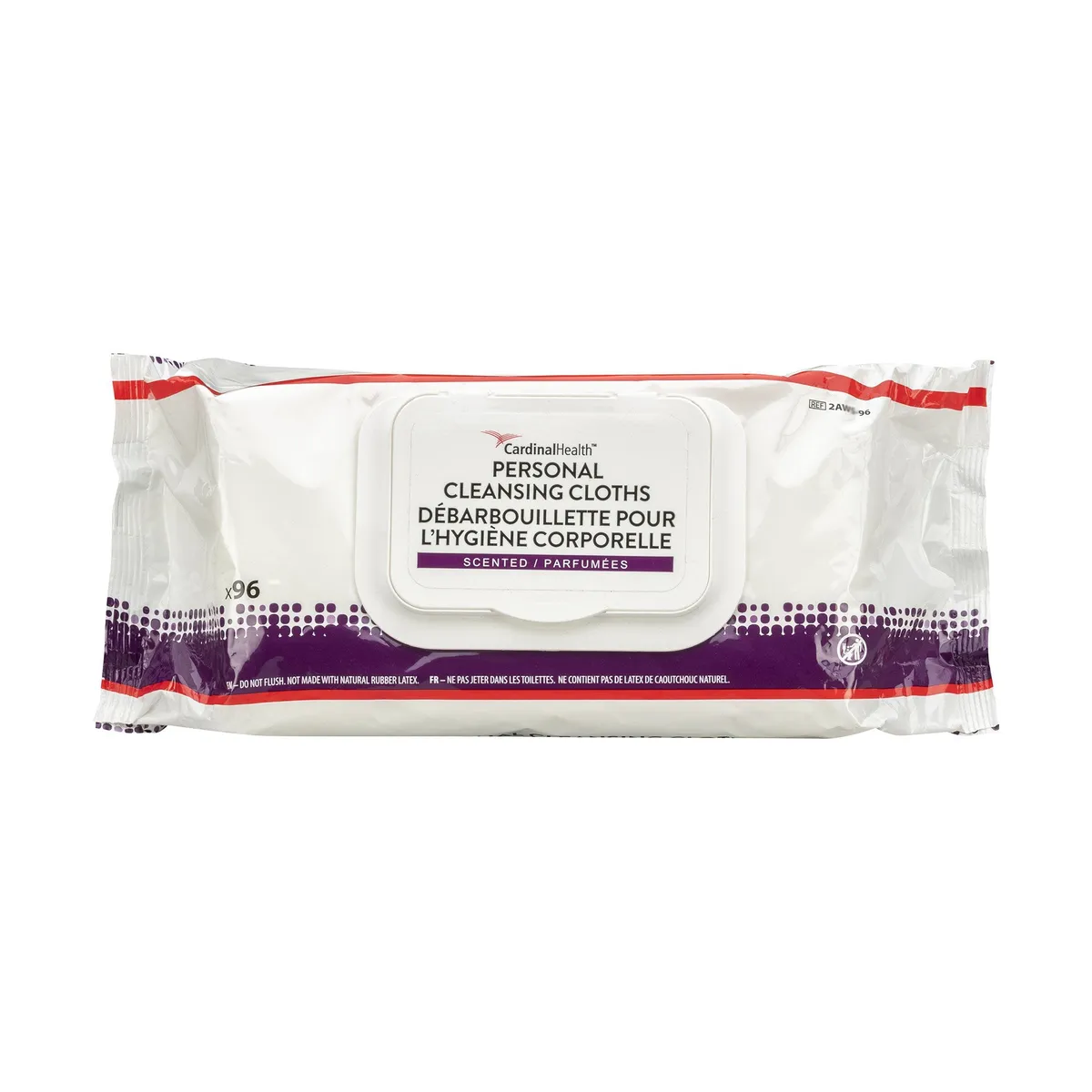
Cardinal
Cardinal Unscented Personal Wipe, 1 Pack of 96
$32.62USD
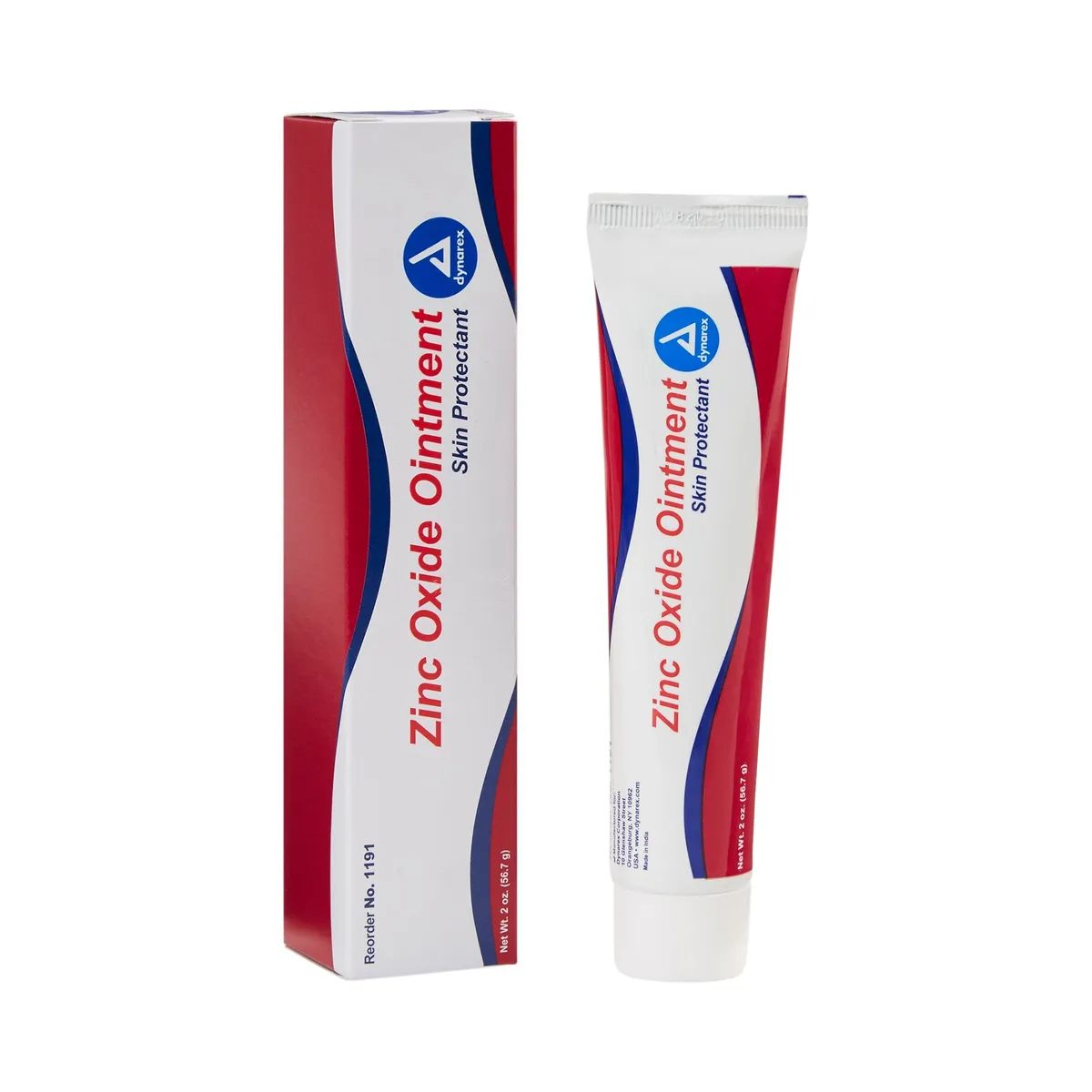
Dynarex
Dynarex Zinc Oxide Skin Protectant, Scented, 2 Oz Tube, 1 Case of 72
$182.29USD
Pressure graded from ankle upward to promote venous return and reduce lower-limb edema.
Available from 8–15 mmHg (light) through 40–50 mmHg (severe) to match clinical severity.
Breathable fabrics with toe options, silicone bands, and moisture-wicking yarns for daily wear.
Many medical-grade garments qualify for HSA/FSA and Medicare with prescription.
Graduated compression stockings, anti-embolism hosiery, and lymphedema garments for venous return, DVT prophylaxis, and chronic edema management.
Measure ankle, calf, and thigh circumferences in the morning before swelling. Use the manufacturer's size chart — fit is critical.
Turn the stocking inside out to the heel. Position over the foot, then gradually unroll up the leg — do not pull from the top.
Wrinkles concentrate pressure and can cause skin damage or tourniquet effect. Check for even distribution.
Apply in the morning before getting out of bed for best results. Remove at bedtime unless directed otherwise.
Clinical use information is provided for reference only. Always follow facility protocols, manufacturer instructions for use (IFU), and evidence-based practice guidelines. Consult the treating clinician before use.
Standards & Certifications
A spec-by-spec comparison with the most common alternatives in the compression therapy category. Clinical interchangeability varies — always verify with your care team or facility protocol.
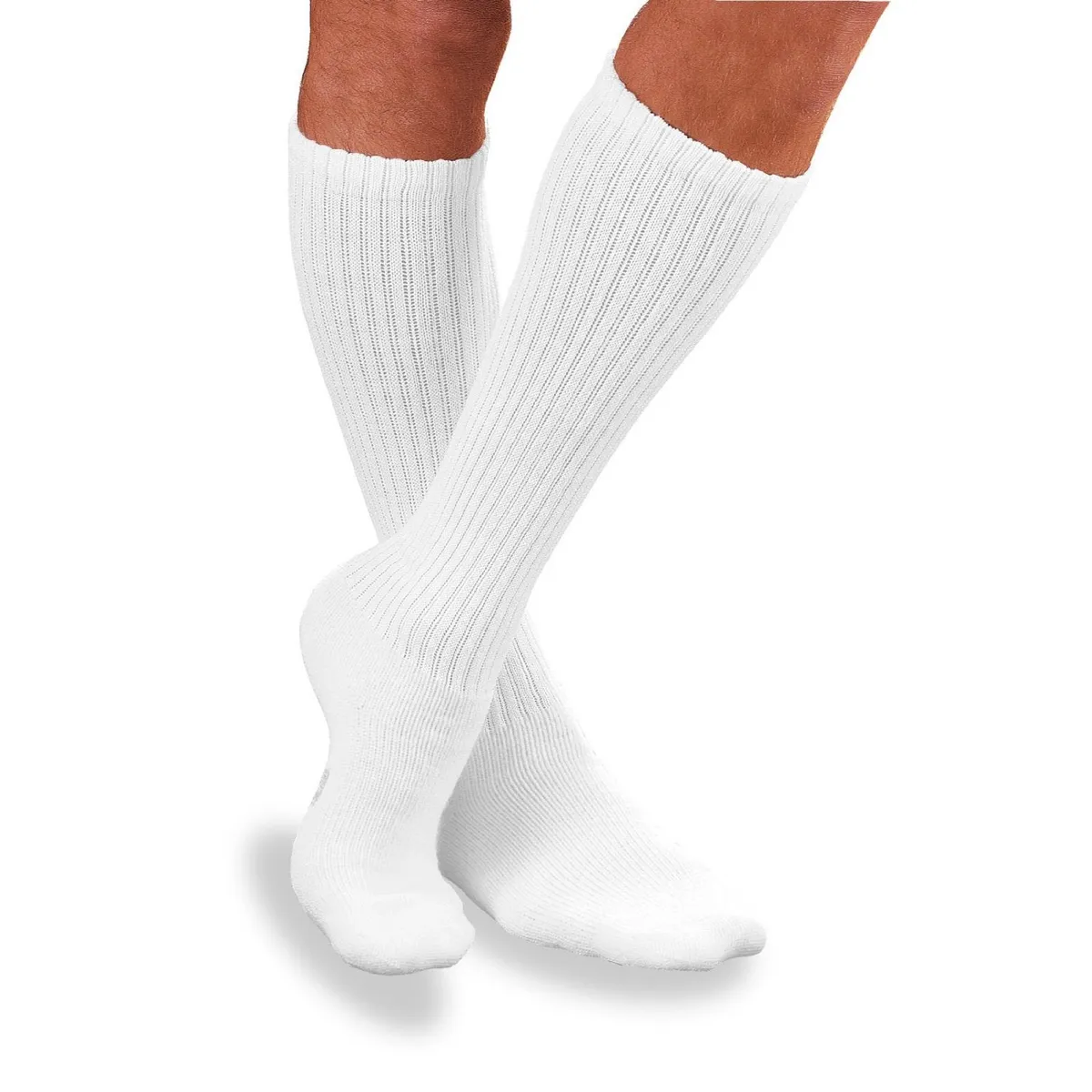
| Spec | This product JOBST SensiFoot Diabetic Compression Socks, Knee High, White, Closed Toe, X-Large, 1 Pair | BSN Medical JOBST SensiFoot Diabetic Compression Sock, Mini Crew, White, Closed Toe, Large, 1 Pair | Bsn Medical Jobst® Knee High Compression Stocking with Closed Toe, 30-40 mmHG, Large, Tan, 1 Pair | BSN Medical Jobst® for Men Compression Knee-High Socks, X-Large, White, 1 Pair |
|---|---|---|---|---|
| Compression Level | — | — | 30–40 mmHg | — |
| Material | — | — | Nylon | — |
| HCPCS Code | Eligible | Eligible | Eligible | Eligible |
Comparison is provided for reference only. Brand names and trademarks belong to their respective owners. Specific SKUs may differ from category averages shown above.
Trusted manufacturer
An established medical products manufacturer supplying clinical teams with quality healthcare supplies.
Answers to the questions clinical buyers and care teams ask most about this product category.
Compression levels: 8–15 mmHg (mild, daily comfort), 15–20 mmHg (moderate, mild varicose veins), 20–30 mmHg (firm, chronic venous insufficiency, DVT prophylaxis), 30–40 mmHg (extra firm, severe varicosities, post-thrombotic), 40–50 mmHg (severe, advanced lymphedema). Always match to clinician recommendation.
Anti-embolism stockings (TEDs) provide 8–18 mmHg and are designed for bedridden hospital patients to prevent DVT. Graduated compression stockings provide 15–50 mmHg and are intended for ambulatory patients with venous insufficiency or lymphedema.
Most graduated compression stockings are worn during waking hours and removed at night. Lymphedema patients may wear overnight under clinician supervision. Follow your clinical protocol.
Yes — hand wash or gentle machine wash in cold water with mild detergent. Air dry away from direct heat. Do not wring, bleach, or tumble dry. Most garments last 3–6 months with daily wear and proper care.
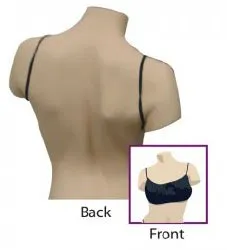
Dukal
Reflections™ Disposable Bra, Large/X-Large, Black, 1 Box of 100
$112.89USD
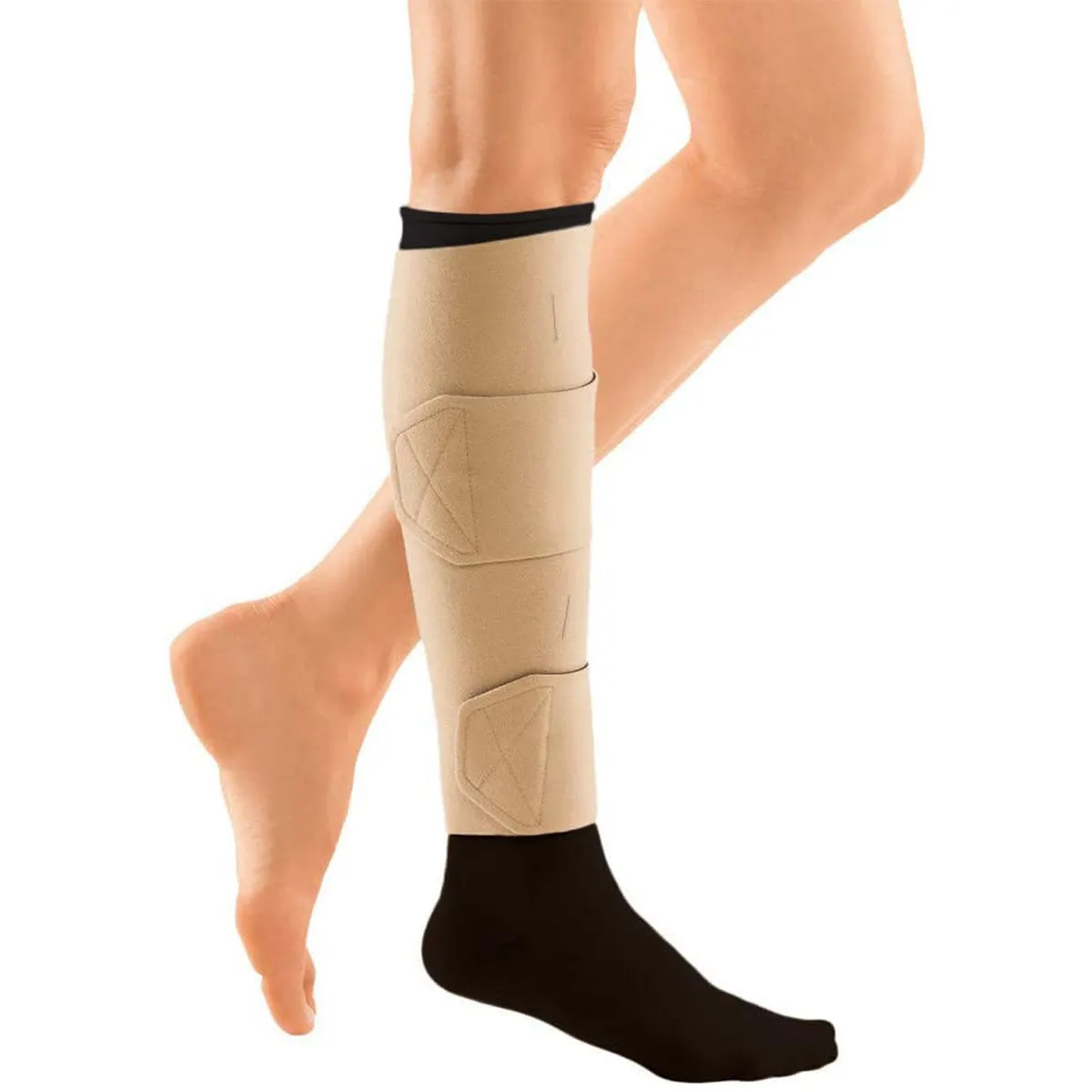
Mediusa
LEGGING, HD LOWER LEG JUXTALITE SHORT LG
$103.99USD
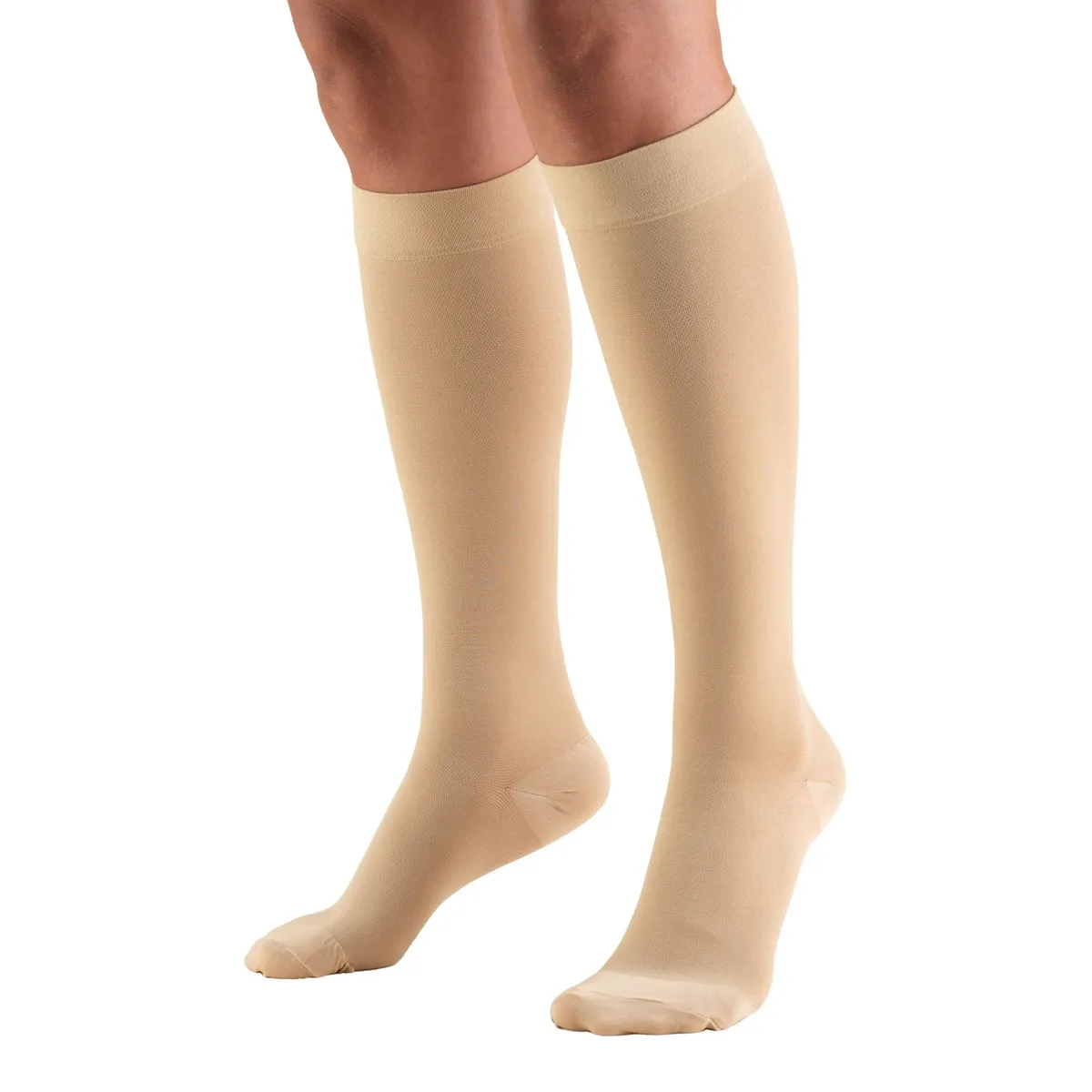
Truform
STOCKING BEL KNEE 20-30 XL BEIGE CLOSED TOE
$39.83USD
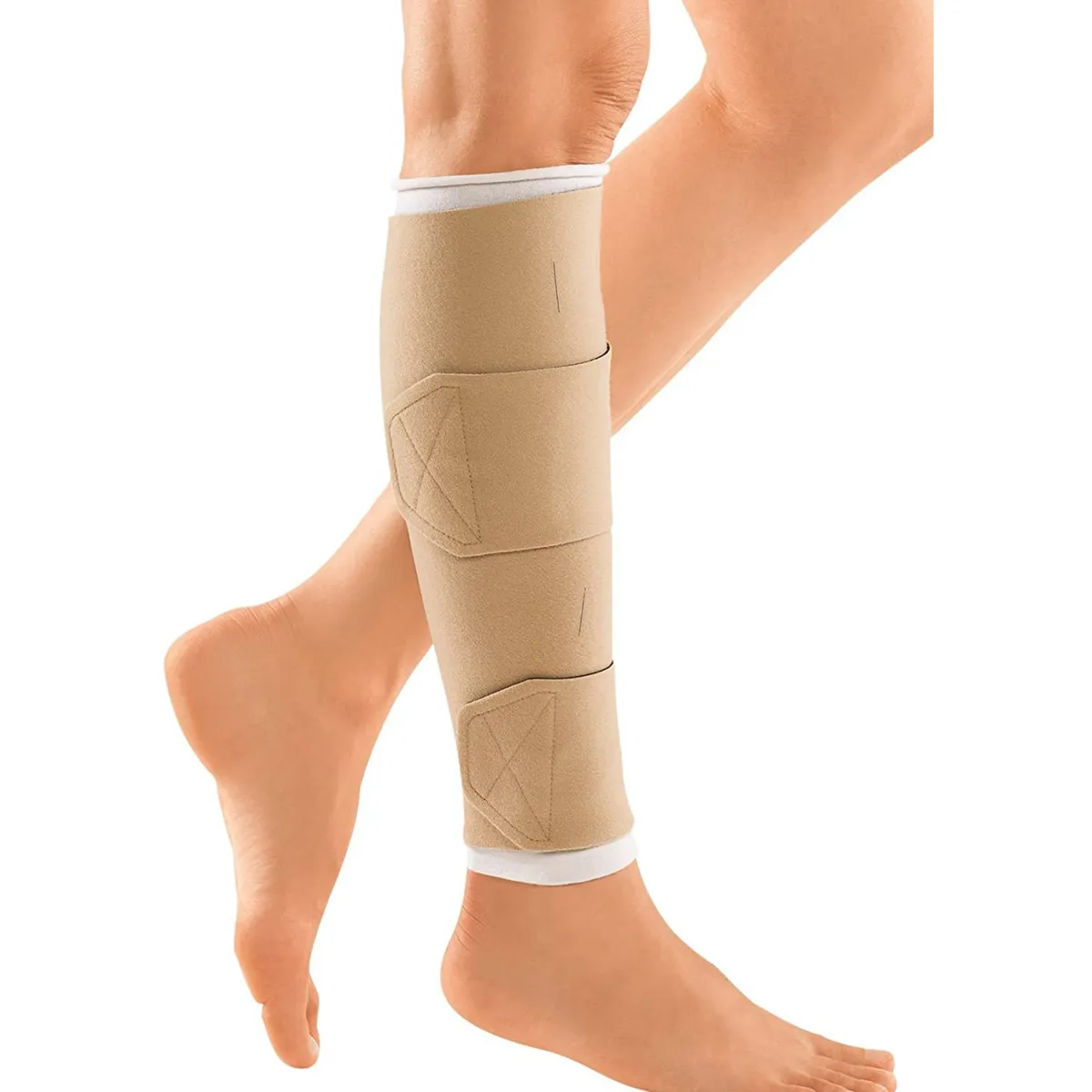
Mediusa
Circaid® Juxtalite® Compression Wrap, Medium, 1 Each
$94.23USD
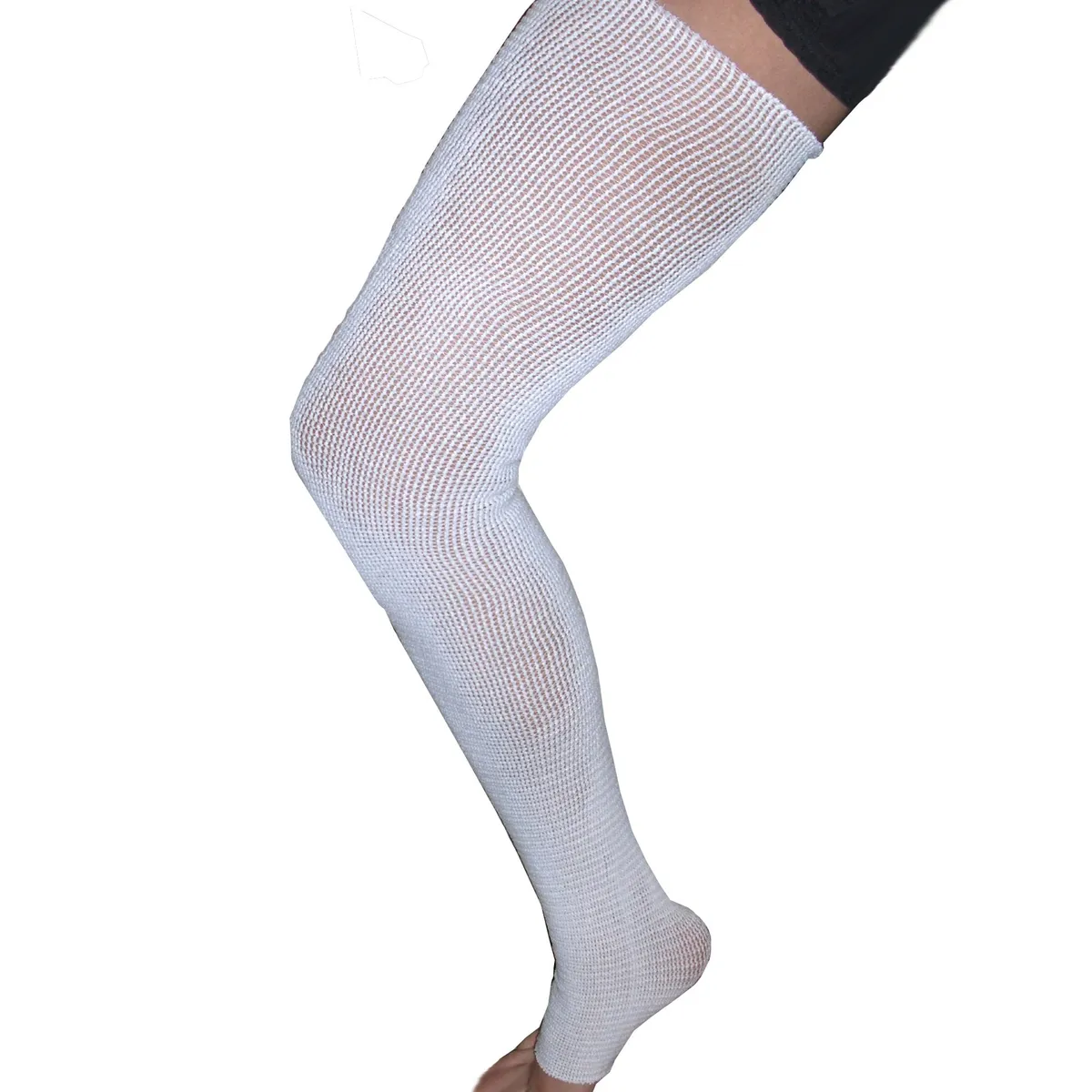
Compression Dynamics
EdemaWear® Compression Stockinette, 1 Each
$50.69USD
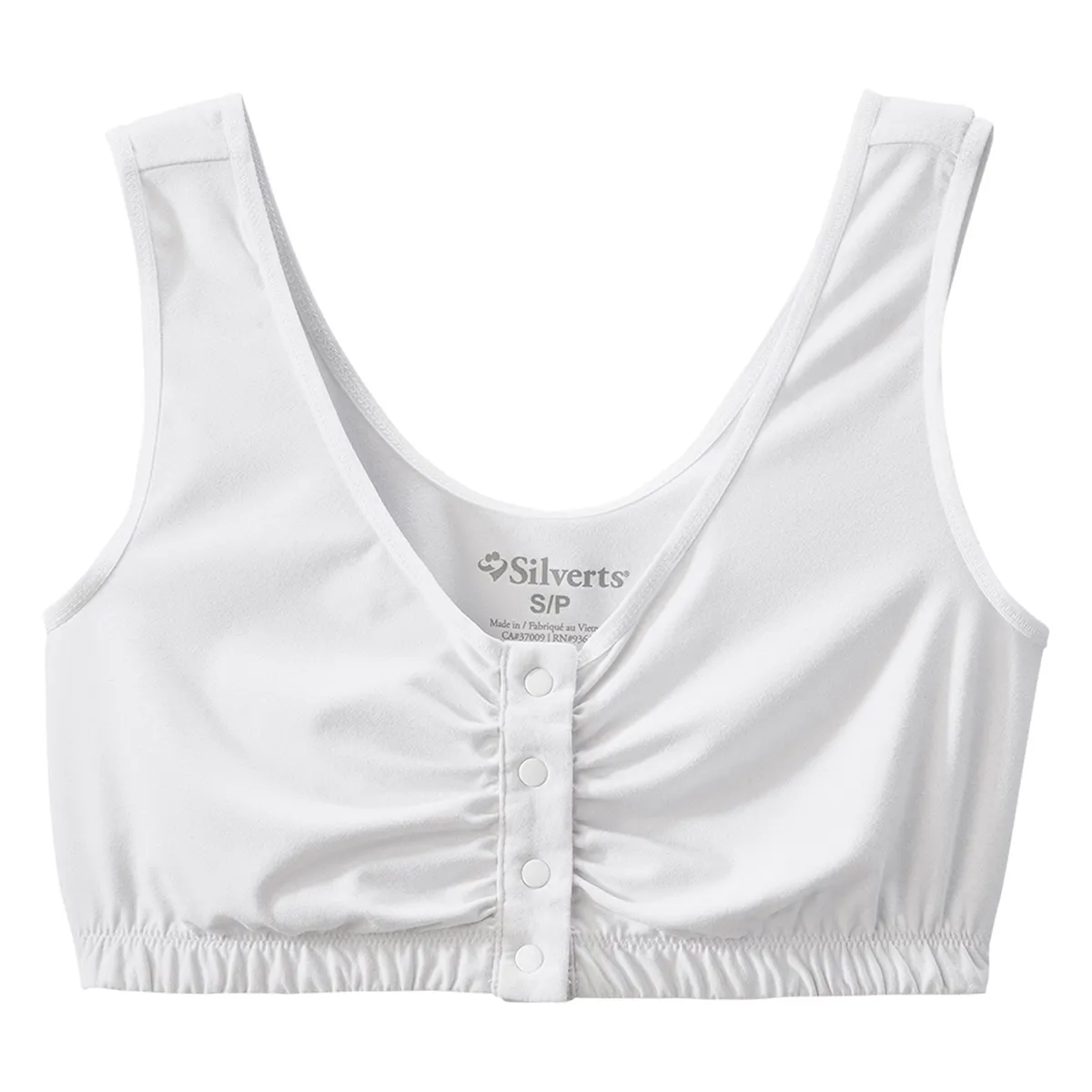
Silverts Adaptive LLC
Silverts® Adaptive Front Snap Closure Bra, 2X-Large, White, 1 Each
$27.71USD
BSN Medical
Jobst® Chap Compression Stockings, Medium Right Leg, 1 Pair
$87.21USD
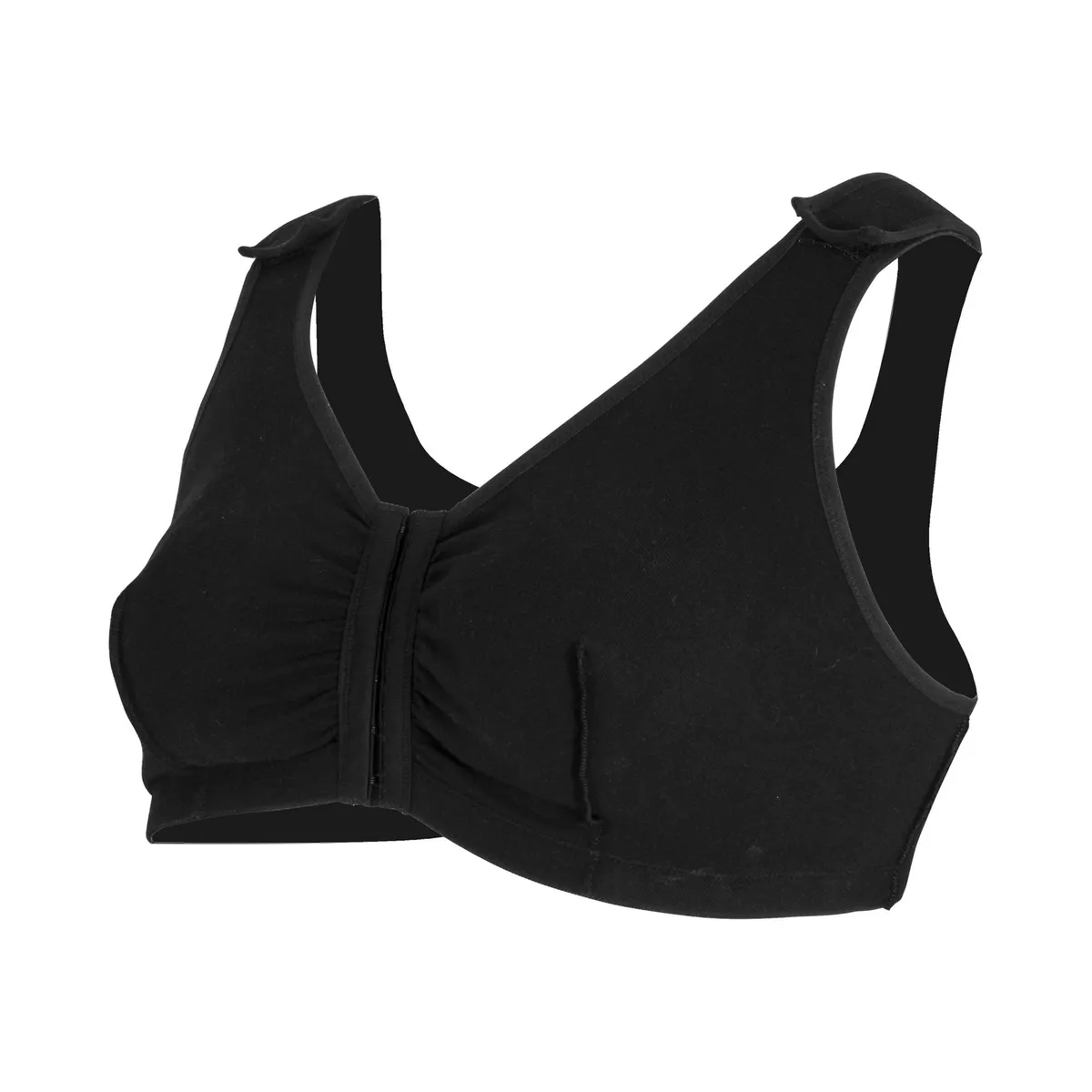
McKesson Brand
McKesson Surgi-Bra® II, 36 Inch, Black, 1 Each
$37.49USD
$30.15USD
$31.89USD
Save $1.74In stock. Order by 2pm PST for same-day processing.
In stock
Ships from our western US warehouses
Fast shipping
Same-day processing before 2pm PST
30-day returns
Hassle-free on eligible orders
HSA / FSA
Eligible for most medical accounts
$30.15USD
$31.89USD
Clinical Evidence
The Cochrane database of systematic reviews
A Cochrane systematic review of randomised trials on graduated compression stockings for preventing deep vein thrombosis (DVT) in hospitalised patients, mostly surgical.
Key Findings
Sample Size
20 RCTs, 1,681 participants
The Cochrane database of systematic reviews
A Cochrane systematic review of randomised trials comparing compression bandages or stockings with no compression for healing venous leg ulcers.
Key Findings
Sample Size
14 studies, 1,391 participants
Clinical evidence is provided for informational purposes only. Healthcare professionals should evaluate products based on their clinical judgment and patient-specific factors. Links to external studies are provided as references and do not constitute endorsement. Always refer to the manufacturer's instructions for use.