Segregate at the source.
Dispose of waste in the correct color-coded bag at the point of generation — never mix waste streams.
Products commonly used alongside this one. Bundle them into a single order.
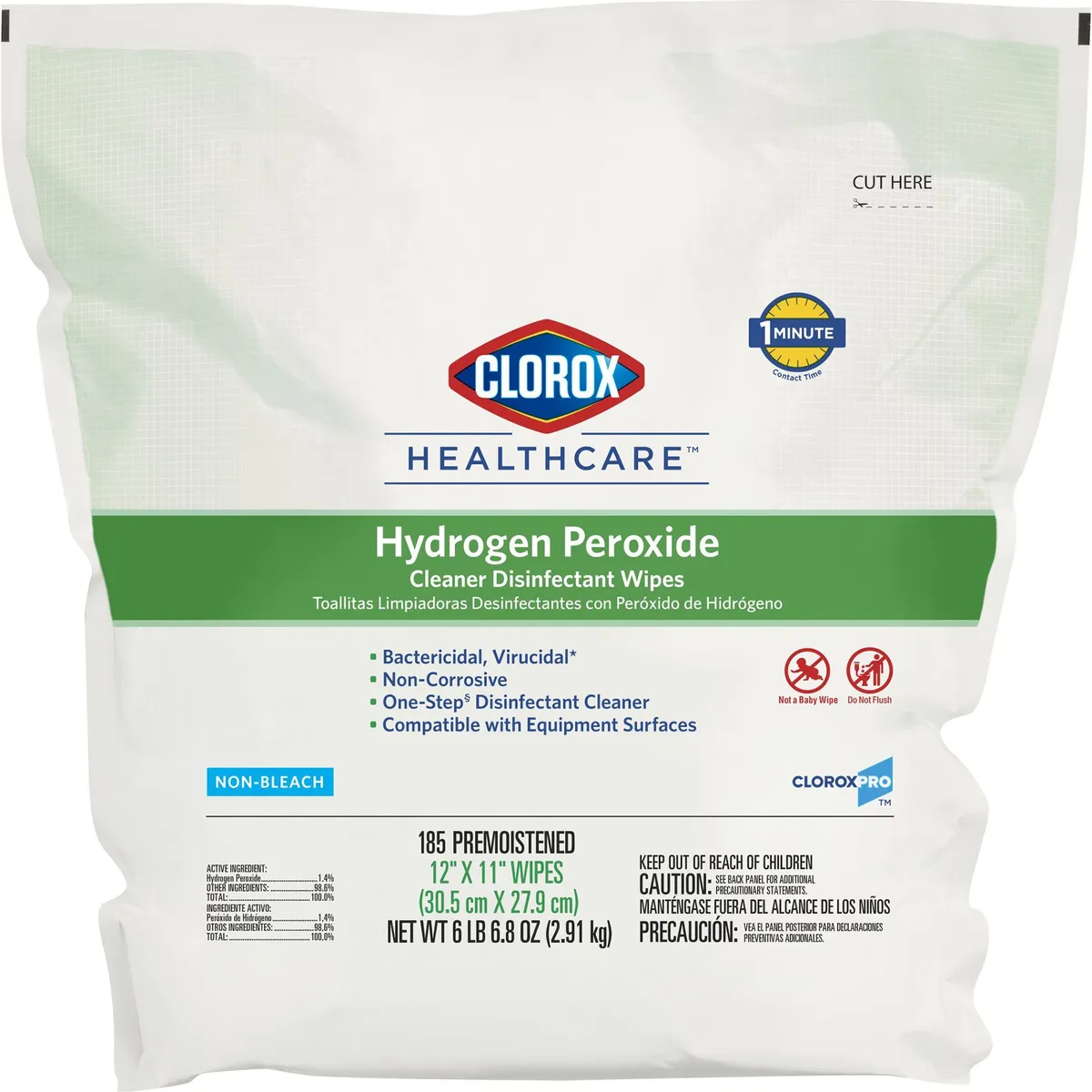
The Clorox Company
Clorox® Healthcare® Surface Disinfectant Cleaner, 1 Case of 2
$88.09USD
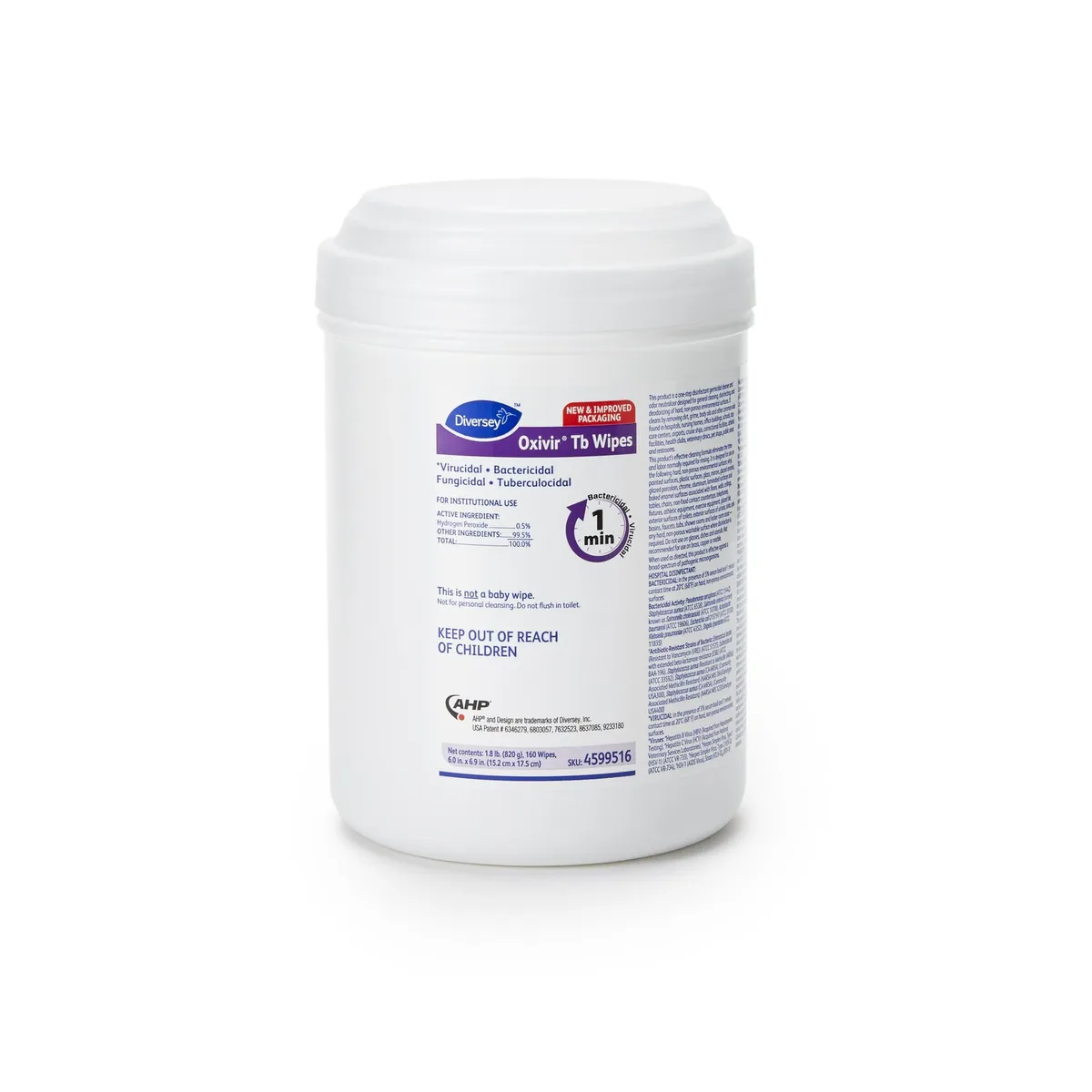
Lagasse
Oxivir® Tb Surface Disinfectant Wipes, 1 Carton of 160
$32.98USD
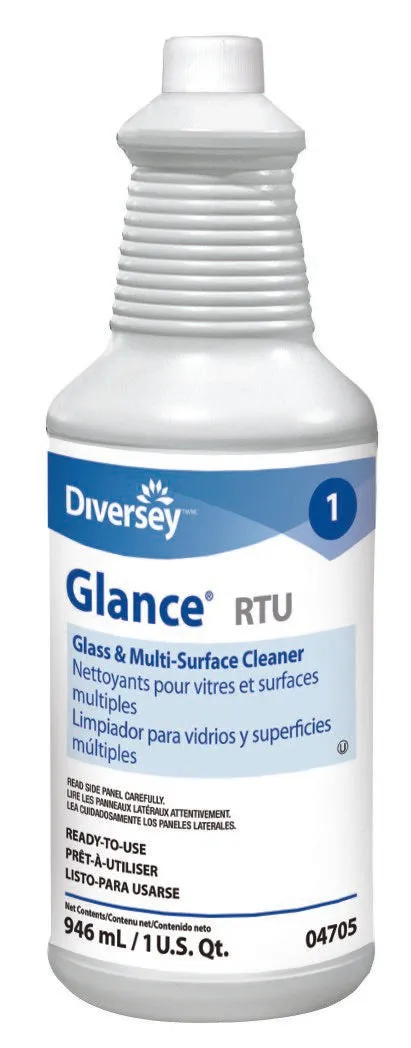
Lagasse
Glance® Glass / Surface Cleaner, 1 Each
$17.16USD
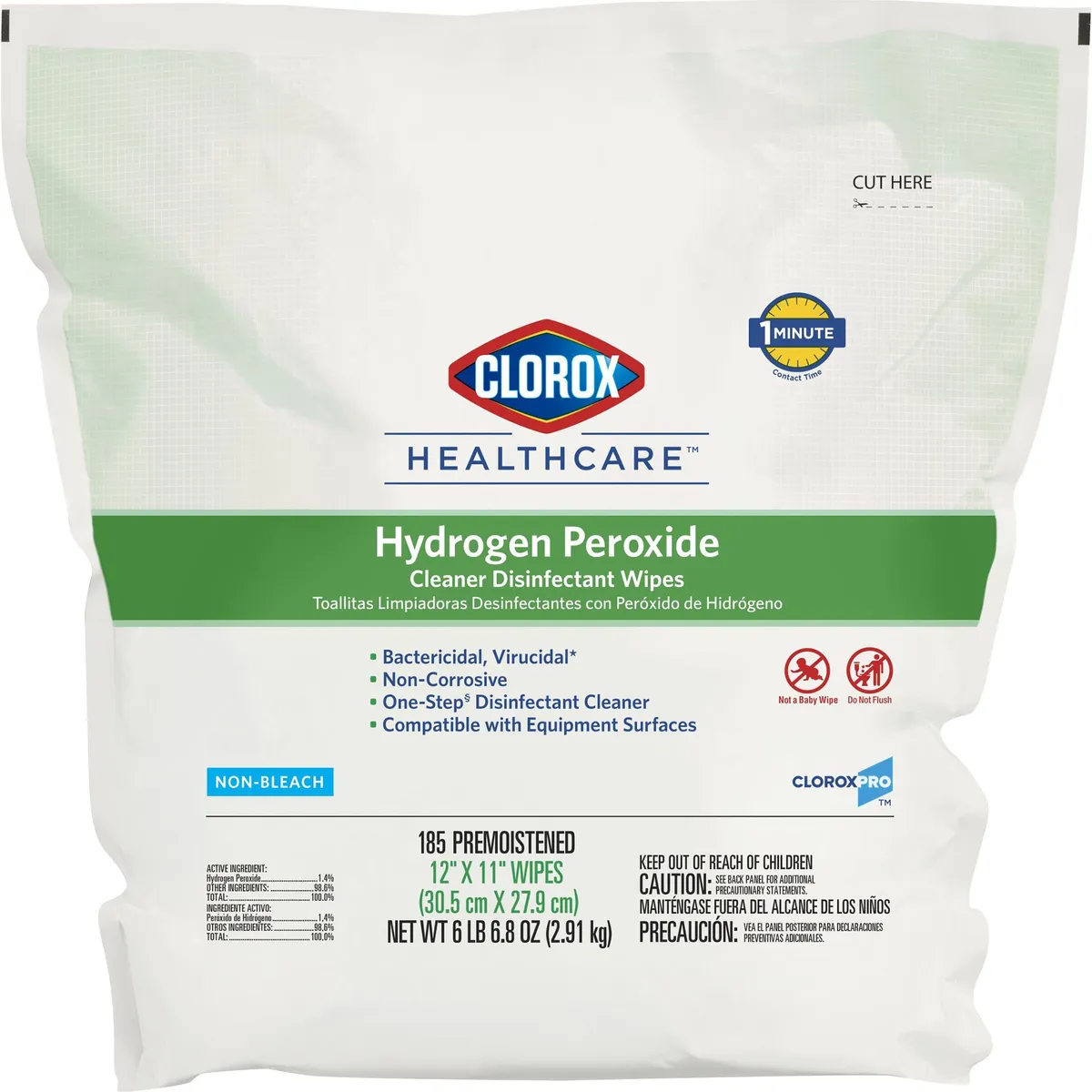
The Clorox Company
Clorox® Healthcare® Surface Disinfectant Cleaner, 1 Carton
$48.69USD
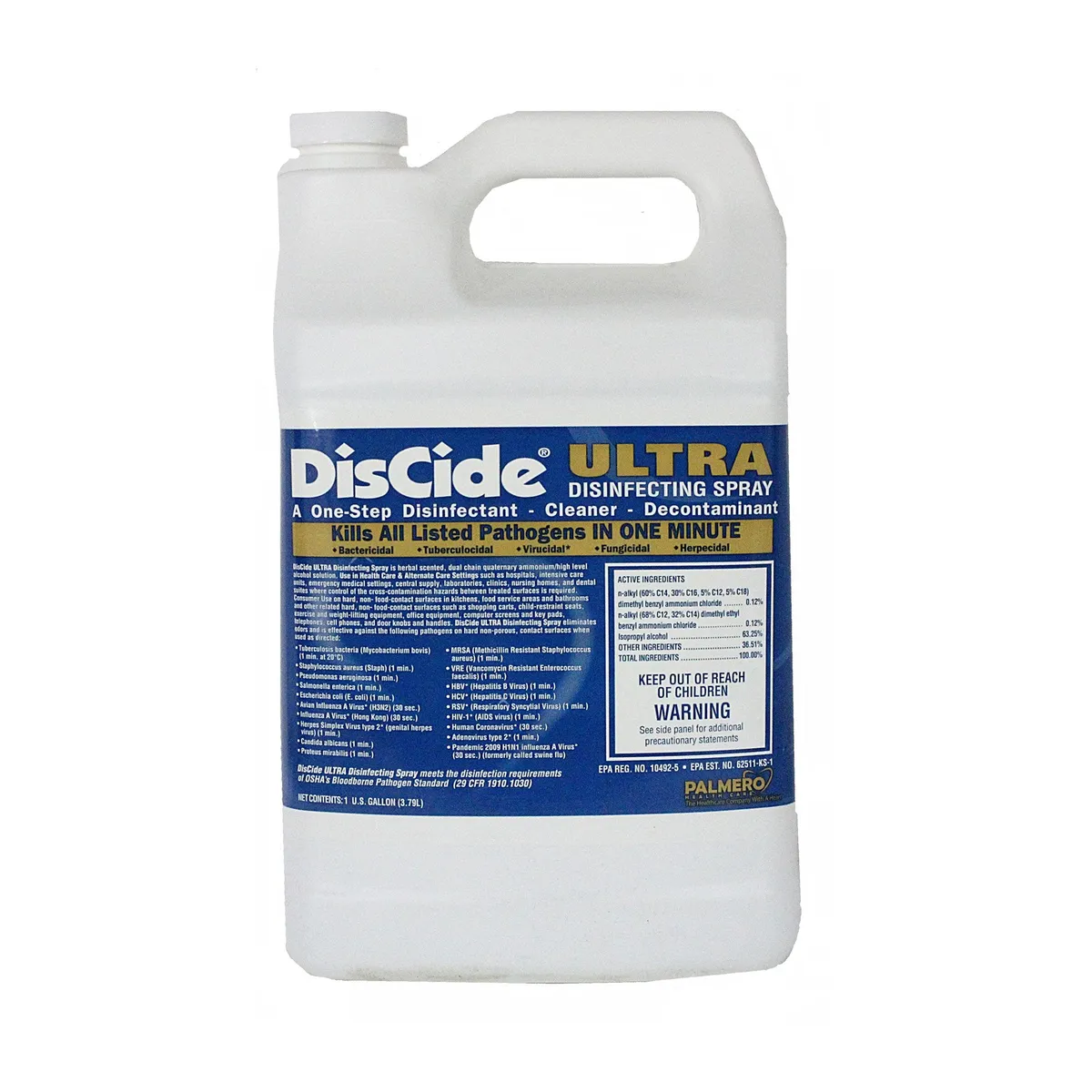
Palmero
DisCide® Ultra Quaternary Based Surface Disinfectant Cleaner 1 gal., 1 Each
$59.27USD
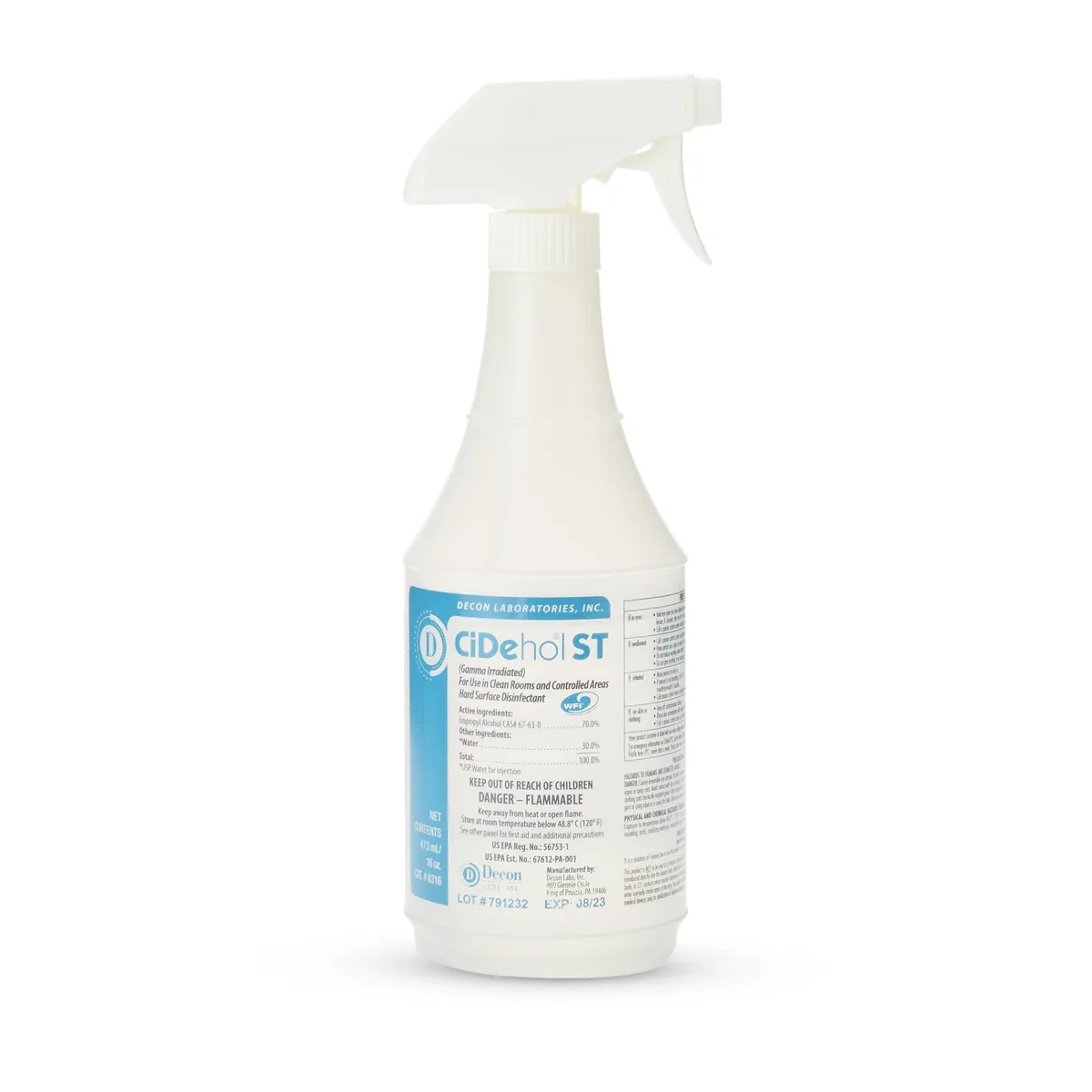
Decon Labs
ALCOHOL, CIDEHOL 70% IPA STR 16OZ (12/CS)
$239.04USD
Red for biohazard, yellow for chemo, black for non-regulated — simplifies facility waste segregation.
Heavy-duty construction prevents leaks during transport and storage.
Thicker-mil bags resist punctures from sharps and rigid waste.
Meets state and federal regulations for medical waste handling.
Biohazard bags, medical waste liners, specimen transport bags, and facility trash bags for safe collection and disposal of clinical waste streams.
Dispose of waste in the correct color-coded bag at the point of generation — never mix waste streams.
Do not overfill. Seal bags when they reach the manufacturer's marked fill line.
Double-bag contaminated or leaking waste per facility protocol. Secure with twist ties or heat seal.
Label with biohazard symbol and waste generator information. Transport via approved routes to storage or disposal.
Clinical use information is provided for reference only. Always follow facility protocols, manufacturer instructions for use (IFU), and evidence-based practice guidelines. Consult the treating clinician before use.
Standards & Certifications
Trusted manufacturer
An established medical products manufacturer supplying clinical teams with quality healthcare supplies.
Answers to the questions clinical buyers and care teams ask most about this product category.
Red or red-orange: regulated medical/biohazard waste. Yellow: chemotherapy/cytotoxic waste. Black: non-regulated general waste. Purple: pharmaceutical waste. Check your state's specific color requirements.
Regulated medical waste bags are typically 1.3 mil minimum. Heavy duty applications may require 1.5–3 mil. Thicker bags resist punctures but cost more per unit.
Most manufacturers mark a fill line at ~3/4 capacity. Overfilling compromises the seal and increases leak risk during transport.
OSHA's Bloodborne Pathogen Standard (29 CFR 1910.1030) specifies waste handling requirements. Biohazard bags meeting ASTM D1922 and D1709 puncture/tear standards support compliance. Review your facility's exposure control plan.
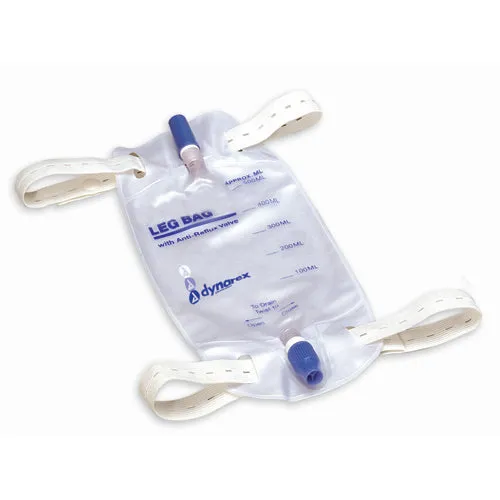
Hospital Supply HQ
Leg Bag-Medium 600 ml w/Valve Bx/12
$22.66USD
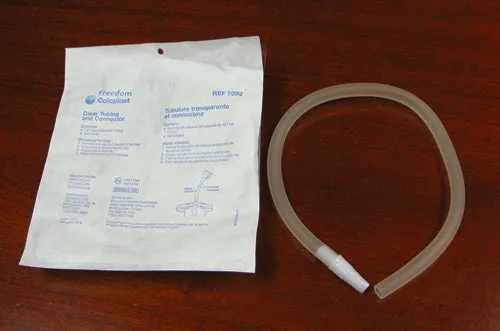
Bard
Leg Bag Extension Tubing with Connector 18
$6.66USD
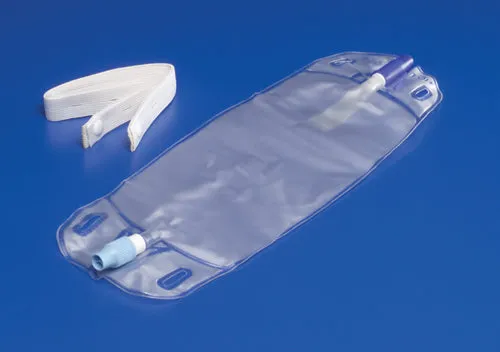
Cardinal
Leg Bag Curity Large 25 Oz Each
$9.94USD

Hospital Supply HQ
Leg Bag Strap Only
$11.53USD
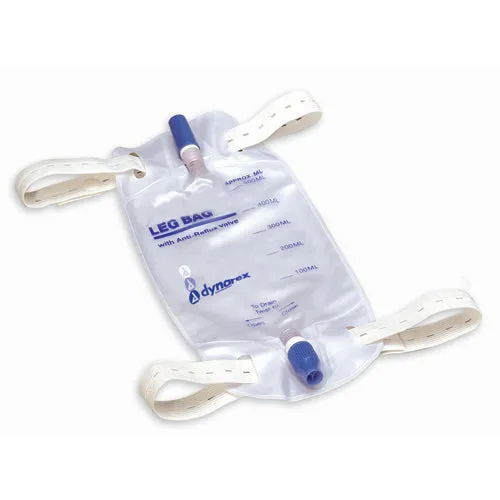
Hospital Supply HQ
Leg Bag-Large 1000 ml w/Valve Bx/12
$24.63USD
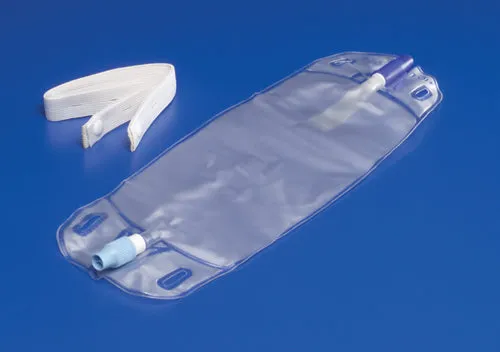
Cardinal
Leg Bag Curity Medium 17 Oz Each
$8.33USD
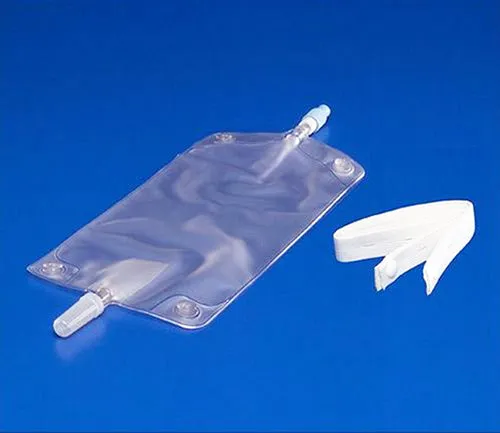
Cardinal
Dover Leg Bag 17oz 20/ Case
$131.06USD
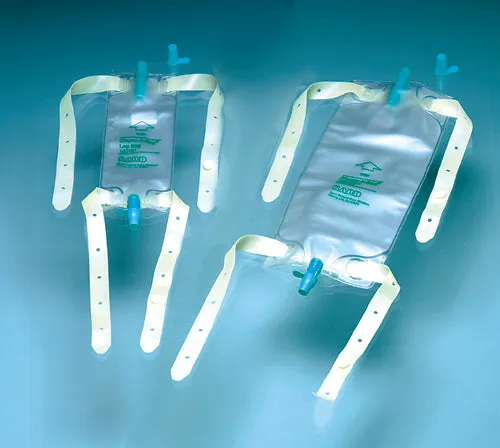
Bard
Leg Bag Bard W/Latex Strap Large
$7.87USD
$10.29USD
In stock. Order by 2pm PST for same-day processing.
In stock
Ships from our western US warehouses
Fast shipping
Same-day processing before 2pm PST
30-day returns
Hassle-free on eligible orders
HSA / FSA
Eligible for most medical accounts
$10.29USD