Assess skin and risk.
Use a validated tool (Braden, Norton) to assess pressure injury risk. Inspect bony prominences before and after seated time.
Products commonly used alongside this one. Bundle them into a single order.
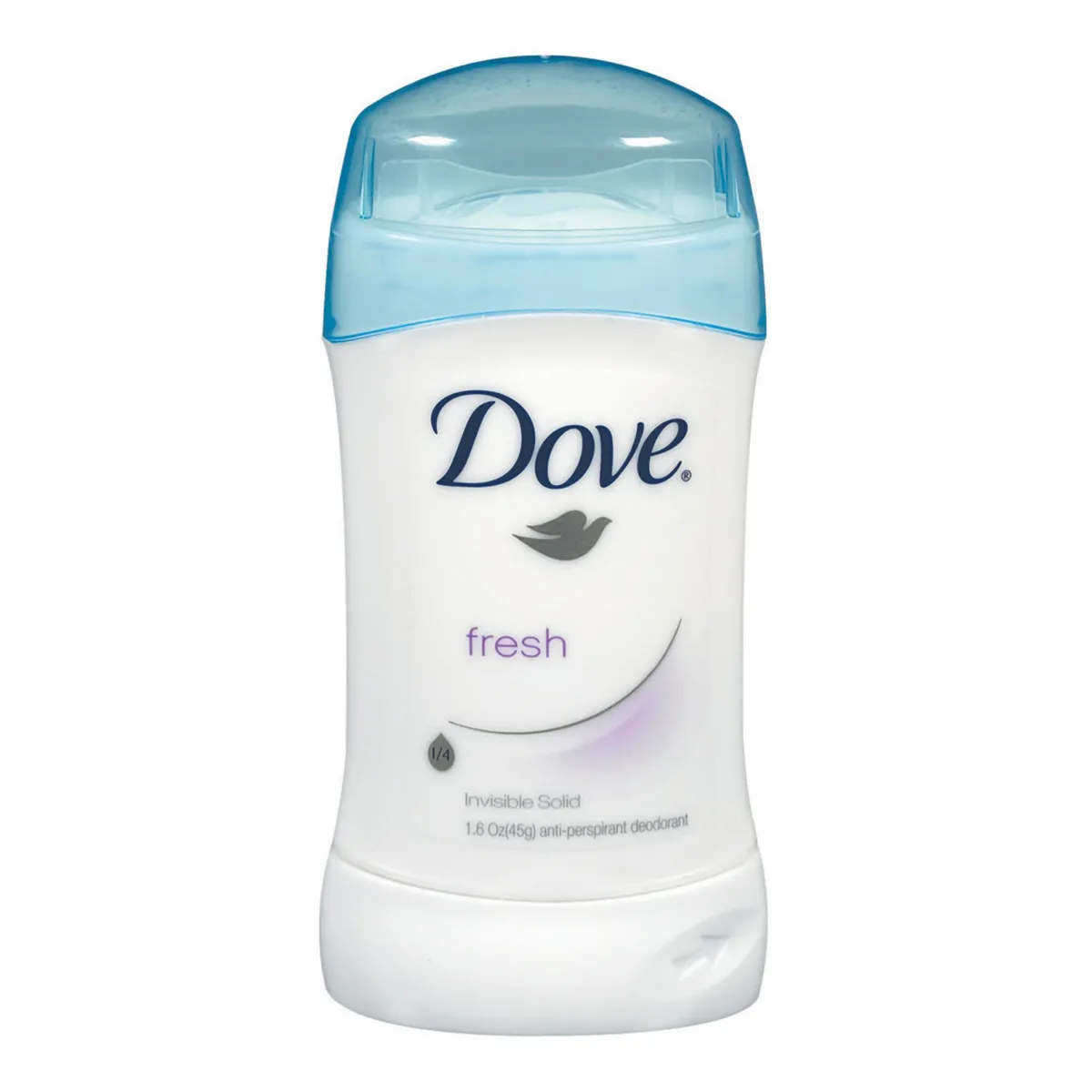
Unilever
Dove® Antiperspirant / Deodorant, 1 Each
$22.19USD
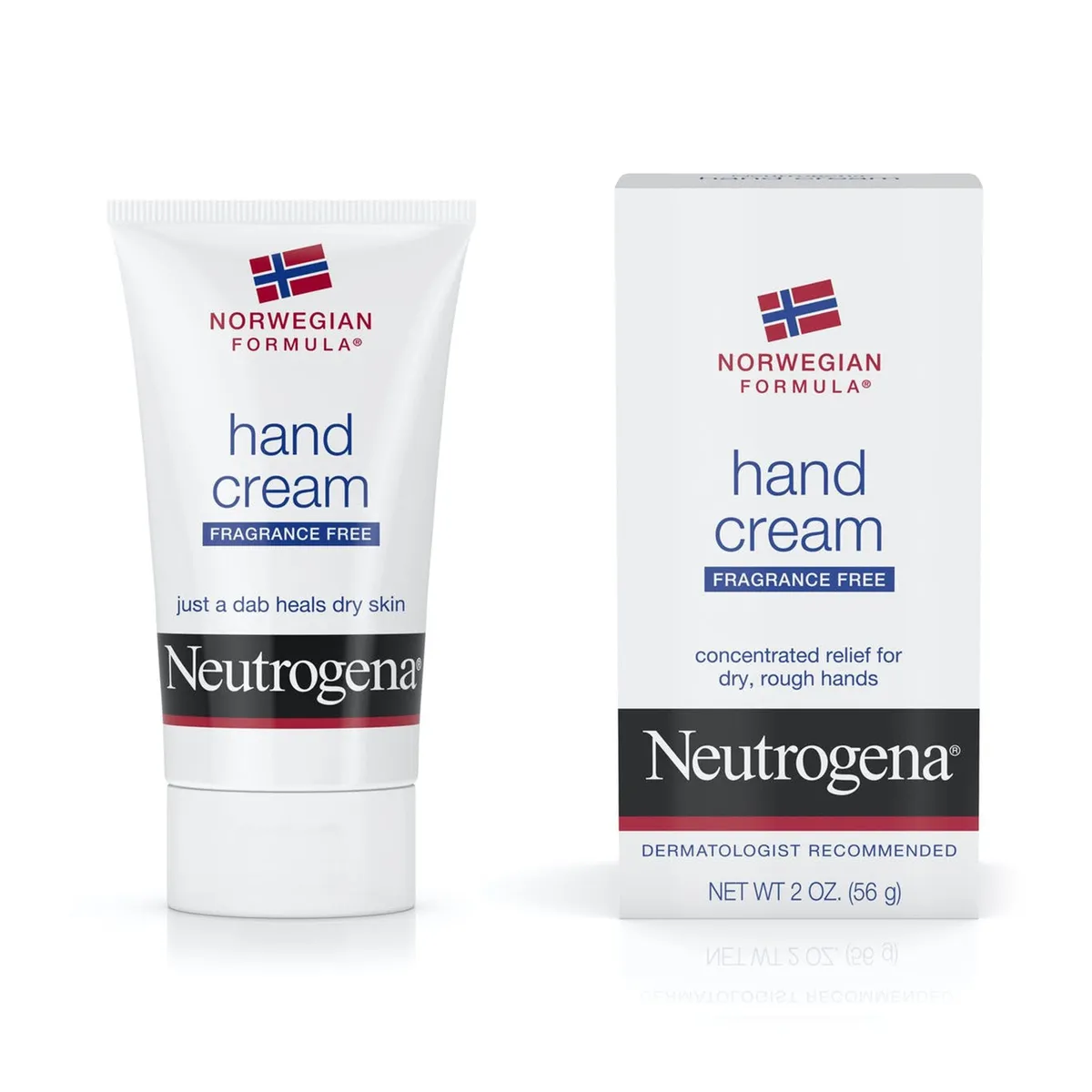
Neutrogena
Neutrogena® Moisturizer, 1 Each
$24.14USD
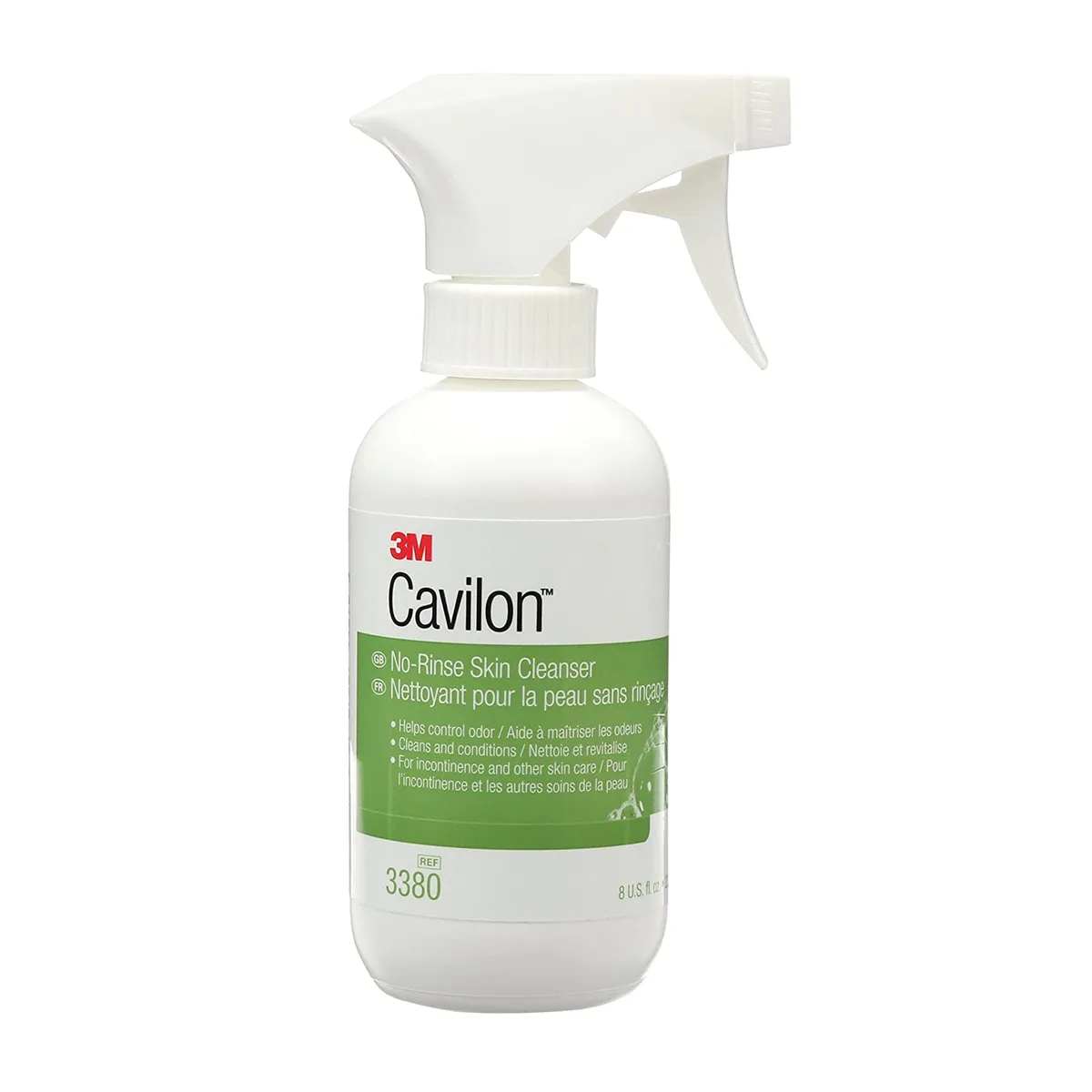
3M
3M Cavilon Rinse-Free Body Wash, 8 Oz Pump Bottle, Floral Scent, 1 Each
$18.36USD
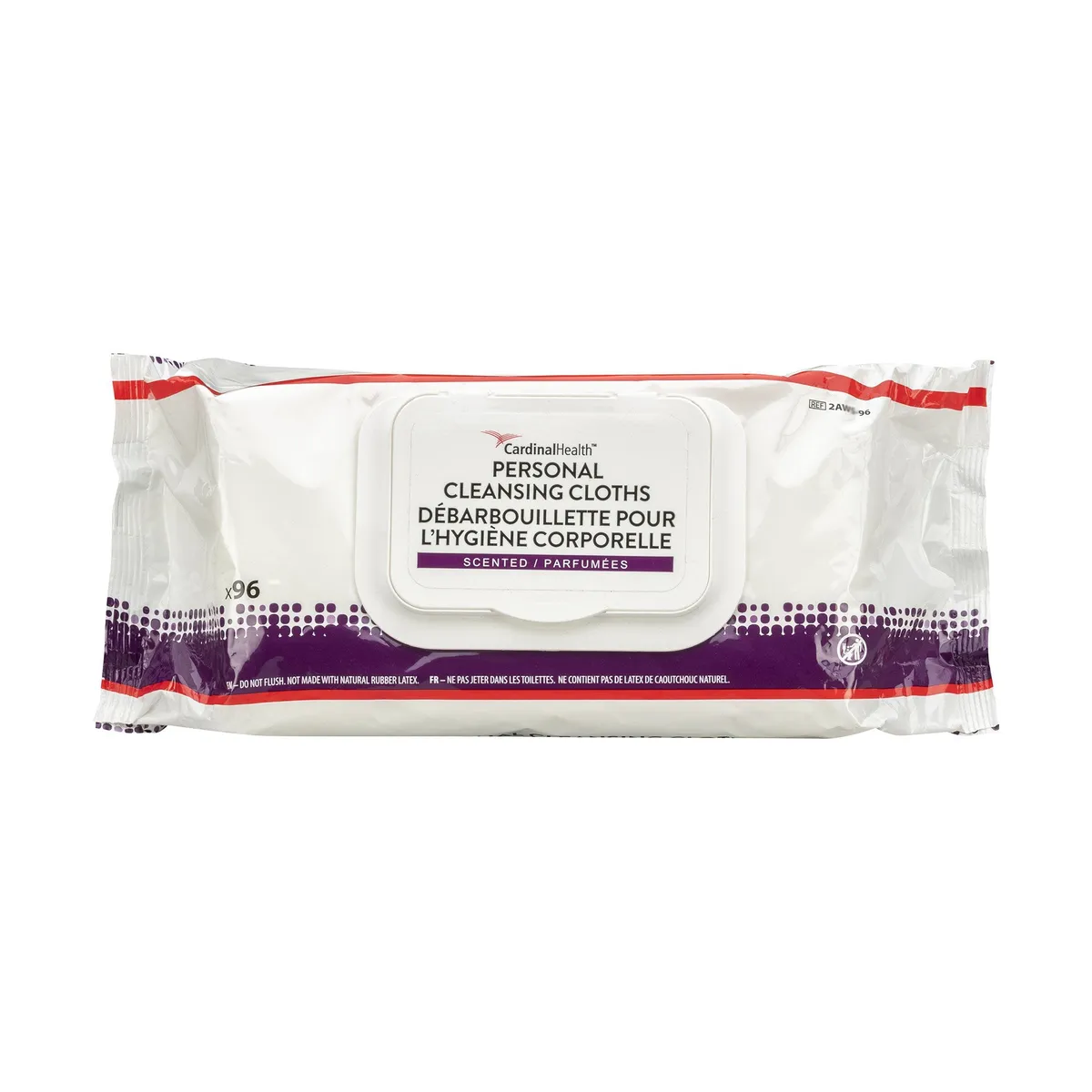
Cardinal
Cardinal Unscented Personal Wipe, 1 Pack of 96
$32.62USD
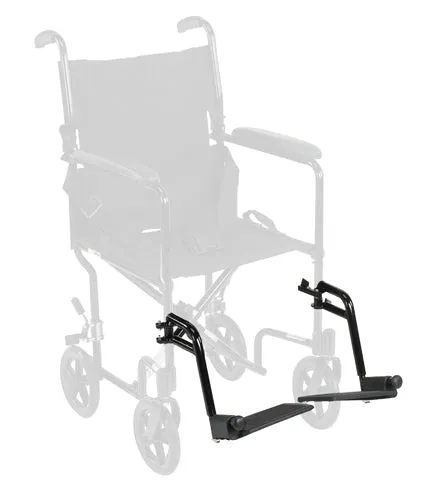
Hospital Supply HQ
Footrests Set for 10950F Black (Pair)
$53.88USD
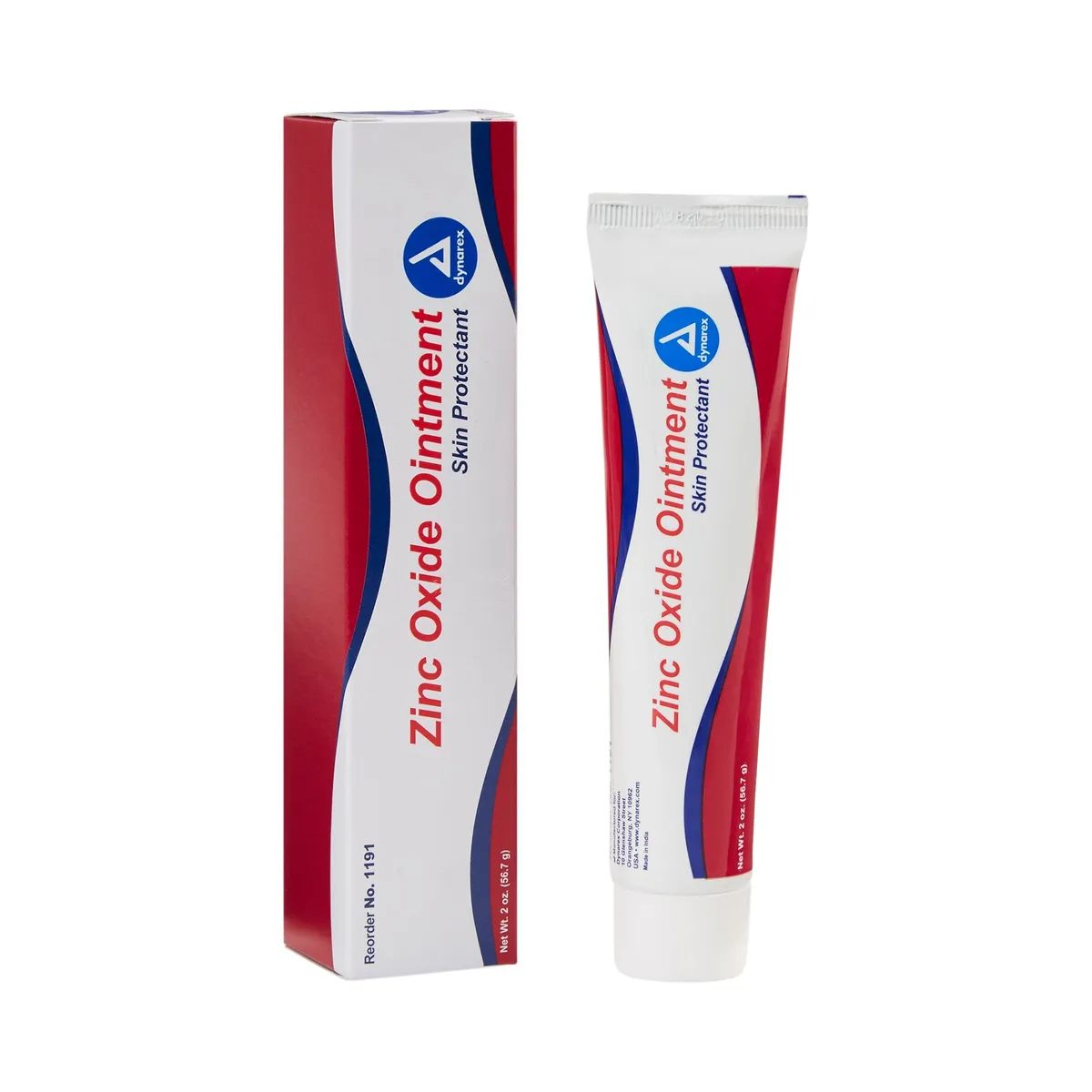
Dynarex
Dynarex Zinc Oxide Skin Protectant, Scented, 2 Oz Tube, 1 Case of 72
$182.29USD
Air, gel, and foam technologies reduce peak pressure under bony prominences.
Clinically used in pressure injury prevention protocols across all stages of risk.
Contour, coccyx cut-out, and dual-valve designs match anatomy and use case.
Many cushions qualify under Medicare HCPCS E2601–E2625 with proper documentation.
Pressure-redistributing cushions for wheelchairs, recliners, and seated care — from high-specification ROHO air cells to gel, foam, and hybrid seating surfaces.
Use a validated tool (Braden, Norton) to assess pressure injury risk. Inspect bony prominences before and after seated time.
Match cushion to risk level: standard foam for low risk, gel-hybrid for moderate, air cell (ROHO) for high risk or active wounds.
Cushion must match the seat pan dimensions. An oversized or undersized cushion reduces pressure redistribution.
For air-cell cushions, check inflation with the hand-check method: 1 inch of clearance under the ischial tuberosities.
Patients should reposition every 15–30 minutes when seated. Inspect skin at each transfer.
Clinical use information is provided for reference only. Always follow facility protocols, manufacturer instructions for use (IFU), and evidence-based practice guidelines. Consult the treating clinician before use.
Standards & Certifications
A spec-by-spec comparison with the most common alternatives in the cushions & seating category. Clinical interchangeability varies — always verify with your care team or facility protocol.
| Spec | This product Highback Backrest Support Obusforme Black (Boxed) | Drive Medical Comfort Touch™ Lumbar Support Cushion, 1 Each | Skil-Care Snug Support Lateral Body Support, 1 Pair | Hospital Supply HQ Retroback Back Support System 15 - 16 |
|---|---|---|---|---|
| HCPCS Code | Eligible | Eligible | Eligible | E2611 |
Comparison is provided for reference only. Brand names and trademarks belong to their respective owners. Specific SKUs may differ from category averages shown above.
Trusted manufacturer
An established medical products manufacturer supplying clinical teams with quality healthcare supplies.
Answers to the questions clinical buyers and care teams ask most about this product category.
ROHO cushions use individual air cells that redistribute pressure dynamically — the gold standard for high-risk patients and active pressure injuries. Gel cushions use a viscous gel layer over foam — easier maintenance and good for moderate risk. Both significantly reduce peak pressure compared to standard foam.
Measure the wheelchair seat width and depth before ordering. The cushion should match the seat pan within 1 inch. A cushion that's too large folds at the edges; one too small allows contact with the seat frame.
Many wheelchair cushions are covered under Medicare Part B with a qualifying diagnosis and prescription. HCPCS codes E2601–E2625 apply depending on the cushion type and skin protection features.
Foam cushions: 6–12 months. Gel cushions: 2–3 years with proper care. Air cell cushions: 3–5 years with inspection and maintenance. Replace immediately if you notice flattening, leaks, or skin irritation.
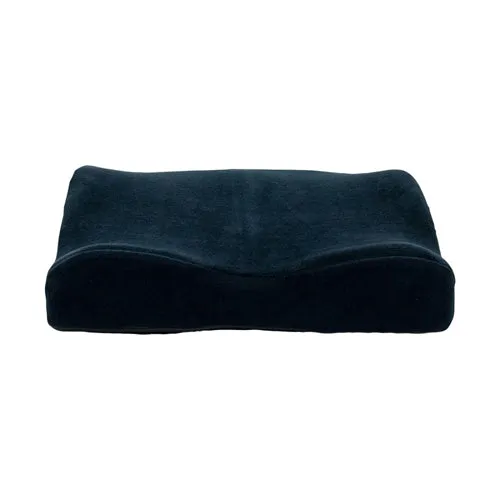
ObusForme
The Sitback Cushion Obusforme Black
$47.02USD
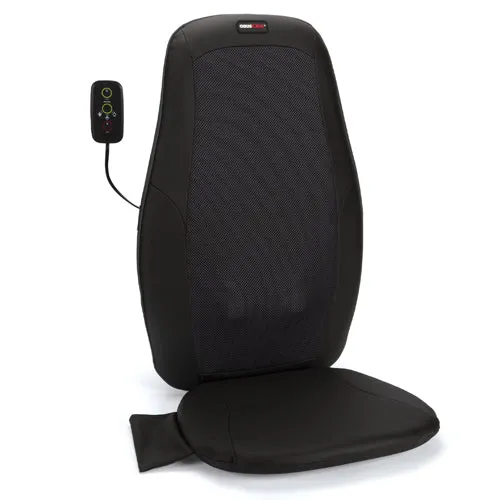
Hospital Supply HQ
Deep Kneading Shiatsu Cushion w/Heat
$152.77USD
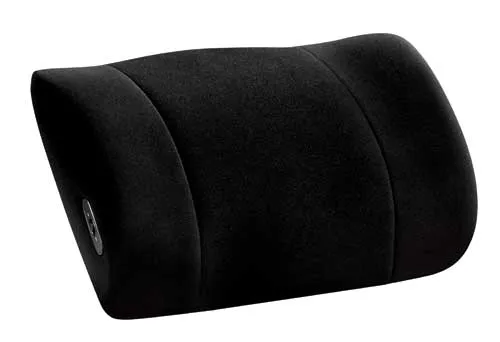
ObusForme
Lumbar Support with Massage Obusforme Black(Side to Side)
$33.02USD
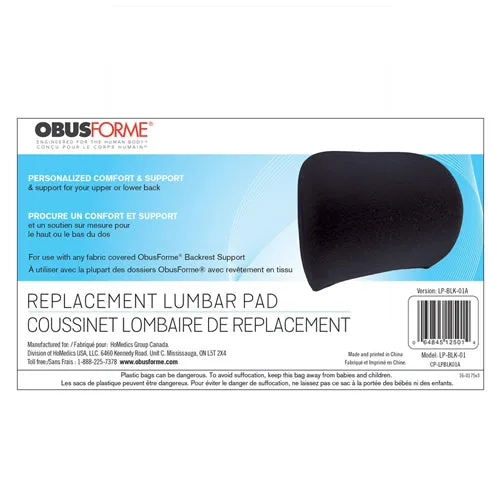
ObusForme
Lumbar Pad Replacement Only for Wideback Lowback etc.
$24.82USD
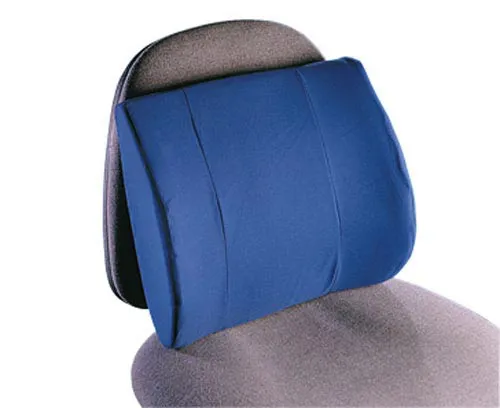
Hospital Supply HQ
Contour Back Cushion
$50.32USD
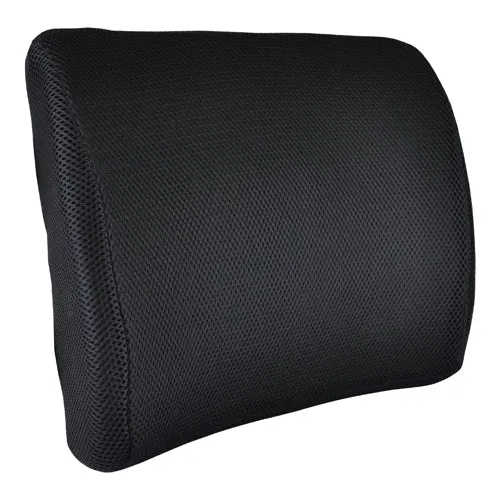
Elite Healthcare
Lumbar Cushion w/Straps Black Memory Foam - Blue Jay
$21.43USD
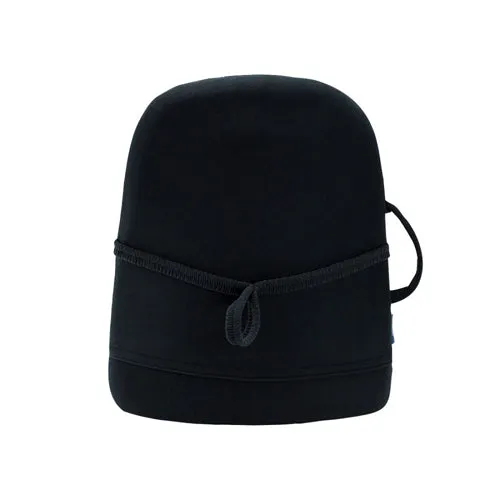
ObusForme
Lowback Backrest Support Obusforme Black (Bagged)
$91.41USD
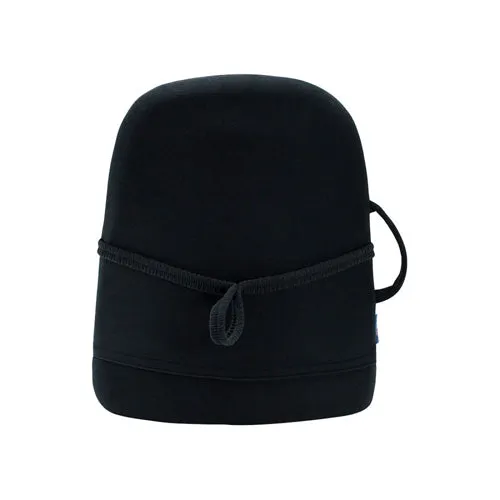
ObusForme
Wideback Backrest Support Obusforme Black
$101.86USD
$101.86USD
$125.80USD
Save $23.94In stock. Order by 2pm PST for same-day processing.
In stock
Ships from our western US warehouses
Fast shipping
Same-day processing before 2pm PST
30-day returns
Hassle-free on eligible orders
HSA / FSA
Eligible for most medical accounts
$101.86USD
$125.80USD