Assess baseline.
Measure baseline strength, ROM, and pain level. Document starting parameters to track progress.
Products commonly used alongside this one. Bundle them into a single order.
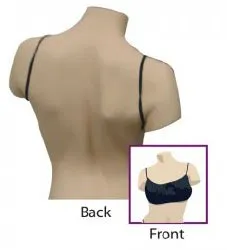
Dukal
Reflections™ Disposable Bra, Large/X-Large, Black, 1 Box of 100
$112.89USD
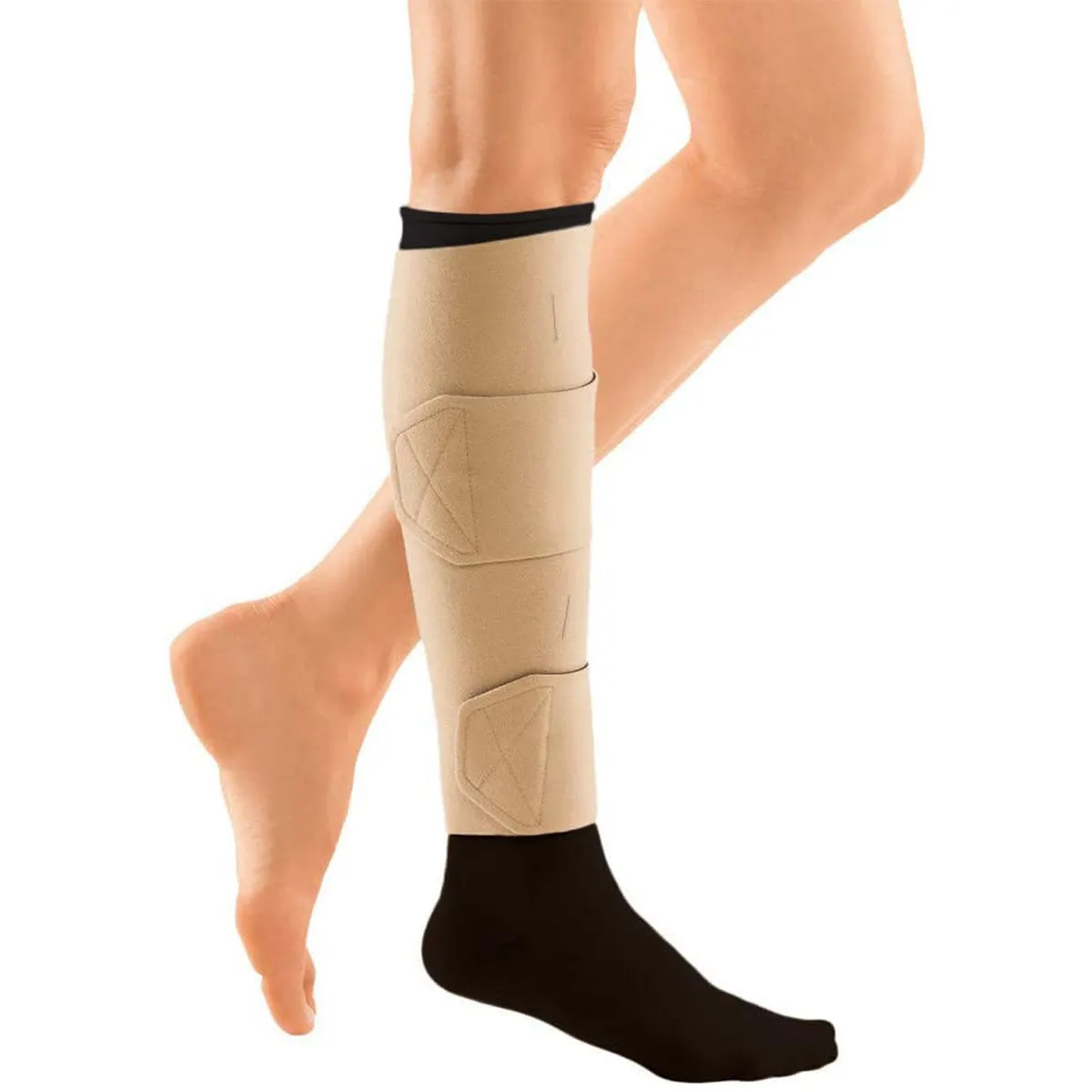
Mediusa
LEGGING, HD LOWER LEG JUXTALITE SHORT LG
$103.99USD
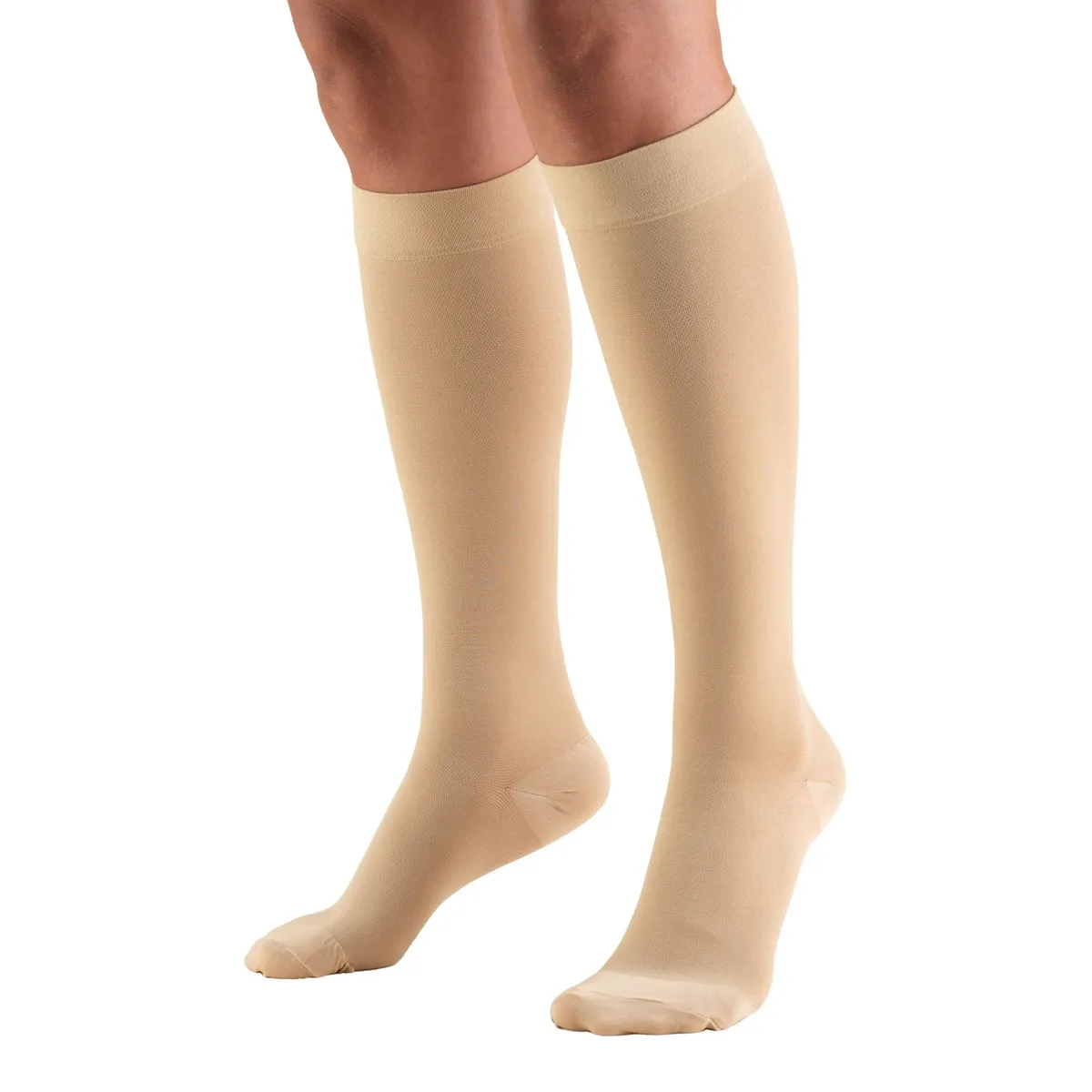
Truform
STOCKING BEL KNEE 20-30 XL BEIGE CLOSED TOE
$39.83USD
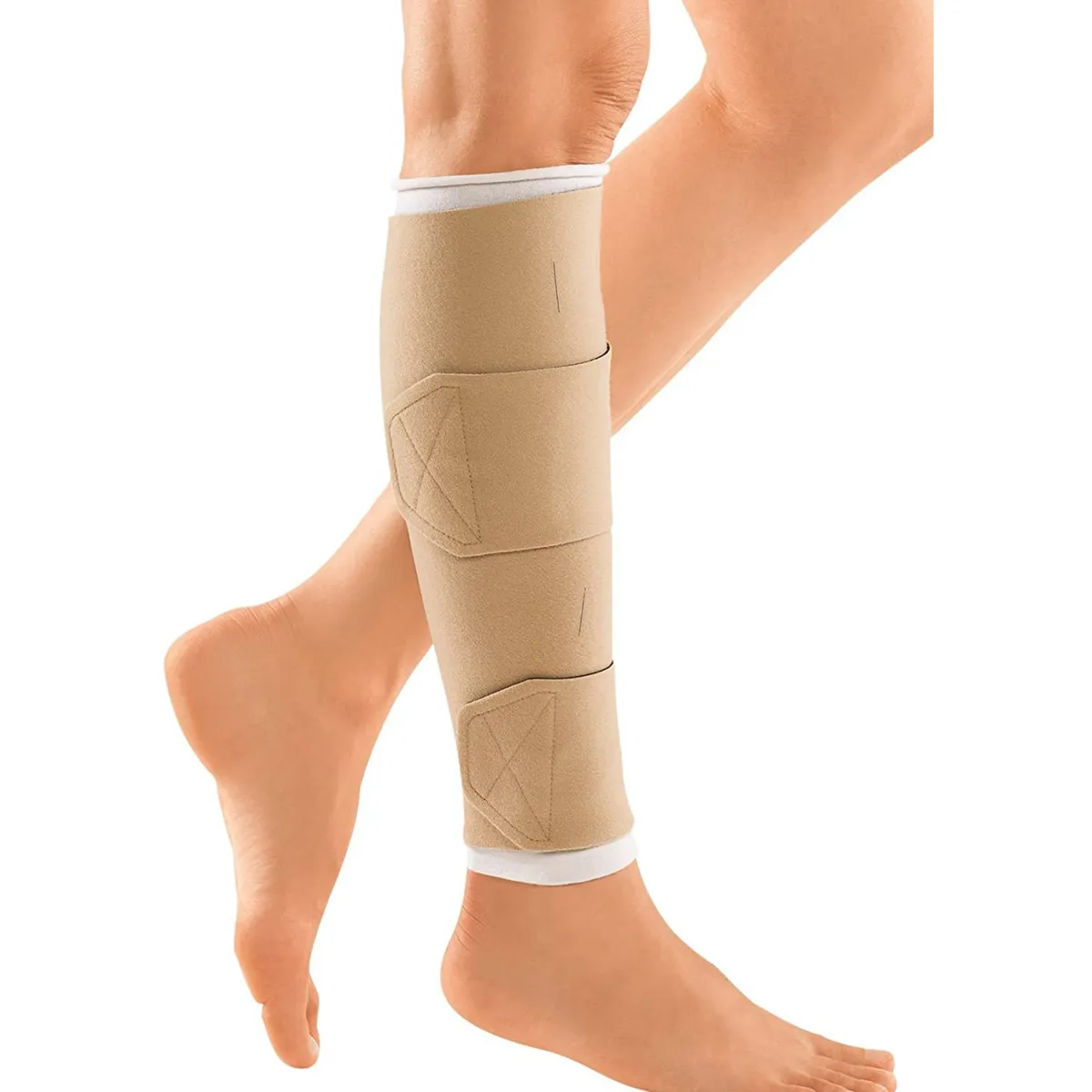
Mediusa
Circaid® Juxtalite® Compression Wrap, Medium, 1 Each
$94.23USD
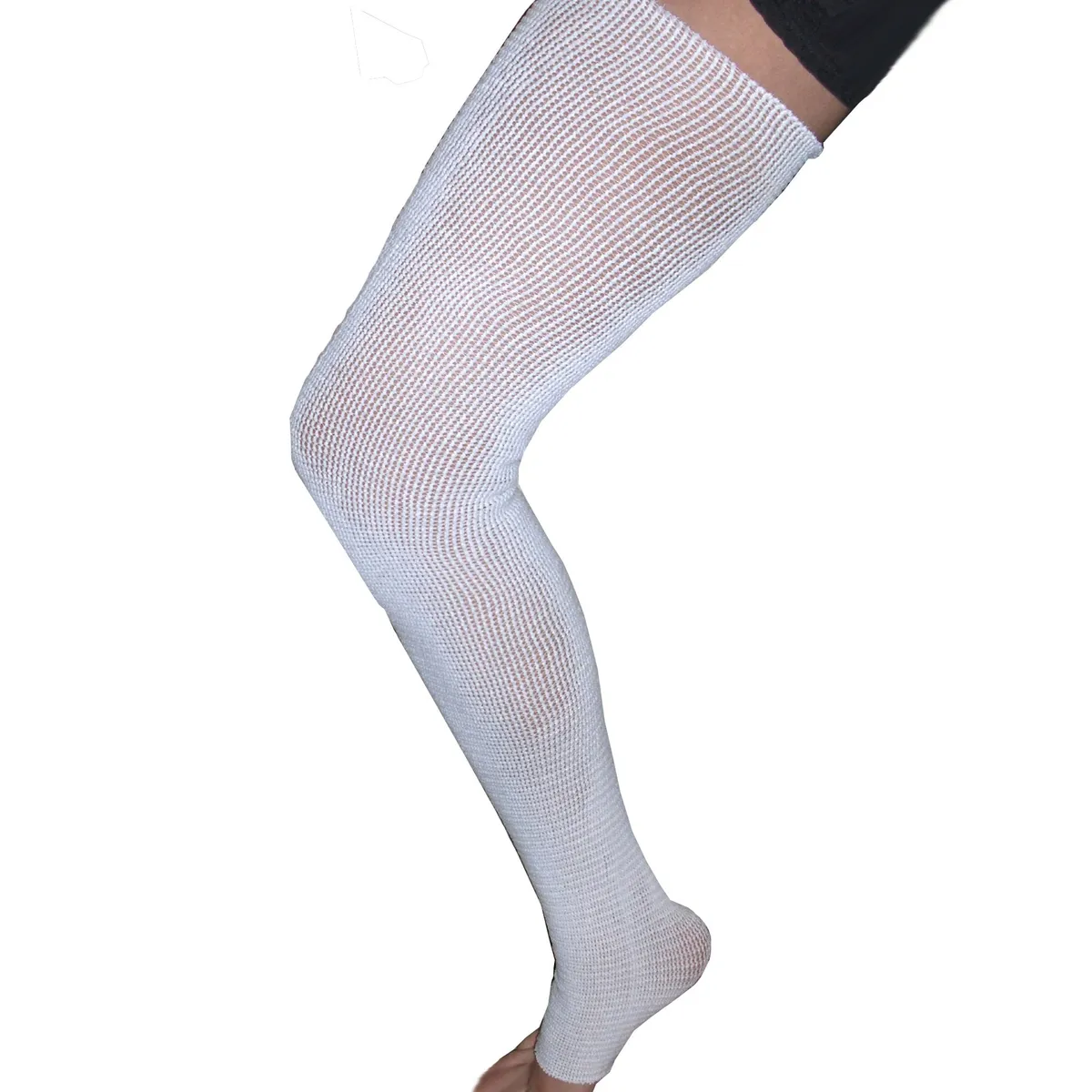
Compression Dynamics
EdemaWear® Compression Stockinette, 1 Each
$50.69USD
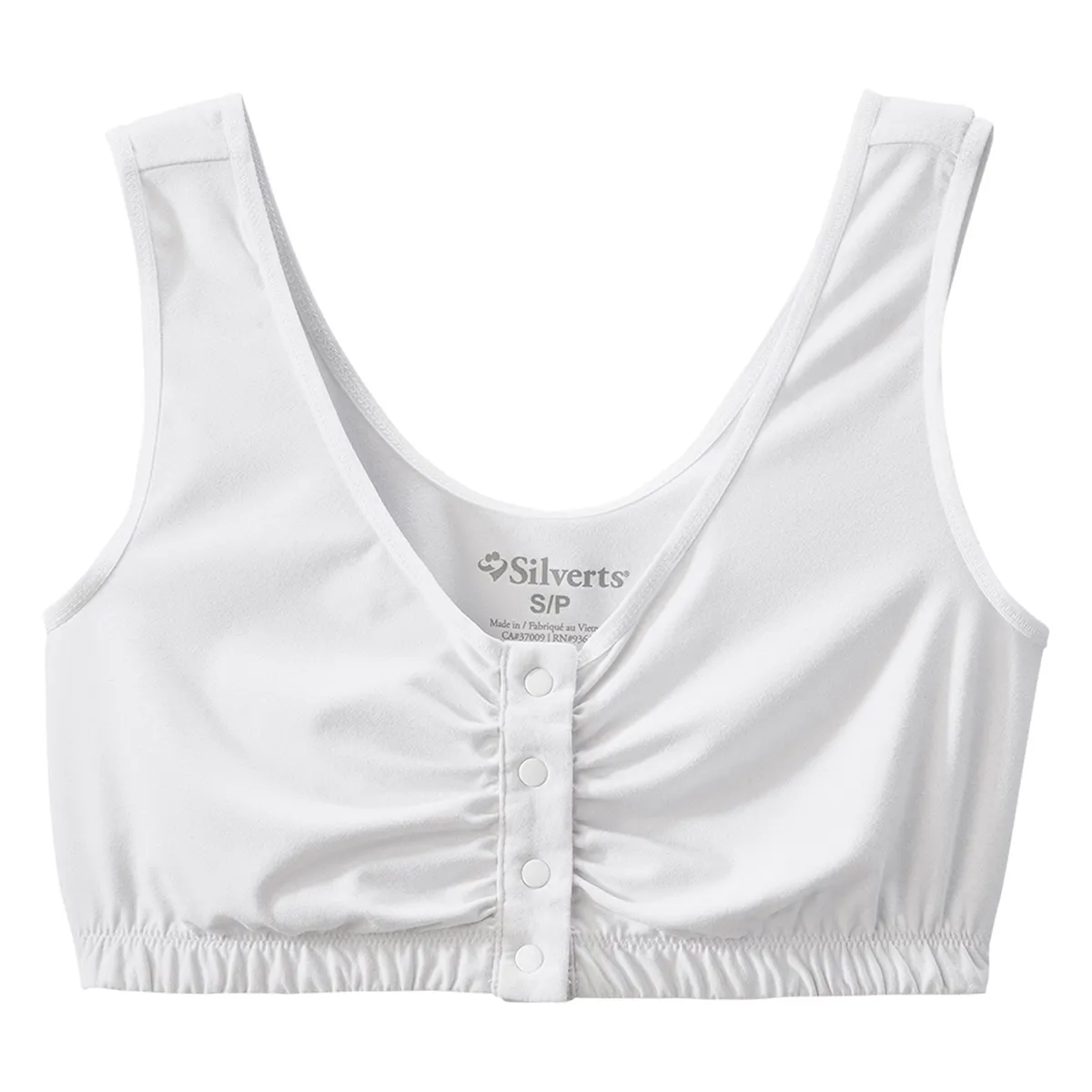
Silverts Adaptive LLC
Silverts® Adaptive Front Snap Closure Bra, 2X-Large, White, 1 Each
$27.71USD
Color-coded resistance levels allow gradual progression as strength improves.
Equipment scaled for supervised clinical therapy and independent home exercise programs.
Standard electrode formats work with major TENS and EMS units for pain and rehab applications.
Clinical-grade materials stand up to daily therapy session use.
Exercise bands, rehab equipment, TENS/EMS electrodes, and physical therapy supplies for clinical and home-based strength, balance, and pain management.
Measure baseline strength, ROM, and pain level. Document starting parameters to track progress.
Start with a level the patient can complete 10–15 repetitions with good form. Progress as tolerated.
For TENS/EMS, clean skin and apply electrodes over the target area per the clinician's prescription. Avoid broken skin and known contraindicated sites.
Document response, pain, and functional outcomes. Progress resistance or frequency based on tolerance and goals.
Clinical use information is provided for reference only. Always follow facility protocols, manufacturer instructions for use (IFU), and evidence-based practice guidelines. Consult the treating clinician before use.
Standards & Certifications
A spec-by-spec comparison with the most common alternatives in the rehab & physical therapy category. Clinical interchangeability varies — always verify with your care team or facility protocol.
| Spec | This product Grafco® Snellen-Type Plastic Eye Chart, 22" x 11", 1 Each | Color-coded progressive resistance TheraBand Resistance Band | Self-adhesive TENS electrodes BioMedical NeuroTrac TENS Electrodes |
|---|---|---|---|
| Equipment Type | — | Latex / latex-free band | TENS / EMS electrode |
| Resistance / Intensity | — | Yellow–Gold (8 levels) | N/A |
| Clinical / Home | — | Both | Both |
| Indication | Optometry | Strength & rehab | Pain management, muscle re-ed |
| Electrode Size | — | N/A | 2" × 2" / 2" × 4" |
| HSA/FSA Eligible | — | Yes with Rx | Yes |
Comparison is provided for reference only. Brand names and trademarks belong to their respective owners. Specific SKUs may differ from category averages shown above.
Trusted manufacturer
An established medical products manufacturer supplying clinical teams with quality healthcare supplies.
Answers to the questions clinical buyers and care teams ask most about this product category.
Most rehab patients start with the lightest band that still provides meaningful challenge — typically yellow (lightest) or red (light). Progress through green, blue, black, and silver as strength improves. A physical therapist can recommend the right starting point.
Standard self-adhesive electrodes can be reused 10–20 applications if cared for properly (clean skin, return to liner, refrigerate if recommended). Replace sooner if adhesion fails or skin irritation develops.
Home use is appropriate for patients who have been taught proper technique by a clinician and have a defined exercise plan. Supervised PT is recommended for initial training and for high-risk patients.
Many rehabilitation and PT products are HSA/FSA eligible, particularly with a prescription or letter of medical necessity. Confirm eligibility with your plan administrator.
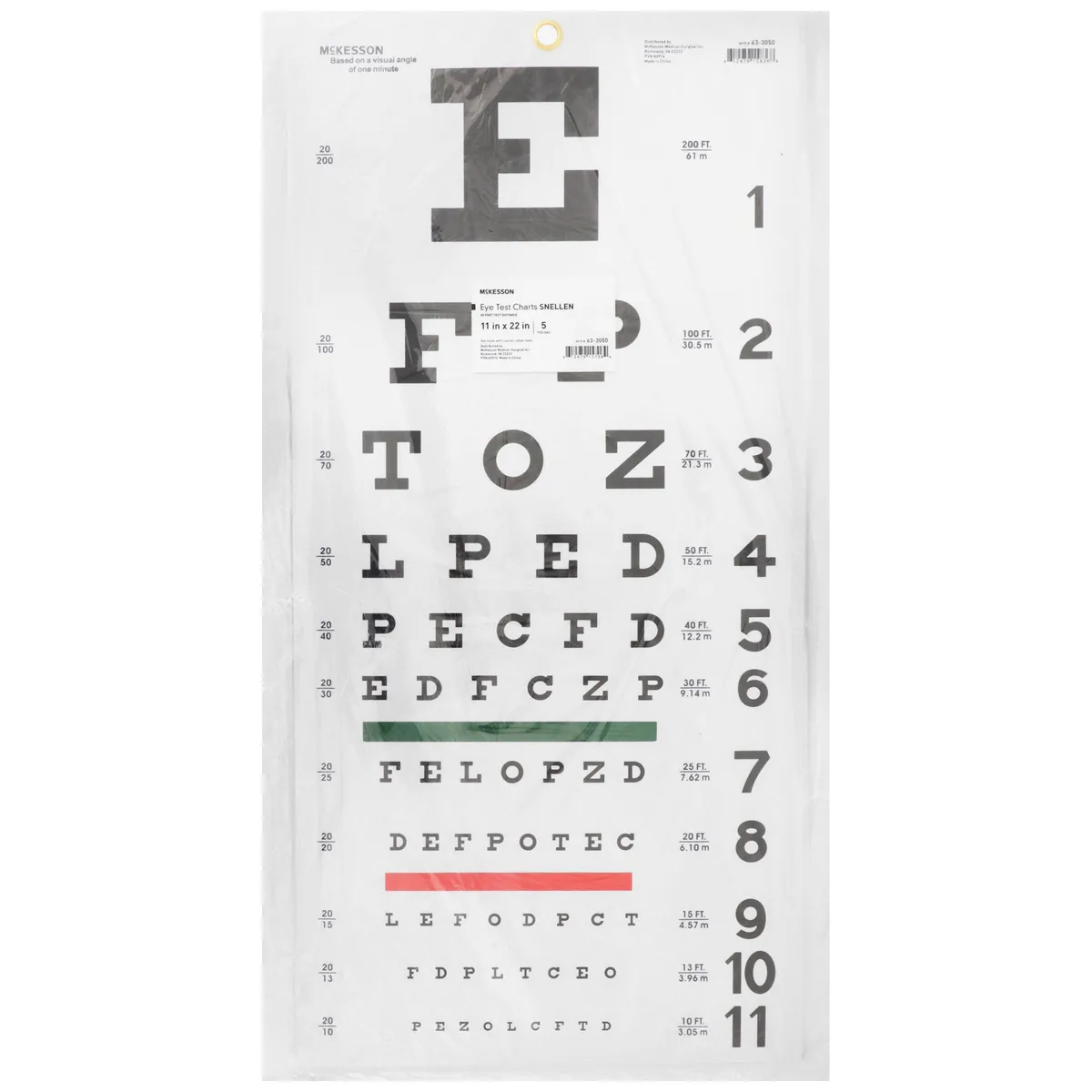
McKesson Brand
McKesson Eye Test Chart, 1 Bag of 5
$45.09USD
Good-Lite
Lea Symbols® Distance Vision Eye Chart, 1 Each
$62.17USD
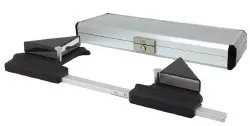
Good-Lite
Good-Lite Exophthalmometer, 1 Each
$382.39USD
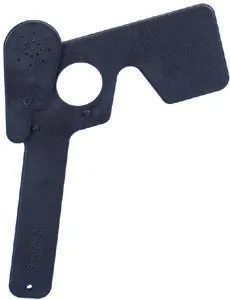
Good-Lite
Good-Lite Eye Occluder, 1 Each
$47.63USD
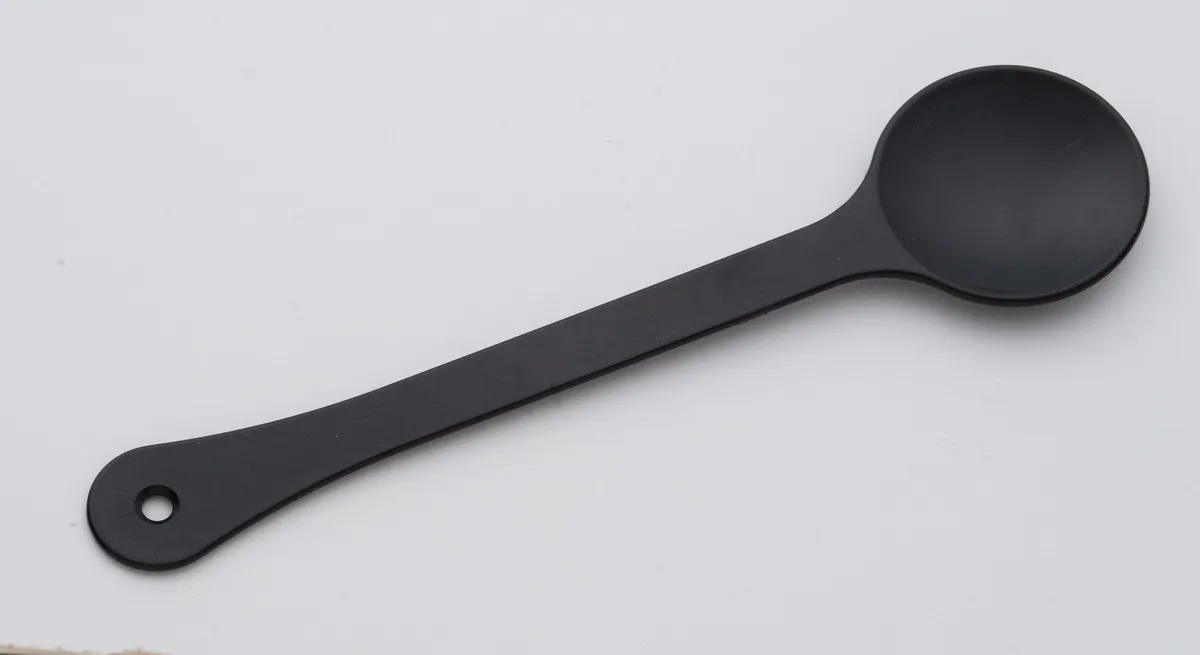
Dukal
Tech-Med Eye Occluder, 1 Each
$23.04USD
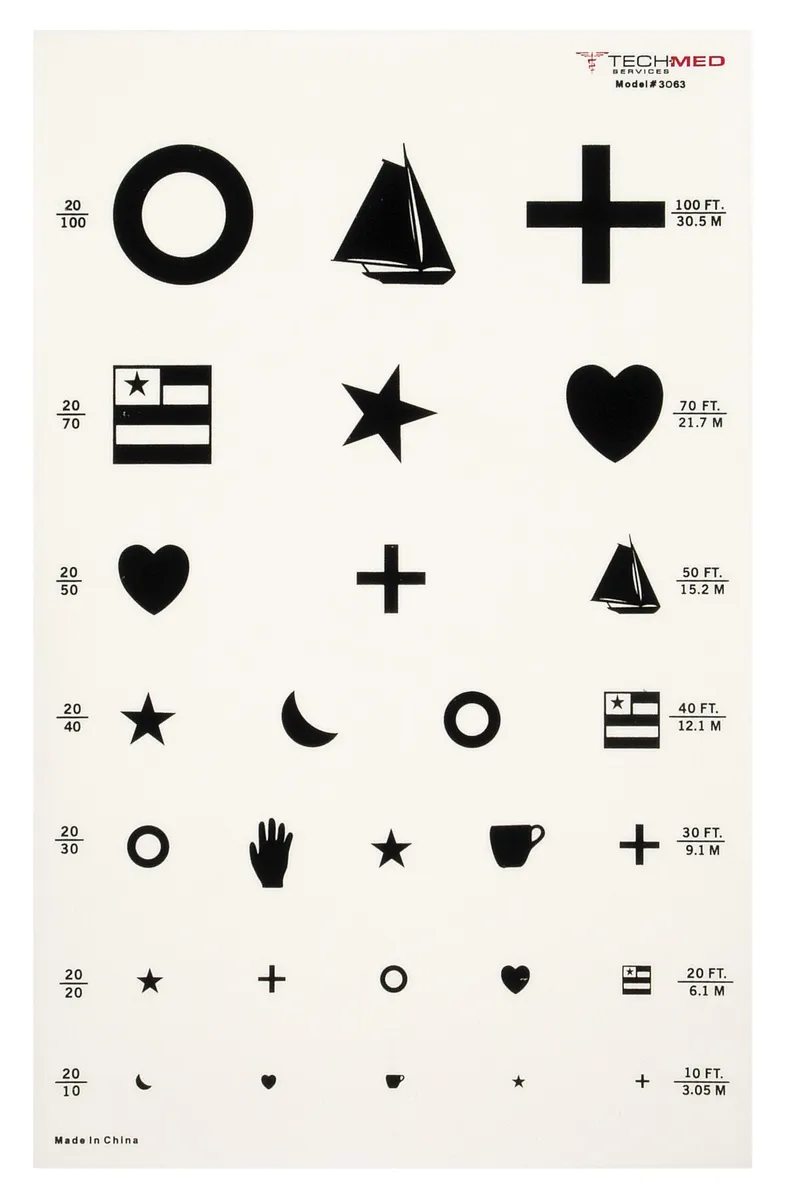
McKesson Brand
McKesson Eye Test Chart, 1 Each
$33.97USD
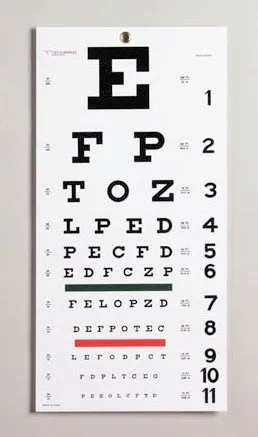
Dukal
Moore Medical Snellen Eye Chart, 1 Each
$41.03USD
Graham Field
Grafco® Illiterate Plastic Eye Chart, 22" x 11", 1 Each
$11.59USD
$9.19USD
In stock. Order by 2pm PST for same-day processing.
In stock
Ships from our western US warehouses
Fast shipping
Same-day processing before 2pm PST
30-day returns
Hassle-free on eligible orders
HSA / FSA
Eligible for most medical accounts
$9.19USD