Clinical fitting.
Pessary fitting is a clinical procedure — sizing and shape are determined by pelvic exam. Self-fitting is not recommended.
Other sizes, pack counts, and variants of the same product line.
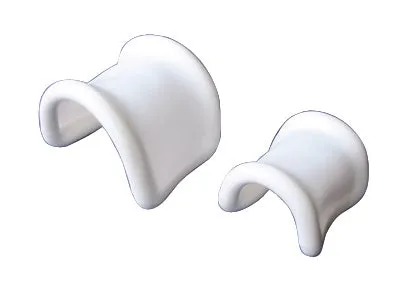
Gehrung Pessary 50mm #0 w/Support
$149.27USD
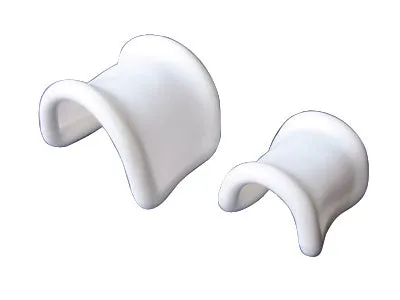
Gehrung Pessary 90mm #8 w/Support
$149.27USD
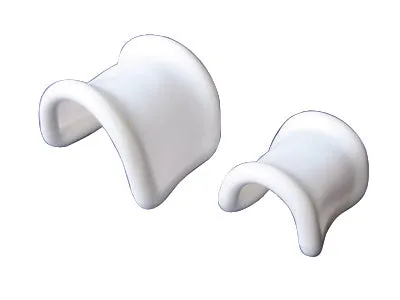
Gehrung Pessary 70mm #4 w/Support
$149.27USD
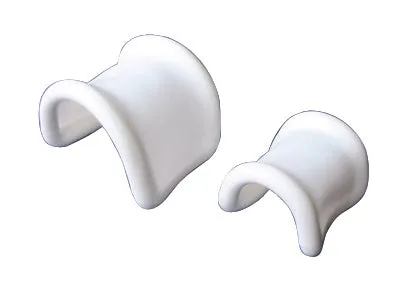
Gehrung Pessary 55mm #1 w/Support
$149.27USD
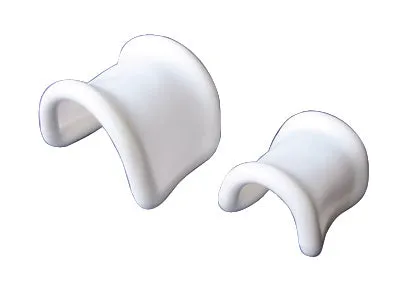
Gehrung Pessary 85mm #7 w/Support
$149.27USD
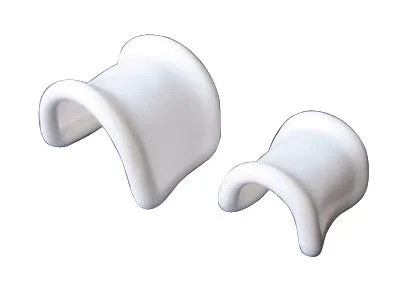
Gehrung Pessary 60mm #2 w/Support
$149.27USD
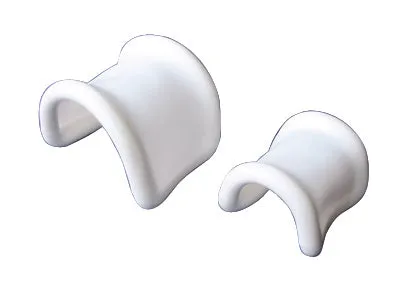
Gehrung Pessary 80mm #6 w/Support
$149.27USD
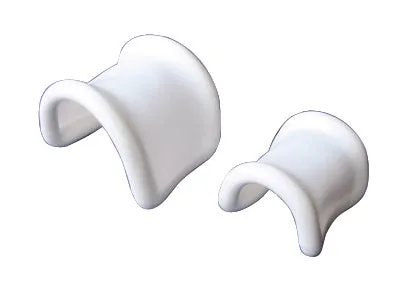
Gehrung Pessary 65mm #3 w/Support
$149.27USD
Products commonly used alongside this one. Bundle them into a single order.
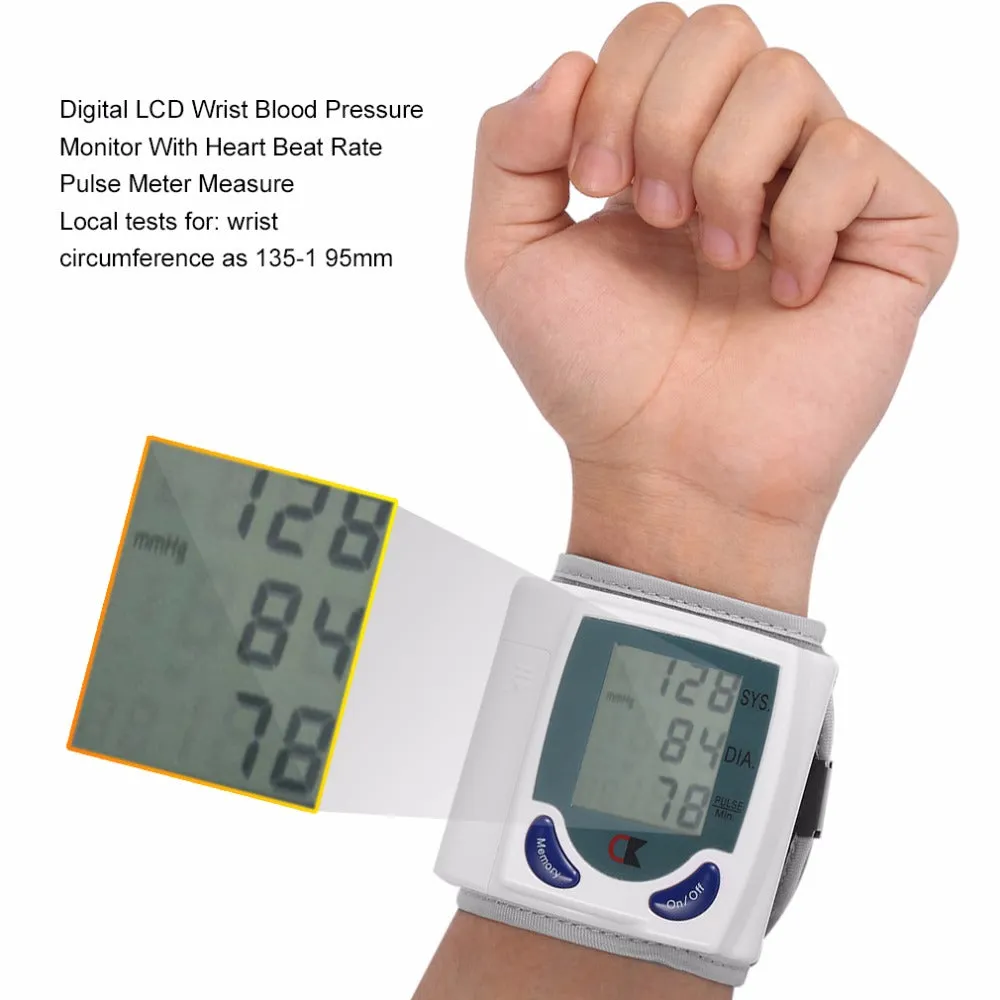
Hospital Supply HQ
Simple, Two Button Digital LCD Wrist Blood Pressure Monitor - Best BP Device For The Home
$26.99USD

Unilever
Dove® Antiperspirant / Deodorant, 1 Each
$22.19USD

Neutrogena
Neutrogena® Moisturizer, 1 Each
$24.14USD
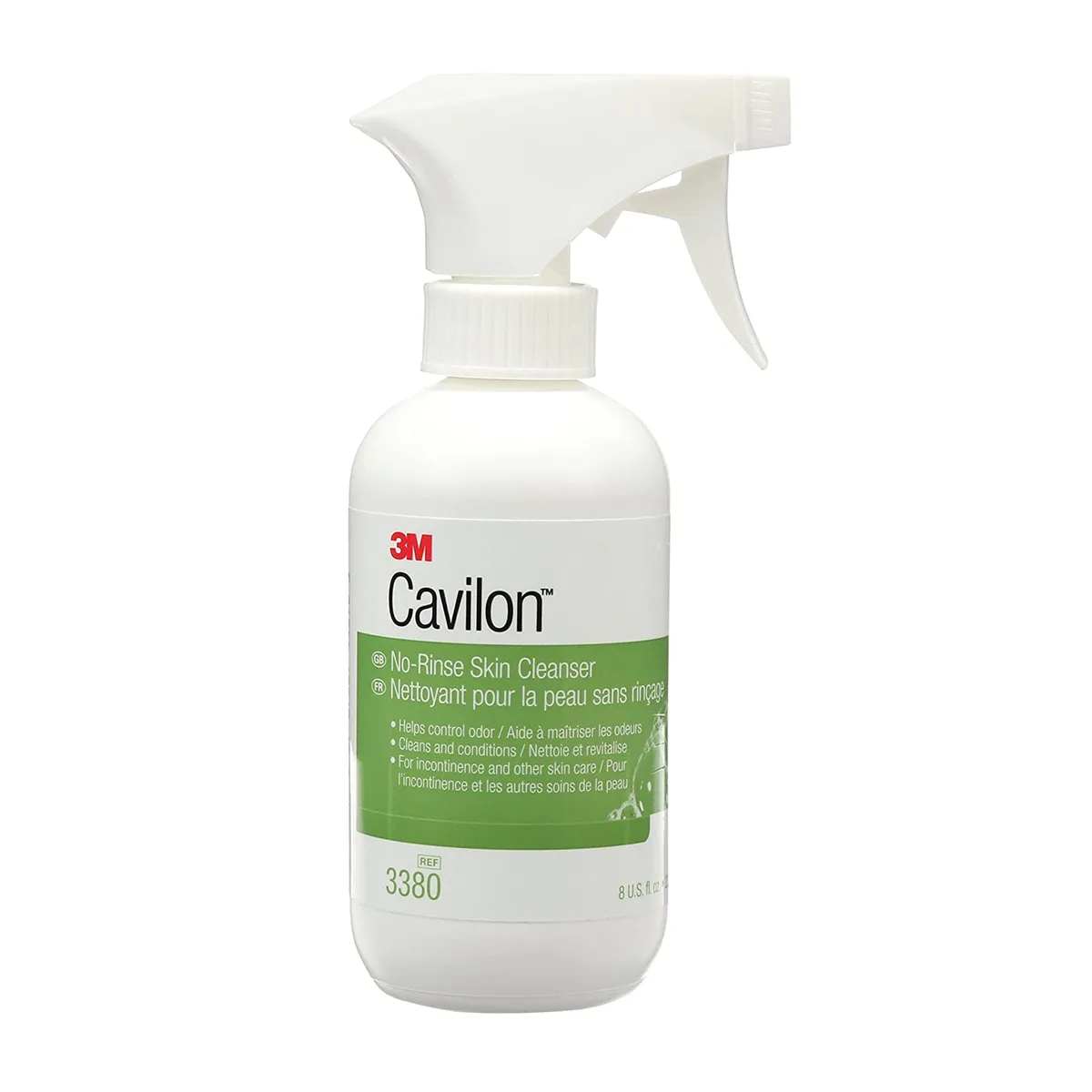
3M
3M Cavilon Rinse-Free Body Wash, 8 Oz Pump Bottle, Floral Scent, 1 Each
$18.36USD
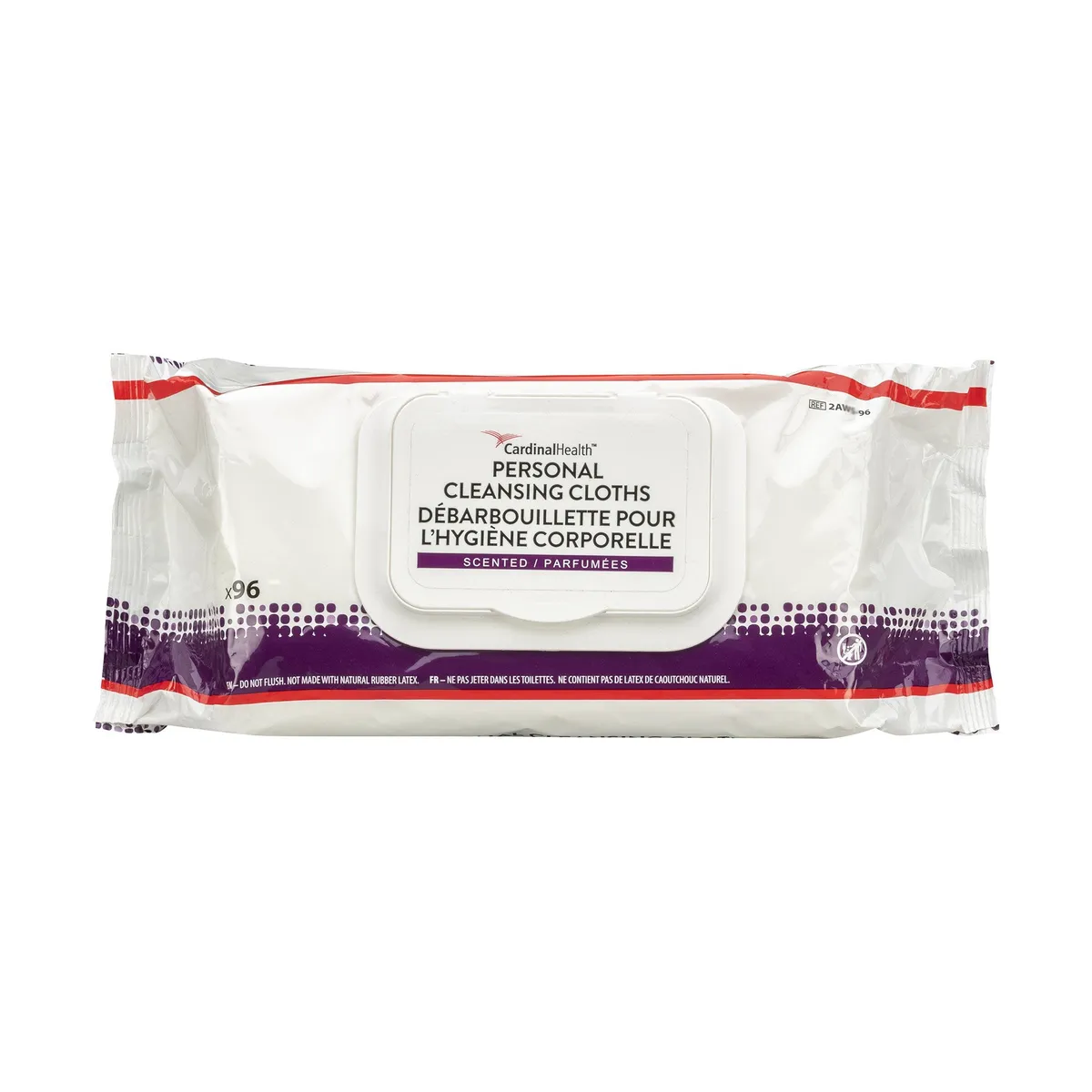
Cardinal
Cardinal Unscented Personal Wipe, 1 Pack of 96
$32.62USD

Dynarex
Dynarex Zinc Oxide Skin Protectant, Scented, 2 Oz Tube, 1 Case of 72
$182.29USD
Ring, cube, donut, and Gellhorn designs match the clinical presentation and anatomy.
Latex-free silicone provides comfort and durability with standard cleaning.
Most pessaries can be self-managed by the patient with routine removal and cleaning.
Designed for clinician fitting with follow-up for comfort, function, and skin integrity.
Pessaries, vaginal health supplies, and women's health products for pelvic organ prolapse management, urogynecology, and pre- and post-natal care.
Pessary fitting is a clinical procedure — sizing and shape are determined by pelvic exam. Self-fitting is not recommended.
Teach insertion, removal, cleaning, and recognition of complications. Schedule regular follow-up.
Most pessaries are removed daily or weekly for cleaning with mild soap and water per clinician instruction.
Watch for vaginal erosion, discharge, pain, and urinary symptoms. Report any changes to the clinician.
Clinical use information is provided for reference only. Always follow facility protocols, manufacturer instructions for use (IFU), and evidence-based practice guidelines. Consult the treating clinician before use.
Standards & Certifications
A spec-by-spec comparison with the most common alternatives in the women's health category. Clinical interchangeability varies — always verify with your care team or facility protocol.
| Spec | This product Gehrung Pessary 75mm #5 w/ Support | Hospital Supply HQ Hodge Pessary 75mm w/o Support | Hospital Supply HQ Mar-Land Pessary w/o Support#6 | Hospital Supply HQ Dish Pessary w/o Support #2 |
|---|---|---|---|---|
| Material | Silicone | Silicone | Silicone | Silicone |
| Indication | Pessaries | Pessaries | Pessaries | Pessaries |
Comparison is provided for reference only. Brand names and trademarks belong to their respective owners. Specific SKUs may differ from category averages shown above.
Trusted manufacturer
An established medical products manufacturer supplying clinical teams with quality healthcare supplies.
Answers to the questions clinical buyers and care teams ask most about this product category.
Pessaries are removable silicone devices placed in the vagina to support pelvic organs that have descended due to prolapse. They provide a non-surgical option for pelvic organ prolapse and some types of stress urinary incontinence.
Cleaning frequency varies by pessary type and patient capability — from daily to monthly. Your clinician will provide a specific schedule. Regular follow-up is essential for continued safe use.
Ring pessaries can often remain in place during sexual activity; other shapes (Gellhorn, cube, donut) typically must be removed. Discuss specifics with your clinician based on your pessary type.
Most pessaries are covered under medical benefits with appropriate diagnosis codes. Fitting visits are billed as office procedures. Confirm specifics with your payer.
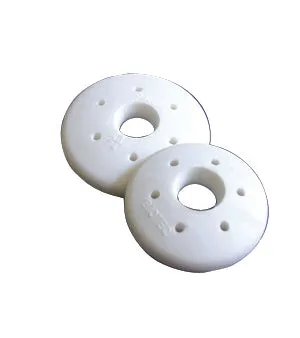
Hospital Supply HQ
Pessary #0 Shaatz 1.50
$149.27USD
Hospital Supply HQ
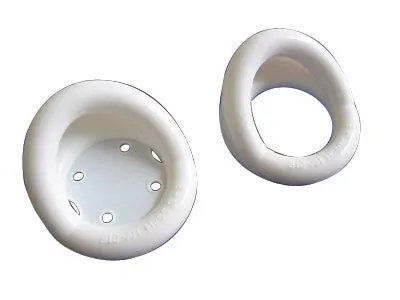
Mar-Land Pessary w/o Support#6
$149.27USD
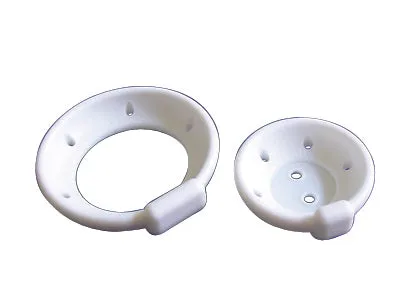
Hospital Supply HQ
Dish Pessary w/o Support #2
$149.27USD
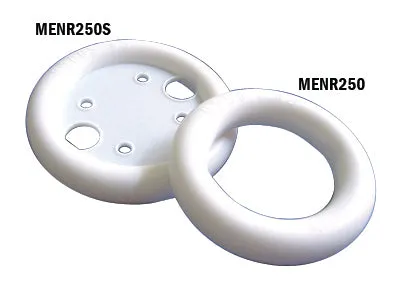
Hospital Supply HQ
Pessary Ring 2.5 w/Support #3
$147.47USD
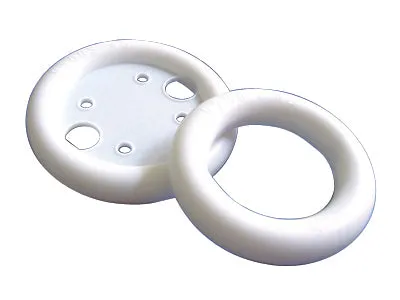
Hospital Supply HQ
Pessary Ring 3.25 w/o Support #6
$149.27USD
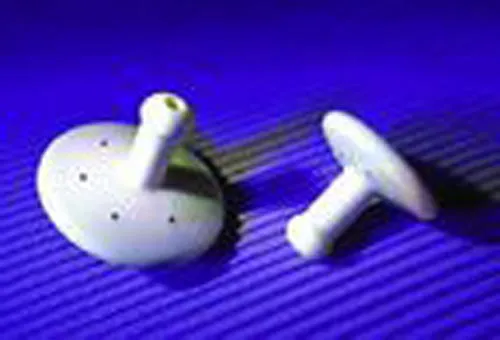
Hospital Supply HQ
Pessary #5 Gellhorn 2.75
$149.27USD
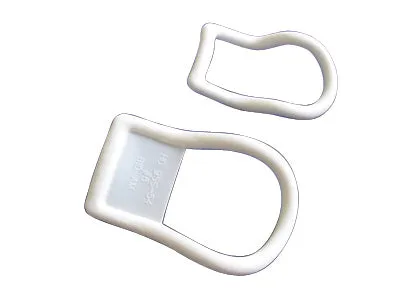
Hospital Supply HQ
Hodge Pessary 90mm w/Support
$149.27USD
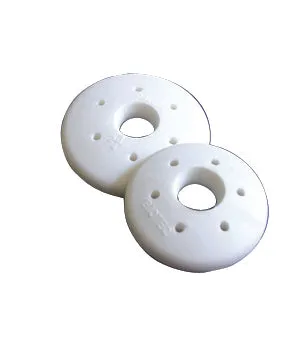
Hospital Supply HQ
Pessary #7 Shaatz 3.25
$149.27USD
$149.27USD
$181.94USD
Save $32.67In stock. Order by 2pm PST for same-day processing.
In stock
Ships from our western US warehouses
Fast shipping
Same-day processing before 2pm PST
30-day returns
Hassle-free on eligible orders
HSA / FSA
Eligible for most medical accounts
$149.27USD
$181.94USD
Clinical Evidence
The Cochrane database of systematic reviews
A Cochrane systematic review of randomised and quasi-randomised trials of vaginal pessaries for managing pelvic organ prolapse in women.
Key Findings
Sample Size
4 studies, 478 women
JAMA
The PEOPLE randomised noninferiority trial in 21 Dutch hospitals comparing initial pessary therapy with surgery for symptomatic stage 2 or greater pelvic organ prolapse.
Key Findings
Sample Size
440 women
Archives of gynecology and obstetrics
A systematic review and meta-analysis of adherence among women with pelvic organ prolapse who self-manage (remove, clean and reinsert) their vaginal pessary.
Key Findings
Sample Size
7 publications
Clinical evidence is provided for informational purposes only. Healthcare professionals should evaluate products based on their clinical judgment and patient-specific factors. Links to external studies are provided as references and do not constitute endorsement. Always refer to the manufacturer's instructions for use.