Assess pressure injury risk.
Use Braden or Norton scale to determine risk level. Match the support surface to the assessed risk category (Group 1, 2, or 3).
Products commonly used alongside this one. Bundle them into a single order.
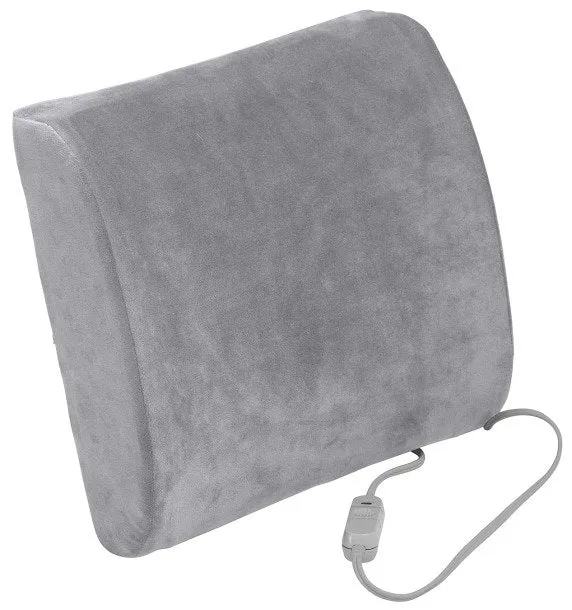
Drive Medical
Comfort Touch™ Lumbar Support Cushion, 1 Each
$40.19USD
Drive Medical
First Position Wedge Seat Cushion, 1 Each
$57.26USD
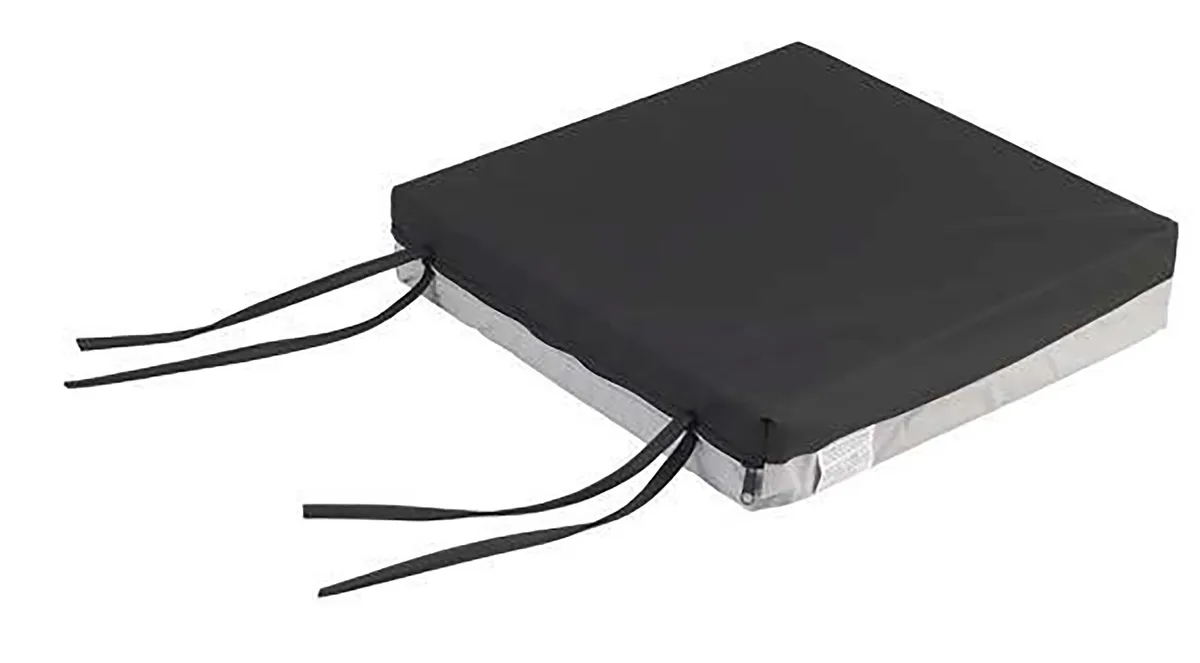
Drive Medical
Premier One Foam Seat Cushion, 1 Each
$39.22USD
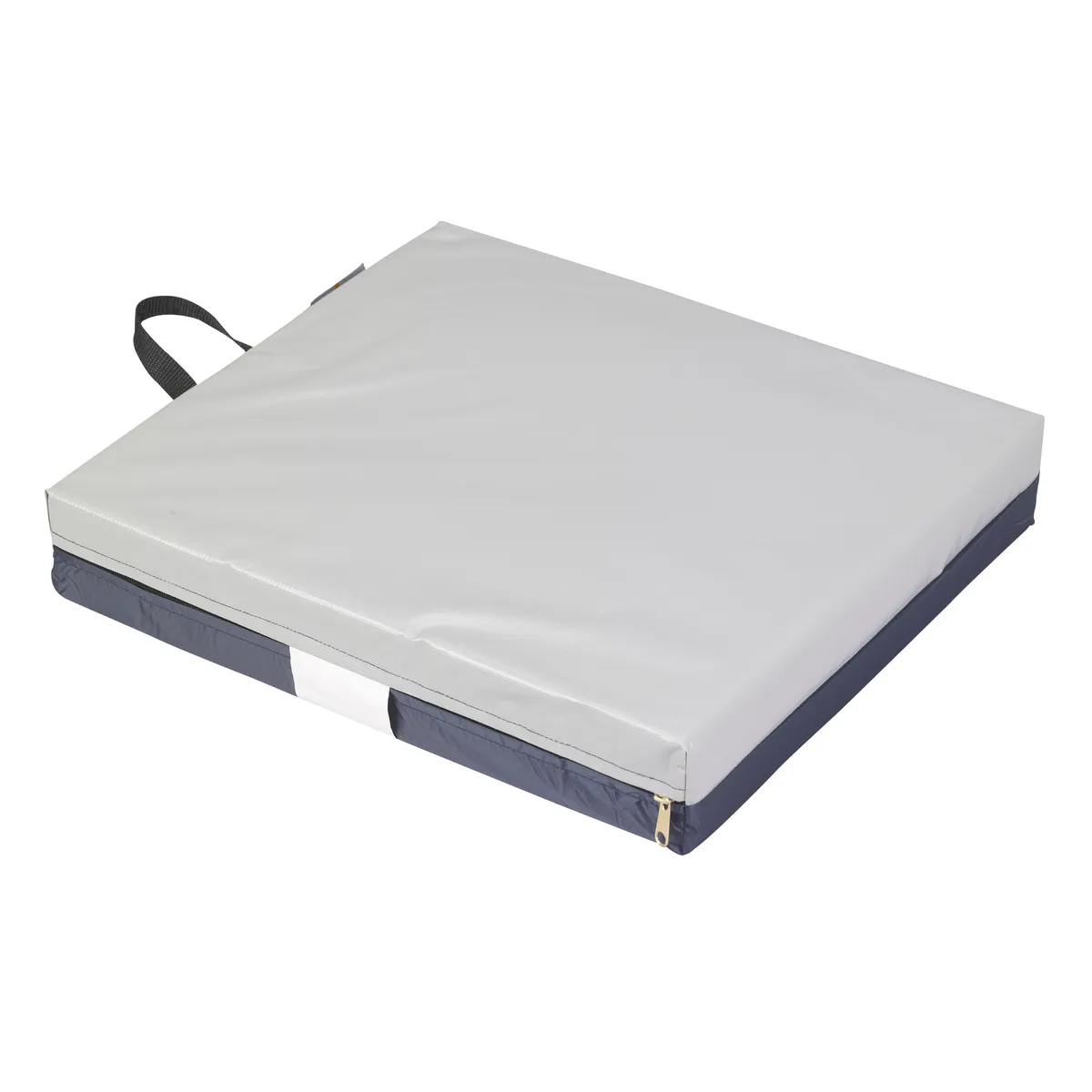
Drive Medical
Gel "E" Seat Cushion, 1 Each
$57.98USD
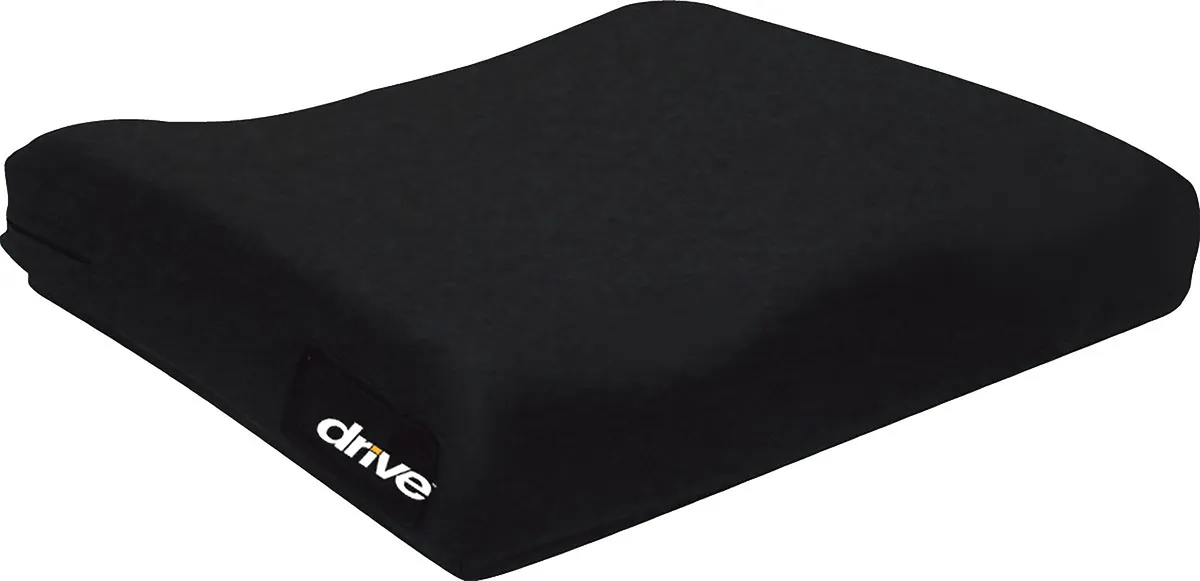
Drive Medical
drive™ Molded Foam Cushion, 1 Each
$64.03USD
Drive Medical
drive™ Adjustable Tension Back Cushion, 1 Each
$120.15USD
Clinically proven to reduce peak pressure under bony prominences for patients at high risk of skin breakdown.
Cyclical air cell inflation redistributes pressure across the body surface without manual repositioning.
Continuous airflow manages moisture and temperature at the skin interface to reduce maceration.
Support surfaces qualify under Medicare Groups 1, 2, or 3 with appropriate documentation (E0180–E0277).
Alternating pressure, low-air-loss, and static overlay mattress systems for pressure injury prevention and treatment across all stages and care settings.
Use Braden or Norton scale to determine risk level. Match the support surface to the assessed risk category (Group 1, 2, or 3).
Static overlays for Group 1 prevention. Alternating pressure for Group 2 active prevention. Low-air-loss for Group 3 wound healing.
Verify pump inflation, cycle time, and alarm settings per manufacturer IFU. Do not over-inflate or under-inflate cells.
Continue scheduled skin inspection and repositioning per facility protocol. Mattress therapy augments but does not replace repositioning.
Record surface type, settings, skin condition, and patient tolerance in the medical record.
Clinical use information is provided for reference only. Always follow facility protocols, manufacturer instructions for use (IFU), and evidence-based practice guidelines. Consult the treating clinician before use.
Standards & Certifications
A spec-by-spec comparison with the most common alternatives in the pressure relief mattresses category. Clinical interchangeability varies — always verify with your care team or facility protocol.
| Spec | This product drive™ Med-Aire® Mattress Pump, 1 Each | Drive Medical Med-Aire Alternating Pressure Pump & Pad w/End Flaps | Crown Therapeutics Crown Therapeutics Single Action Pump, 1 Each | Fabrication Enterprises Fabrication Enterprises Bed Mattress Blanket Lift Bar, 1 Each |
|---|---|---|---|---|
| HCPCS Group | Eligible | Eligible | Eligible | Eligible |
Comparison is provided for reference only. Brand names and trademarks belong to their respective owners. Specific SKUs may differ from category averages shown above.
Trusted manufacturer
An established medical products manufacturer supplying clinical teams with quality healthcare supplies.
Answers to the questions clinical buyers and care teams ask most about this product category.
Alternating pressure (APP) inflates and deflates air cells in cycles to redistribute pressure. Low-air-loss (LAL) provides continuous airflow through microperforated cells to manage skin moisture and temperature. Some systems combine both therapies.
Group 1: pressure-reducing overlay/mattress for prevention. Group 2: powered alternating or low-air-loss for Stage II+ injuries. Group 3: air-fluidized for severe Stage III–IV injuries and flap surgery. Documentation and medical necessity determine eligibility.
No. Even the highest-specification mattress is an adjunct to — not a replacement for — scheduled repositioning, skin inspection, and nutrition. Follow your facility's pressure injury prevention protocol.
Inspect daily for leaks, pump function, and alarm readiness. Most rental surfaces are maintained by the supplier; owned surfaces should be serviced per manufacturer schedule. Replace immediately if air cells are damaged.
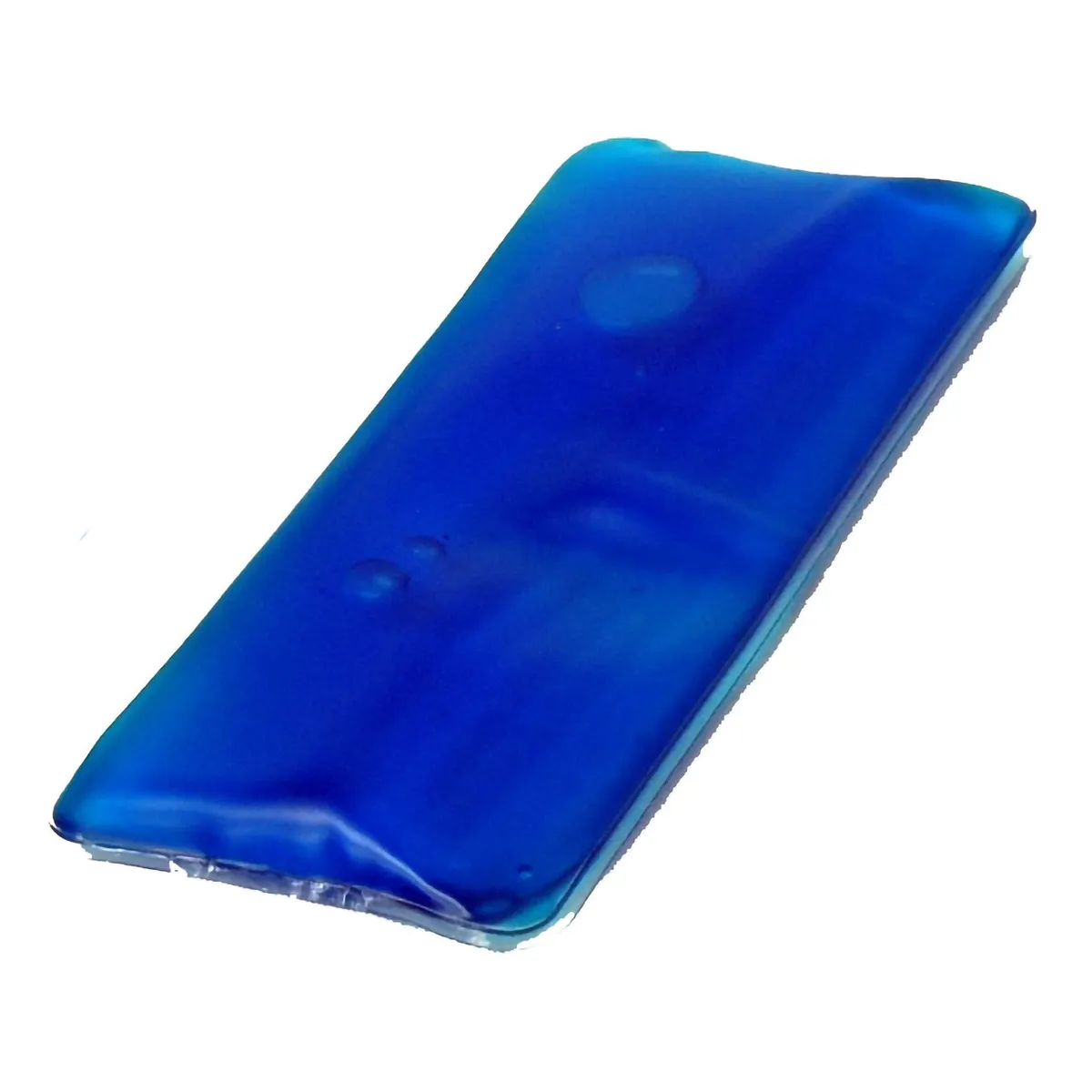
Skil-Care
SkiL-Care™ Hot / Cold Therapy Pack, 1 Each
$27.37USD
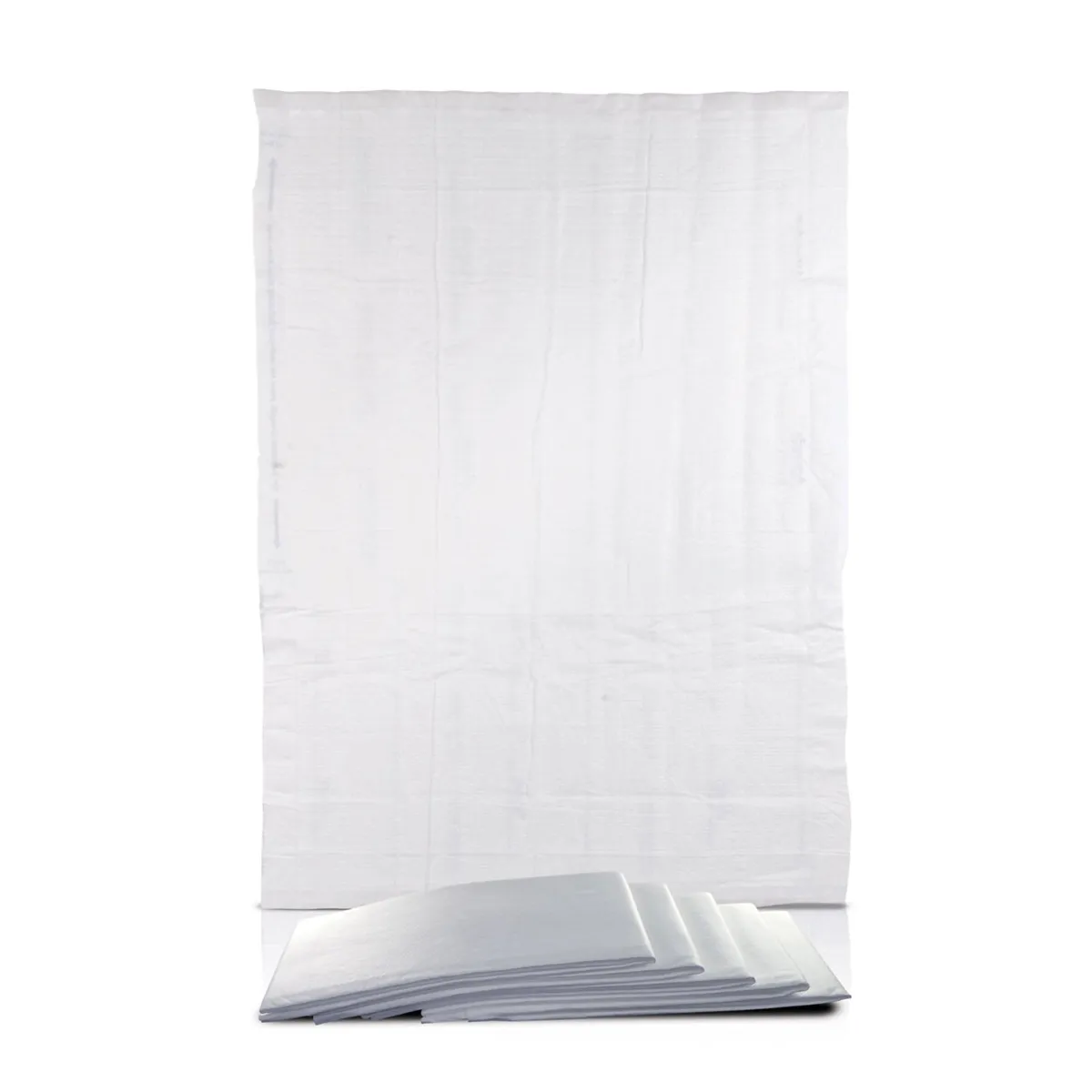
Sage Products
Sage Products Microclimate Body Pad, 1 Pack of 5
$55.64USD
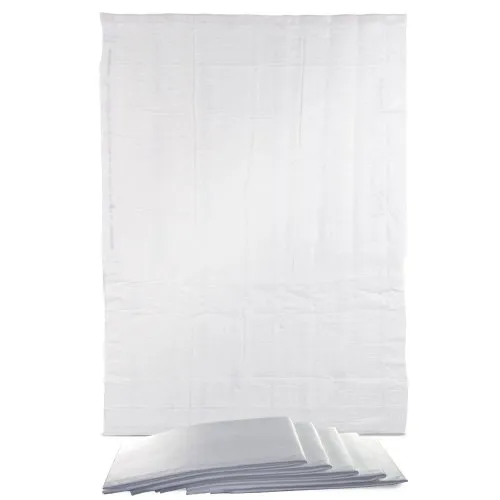
Sage Products
Prevalon® M2 Microclimate Body Pad Replacement Underpad, 1 Case of 20
$272.63USD
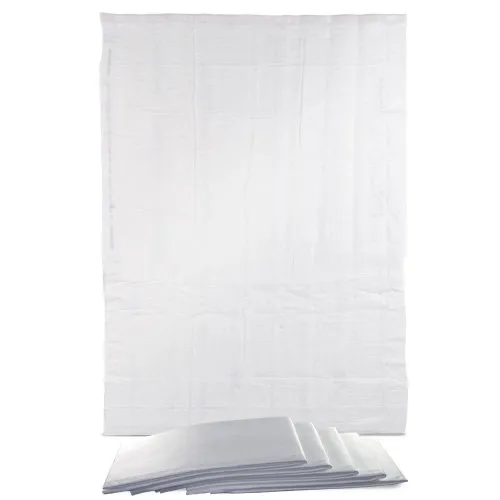
Sage Products
Prevalon® M2 Microclimate Body Pad Replacement Underpad, 1 Each
$27.16USD
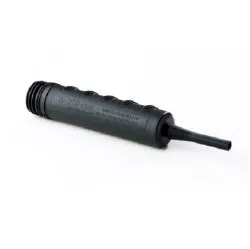
Crown Therapeutics
Crown Therapeutics Single Action Pump, 1 Each
$28.81USD
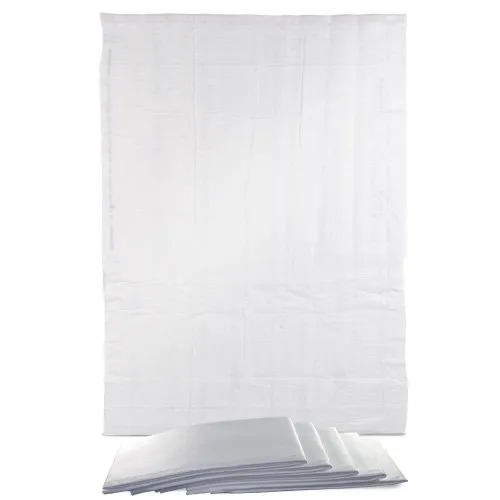
Sage Products
Prevalon® M2 Microclimate Body Pad Replacement Underpad, 1 Case of 20
$264.60USD
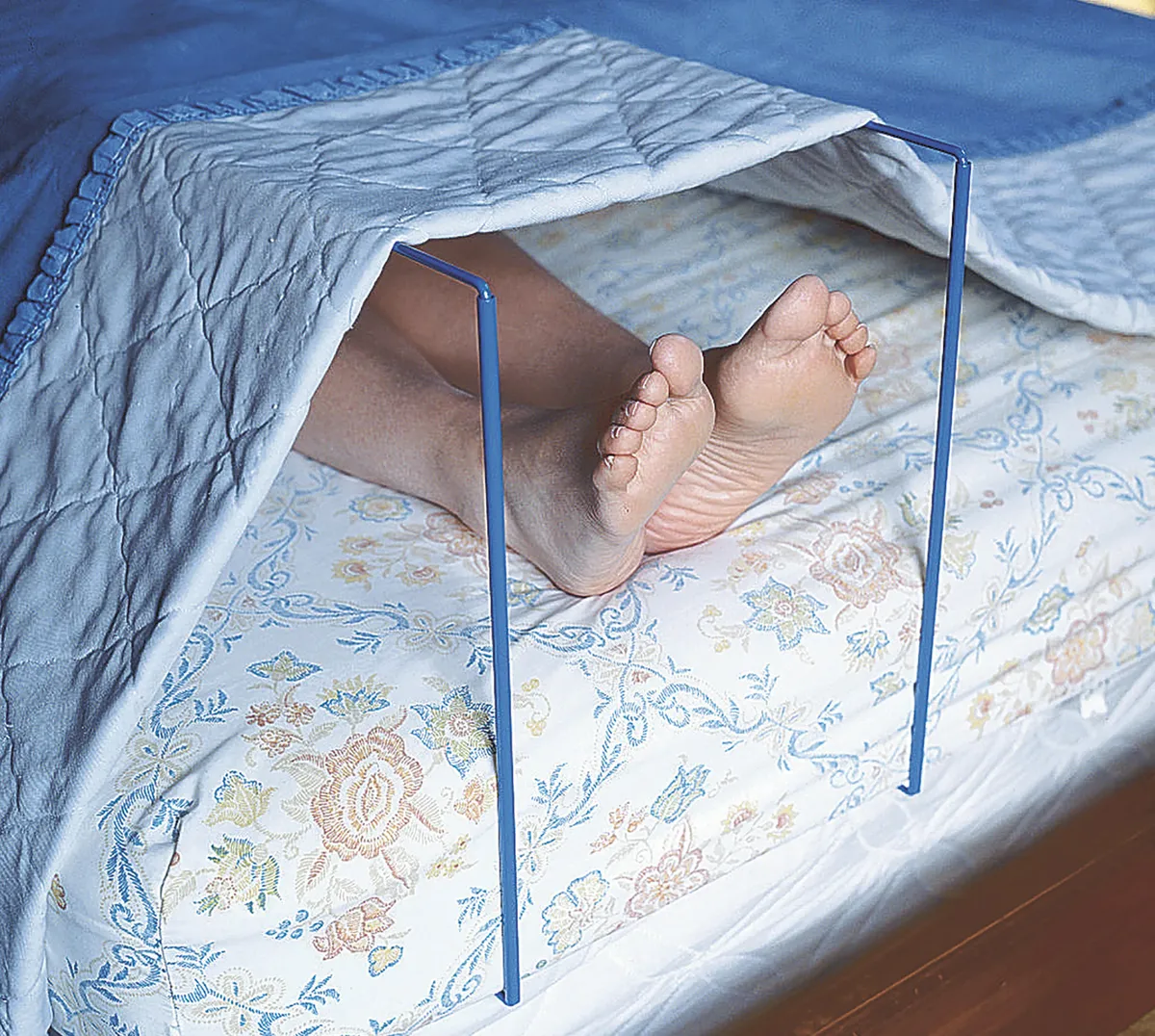
Fabrication Enterprises
Fabrication Enterprises Bed Mattress Blanket Lift Bar, 1 Each
$54.54USD
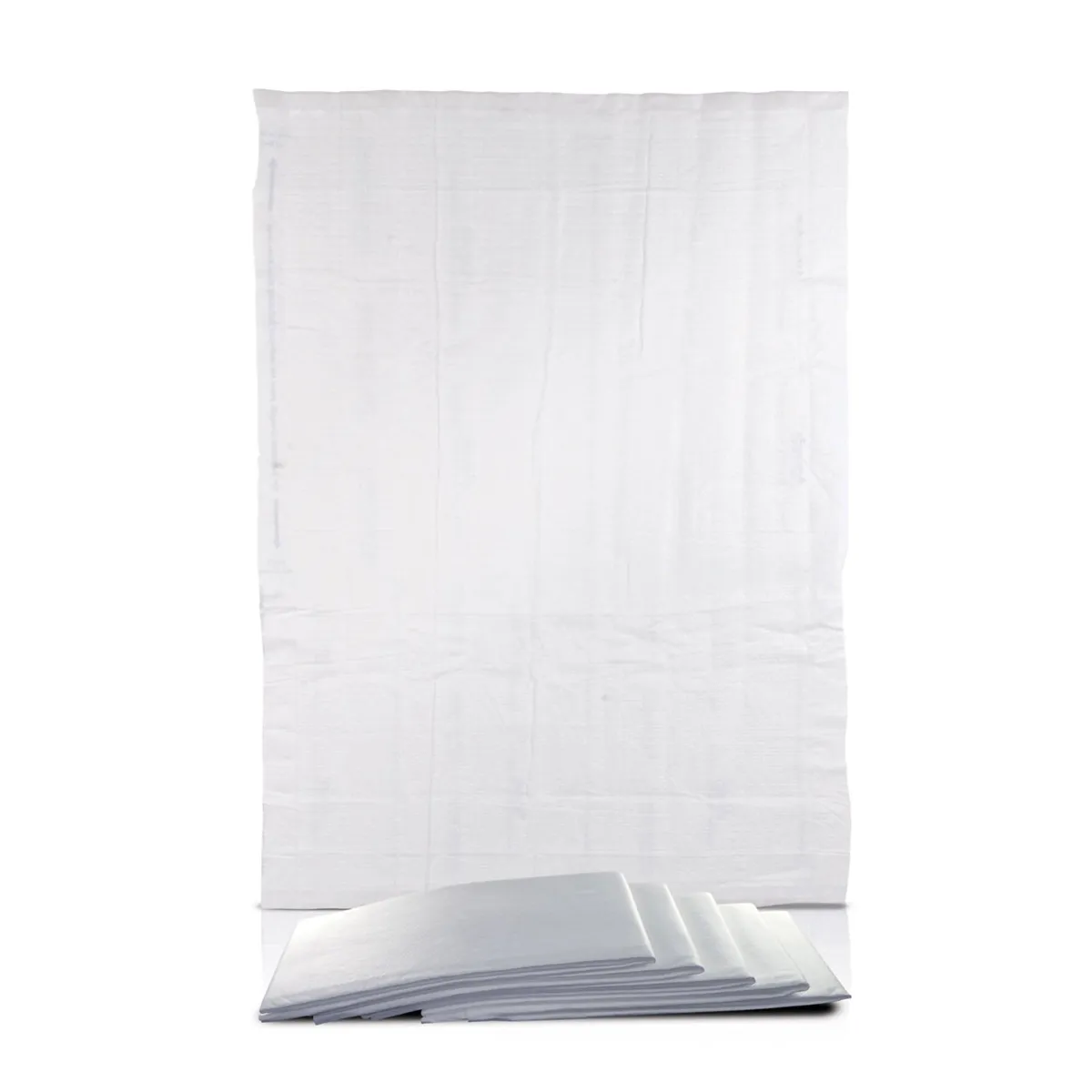
Sage Products
Sage Products Microclimate Body Pad, 1 Case of 30
$289.94USD
$755.19USD
$933.02USD
Save $177.83In stock. Order by 2pm PST for same-day processing.
In stock
Ships from our western US warehouses
Fast shipping
Same-day processing before 2pm PST
30-day returns
Hassle-free on eligible orders
HSA / FSA
Eligible for most medical accounts
$755.19USD
$933.02USD