Label at collection.
Label specimen containers at the patient's bedside, at the moment of collection, and in the patient's presence. Never pre-label.
Products commonly used alongside this one. Bundle them into a single order.
OakRidge Products
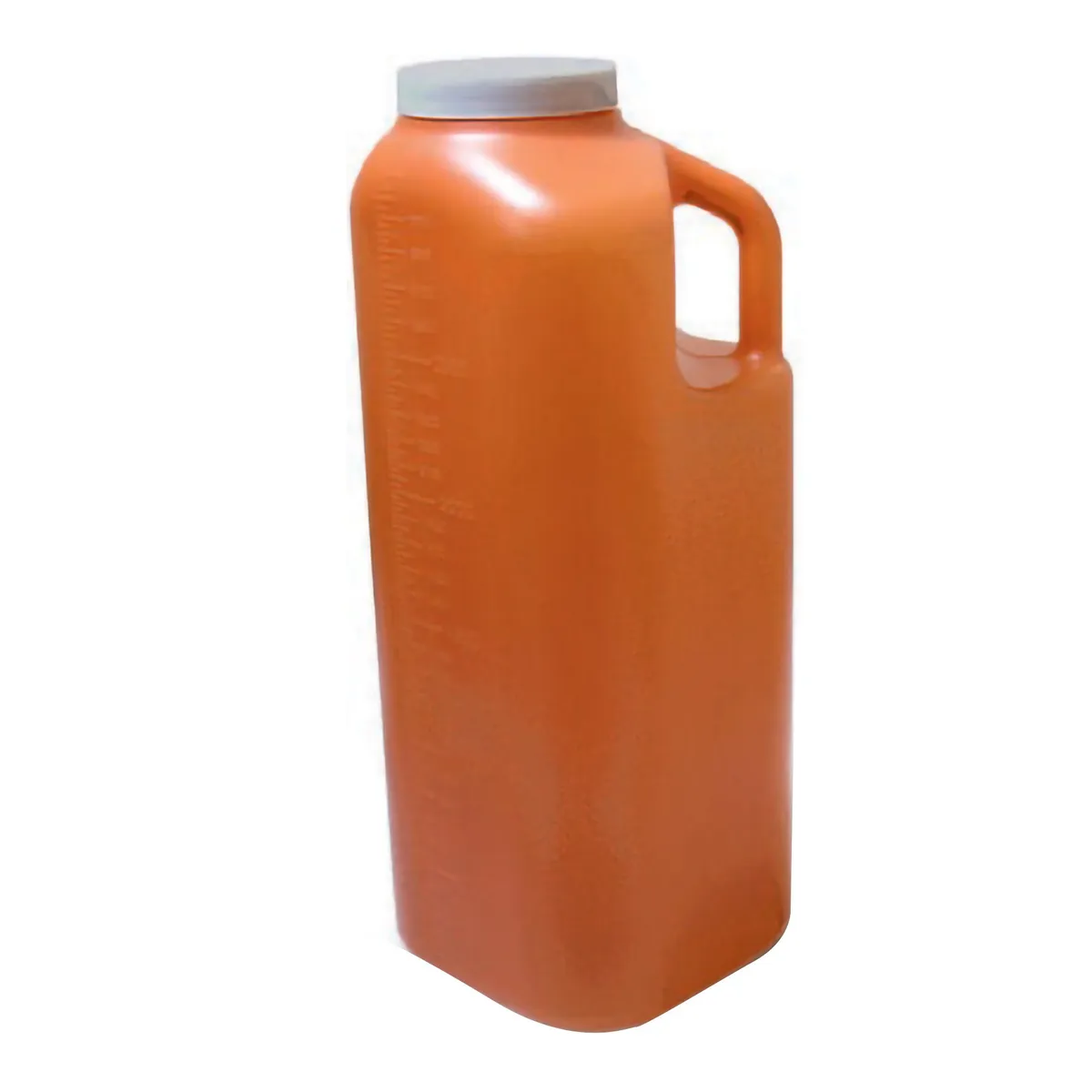
24-Hour Urine Specimen Collection Container, 3,000 mL, 1 Case of 40
$115.49USD
Globe Scientific
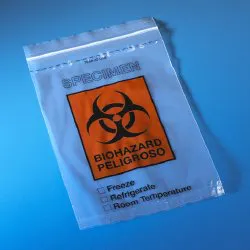
Globe Scientific Specimen Transport Bag with Document Pouch, 6 x 9 Inch, 1 Box of 100
$23.15USD
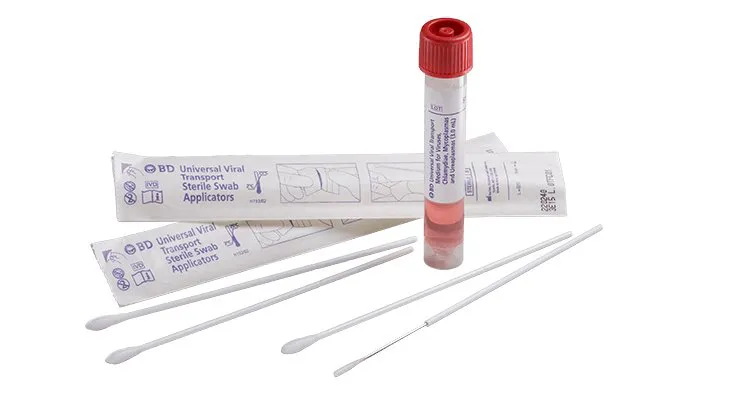
BD
BD™ Universal Viral Transport Kit, 1 Pack of 50
$310.09USD
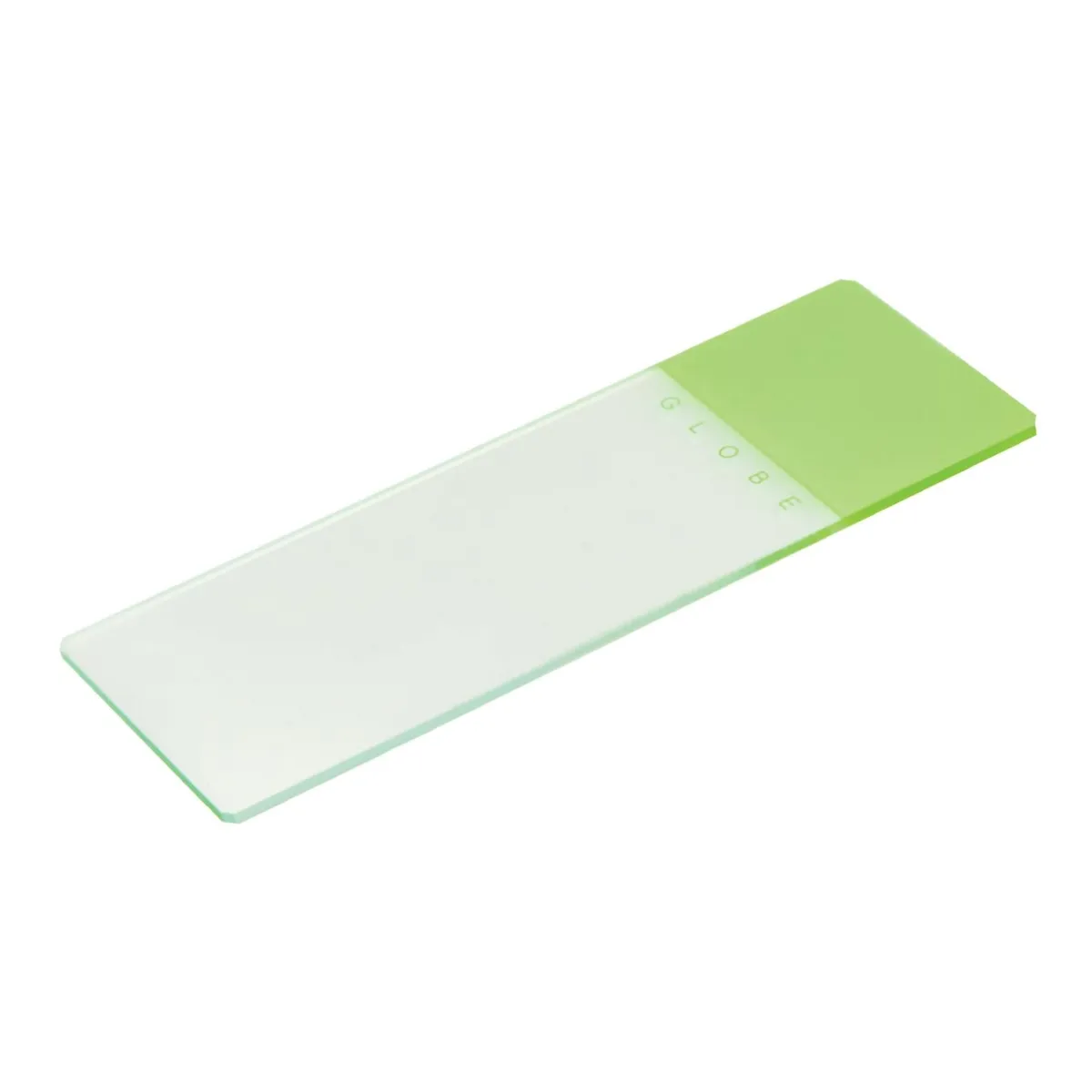
Globe Scientific
Globe 1324 Series Microscope Slide, Green Frosted End, 25 x 75 x 1.1 mm, 1 Case of 1440
$270.59USD
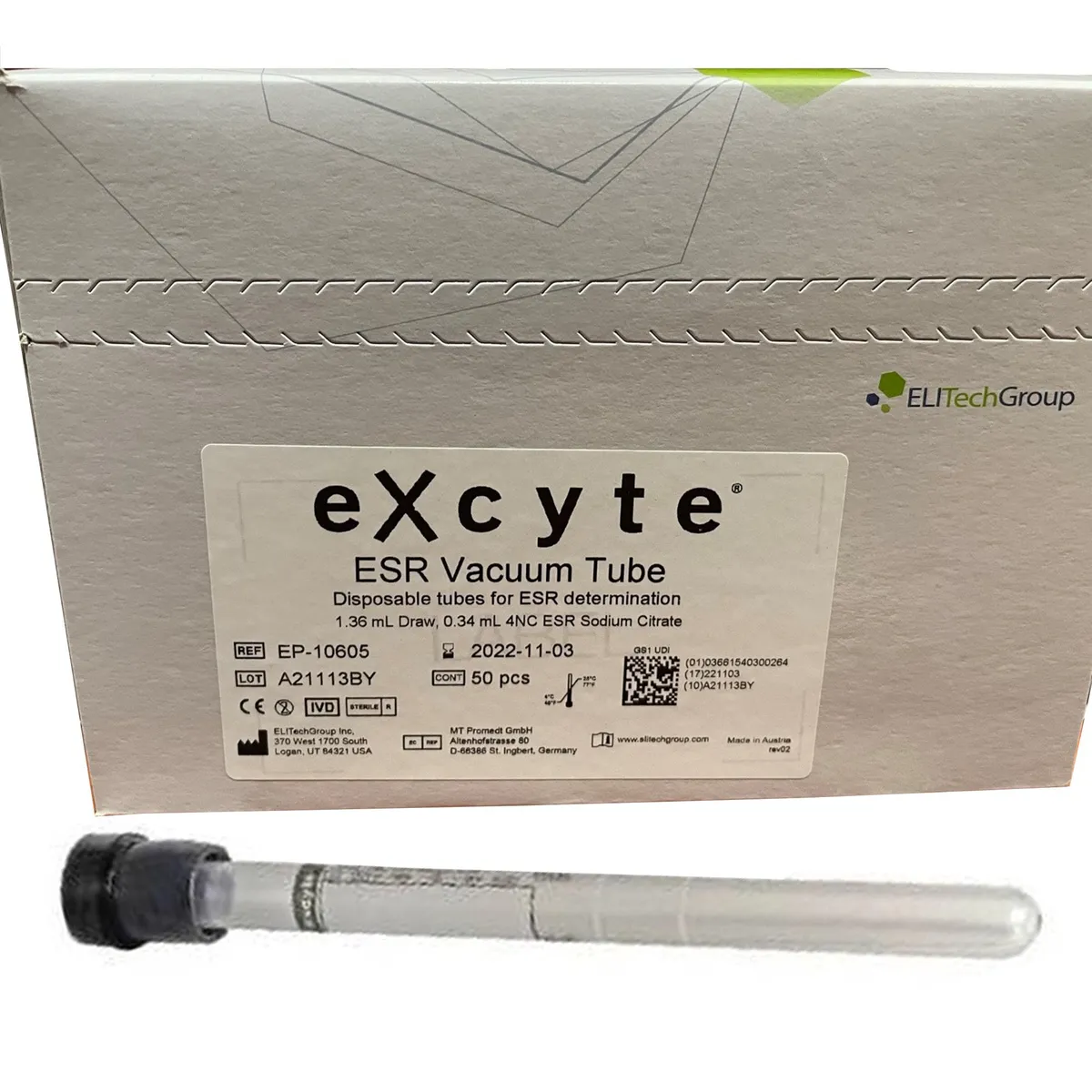
Elitech Group Inc
Excyte® Vacuum Tube Venous Blood Collection Tube, 1 Box of 50
$137.99USD
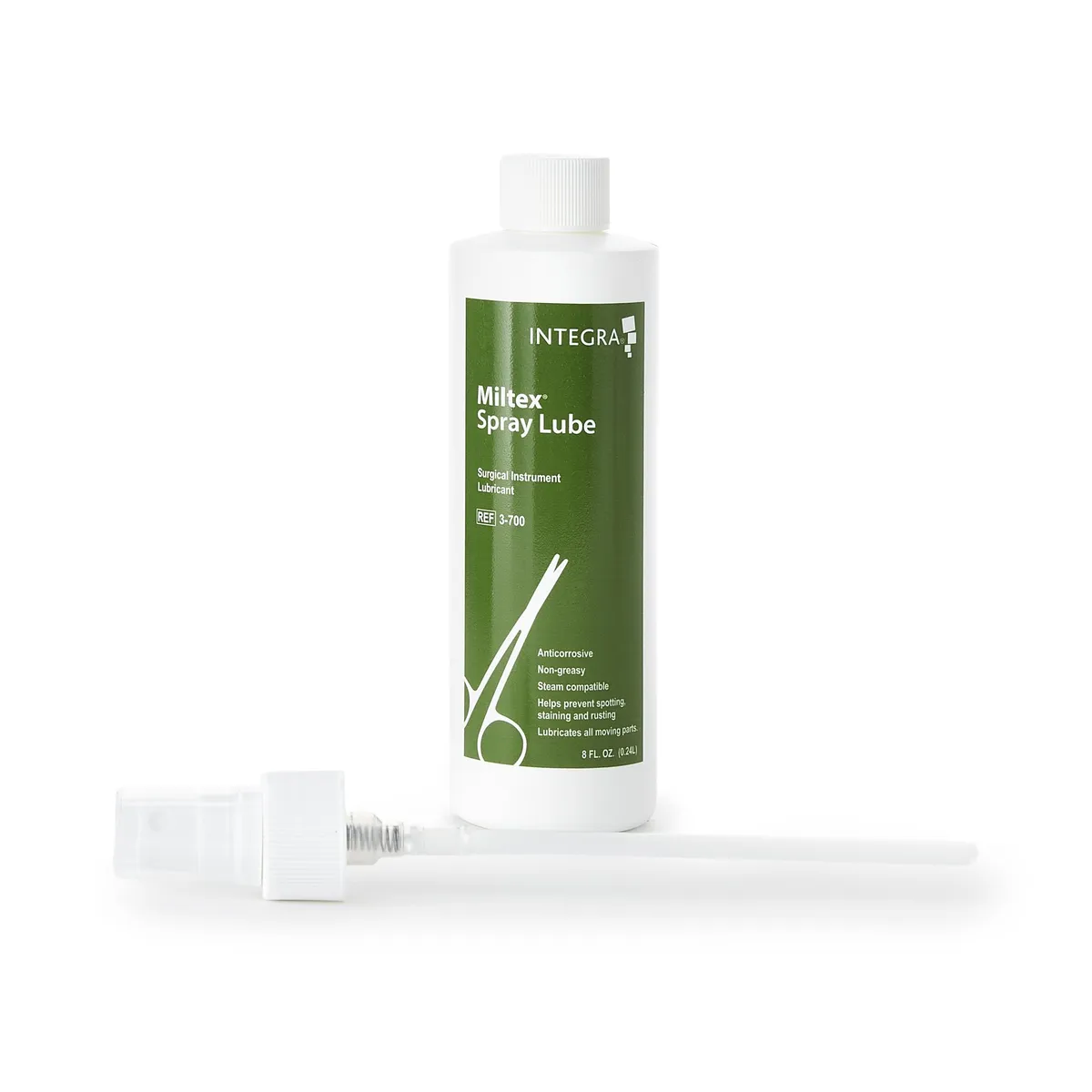
Integra Lifesciences
Miltex® Instrument Lubricant, 1 Each
$27.67USD
Barcode and pre-printed labels enable closed-loop specimen identification from collection through result reporting — reducing mislabel and wrong-patient errors.
Cryo-rated, autoclave-rated, and solvent-resistant label stocks survive freezer (-80°C to -196°C liquid nitrogen), steam sterilization, and organic solvent exposure without peeling.
Standard microtube, cryovial, and pipette-tip formats are compatible with common lab automation and manual workflow.
Pipette tips and calibration accessories carry lot and certificate-of-compliance documentation for audit trail and QA.
Clinical laboratory accessories and identification labels support specimen handling, sample traceability, and workflow accuracy in clinical, pathology, and research labs. Labels must survive sample-handling conditions (freezer, solvent, autoclave) without degrading.
Label specimen containers at the patient's bedside, at the moment of collection, and in the patient's presence. Never pre-label.
Joint Commission requires two patient identifiers on every specimen label — typically full name and date of birth or MRN.
Cryo samples need cryo-rated labels. Autoclaved samples need autoclave-rated labels. Room-temperature samples tolerate standard paper labels.
Match rack format to tube diameter and pipette tips to pipettor brand. Off-spec tips alter volume accuracy.
Lab policy must reject specimens without two identifiers. Do not correct labels after the fact — recollect if identifiers are missing.
Clinical use information is provided for reference only. Always follow facility protocols, manufacturer instructions for use (IFU), and evidence-based practice guidelines. Consult the treating clinician before use.
Standards & Certifications
A spec-by-spec comparison with the most common alternatives in the laboratory accessories & labels category. Clinical interchangeability varies — always verify with your care team or facility protocol.
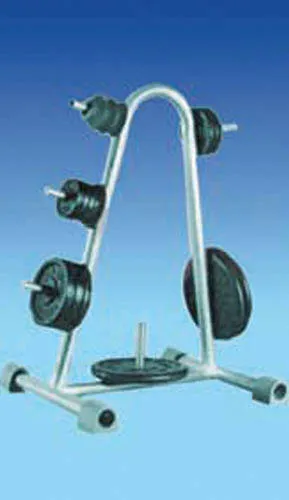
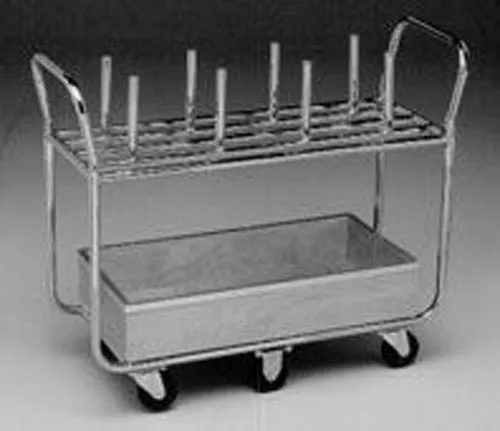
| Spec | This product Disc Weight Plate Rack Mobile | Heathrow Scientific LLC Heathrow Scientific Test Tube Rack, 2-2/5 x 4-1/8 x 9-2/3 Inch, 1 Each | Heathrow Scientific LLC Heathrow Scientific Test Tube Rack, 24.5 x 10.5 x 6.3 Centimeter, 1 Each | Globe Scientific Globe® Scientific 456500 Series Test Tube Rack, 16/17mm, 60-Place, White, 1 Each |
|---|---|---|---|---|
| Single-Use | Single-use | Single-use | Single-use | Single-use |
Comparison is provided for reference only. Brand names and trademarks belong to their respective owners. Specific SKUs may differ from category averages shown above.
Trusted manufacturer
An established medical products manufacturer supplying clinical teams with quality healthcare supplies.
Answers to the questions clinical buyers and care teams ask most about this product category.
Only cryo-rated labels survive -80°C or liquid-nitrogen (-196°C) storage. Standard paper labels peel and fall off at cryogenic temperatures. Verify the label's temperature rating before use.
No. Pipette tips are brand- and model-specific. Eppendorf, Rainin, Gilson, and generic universal fits have different shapes and volumes. Using off-spec tips alters pipetted volume accuracy.
Two patient identifiers (typically full name and DOB or MRN), specimen type, collection date/time, and collector initials are standard. Joint Commission requires two identifiers as a National Patient Safety Goal.
Slides require xylene- and solvent-resistant labels (often printed directly onto frosted slide ends). Standard paper labels dissolve during histology processing.
Use barcoded labels with closed-loop specimen collection systems. Integrate the barcode scan at every handoff (collection, transport, receipt, analyzer) to catch mislabels early.
$554.29USD
$653.65USD
Save $99.36In stock. Order by 2pm PST for same-day processing.
In stock
Ships from our western US warehouses
Fast shipping
Same-day processing before 2pm PST
30-day returns
Hassle-free on eligible orders
HSA / FSA
Eligible for most medical accounts
$554.29USD
$653.65USD