Assess Braden score.
Patients with Braden score ≤18 or other risk factors (immobility, incontinence, malnutrition) need active pressure-redistribution surfaces, not just foam pads.
Other sizes, pack counts, and variants of the same product line.
Products commonly used alongside this one. Bundle them into a single order.
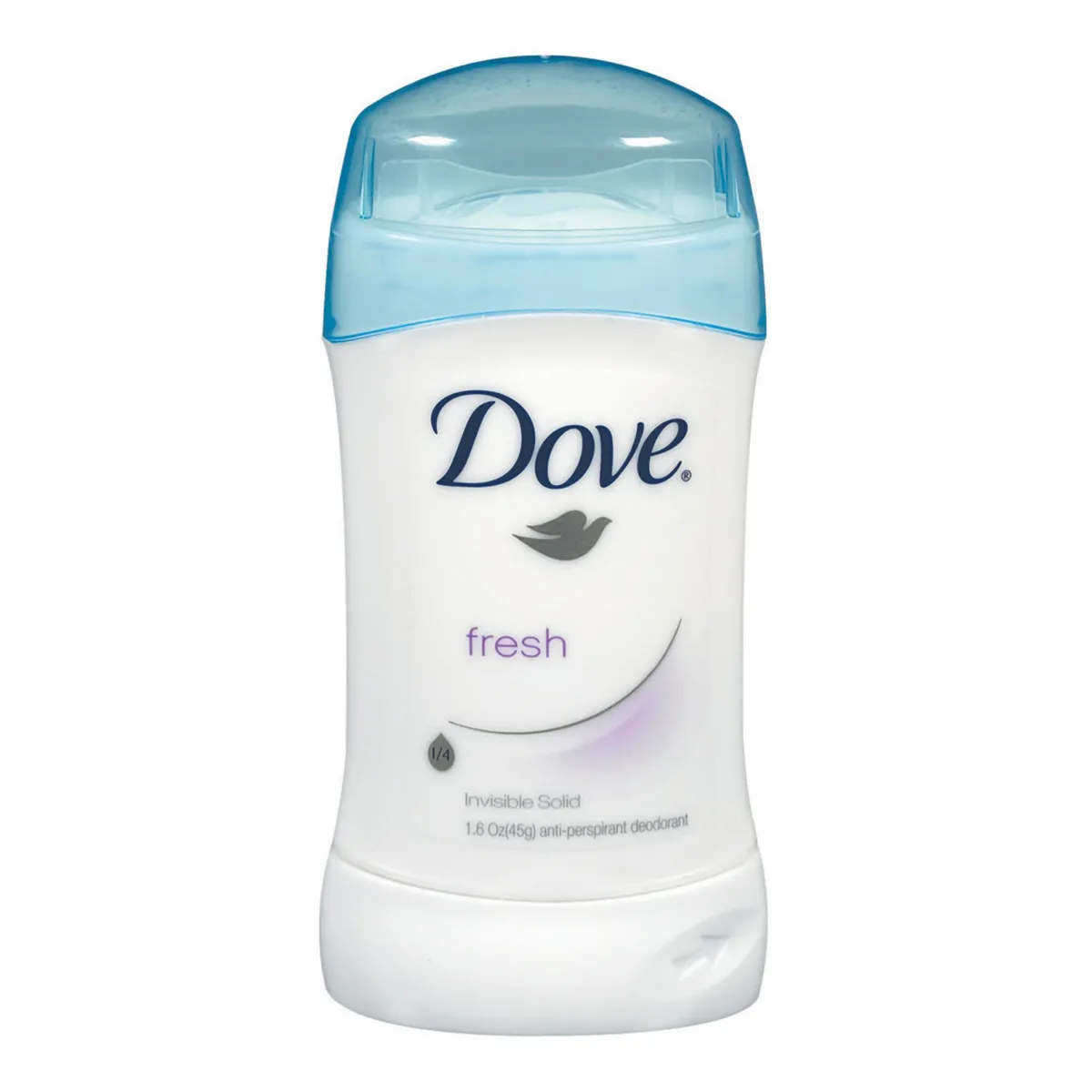
Unilever
Dove® Antiperspirant / Deodorant, 1 Each
$22.19USD
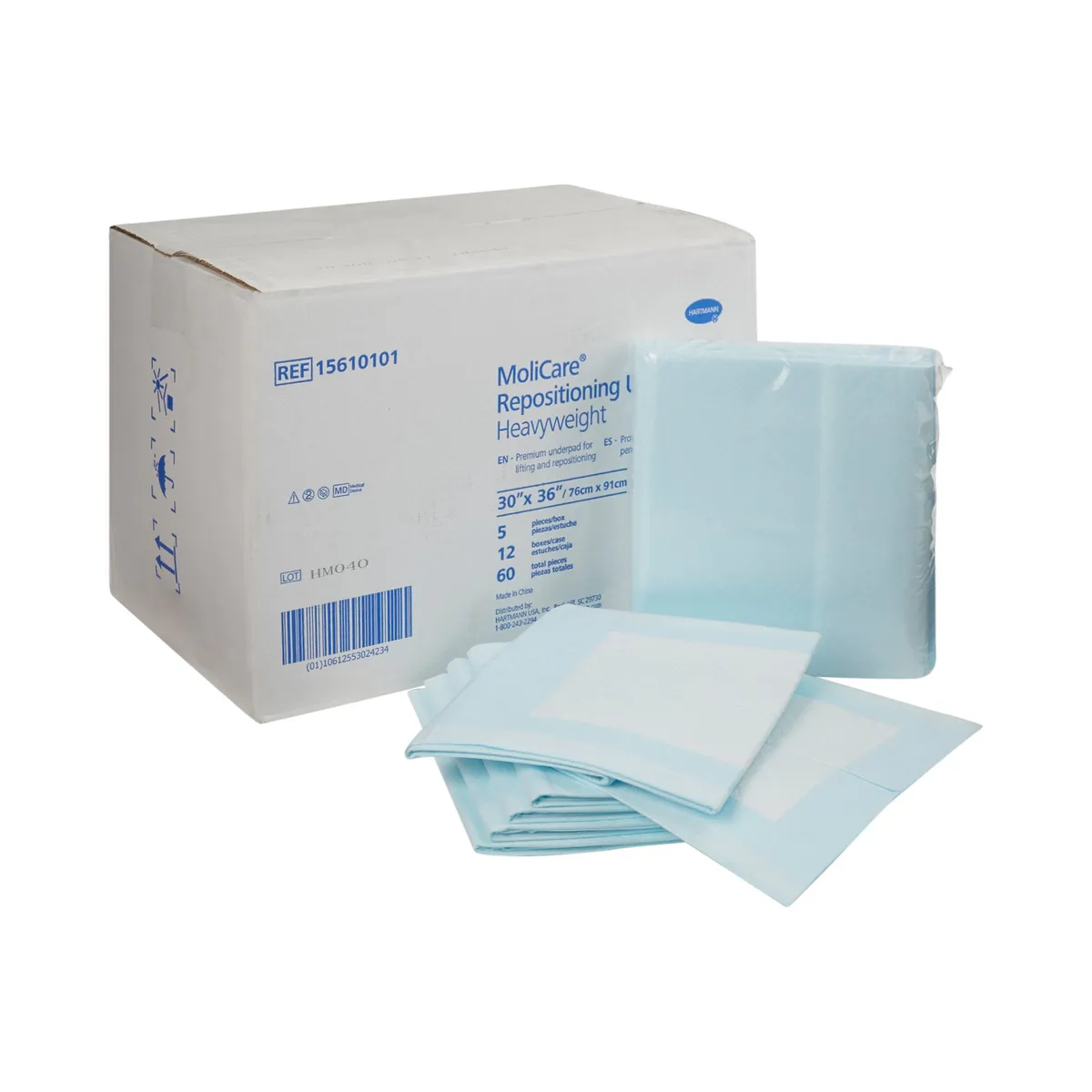
Hartmann
MoliCare® Positioning Underpad, 30 x 36 Inch, 1 Bag of 5
$33.28USD

Neutrogena
Neutrogena® Moisturizer, 1 Each
$24.14USD

3M
3M Cavilon Rinse-Free Body Wash, 8 Oz Pump Bottle, Floral Scent, 1 Each
$18.36USD
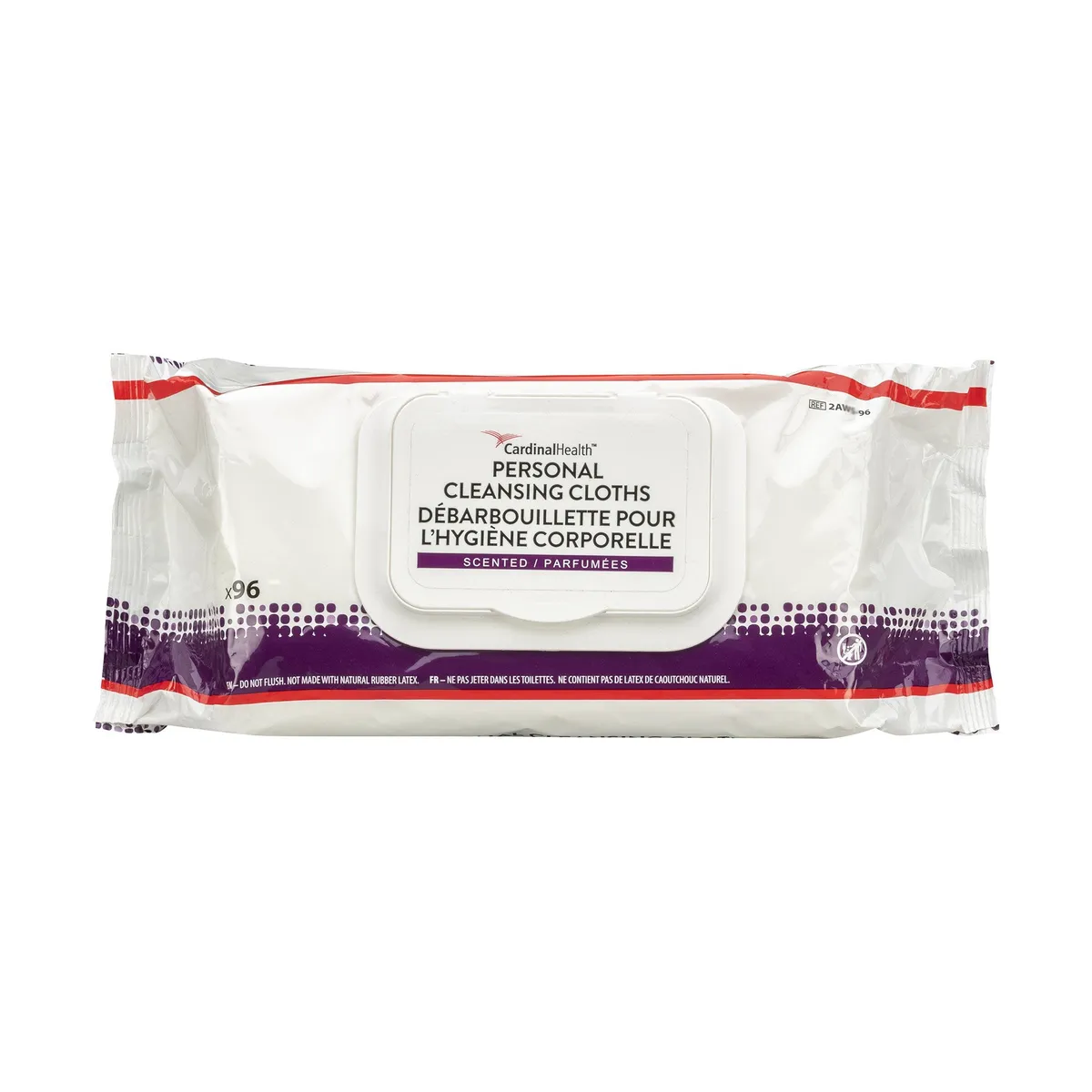
Cardinal
Cardinal Unscented Personal Wipe, 1 Pack of 96
$32.62USD
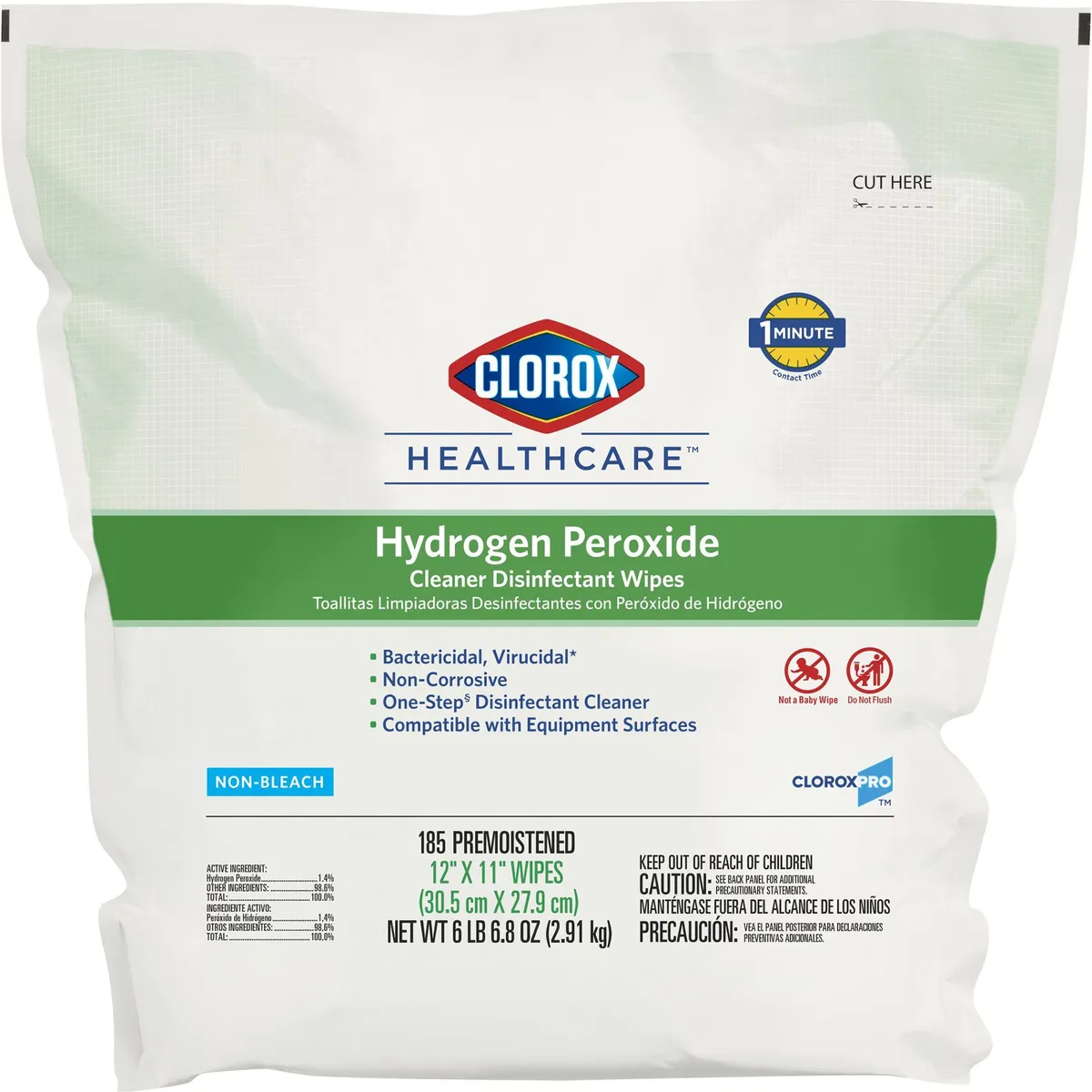
The Clorox Company
Clorox® Healthcare® Surface Disinfectant Cleaner, 1 Case of 2
$88.09USD
Foam, gel, and alternating-air overlays redistribute pressure under at-risk body prominences — a core element of pressure-injury prevention bundles.
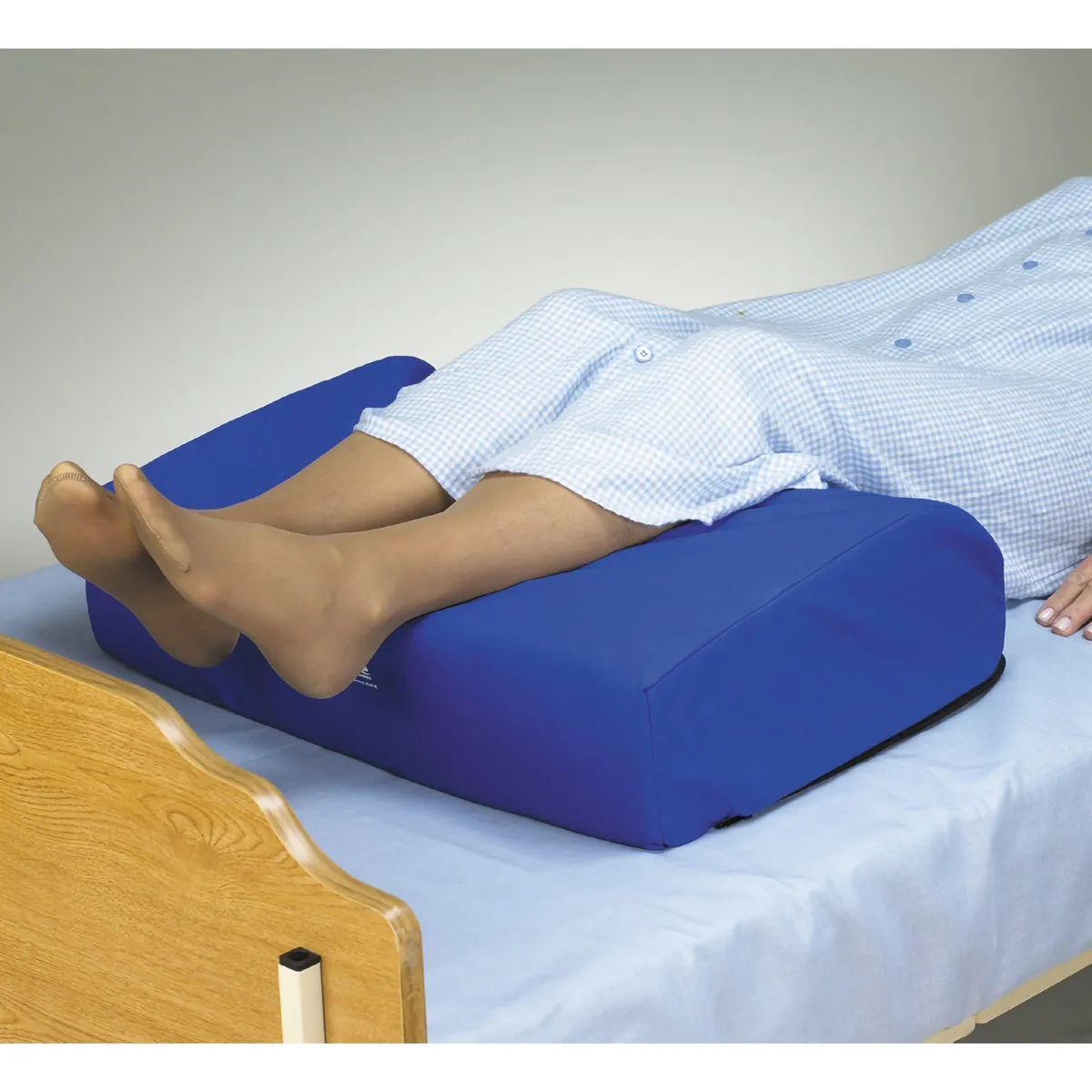
Bolsters, wedges, and leg elevators hold anatomical positions for surgical recovery, respiratory support, edema control, and contracture prevention.
Fitted hospital sheets, stretched-fit pillowcases, and contoured bedding survive institutional laundering and fit hospital mattresses (typically 36 × 84 inches).
Removable, launderable covers on overlays and positioning aids allow infection-control cleaning between patients without replacing the core foam.
Hospital bedding and patient-positioning equipment — beds and bed parts, bolster rolls, wedges, leg elevators, mattress overlays, fitted sheets, and pressure-redistribution surfaces. Selection is driven by patient risk (Braden score), body habitus, and care-setting protocols.
Patients with Braden score ≤18 or other risk factors (immobility, incontinence, malnutrition) need active pressure-redistribution surfaces, not just foam pads.
Head-of-bed ≥30° for VAP prevention; leg elevation above heart for edema; prone or lateral for respiratory support. Reposition at least every 2 hours.
Foam overlays for low-risk patients; alternating-air or low-air-loss for moderate-high risk; bariatric-rated surfaces for patients over standard weight limits.
Inspect bedding daily for soiling or wear. Launder sheets per facility protocol; wipe overlays and positioning aids between patients with healthcare disinfectant.
Log turn schedule, skin assessment (every shift), and any Stage 1+ pressure changes. Adjust surface and frequency based on assessment.
Clinical use information is provided for reference only. Always follow facility protocols, manufacturer instructions for use (IFU), and evidence-based practice guidelines. Consult the treating clinician before use.
Standards & Certifications
A spec-by-spec comparison with the most common alternatives in the bedding, mattresses & positioning category. Clinical interchangeability varies — always verify with your care team or facility protocol.
| Spec | This product Carex Healthcare Knee Pillow , Memory Foam, 10.5 in. L x 7.75 in. W x 8 in. H, Navy, 1 Each | Alex Ortho Hermell Products Knee Support Pillow, 1 Each | Joerns Healthcare Joerns Healthcare Body Aligner, Foam, 23 in. L x 9 in. W x 8 in. H, Blue, 1 Case of 4 | Fabrication Enterprises Skillbuilders® Knee Positioning Wedge, Foam, 13 in. L x 21 in. W x 15 in. H, Blue, 1 Each |
|---|---|---|---|---|
| Cover Material | Foam | Cotton | Foam | Foam |
| Sizing | Adult | Adult | Adult | Adult |
Comparison is provided for reference only. Brand names and trademarks belong to their respective owners. Specific SKUs may differ from category averages shown above.
Trusted manufacturer
An established medical products manufacturer supplying clinical teams with quality healthcare supplies.
Answers to the questions clinical buyers and care teams ask most about this product category.
Standard hospital mattresses are 36 × 84 inches. Fitted sheets are sized for this plus mattress depth (typically 6–8 inches). Bariatric beds (42 or 48 inches wide) require bariatric-sized sheets.
Foam or gel overlays suit low-to-moderate-risk patients (Braden 15–18). High-risk patients (Braden ≤14, existing pressure injuries, or prolonged immobility) typically need alternating-air or low-air-loss full mattresses — or a powered replacement mattress.
Yes, with proper cleaning. Wipe the nylon or vinyl cover with a healthcare-grade disinfectant between patients. Remove and launder the cover if it's washable. Replace if visibly worn or contaminated.
Bolsters are cylindrical for side-lying support and between-knees comfort. Wedges are angular for head-of-bed or body-side elevation. Leg/heel rolls are smaller and positioned to offload specific pressure points.
Check the weight capacity. Standard overlays rate 250–350 lbs; bariatric-rated surfaces support 500–1000+ lbs. Always match the weight rating to the patient with a clinical safety margin.
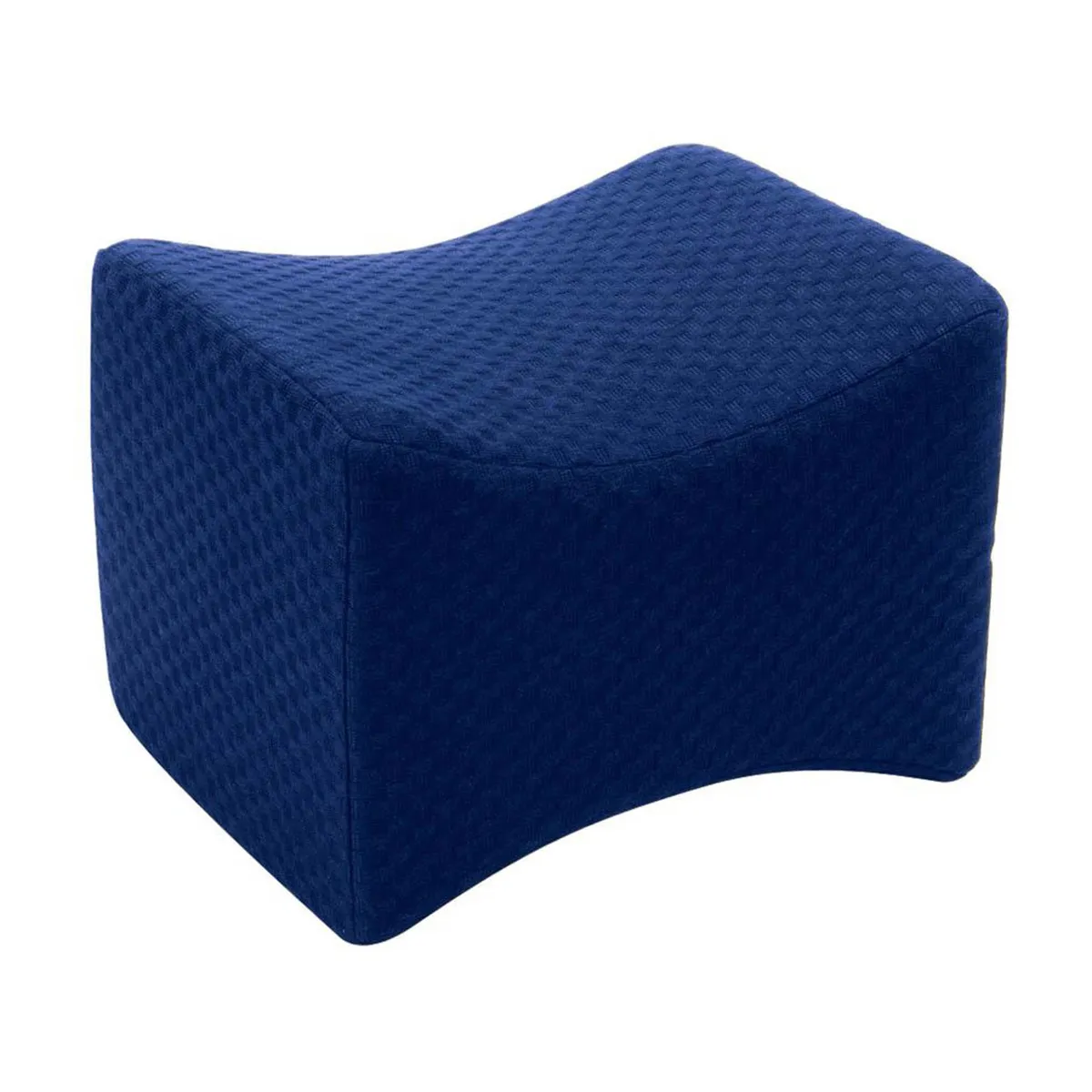
Apex-Carex Healthcare
Carex Healthcare Knee Pillow , Memory Foam, 10.5 in. L x 7.75 in. W x 8 in. H, Navy, 1 Case of 4
$128.99USD

McKesson Brand
McKesson Body Aligner, 1 Case of 8
$89.03USD

Joerns Healthcare
Body Aligner, Small, 1 Case of 8
$177.12USD
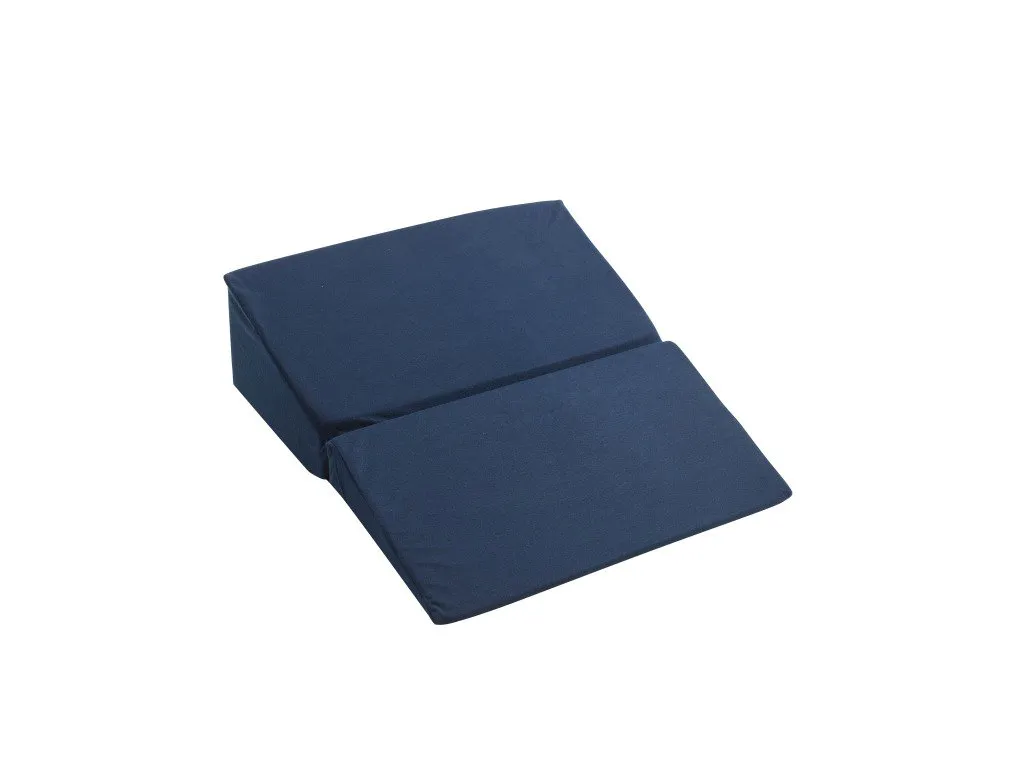
Drive Medical
drive™ Folding Bed Wedge, 1 Each
$65.42USD
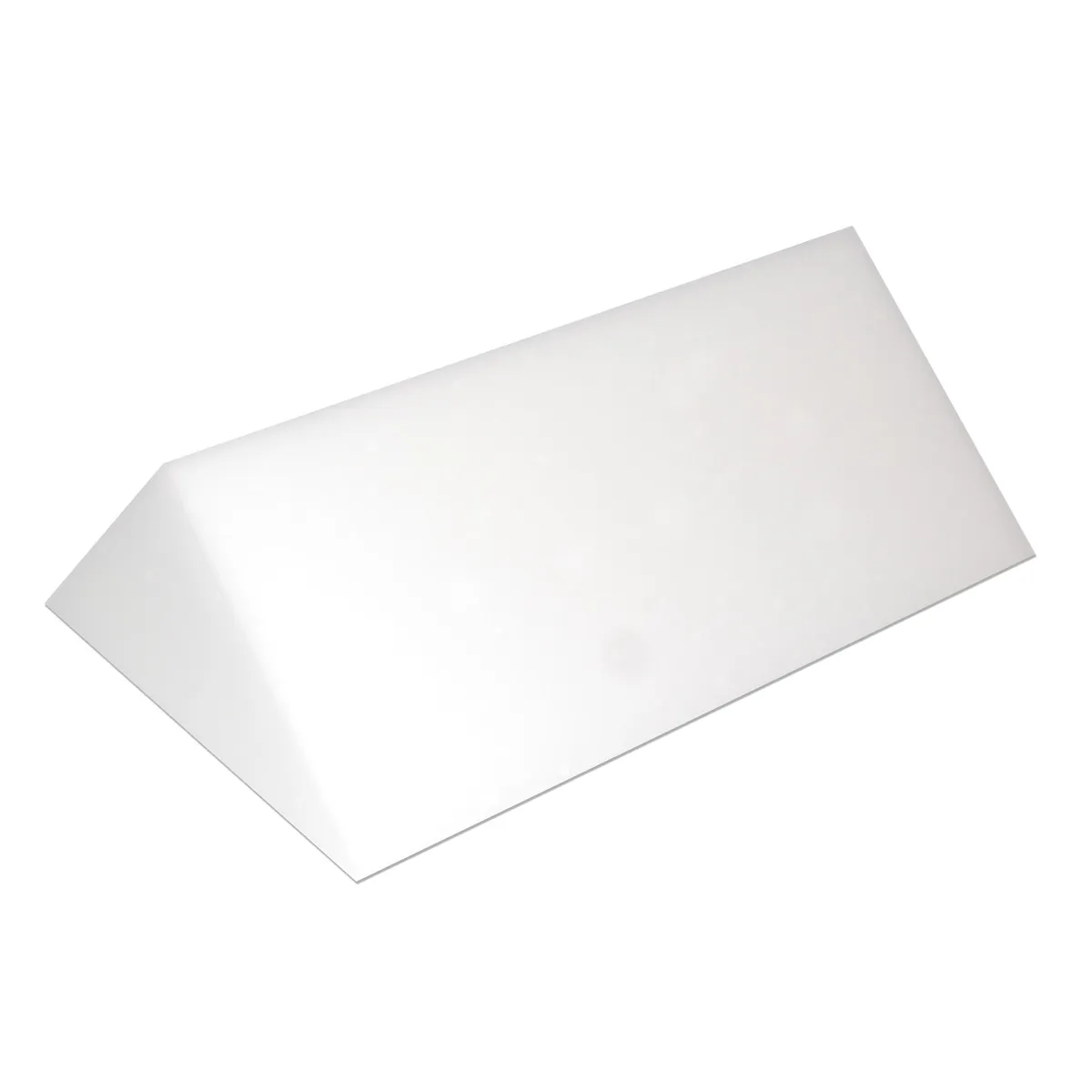
Skil-Care
SkiL-Care™ 45° Positioning Wedge without Cover, 1 Pair
$51.00USD
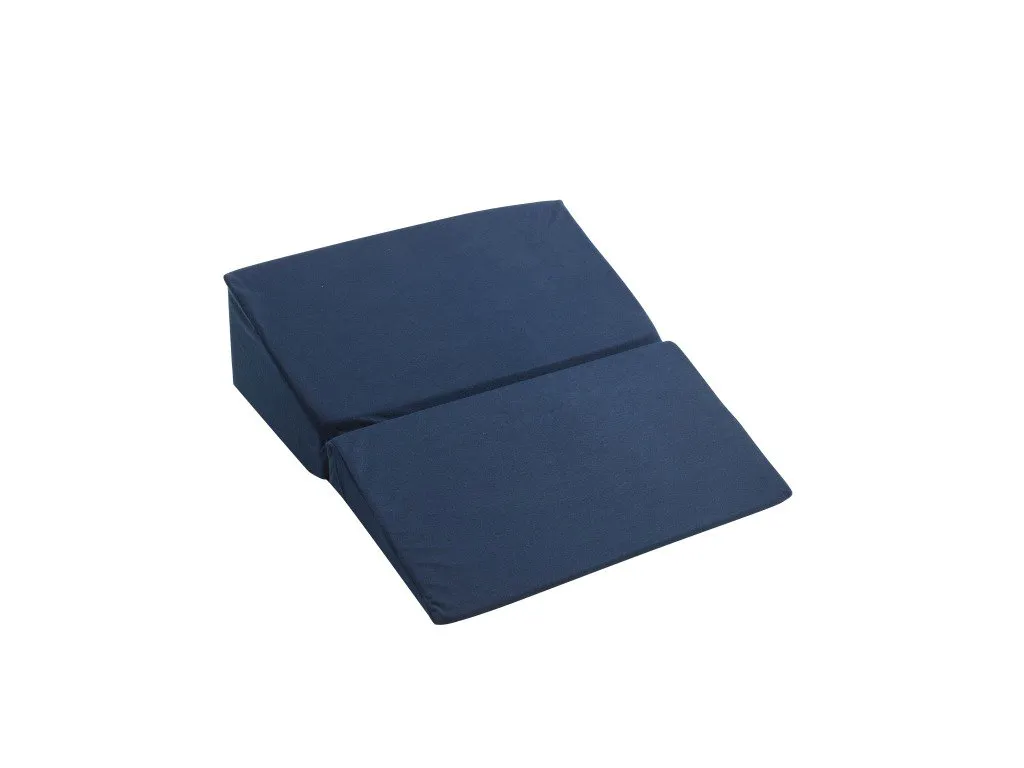
Drive Medical
drive™ 10 Inch Folding Bed Wedge, 1 Each
$78.23USD
Cardinal
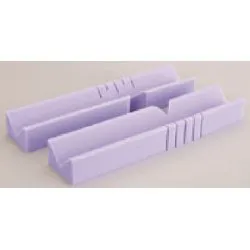
CRADLE, LAMINECTOMY ARM FOAM POSITIONER (12PR/CS)
$31.10USD
Skil-Care
SkiL-Care™ Heels-Off Heel Elevator, Medium / Large, 1 Each
$113.49USD
$46.50USD
$53.65USD
Save $7.15In stock. Order by 2pm PST for same-day processing.
In stock
Ships from our western US warehouses
Fast shipping
Same-day processing before 2pm PST
30-day returns
Hassle-free on eligible orders
HSA / FSA
Eligible for most medical accounts
$46.50USD
$53.65USD
Clinical Evidence
International journal of nursing studies
A systematic review and meta-analysis of randomized trials of pressure injury prevention interventions for adults in acute hospital settings, including heel protection devices, positioning and support surfaces.
Key Findings
Sample Size
45 studies
The Cochrane database of systematic reviews
A 2026 Cochrane review update of randomized trials on repositioning regimens (frequency, position, micromovement) to prevent pressure injuries in adults in acute and aged care.
Key Findings
Sample Size
11 trials, 4,462 participants
Clinical evidence is provided for informational purposes only. Healthcare professionals should evaluate products based on their clinical judgment and patient-specific factors. Links to external studies are provided as references and do not constitute endorsement. Always refer to the manufacturer's instructions for use.