
Hand hygiene.
Clean hands before donning. Inspect the gown for tears, defects, or compromised packaging (sterile).
Other sizes, pack counts, and variants of the same product line.
Products commonly used alongside this one. Bundle them into a single order.
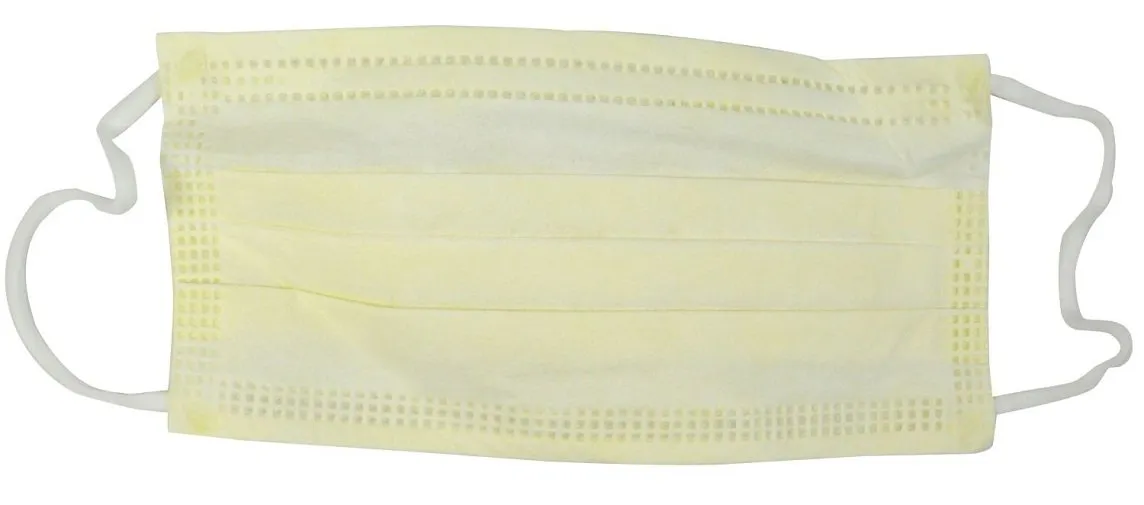
Cardinal
Secure-Gard® Procedure Mask, 1 Case of 500
$79.59USD

Cardinal
Dura-Fit™ Shoe Cover, 1 Case of 200
$88.38USD
Cardinal
Secure-Gard® Surgical Mask, 1 Case of 300
$81.20USD
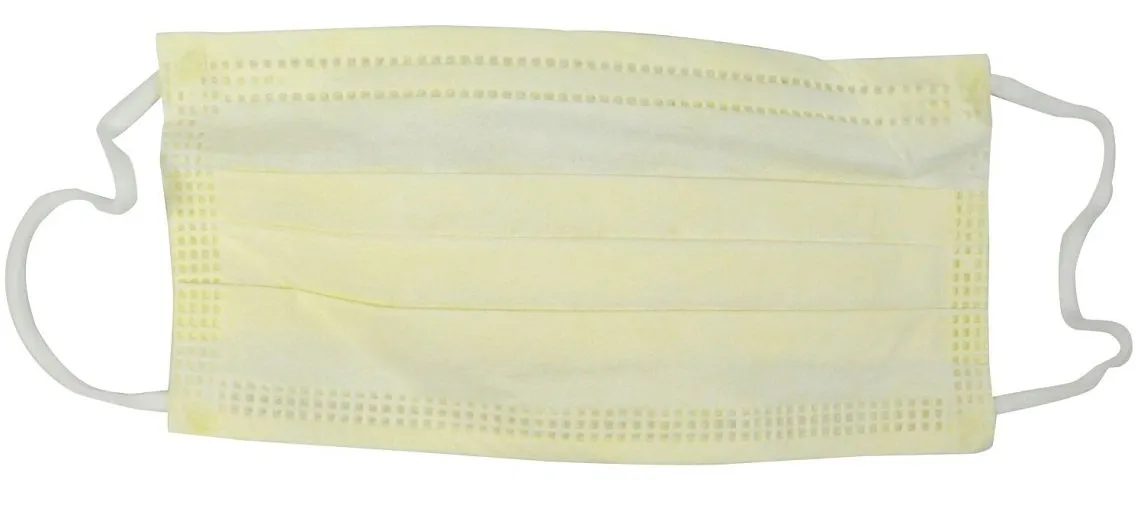
Cardinal
Secure-Gard® Procedure Mask, 1 Box of 50
$19.84USD
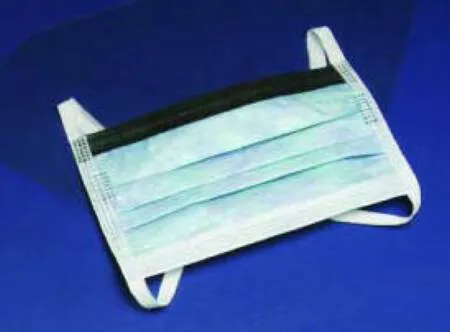
Cardinal
Cardinal Health™ ASTM Level 3 Procedure Mask, 1 Case of 300
$87.35USD
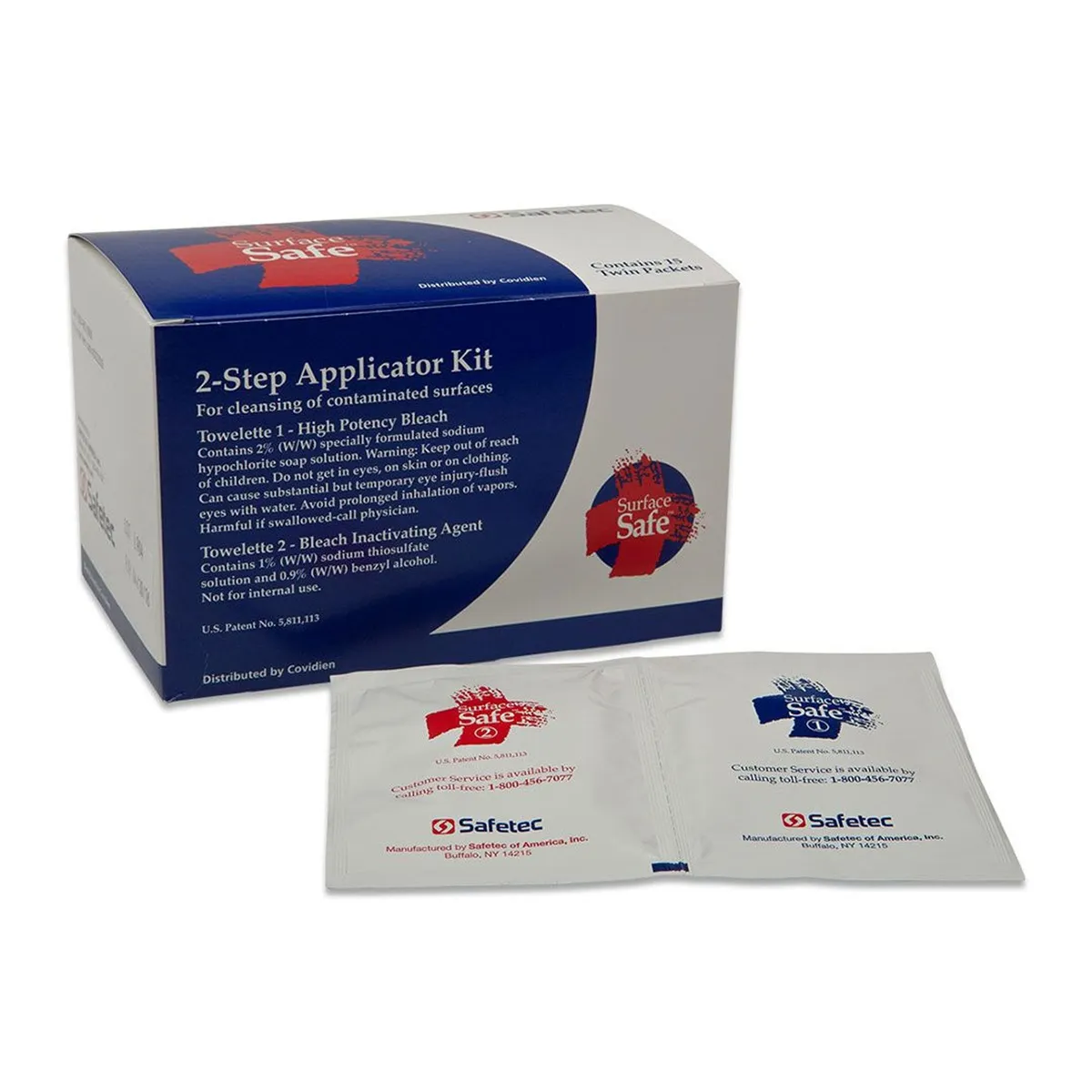
Cardinal
Surface Safe™ Surface Disinfectant, 1 Case of 180
$642.13USD
Four-level classification from Level 1 (minimal risk) to Level 4 (critical-zone surgery with arterial-pressure fluid exposure).
Isolation gowns offer partial-back coverage for contact precautions. Surgical gowns wrap fully around the back with reinforced critical zones.
Fitted cuffs tuck cleanly into glove cuffs to maintain the barrier at the wrists during procedural work.
Impervious polyethylene for chemotherapy and high-fluid work; SMS / SMMS nonwoven for routine isolation and general patient care.
Isolation and surgical gowns create a fluid-resistant barrier between clinician and patient. AAMI PB70 Levels 1–4 define barrier performance, from minimal-risk patient contact to critical-zone surgical use under arterial-pressure fluid exposure.
Clean hands before donning. Inspect the gown for tears, defects, or compromised packaging (sterile).
Cover torso fully from neck to knees and arms to the end of the wrists. Wrap the gown around the back and tie at the neck and waist.
Mask or respirator → eye protection → gloves. Gloves pull over the gown cuffs to seal the wrist barrier.
Gloves first, then the gown — peel it forward from the shoulders, rolling the outside surface inward. Never touch the outside of a contaminated gown with bare skin.
Single-use gowns to waste; reusable gowns to laundry for reprocessing. Perform hand hygiene immediately after doffing.
Clinical use information is provided for reference only. Always follow facility protocols, manufacturer instructions for use (IFU), and evidence-based practice guidelines. Consult the treating clinician before use.
Standards & Certifications
A spec-by-spec comparison with the most common alternatives in the gowns & barrier apparel category. Clinical interchangeability varies — always verify with your care team or facility protocol.
| Spec | This product Cardinal Health™ Isolation Gown, 1 Case of 100 | Cardinal Cardinal Health™ Isolation Gown, 1 Pack | Aspen Surgical Products Percept Full Coverage Isolation Gown, Large, 1 Case of 100 | Aspen Surgical Products Precept® Full Coverage Isolation Gown, Extra Large, 1 Case of 100 |
|---|---|---|---|---|
| Coverage | Partial-back isolation | Partial-back isolation | Partial-back isolation | Partial-back isolation |
| Reusable | Single-use | Single-use | Single-use | Single-use |
Comparison is provided for reference only. Brand names and trademarks belong to their respective owners. Specific SKUs may differ from category averages shown above.
A Fortune 15 healthcare distribution leader
Cardinal Health serves more than 90% of U.S. hospitals and manufactures a broad line of branded medical products — from wound care staples to advanced surgical supplies.
Answers to the questions clinical buyers and care teams ask most about this product category.
AAMI PB70 is a four-level barrier classification: Level 1 (minimal risk, e.g., routine care), Level 2 (low risk, e.g., venipuncture), Level 3 (moderate risk, e.g., arterial blood draw), Level 4 (high risk, e.g., surgery with arterial fluid exposure). Higher levels resist more hydrostatic pressure and aerosol penetration.
Isolation gowns provide partial-back coverage for contact precautions and general patient care. Surgical gowns wrap fully around the back with reinforced critical zones for sterile procedures. Surgical gowns are sterile and meet Level 3–4; isolation gowns are typically non-sterile Level 1–3.
Chemo-rated gowns are tested for permeation resistance against hazardous drugs under ASTM F739 and D6978. They're required for compounding, administering, or disposing of chemotherapy and other hazardous drugs. Standard impervious gowns are not an adequate substitute.
Fluid-resistant SMS / SMMS gowns meet AAMI Level 1–3 and are appropriate for routine isolation and moderate fluid exposure. Impervious polyethylene or poly-coated gowns (typically Level 4) are required for high-risk fluid exposure, chemo, and arterial-pressure surgical work.
Disposable gowns are single-use and must be discarded after one patient encounter. Reusable polyester-blend gowns can be laundered and sterilized per facility reprocessing protocols, but require tracked reprocessing cycles and periodic barrier re-validation.
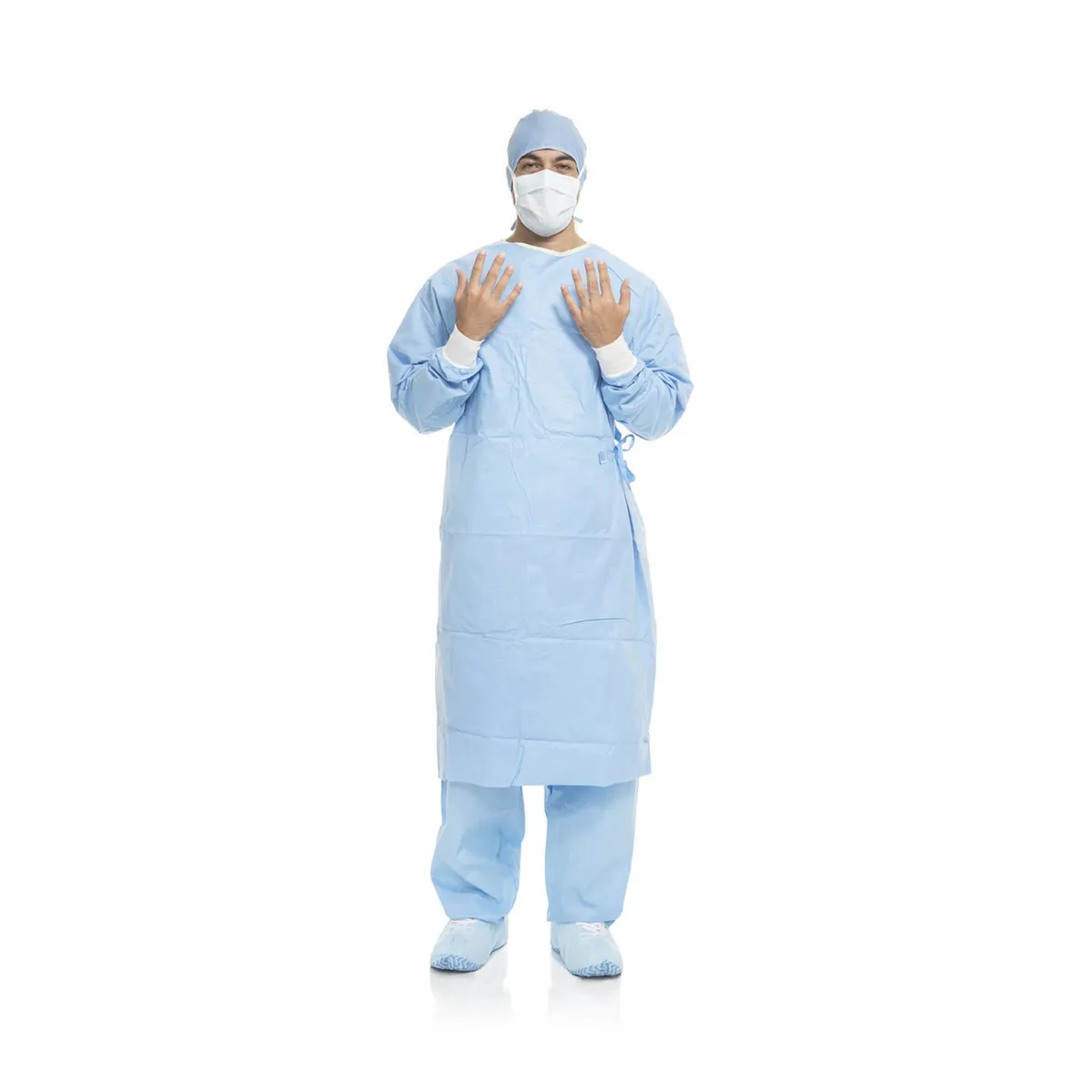
O&M Halyard Inc
AERO BLUE Surgical Gown with Towel, Small, 1 Case of 34
$354.99USD
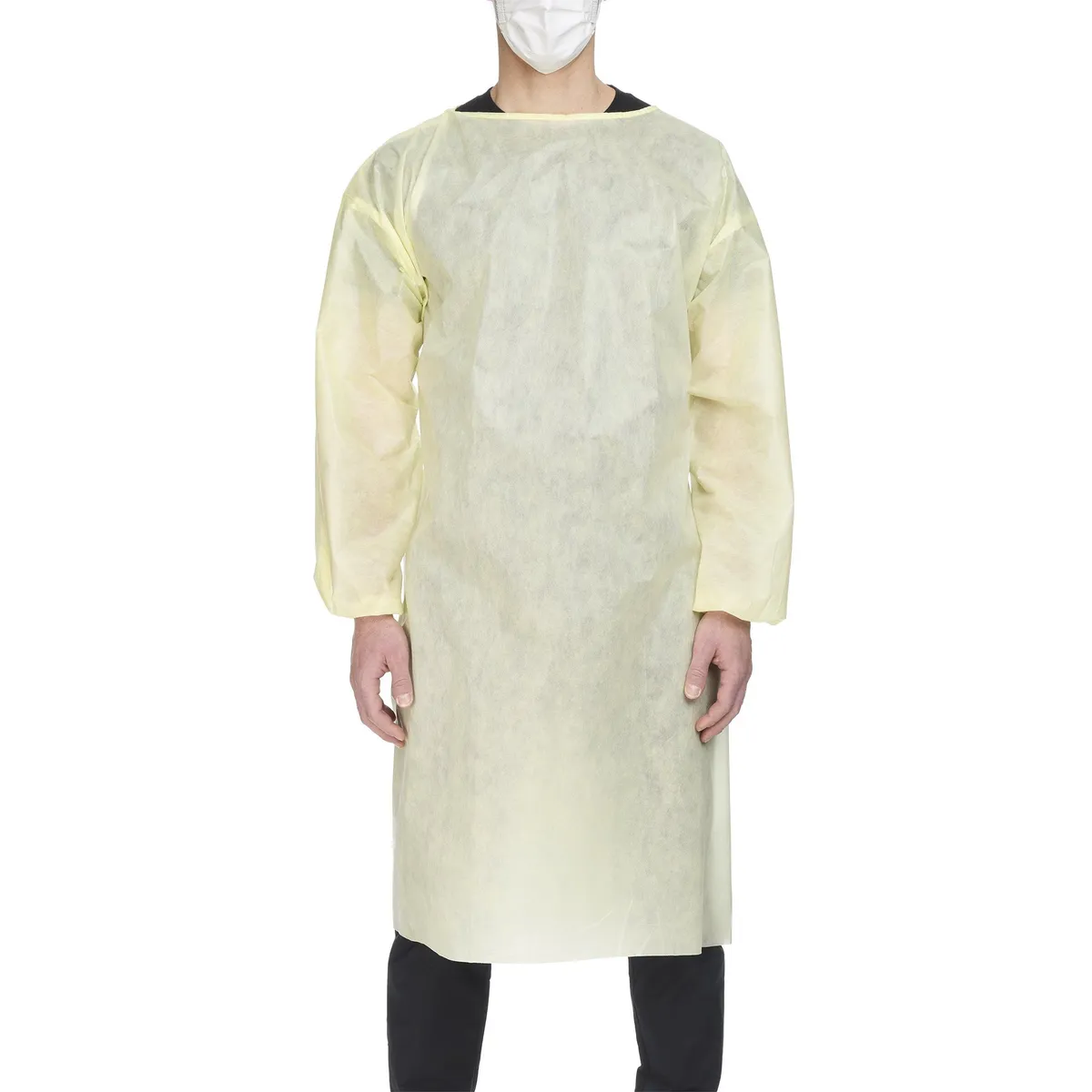
Aspen Surgical Products
Precept® Full Coverage Isolation Gown, Extra Large, 1 Bag of 10
$28.20USD
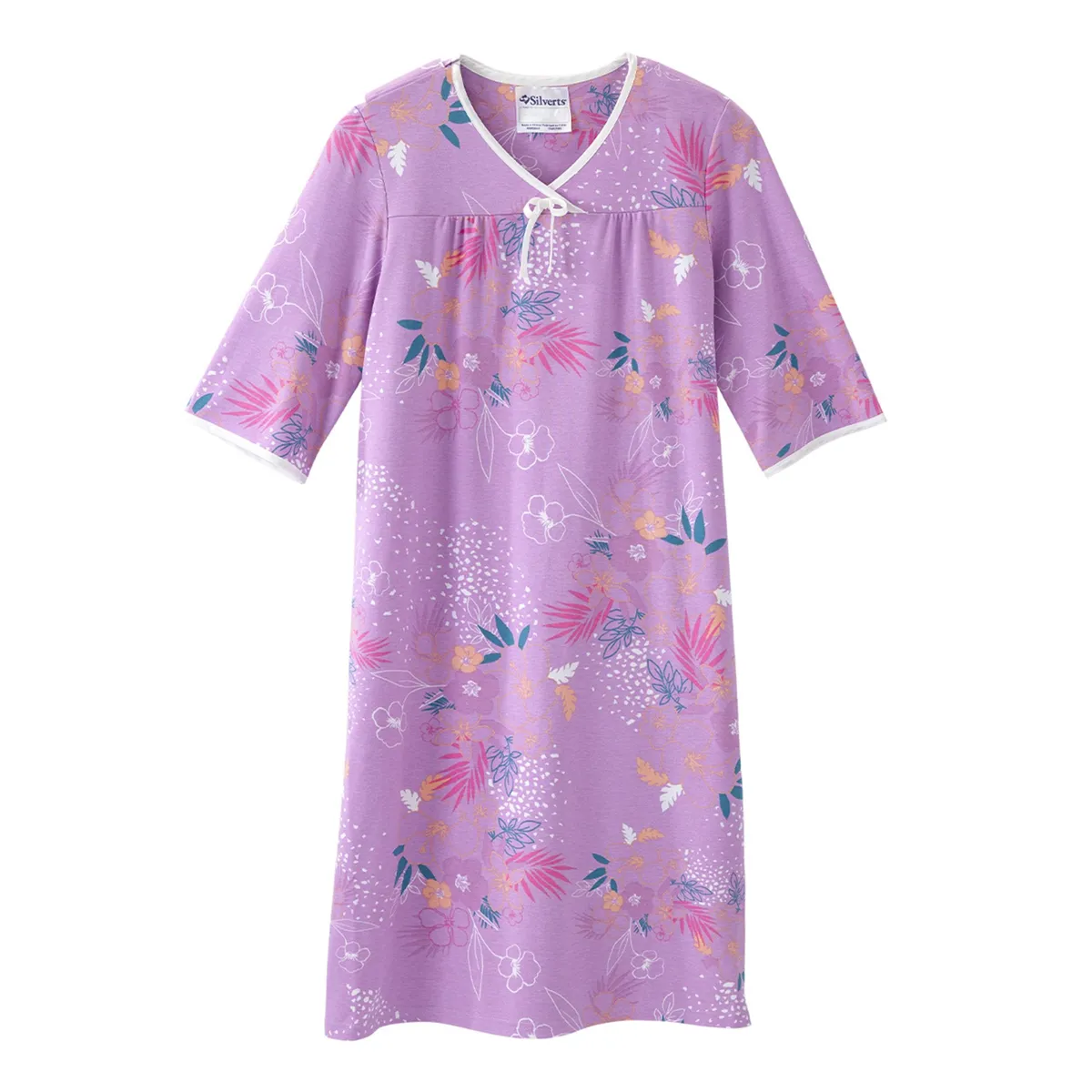
Silverts Adaptive LLC
Silverts® Shoulder Snap Patient Exam Gown, Small, Soft Tropical, 1 Each
$40.96USD
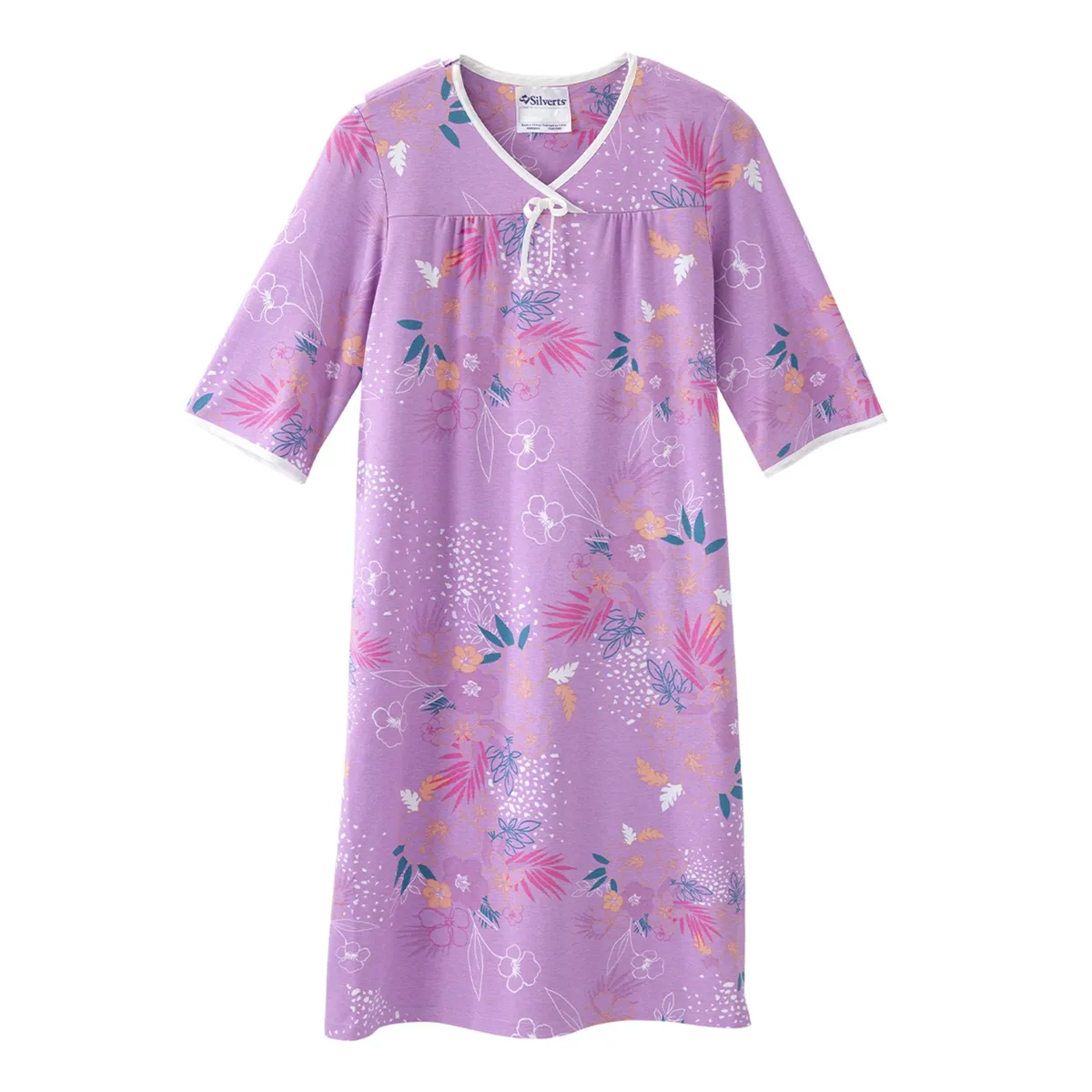
Silverts Adaptive LLC
Silverts® Shoulder Snap Patient Exam Gown, Medium, Soft Tropical, 1 Each
$40.96USD

Tidi Products
Choice Pediatric Exam Gown, Medium, 1 Case of 50
$55.49USD
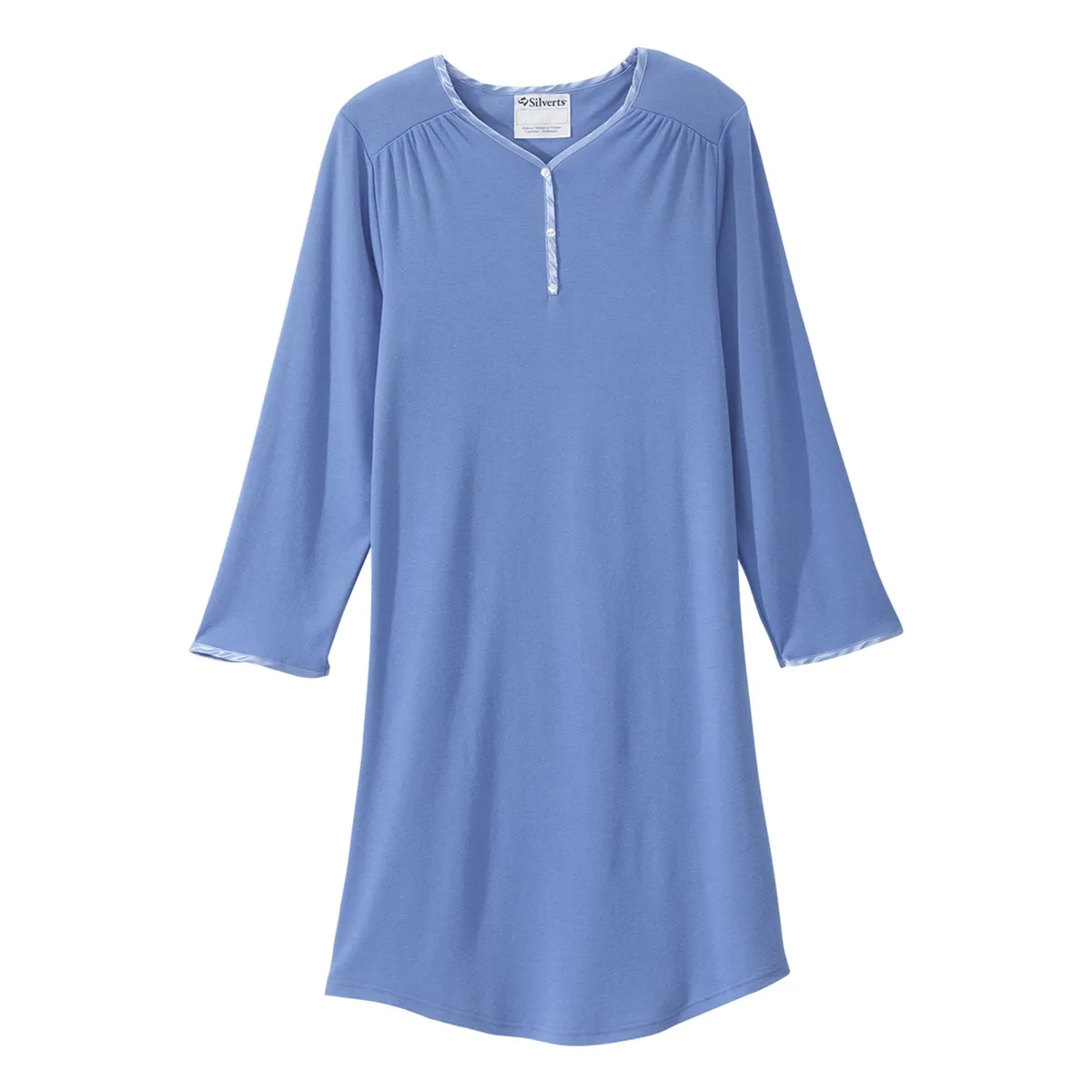
Silverts Adaptive LLC
Silverts® Shoulder Snap Patient Exam Gown, Medium, Blue, 1 Each
$43.56USD
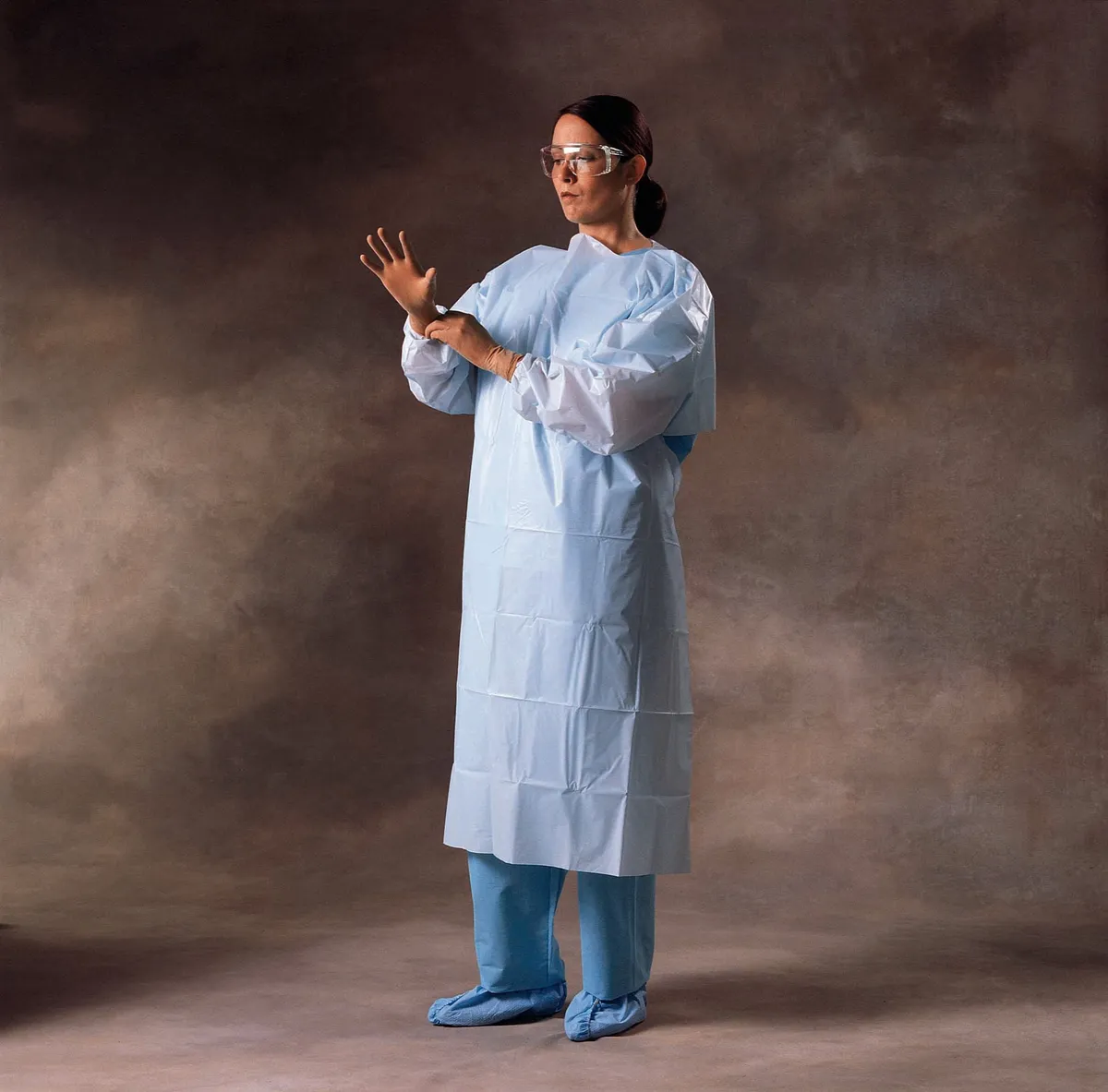
O&M Halyard Inc
Halyard Over-the-Head Protective Procedure Gown, 1 Case of 60
$114.02USD
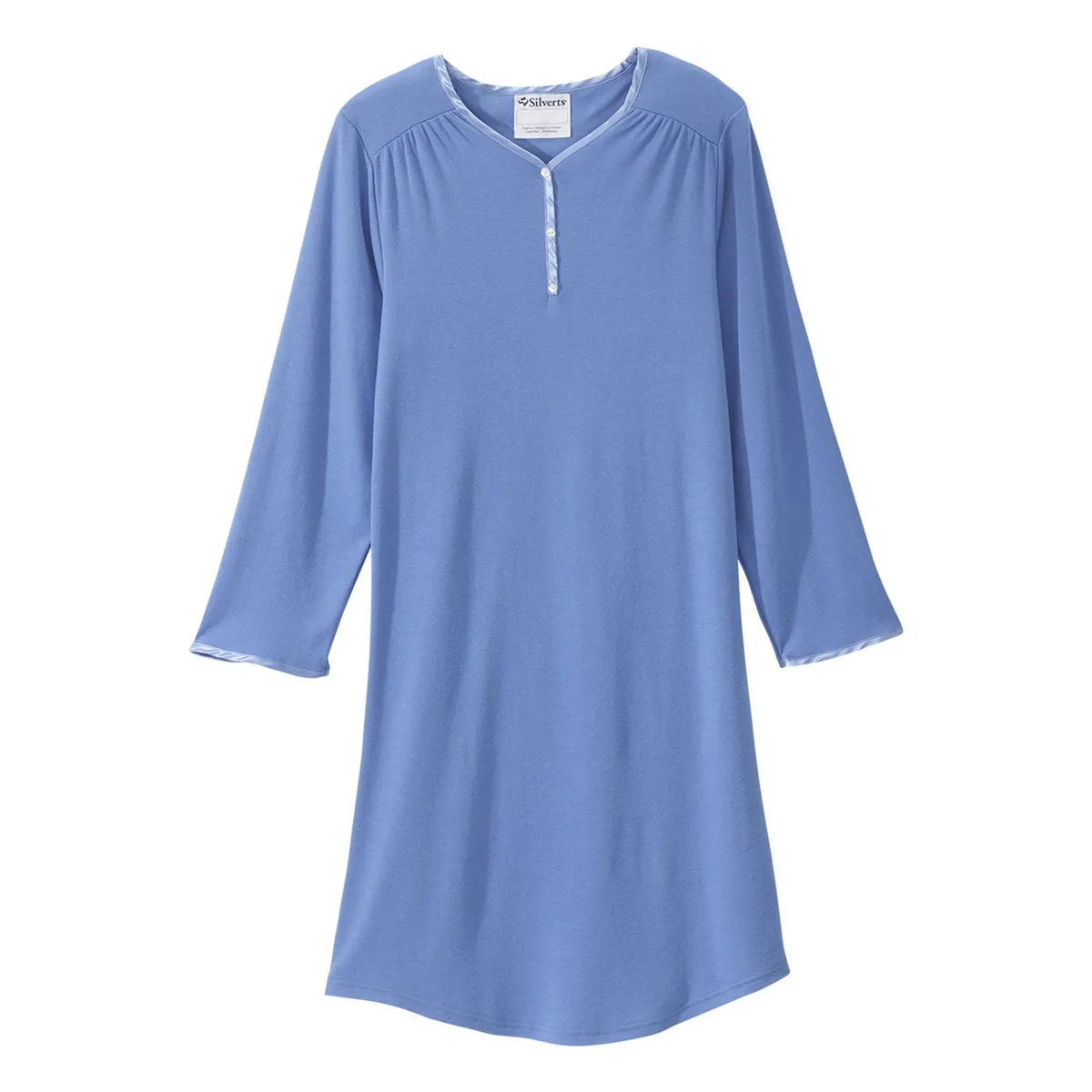
Silverts Adaptive LLC
Silverts® Shoulder Snap Patient Exam Gown, Small, Blue, 1 Each
$43.56USD
$97.47USD
$102.36USD
Save $4.89$0.97 each, 100 per pack
In stock. Order by 2pm PST for same-day processing.
In stock
Ships from our western US warehouses
Fast shipping
Same-day processing before 2pm PST
30-day returns
Hassle-free on eligible orders
HSA / FSA
Eligible for most medical accounts
Clinical Evidence
JAMA
Cluster-randomized trial in 20 US medical and surgical ICUs testing whether healthcare workers wearing gloves and gowns for all patient contact reduced acquisition of MRSA or VRE.
Key Findings
Sample Size
26,180 patients
Clinical infectious diseases : an official publication of the Infectious Diseases Society of America
Secondary analysis of a cluster-randomized trial in 20 US ICUs examining whether universal gown and glove use reduced acquisition of toxigenic Clostridioides difficile.
Key Findings
Sample Size
21,845 patients
The Cochrane database of systematic reviews
Cochrane systematic review of full-body personal protective equipment (including gowns and coveralls), donning/doffing methods and training for healthcare workers exposed to highly infectious body fluids.
Key Findings
Sample Size
24 studies, 2278 participants
Clinical evidence is provided for informational purposes only. Healthcare professionals should evaluate products based on their clinical judgment and patient-specific factors. Links to external studies are provided as references and do not constitute endorsement. Always refer to the manufacturer's instructions for use.