Read the label.
Every OTC product has an FDA Drug Facts label. Confirm active ingredient, dose, warnings, and interactions before use.
Products commonly used alongside this one. Bundle them into a single order.
J & J Sales
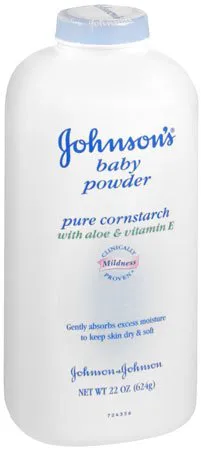
Johnson's® Baby Powder 22 oz., 1 Each
$26.10USD
J & J Sales
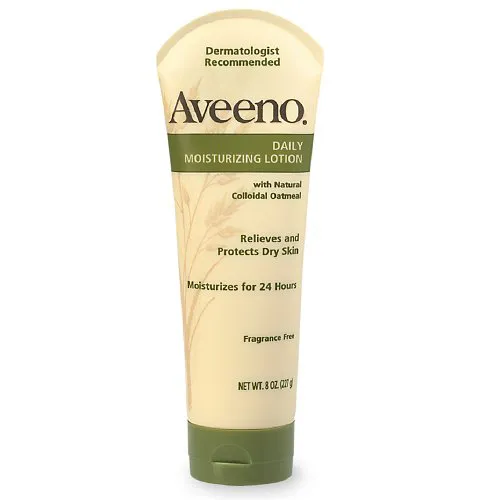
Aveeno® Moisturizer Daily Moisturizing Lotion, 8 oz., 1 Each
$27.96USD
J & J Sales
DESITIN RAPID RELIEF, CRM 4OZ
$23.34USD
J & J Sales
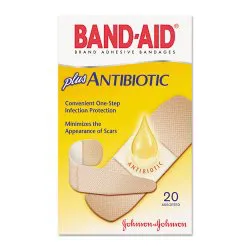
Band-Aid® with Neosporin® Tan Adhesive Strip, Assorted Sizes, 1 Box
$23.46USD
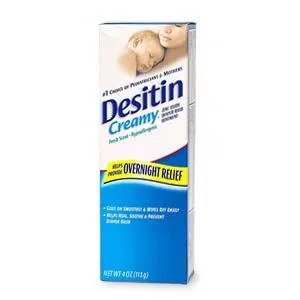
J & J Sales
DESITIN, OINT CREAMY 2OZ TU
$19.55USD
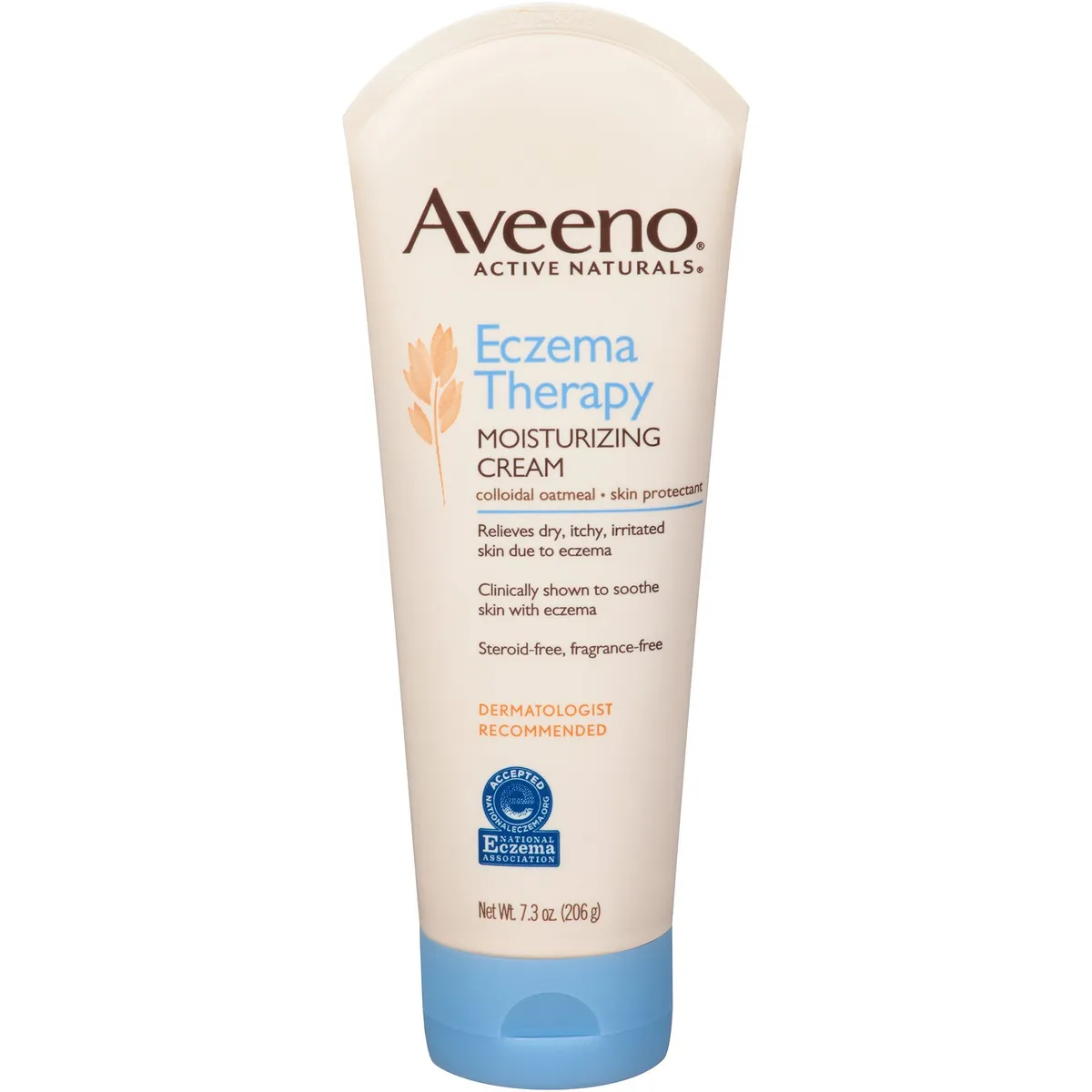
J & J Sales
Aveeno® Active Naturals® Eczema Therapy Moisturizing Cream, 7.3 oz., 1 Each
$31.53USD
Leading OTC brands and clinical generics backed by FDA monograph standards.
Bulk-pack and single-use formats for hospital, clinic, and home medicine cabinets.
Most OTC medications qualify for flex-spend and health-savings reimbursement.
OSHA-compliant formats for workplace and clinical first-aid stations.
Over-the-counter medications, topical pain relief, first-aid supplies, antiseptics, and everyday clinical care products for facility and home use.
Every OTC product has an FDA Drug Facts label. Confirm active ingredient, dose, warnings, and interactions before use.
Many OTC products interact with prescription medications. Review the patient's medication list before administration.
Even OTC products should be documented in the patient record when administered in a clinical setting.
Observe for intended effect and any adverse reactions. Escalate persistent symptoms to a clinician.
Clinical use information is provided for reference only. Always follow facility protocols, manufacturer instructions for use (IFU), and evidence-based practice guidelines. Consult the treating clinician before use.
Standards & Certifications
A spec-by-spec comparison with the most common alternatives in the otc & first aid category. Clinical interchangeability varies — always verify with your care team or facility protocol.
| Spec | This product Benadryl Children's Allergy Plus Congestion® Diphenhydramine / Phenylephrine Children's Allergy Relief, 4-fluid-ounce Bottle, 1 Each | Johnson & Johnson Consumer Children's Benadryl® Diphenhydramine Children's Allergy Relief, 1 Case of 480 | Medtech Laboratories Percogesic® Acetaminophen / Diphenhydramine Pain and Allergy Relief, 1 Bottle | Johnson & Johnson Consumer Benadryl® Allergy Ultratabs® Diphenhydramine Allergy Relief, 1 Box of 24 |
|---|---|---|---|---|
| Pack Size | — | 480 per case | — | 24 per case |
| OSHA Use | Over the Counter | Over the Counter | Over the Counter | Over the Counter |
Comparison is provided for reference only. Brand names and trademarks belong to their respective owners. Specific SKUs may differ from category averages shown above.
Trusted manufacturer
An established medical products manufacturer supplying clinical teams with quality healthcare supplies.
Answers to the questions clinical buyers and care teams ask most about this product category.
Yes — the CARES Act permanently reinstated OTC medications as FSA/HSA eligible without a prescription. Feminine hygiene products are also eligible. Confirm specific items with your plan administrator.
No — all products in this category are available over the counter without a prescription. However, some are kept behind the pharmacy counter (e.g., pseudoephedrine) and require ID.
ANSI Z308.1-2015 specifies contents for Class A (general office) and Class B (higher-risk workplaces): bandages, antiseptics, burn treatment, eye wash, gloves, CPR barrier, and more. Review your facility's risk classification.
Store at controlled room temperature (68–77°F), away from direct sunlight and humidity. Check expiration dates during routine inventory audits. Keep controlled-access items in locked cabinets per facility policy.
Actavis
Rugby® Vitamin B-6 Supplement, 1 Bottle
$23.72USD
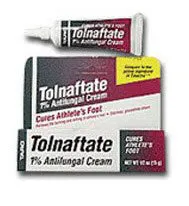
Taro
Tolnaftate Antifungal, 1 Each
$28.05USD
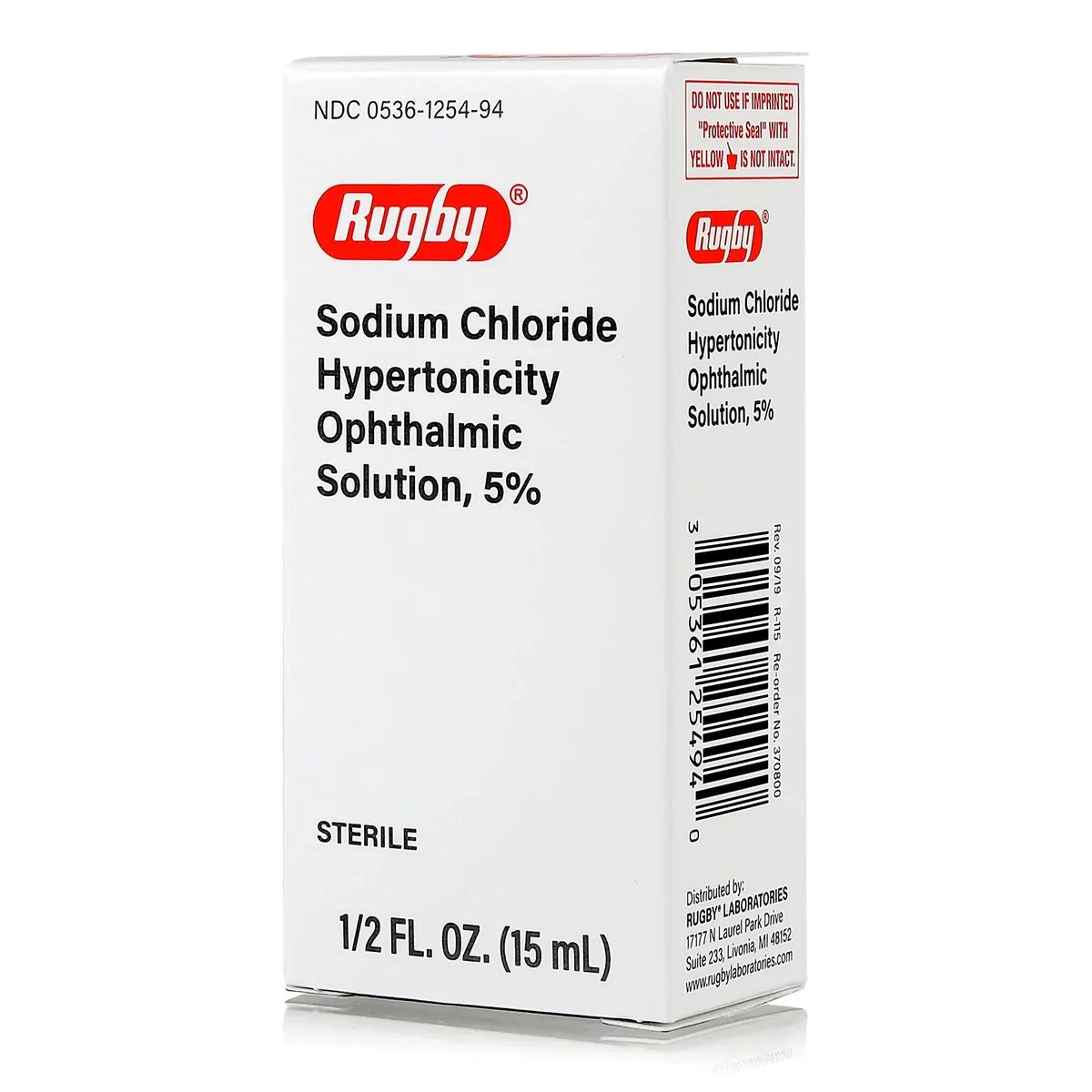
Major Pharmaceuticals
Rugby® Sodium Chloride Hypertonicity Agent, 15 mL, 1 Each
$28.30USD
Coretex Products
Sting X® Benzocaine Sting and Bite Relief, 1 Case of 200
$68.36USD
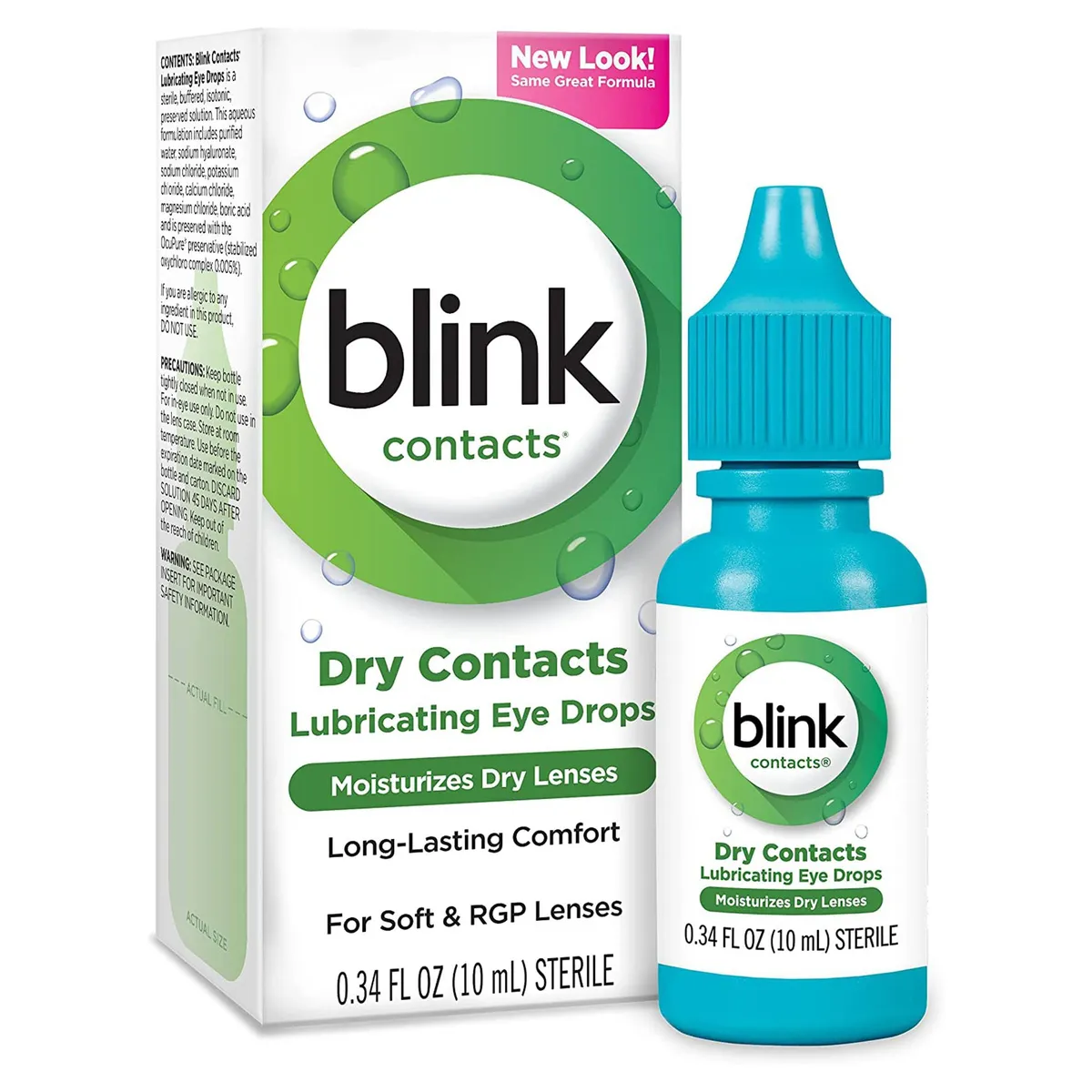
Abbott Medical Optics
Blink Contacts Purified Water / Sodium Chloride Contact Lens Solution, 0.34 oz., 1 Each
$26.55USD
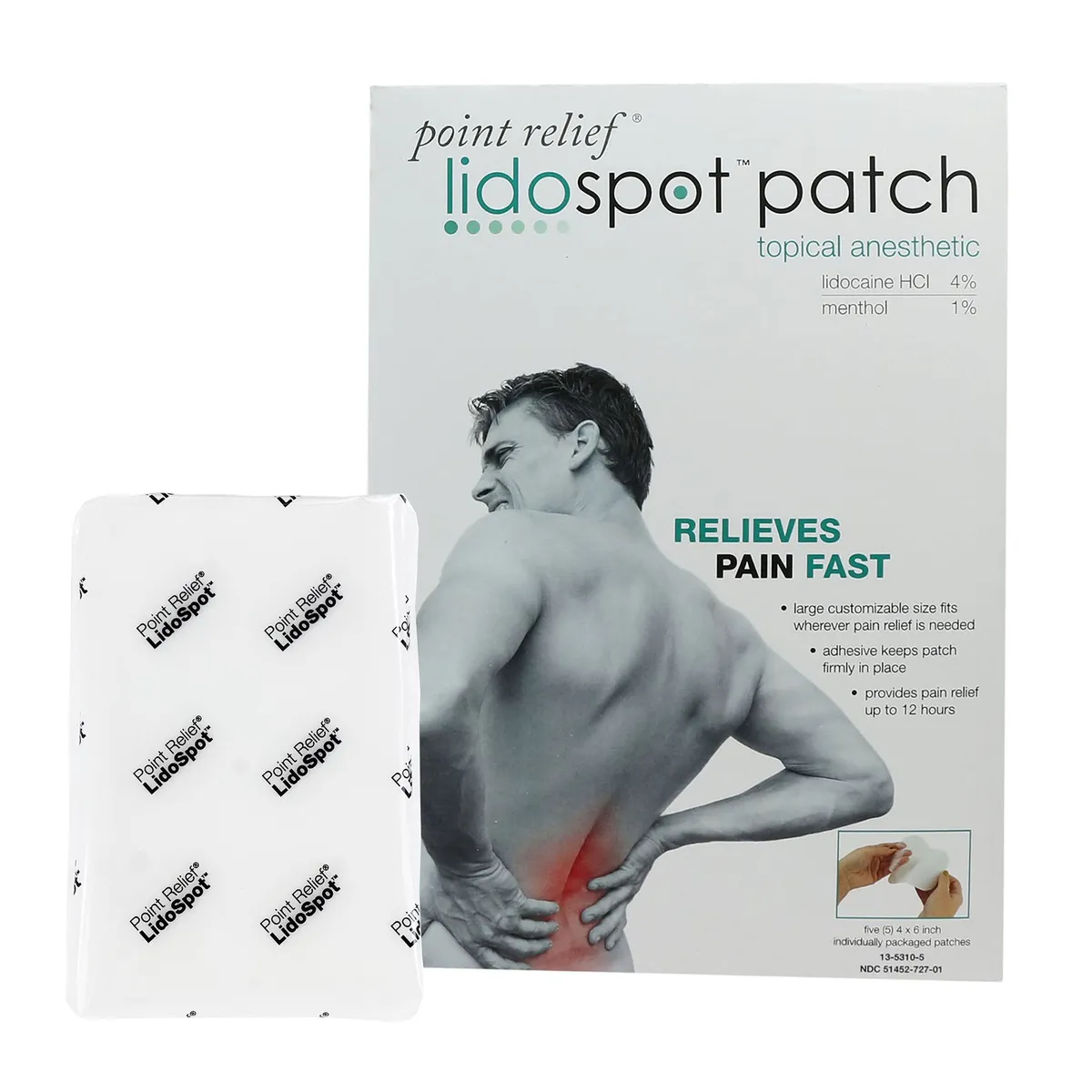
Fabrication Enterprises
LidoSpot® Topical Pain Relief, 1 Box of 20
$40.59USD
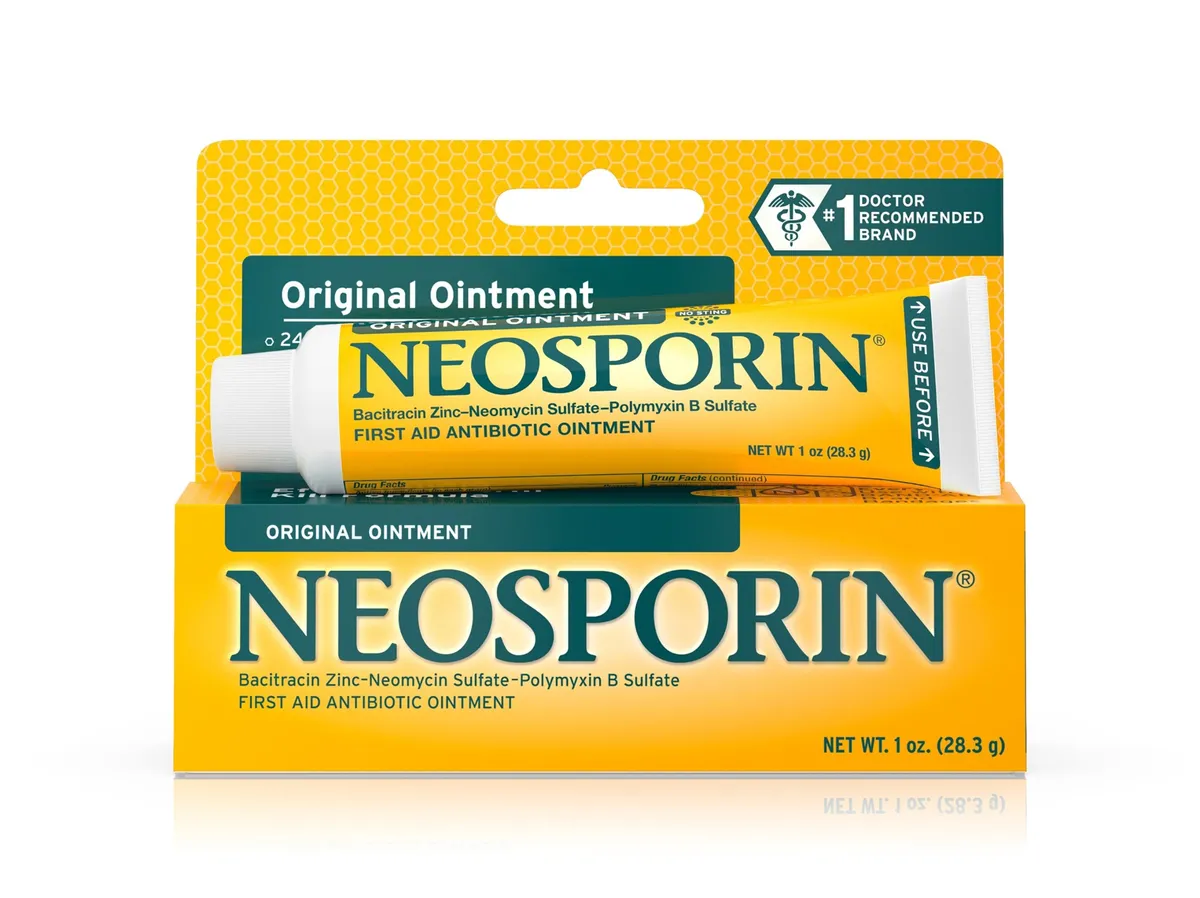
Johnson & Johnson Consumer
Neosporin® First Aid Antibiotic, 1 oz. Tube, 1 Each
$28.20USD
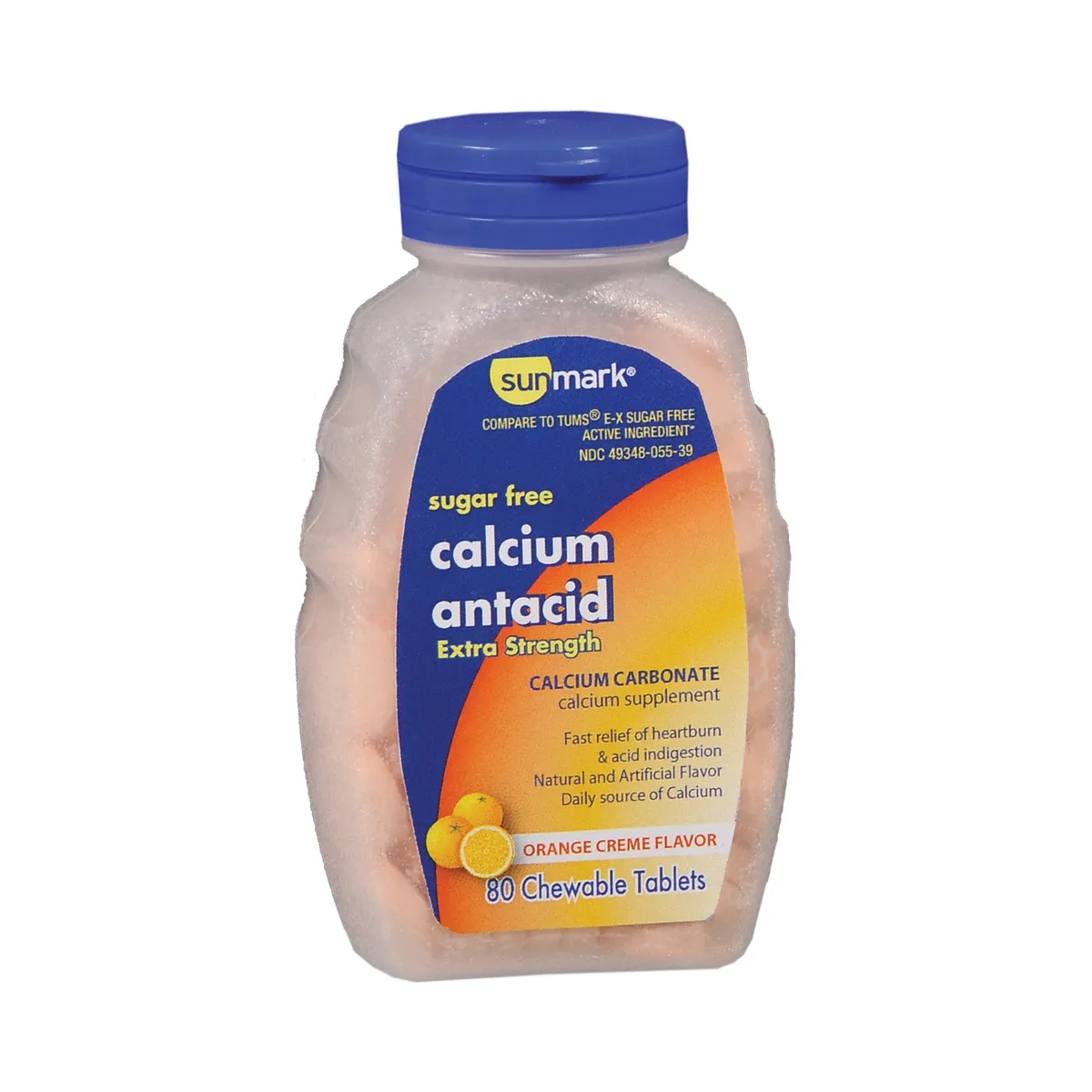
McKesson Brand
sunmark® Calcium Carbonate / Calcium Antacid, 1 Bottle
$12.00USD
$27.63USD
$28.52USD
Save $0.89In stock. Order by 2pm PST for same-day processing.
In stock
Ships from our western US warehouses
Fast shipping
Same-day processing before 2pm PST
30-day returns
Hassle-free on eligible orders
HSA / FSA
Eligible for most medical accounts
$27.63USD
$28.52USD