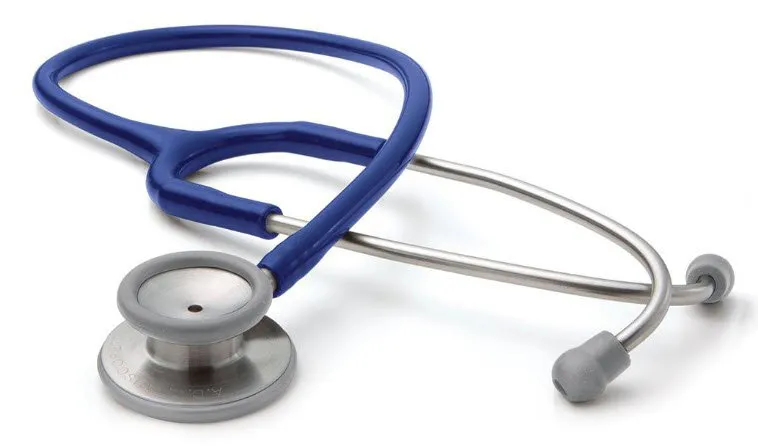
Size the cuff.
Select a cuff where the bladder width covers 40% of arm circumference. Wrong size is the most common cause of inaccurate readings.
Other sizes, pack counts, and variants of the same product line.
Products commonly used alongside this one. Bundle them into a single order.
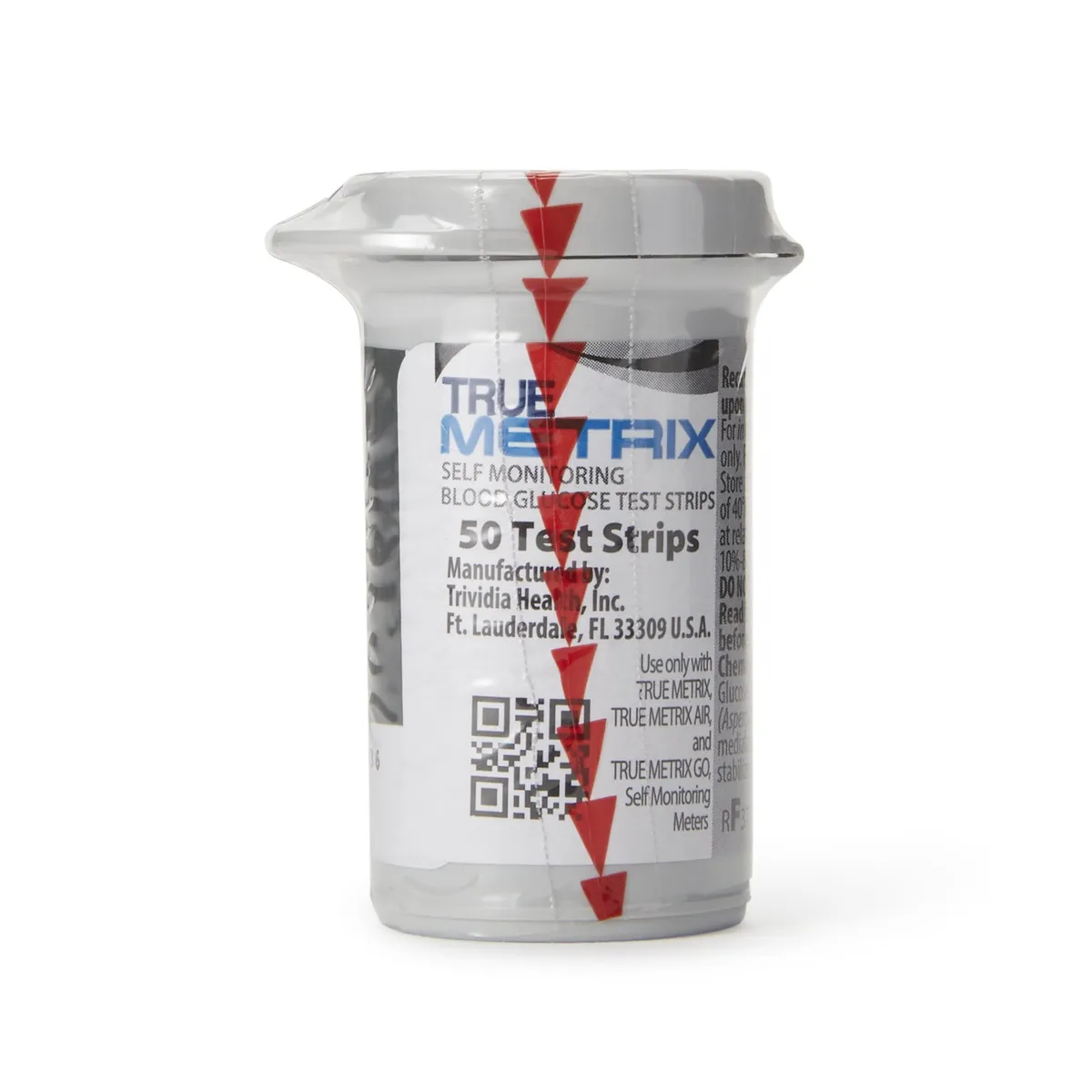
Nipro Diagnostics
TRUE METRIX® Blood Glucose Test Strips, 1 Case of 24
$605.49USD
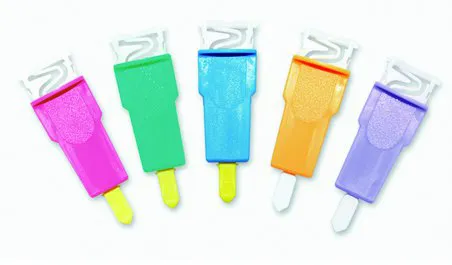
Terumo Medical
Capiject® Safety Lancet, 1 Case of 2000
$382.49USD
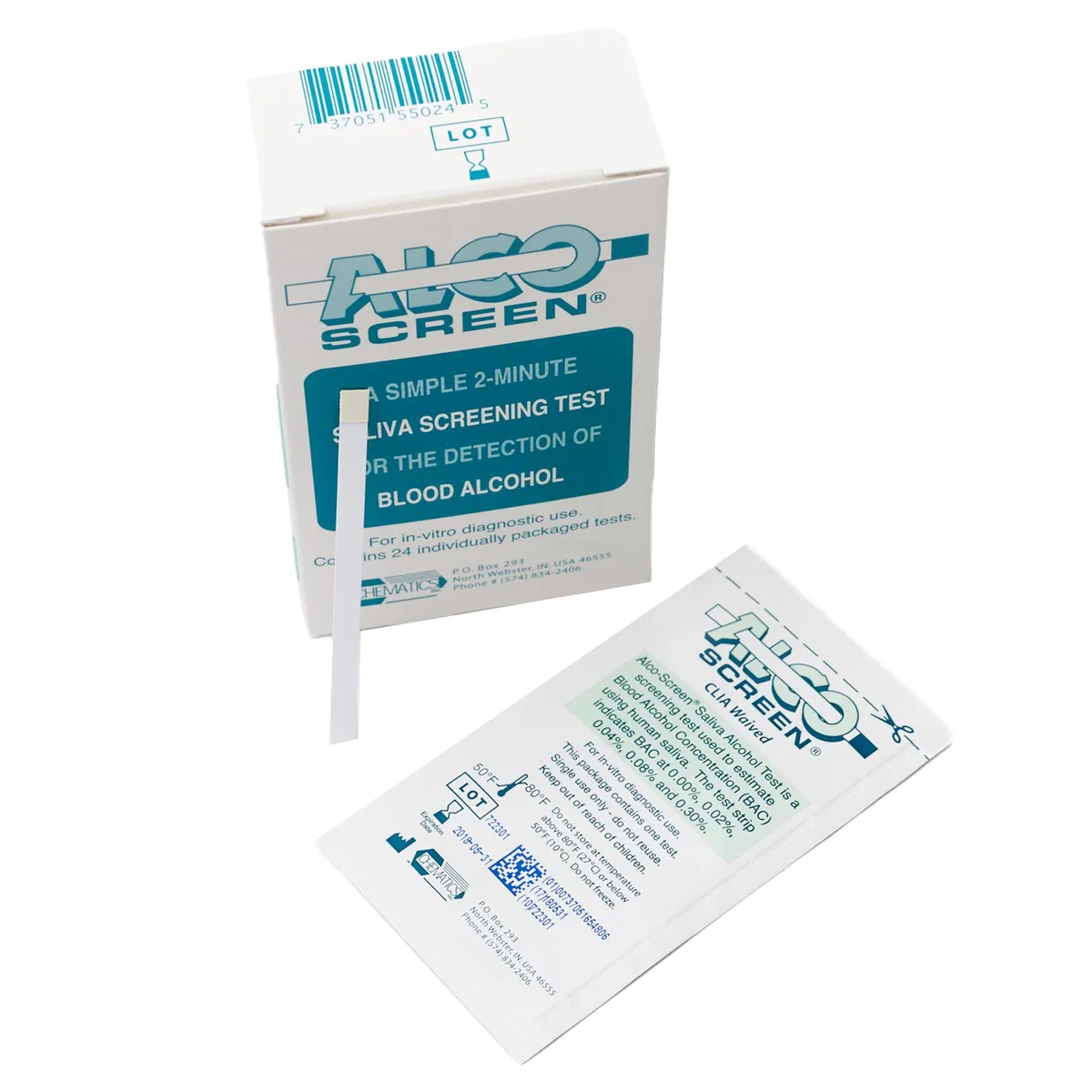
Chematics
Alco-Screen® Saliva Alcohol Rapid Test, 1 Case of 288
$833.99USD
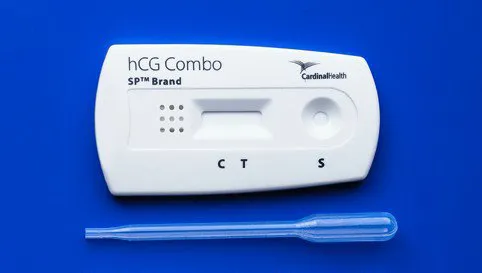
Cardinal
SP® Brand hCG Combo Pregnancy Fertility Rapid Test Kit, 1 Box of 30
$82.39USD
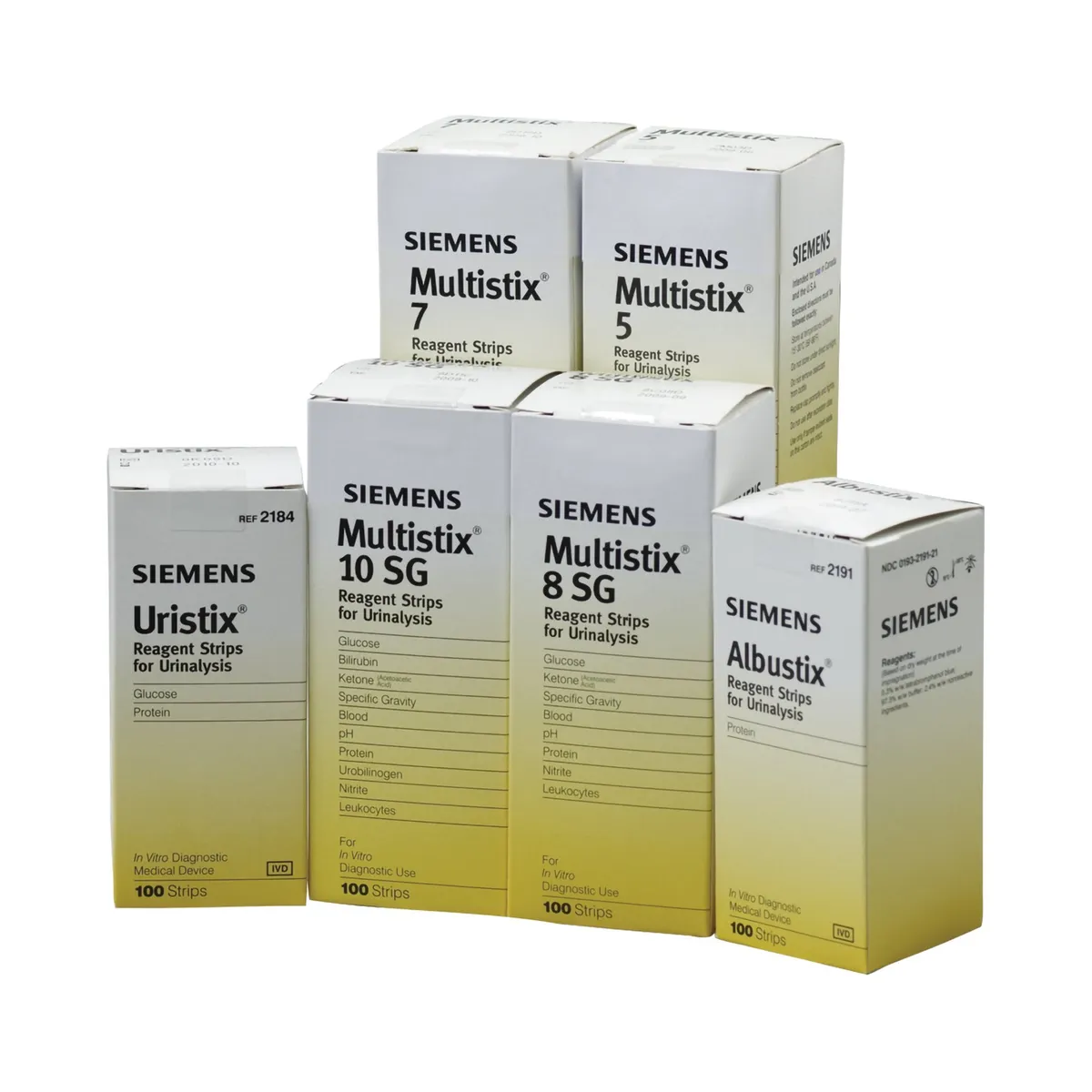
Siemens
URINE TEST STRIP, MULTISTIX 7 100'S 2165 (100/EA/BT 24BT/CS)
$1,584.99USD
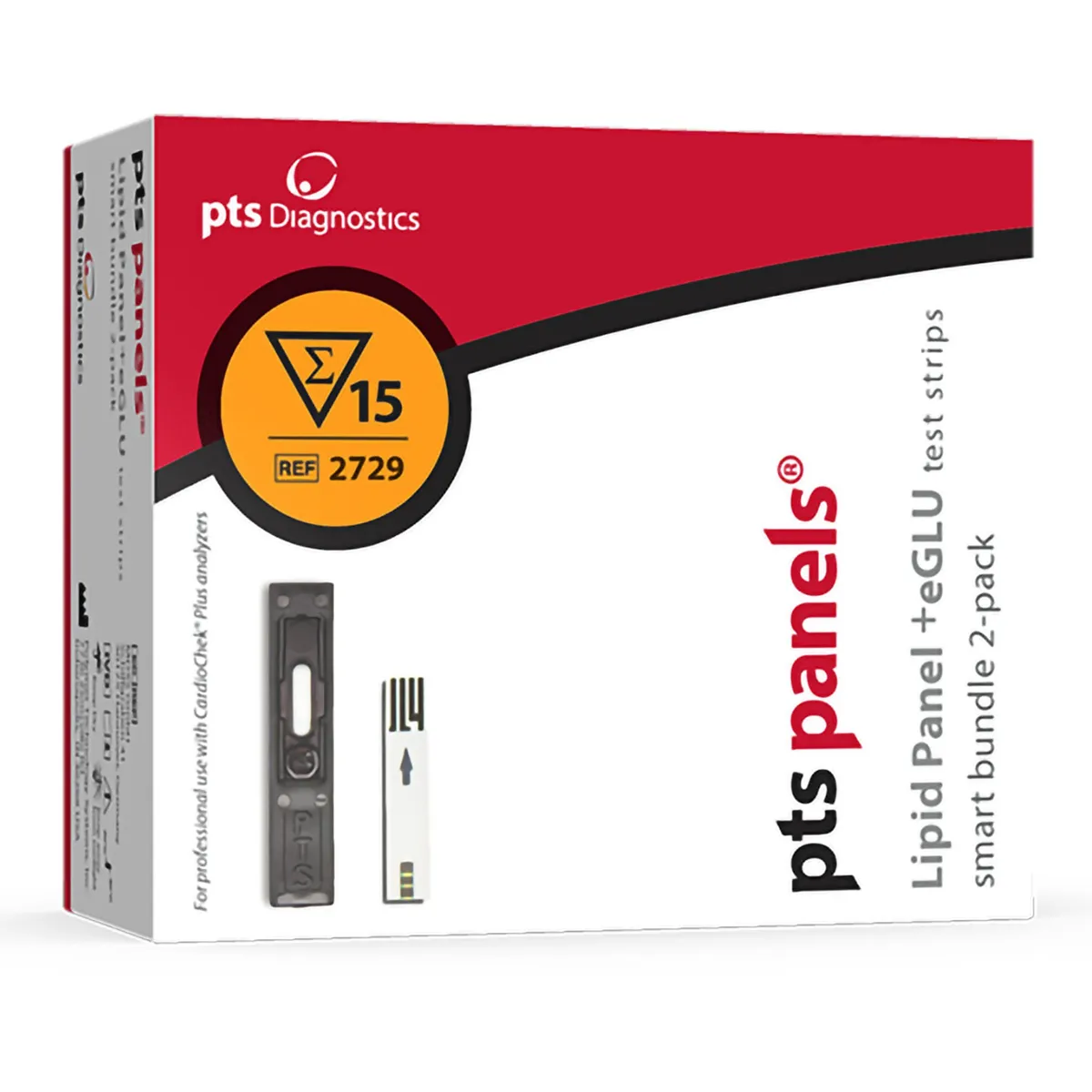
PTS Diagnostics
CardioChek® Plus Lipid + eGLU Smart Bundle™ Rapid Test Kit, Glucose / HDL / LDL / Total Cholesterol / Triglycerides test, 1 Pack
$318.06USD
Validated against ANSI/AAMI SP10 and ESH protocols for professional and home use.
Pediatric, adult, large adult, and thigh cuffs to match patient anatomy — proper cuff size is the #1 factor in accuracy.
Aneroid sphygmomanometers for clinical use and digital automated monitors for home and point-of-care.
Digital monitors store readings for trend tracking and clinical review.
Blood pressure monitors, stethoscopes, sphygmomanometers, and vital signs equipment for hospital, clinic, and home monitoring.
Select a cuff where the bladder width covers 40% of arm circumference. Wrong size is the most common cause of inaccurate readings.
Seated, back supported, feet flat, arm at heart level. Avoid recent caffeine, smoking, or exercise. Rest 5 minutes before reading.
Wrap the cuff around the bare upper arm, 1 inch above the antecubital fossa, with the artery marker over the brachial artery.
Inflate 20–30 mmHg above the estimated systolic. Deflate slowly (2–3 mmHg/sec). Record the first and last Korotkoff sounds for manual, or read the digital display.
Take 2–3 readings one minute apart and average. Document arm used, position, and any notes.
Clinical use information is provided for reference only. Always follow facility protocols, manufacturer instructions for use (IFU), and evidence-based practice guidelines. Consult the treating clinician before use.
Standards & Certifications
A spec-by-spec comparison with the most common alternatives in the vital signs monitoring category. Clinical interchangeability varies — always verify with your care team or facility protocol.
| Spec | This product Adscope™ 603 Classic Stethoscope, 1 Each | 3M 3M Littmann Classic III Monitoring Stethoscope, Smoke-Finish, Black, 27 Inch Single Lumen Tube, 1 Each | 3M 3M™ Littmann® Lightweight II S.E. Classic Stethoscope, 1 Each | Mabis Healthcare Mabis® Spectrum® Nurse Classic Stethoscope, 1 Each |
|---|---|---|---|---|
| Cuff Size | L | — | — | — |
Comparison is provided for reference only. Brand names and trademarks belong to their respective owners. Specific SKUs may differ from category averages shown above.
Trusted manufacturer
An established medical products manufacturer supplying clinical teams with quality healthcare supplies.
Answers to the questions clinical buyers and care teams ask most about this product category.
Upper arm monitors are more accurate because the brachial artery is closer to heart level and the surrounding tissue is consistent. Wrist monitors can be accurate if used with proper positioning (wrist at heart level), but upper arm is the clinical standard.
Measure the mid-upper arm circumference. The cuff should list a range that includes your measurement. If your arm is between sizes, choose the larger cuff. An undersized cuff gives falsely high readings; oversized gives falsely low.
'White-coat hypertension' raises BP at the clinic. Home readings can also differ due to cuff size, technique, time of day, and recent activity. Take home readings at the same time each day, seated and rested, and bring the log to your clinician.
Digital monitors should be checked annually against a calibrated aneroid or mercury reference. Aneroid sphygmomanometers should be calibrated every 6 months in clinical use. Most manufacturers offer recalibration services.
American Diagnostic Corp
Adimals™ 618 Classic Stethoscope - Pediatric, 1 Each
$69.99USD
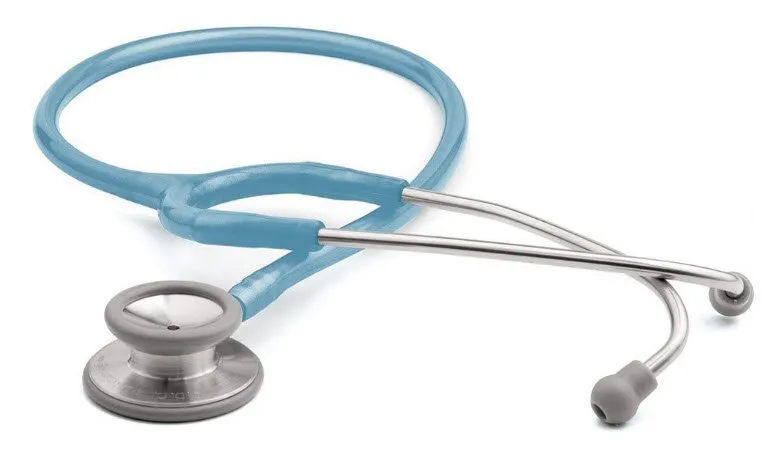
American Diagnostic Corp
Adscope™ 603 Classic Stethoscope, 1 Each
$58.20USD
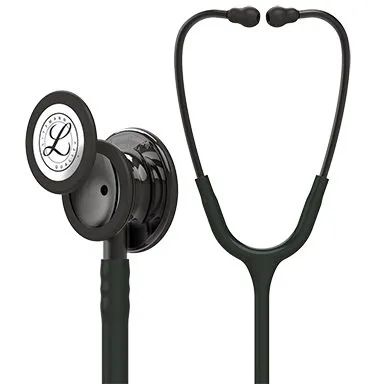
3M
3M Littmann Classic III Monitoring Stethoscope, Smoke-Finish, Black, 27 Inch Single Lumen Tube, 1 Each
$174.95USD
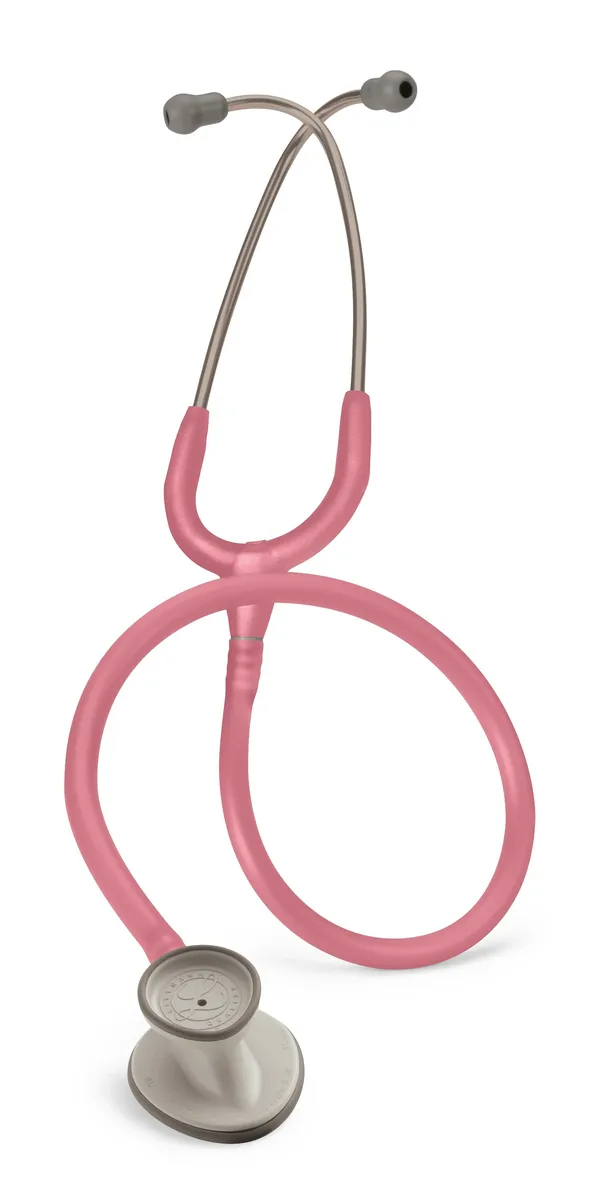
3M
3M™ Littmann® Lightweight II S.E. Classic Stethoscope, 1 Each
$77.92USD
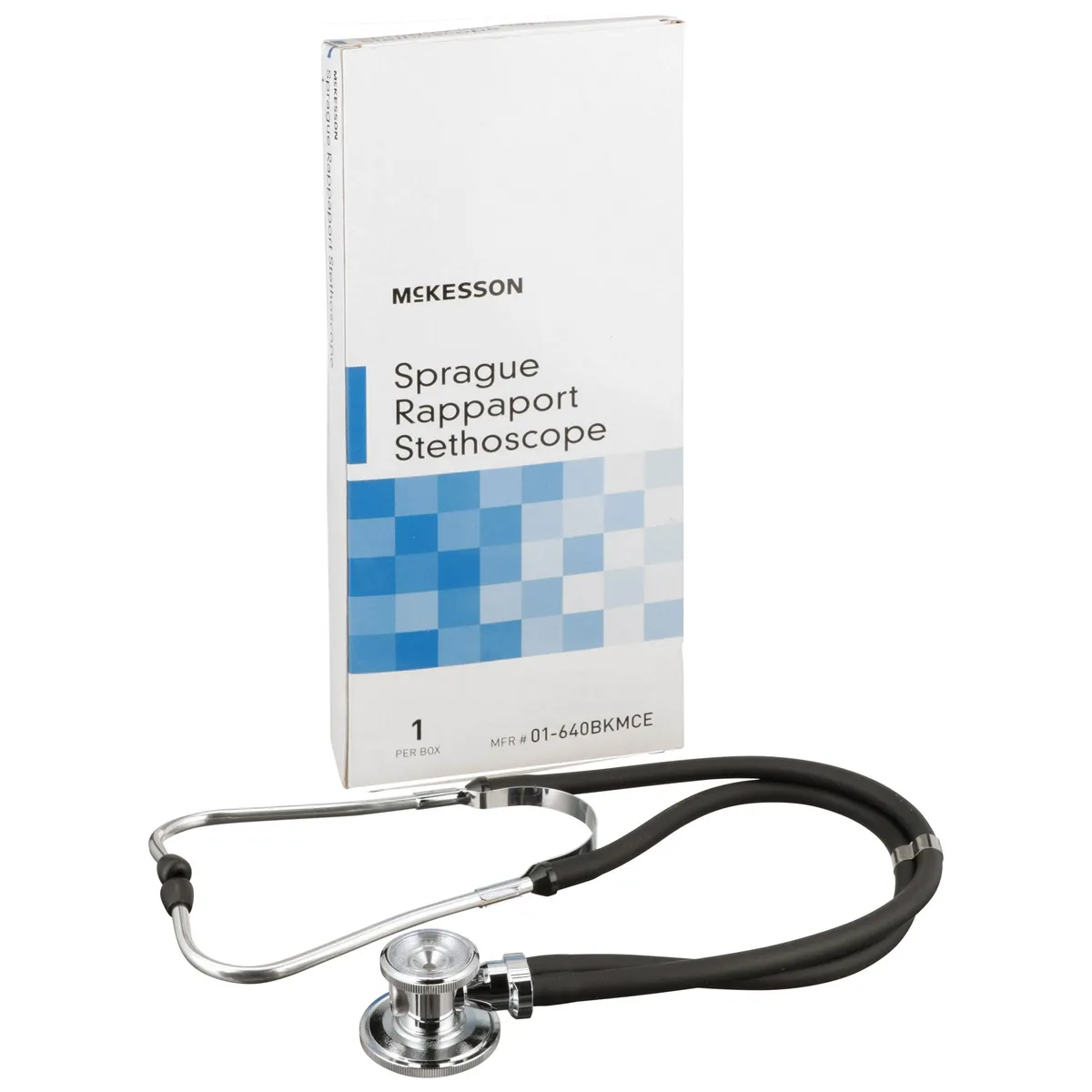
McKesson Brand
McKesson Sprague Rappaport Stethoscope, 1 Each
$24.56USD
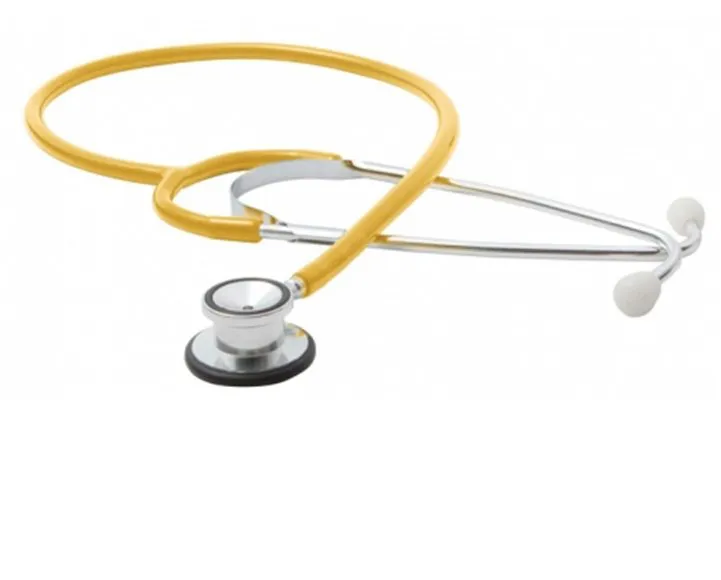
American Diagnostic Corp
Proscope™ 675 Classic Stethoscope - Pediatric, 1 Each
$20.89USD
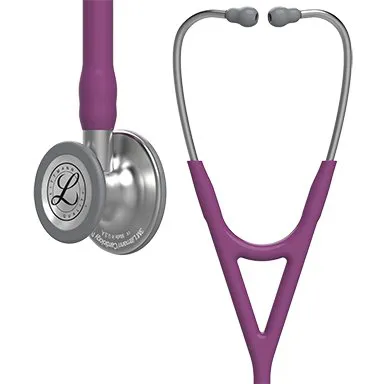
3M
3M™ Littmann® Cardiology IV™ Cardiology Stethoscope, 1 Each
$280.75USD
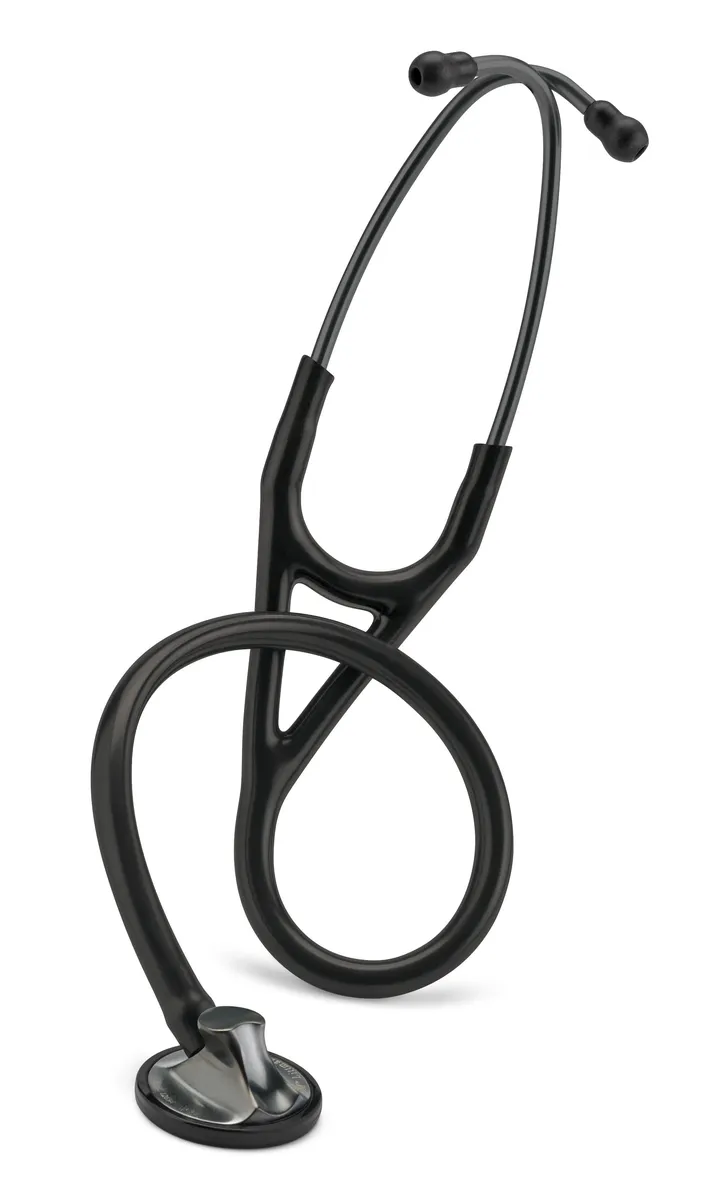
3M
Littmann® Master Cardiology™ Cardiology Stethoscope, 1 Each
$368.09USD
$58.48USD
$71.24USD
Save $12.76In stock. Order by 2pm PST for same-day processing.
In stock
Ships from our western US warehouses
Fast shipping
Same-day processing before 2pm PST
30-day returns
Hassle-free on eligible orders
HSA / FSA
Eligible for most medical accounts
$58.48USD
$71.24USD
Clinical Evidence
International journal of environmental research and public health
Systematic review of studies testing methods for disinfecting stethoscopes.
Key Findings
Sample Size
17 papers
Scientific reports
Meta-analysis of the diagnostic accuracy of lung auscultation with a stethoscope in adults with acute respiratory symptoms.
Key Findings
Sample Size
34 studies
The American journal of tropical medicine and hygiene
International observational study comparing microbial surface contamination of ultrasound equipment, coupling gel and stethoscopes in a low-resource and a high-resource hospital.
Key Findings
Clinical evidence is provided for informational purposes only. Healthcare professionals should evaluate products based on their clinical judgment and patient-specific factors. Links to external studies are provided as references and do not constitute endorsement. Always refer to the manufacturer's instructions for use.