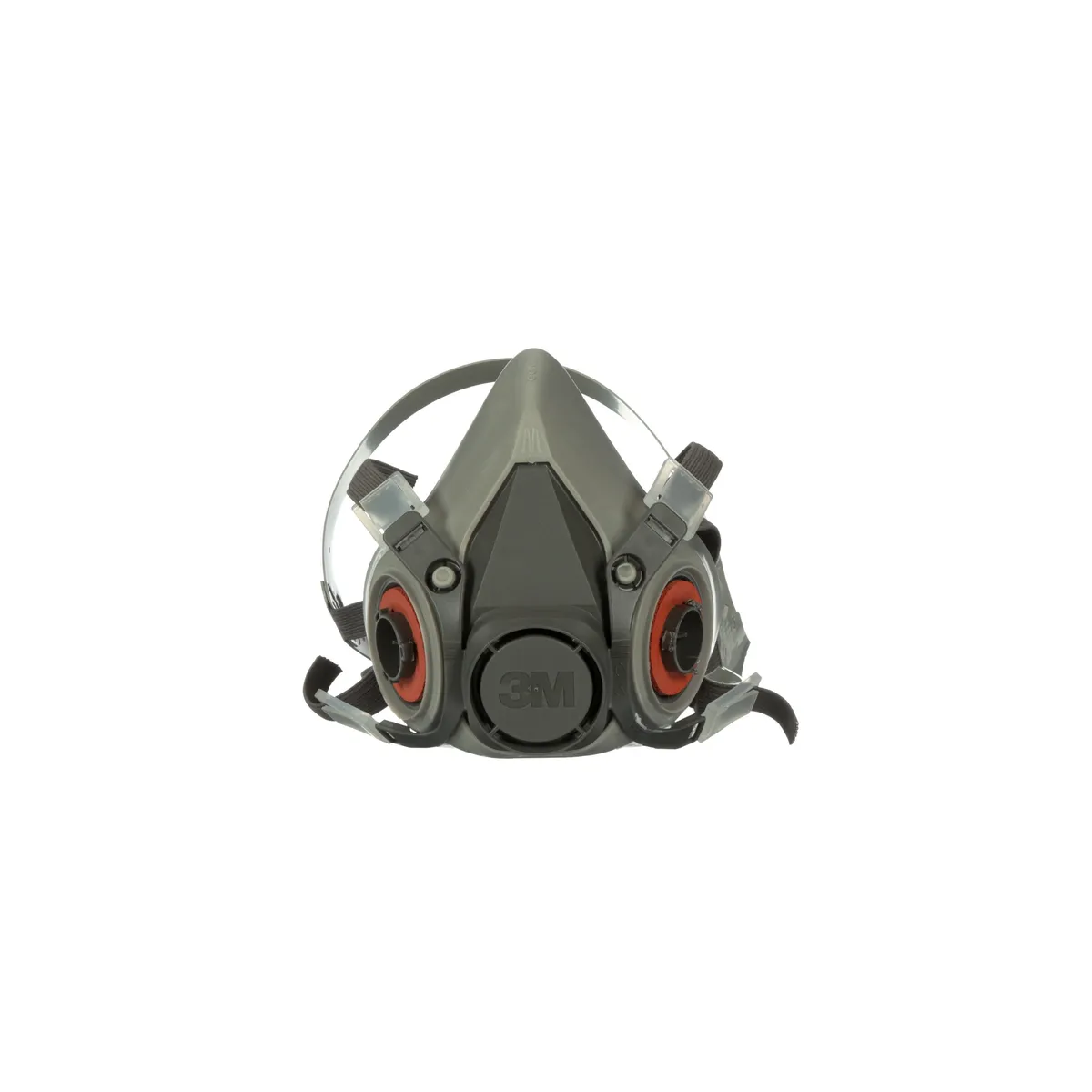
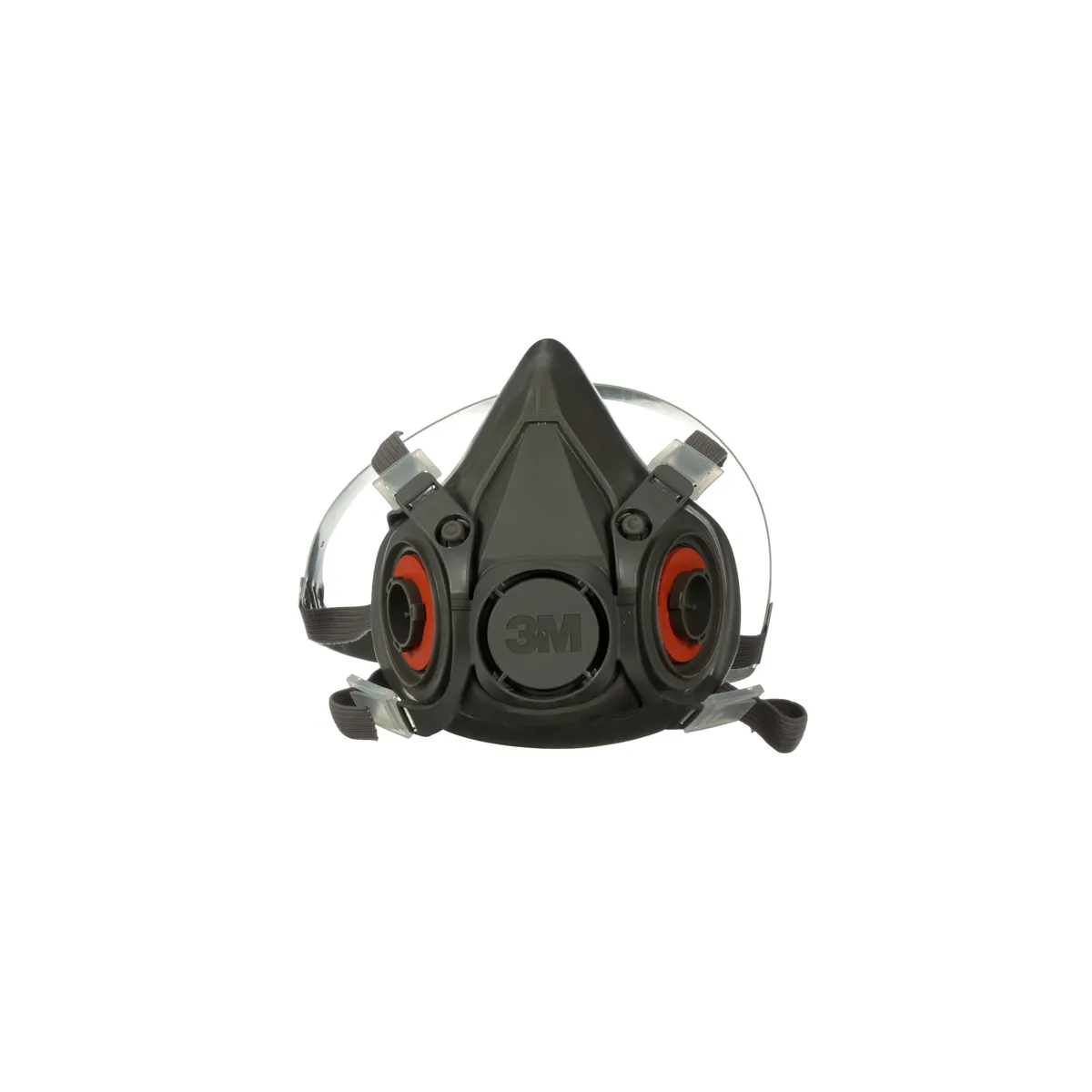
Complete fit testing first.
Annual OSHA fit testing determines the correct model and size for each clinician. An untested respirator does not seal and offers no airborne protection.
Products commonly used alongside this one. Bundle them into a single order.
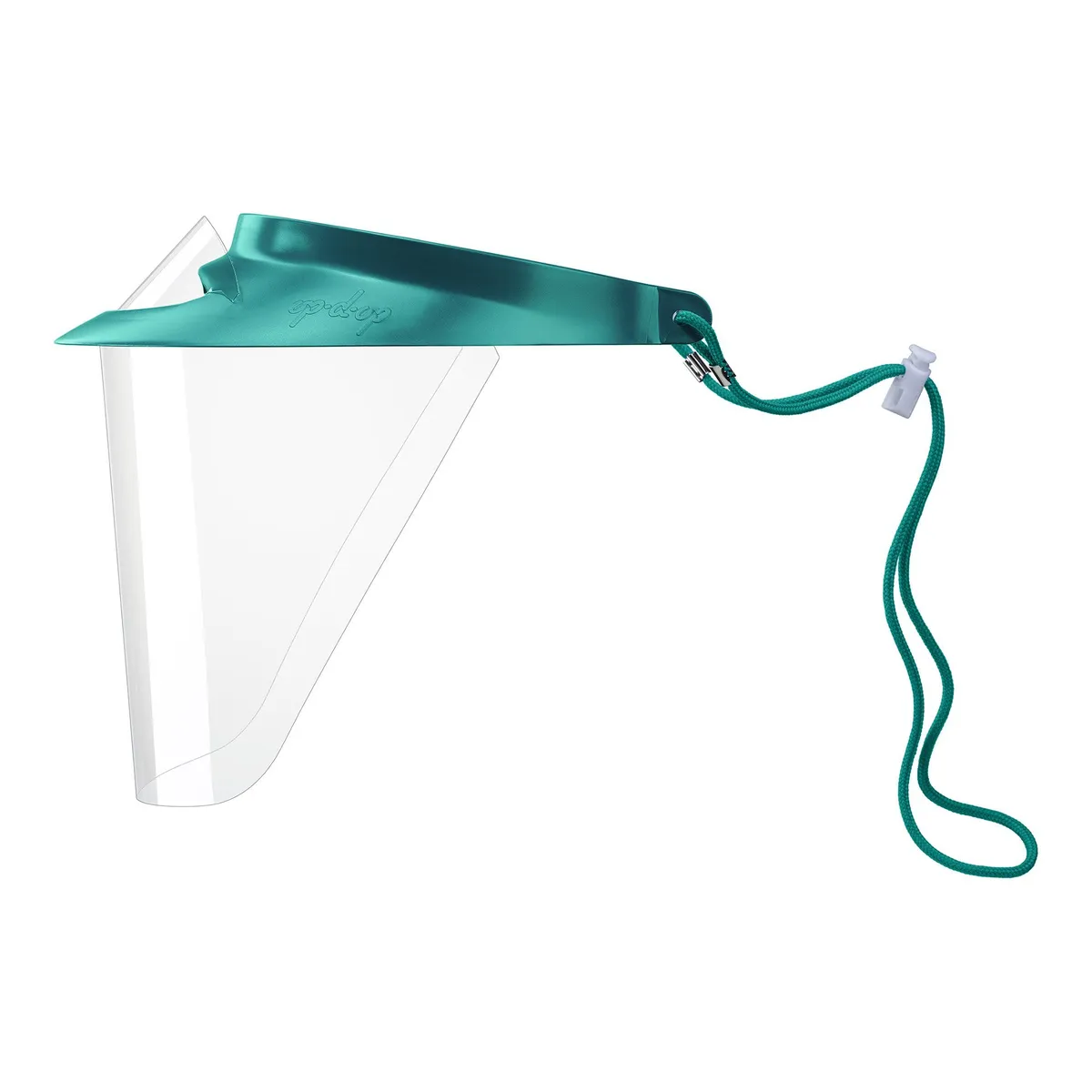
Op-D-Op
FACESHIELD KIT, W/1 VISOR 2SHLD TEAL
$69.19USD
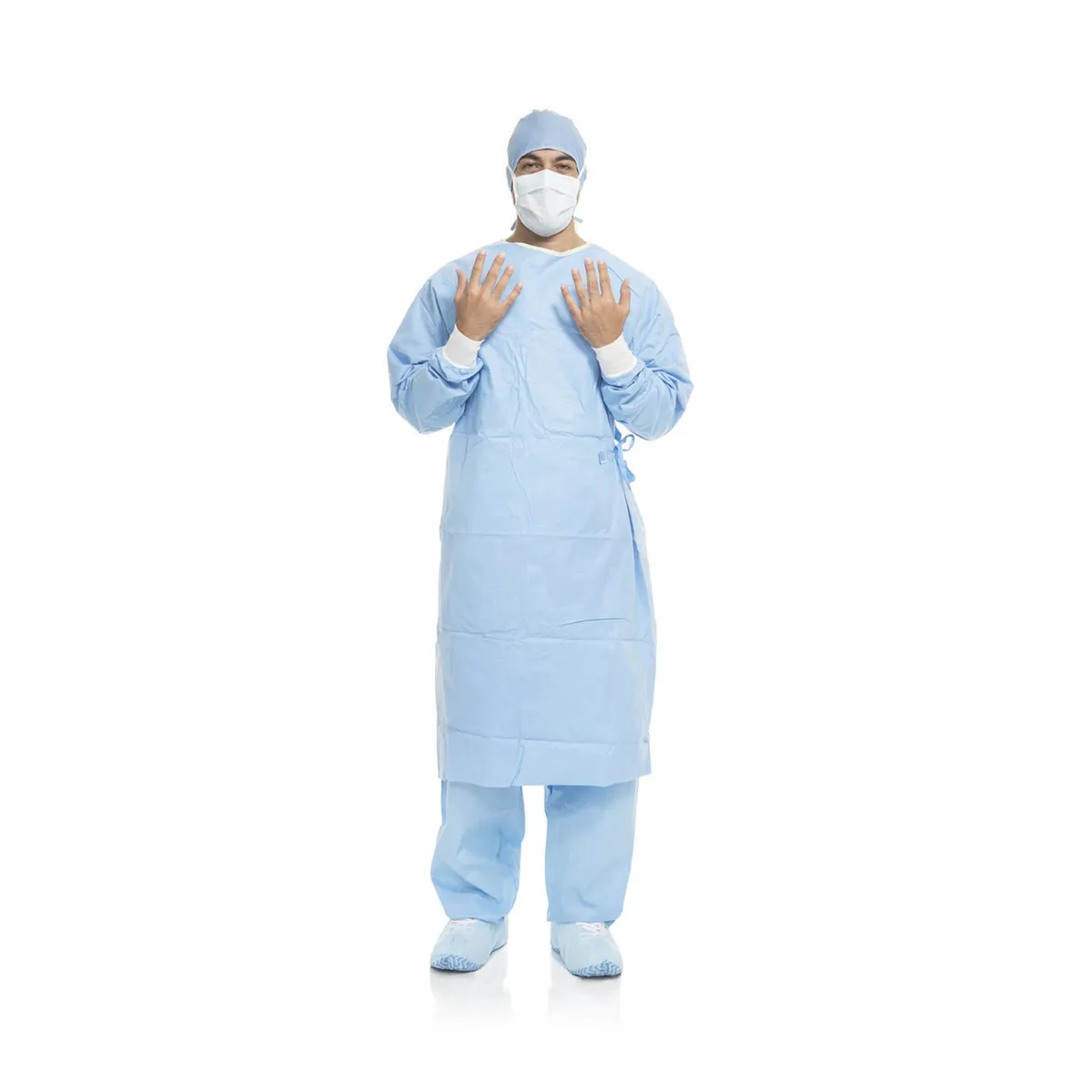
O&M Halyard Inc
AERO BLUE Surgical Gown with Towel, Small, 1 Case of 34
$354.99USD
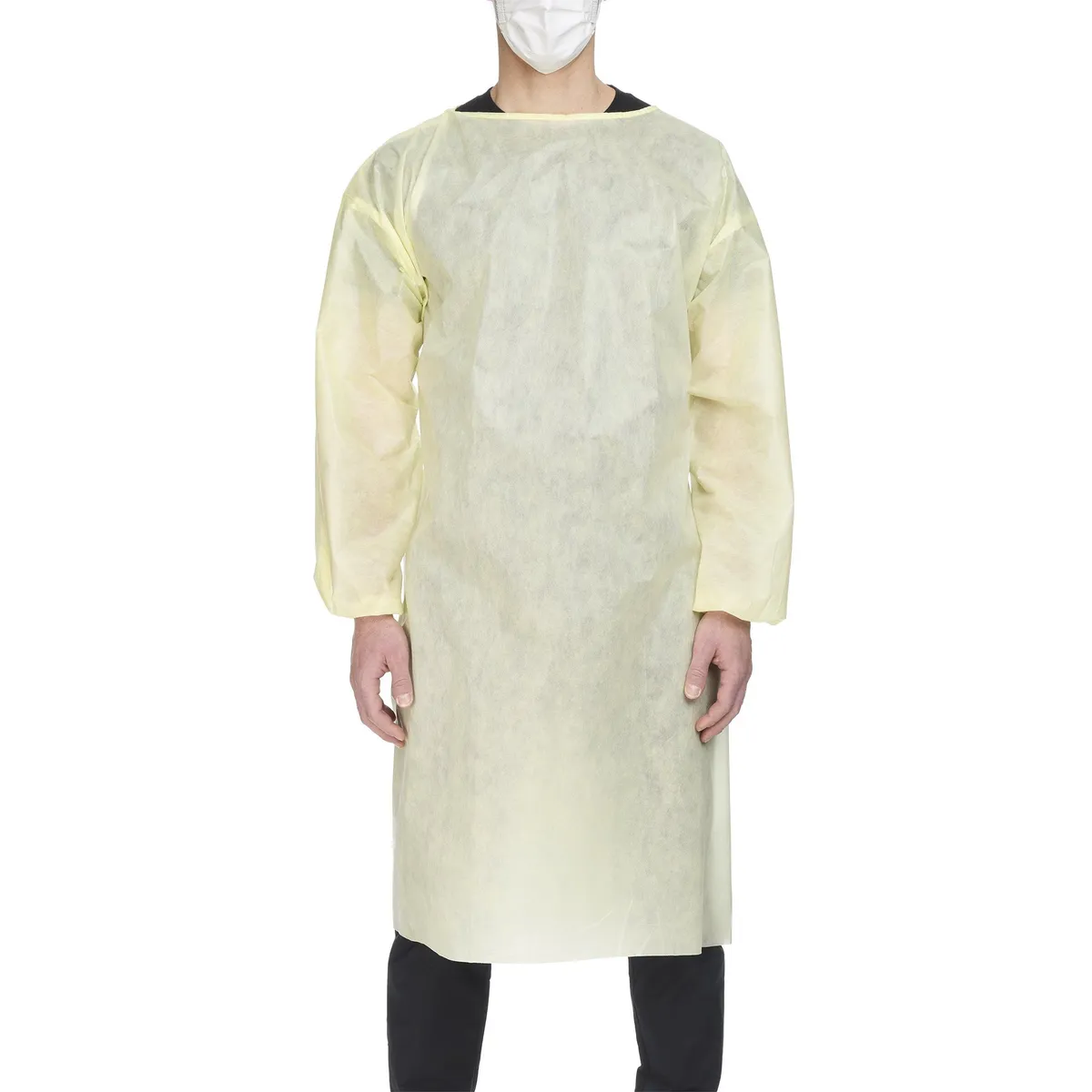
Aspen Surgical Products
Precept® Full Coverage Isolation Gown, Extra Large, 1 Bag of 10
$28.20USD
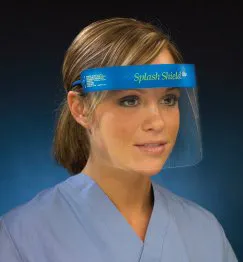
Splash Shield
Splash Shield Lite Face Shield with Frame, 1 Box of 40
$116.09USD
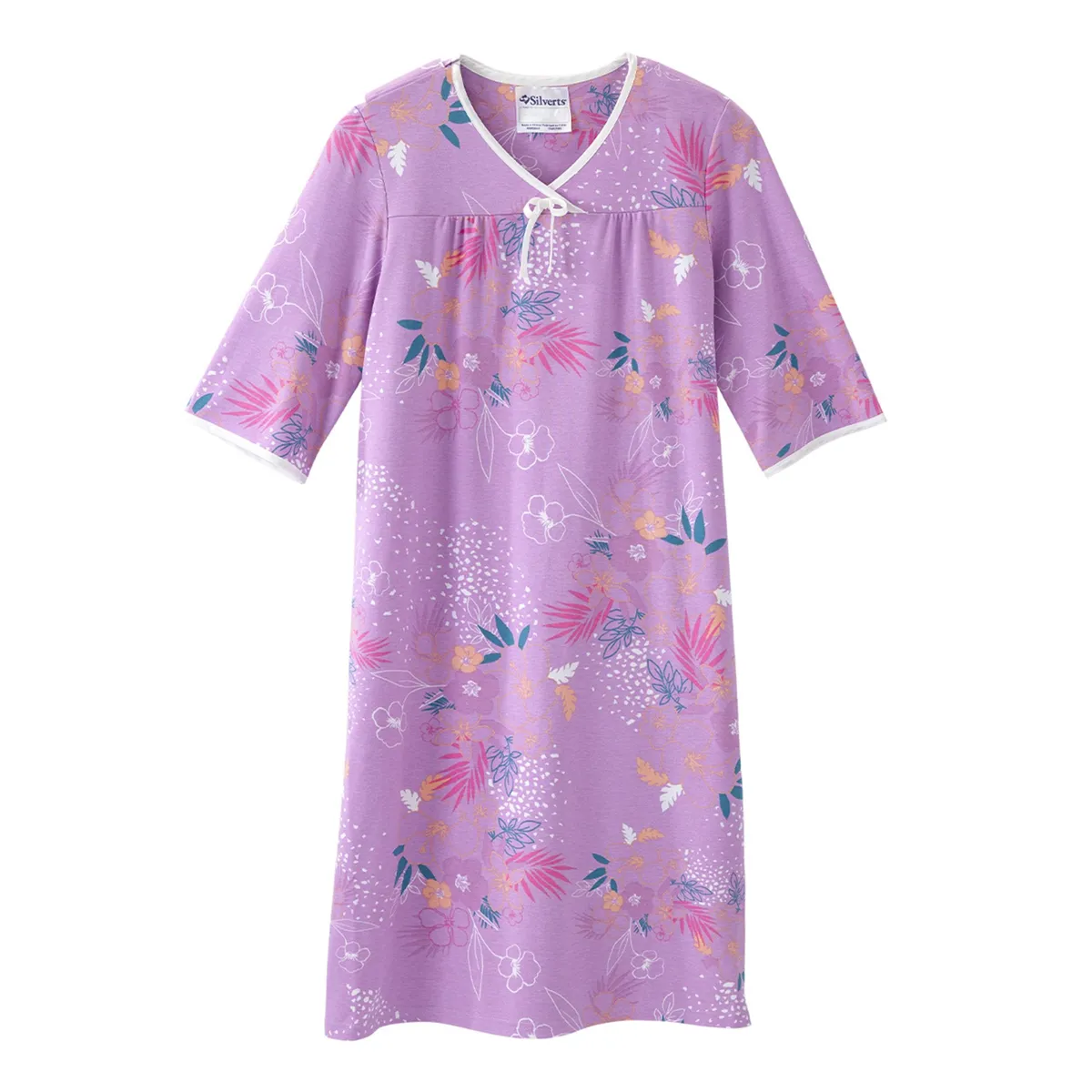
Silverts Adaptive LLC
Silverts® Shoulder Snap Patient Exam Gown, Small, Soft Tropical, 1 Each
$40.96USD
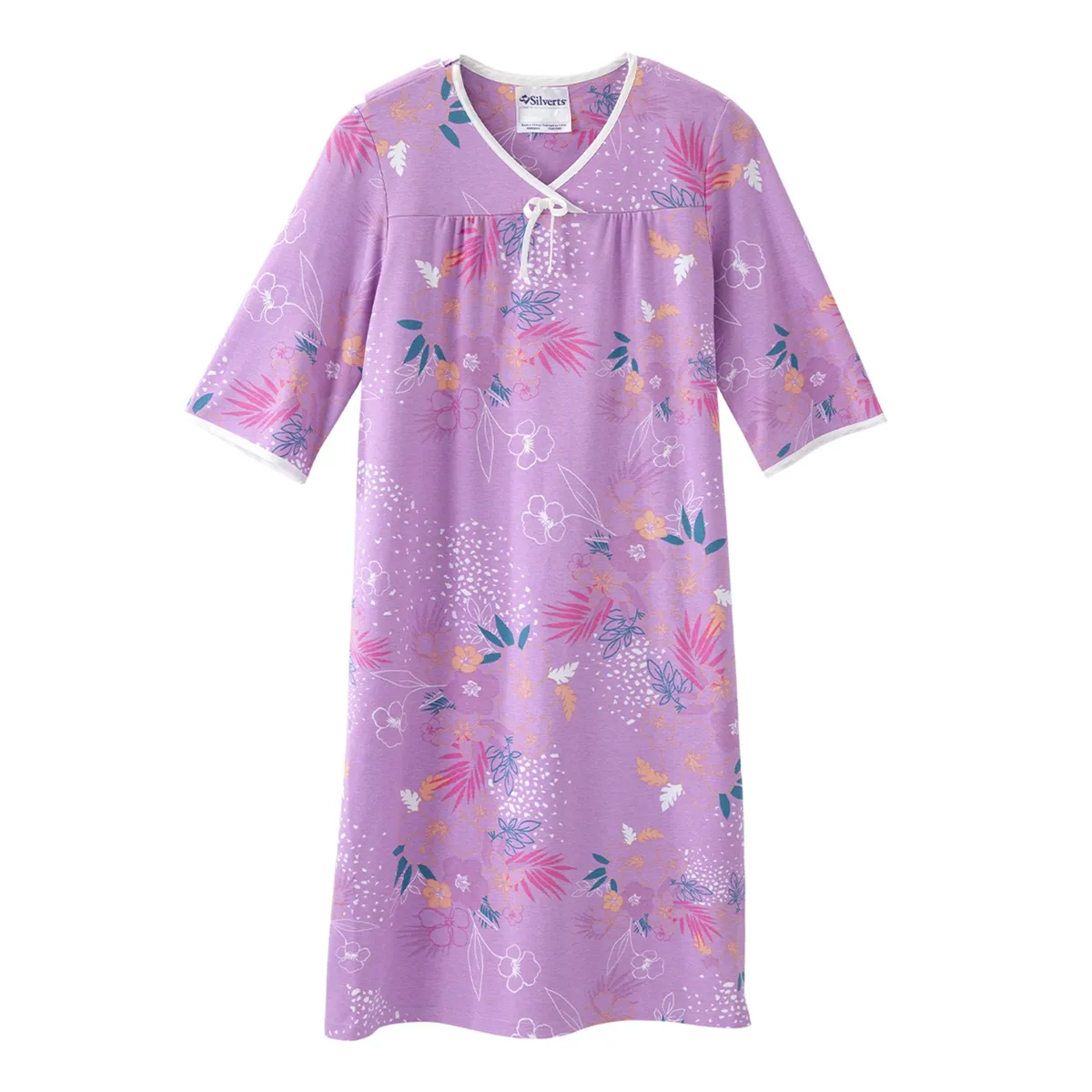
Silverts Adaptive LLC
Silverts® Shoulder Snap Patient Exam Gown, Medium, Soft Tropical, 1 Each
$40.96USD
N95 respirators filter ≥95% of 0.3-micron airborne particles. N99 meets ≥99%; N100 meets ≥99.97%.
Contoured cup, duckbill, or foldable construction creates an airtight seal against the face — unlike surgical masks, which do not seal.
Standard sizes and models work with OSHA-required qualitative (saccharin, Bitrex) and quantitative (PortaCount) fit-test protocols.
Rated for TB, measles, varicella, COVID-19 aerosols, and other airborne pathogens where surgical masks are insufficient.
NIOSH-approved respirators filter airborne particles and create a tight seal around the face for protection against aerosolized pathogens and hazardous particulates. Annual OSHA fit testing is required for clinical use.
Annual OSHA fit testing determines the correct model and size for each clinician. An untested respirator does not seal and offers no airborne protection.
Clean hands thoroughly. Inspect the respirator for damage, deformation, or visible soil before use.
Straps cross the crown and the nape of the neck (never looped on ears). Mold the nose bridge firmly to the bridge of the nose.
Exhale sharply — air should not escape around the edges. Inhale — the respirator should collapse slightly inward. If it does not seal, reposition and re-check.
Remove the bottom strap first, then the top. Never touch the front (contaminated) surface. Discard single-use respirators; perform hand hygiene.
Clinical use information is provided for reference only. Always follow facility protocols, manufacturer instructions for use (IFU), and evidence-based practice guidelines. Consult the treating clinician before use.
Standards & Certifications
A spec-by-spec comparison with the most common alternatives in the respirators category. Clinical interchangeability varies — always verify with your care team or facility protocol.
| Spec | This product 3M™ Versaflo™ Headcover with Integrated Head Suspension, Small / Medium, 1 Case of 5 | 3M MASK, RESPIRATOR-RUSBL INDUST MED HALF-FACE (24/CS) | 3M MASK, RESPIRATOR-RUSBL INDUST LG HALF-FACE (24/CS) |
|---|---|---|---|
| Seal Style | — | Half-face | Half-face |
| Fluid-Resistant | No | No | No |
| Sizes Available | S, M | M | L |
| Surgical | No | No | No |
| Fit-Test Required | Yes (annual) | Yes (annual) | Yes (annual) |
Comparison is provided for reference only. Brand names and trademarks belong to their respective owners. Specific SKUs may differ from category averages shown above.
Global innovation in medical science
3M Health Care combines material science with clinical insight to produce category-defining products across wound care, infection prevention, and respiratory protection.
Answers to the questions clinical buyers and care teams ask most about this product category.
An N95 creates an airtight seal around the face and filters ≥95% of airborne particles — required for airborne precautions. A surgical mask is loose-fitting and protects against splash and droplets, not aerosols. Use an N95 (or higher) for TB, measles, and COVID-19 aerosol-generating procedures.
Yes. OSHA 29 CFR 1910.134 requires annual fit testing for any respirator used in clinical work. Fit testing determines which model, size, and brand seals correctly against your face. An untested respirator offers no protection regardless of filter rating.
No. KN95 is the Chinese standard and is not NIOSH-certified. For US clinical use requiring airborne protection, only NIOSH-approved respirators (N95, N99, N100, and surgical-N95 variants) meet OSHA and CDC guidance. KN95s are not acceptable substitutes in clinical fit-test programs.
N95s are labeled single-use. Extended use (same respirator worn continuously during a shift with the same patient cohort) may be permitted under facility protocols during supply shortages. Reuse beyond one patient encounter without decontamination is not recommended unless facility policy explicitly authorizes it.
Yes. Facial hair along the seal surface breaks the seal and eliminates filtration protection — this is why fit testing requires a clean-shaven seal area. Clinicians who cannot be clean-shaven should use a Powered Air-Purifying Respirator (PAPR) instead.
$246.90USD
$251.71USD
Save $4.81$49.38 each, 5 per pack
In stock. Order by 2pm PST for same-day processing.
In stock
Ships from our western US warehouses
Fast shipping
Same-day processing before 2pm PST
30-day returns
Hassle-free on eligible orders
HSA / FSA
Eligible for most medical accounts
$246.90USD
$251.71USD
Clinical Evidence
Journal of Infusion Nursing
Randomized controlled trial comparing 3M Tegaderm CHG to standard transparent dressings for central line site care.
Key Findings
Sample Size
1,636 patients
Annals of Emergency Medicine
Meta-analysis examining wound closure outcomes with skin closure strips compared to traditional sutures.
Key Findings
Sample Size
4,200+ patients across 12 studies
Clinical evidence is provided for informational purposes only. Healthcare professionals should evaluate products based on their clinical judgment and patient-specific factors. Links to external studies are provided as references and do not constitute endorsement. Always refer to the manufacturer's instructions for use.