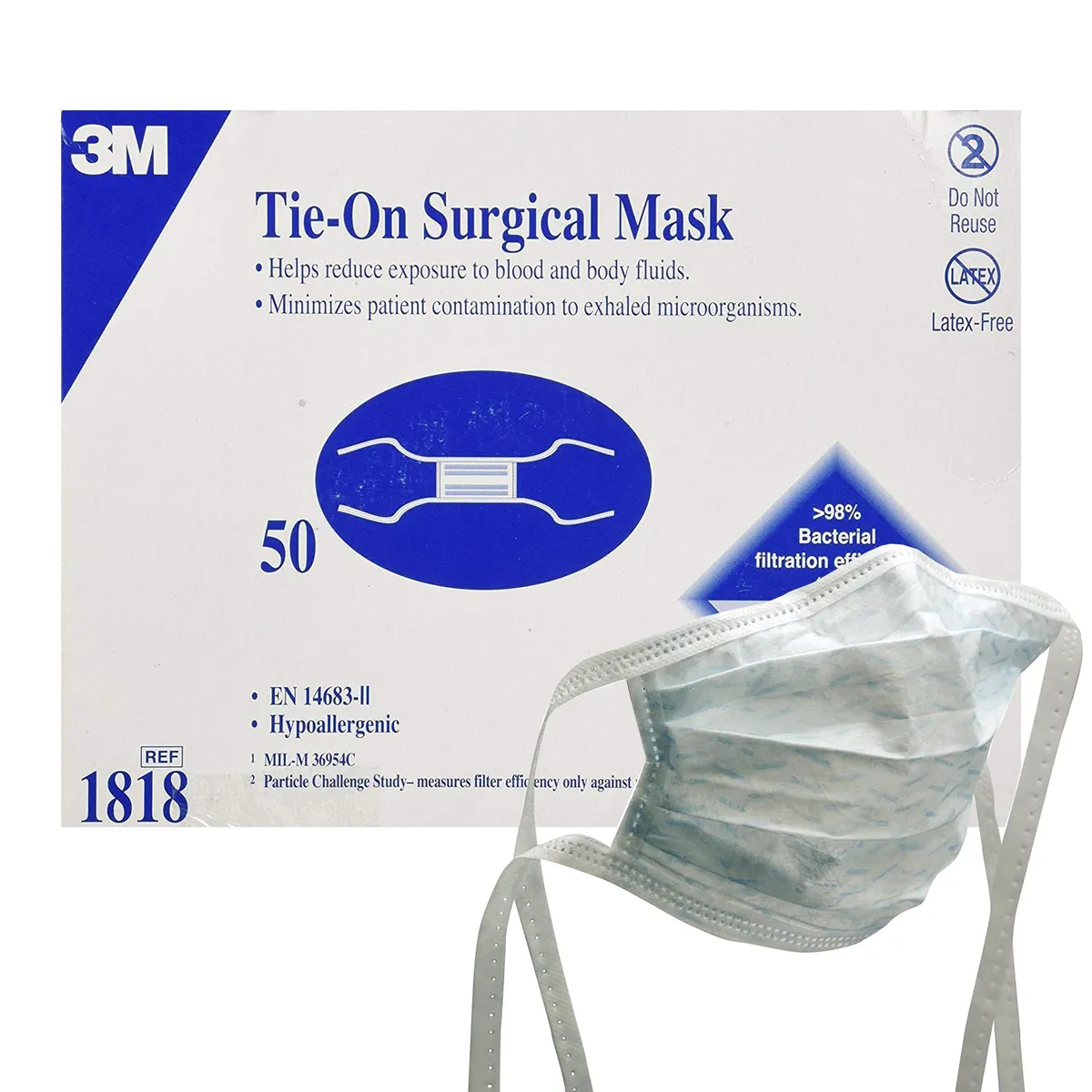
Hand hygiene.
Clean hands before handling the mask. Inspect for defects or contamination before donning.
Other sizes, pack counts, and variants of the same product line.
Products commonly used alongside this one. Bundle them into a single order.
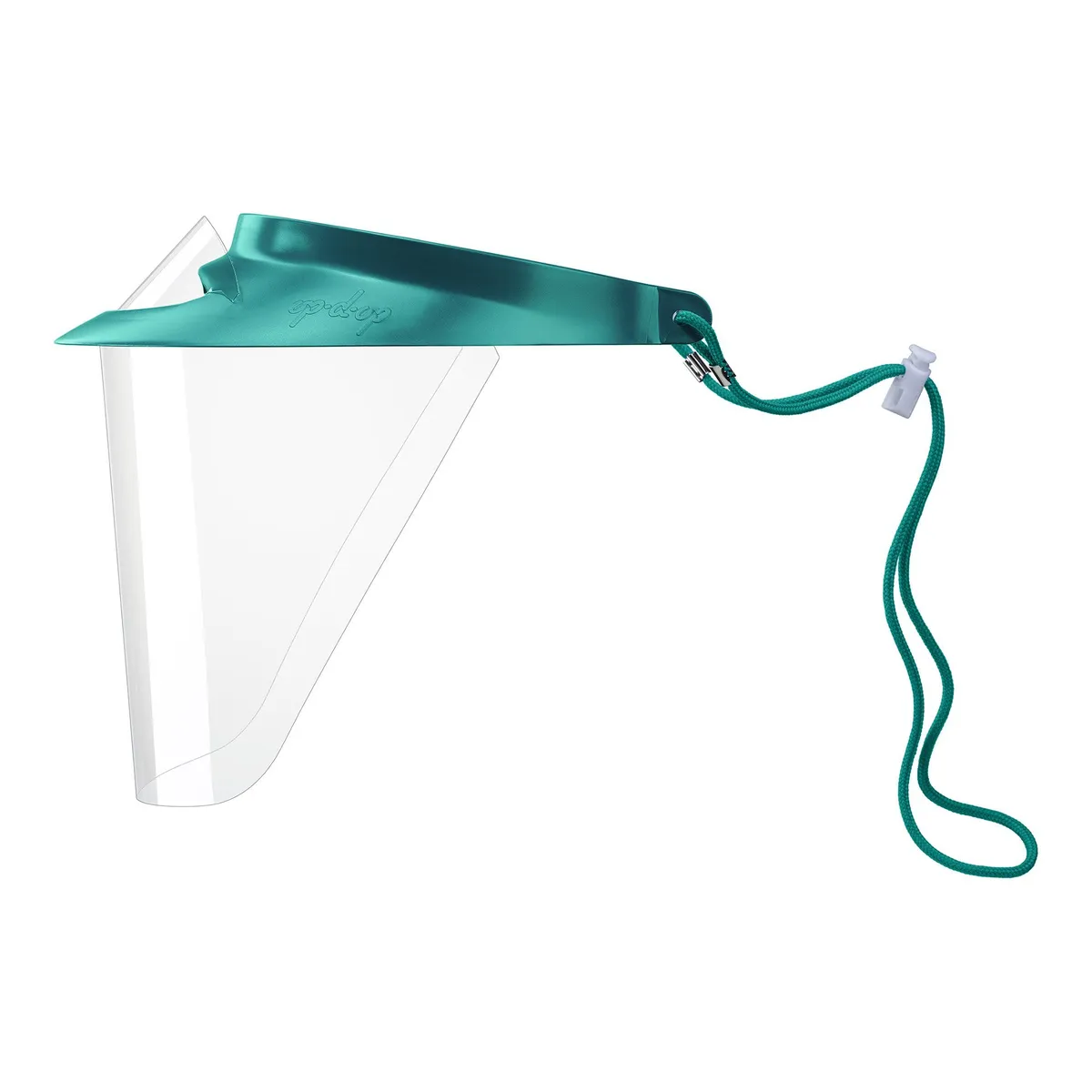
Op-D-Op
FACESHIELD KIT, W/1 VISOR 2SHLD TEAL
$69.19USD
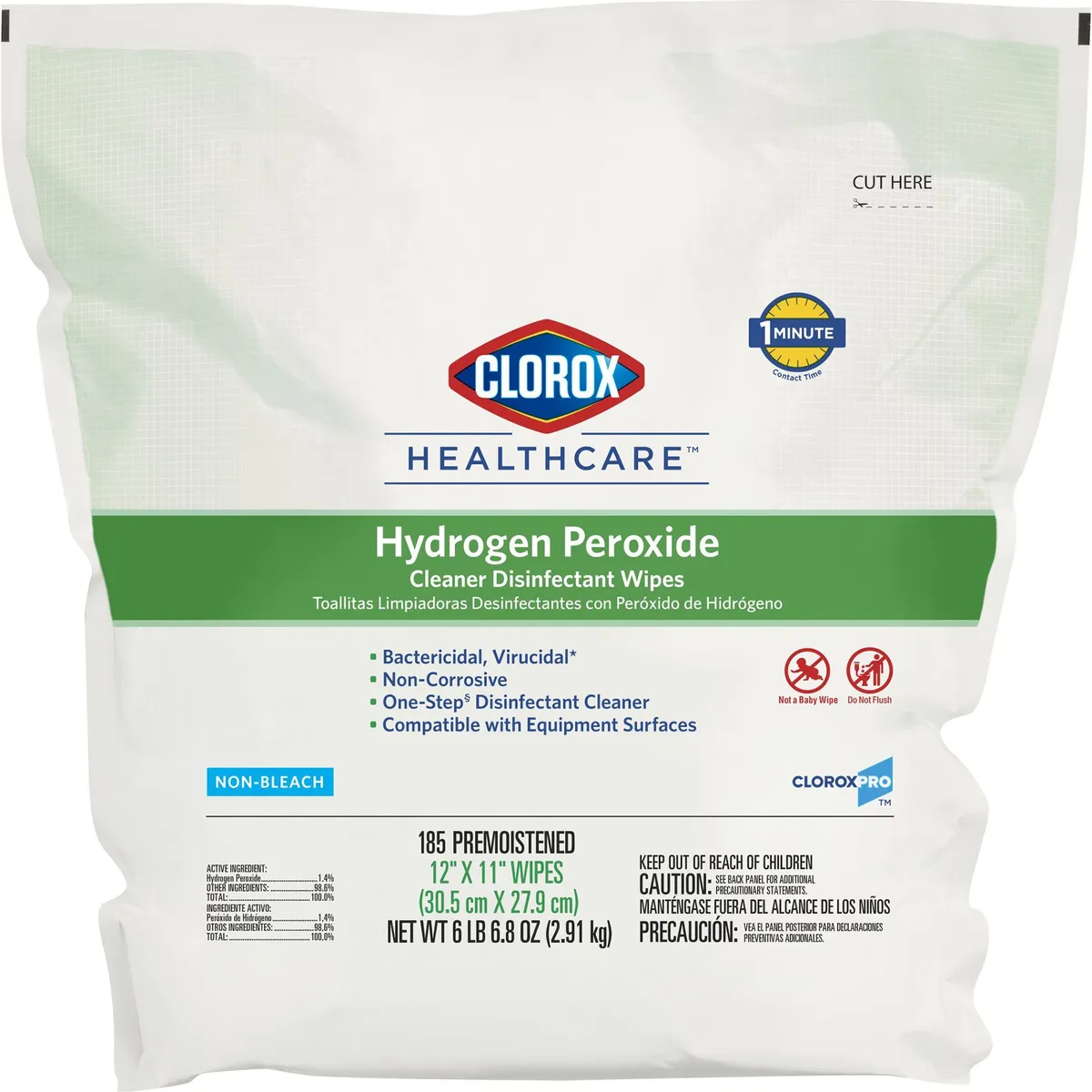
The Clorox Company
Clorox® Healthcare® Surface Disinfectant Cleaner, 1 Case of 2
$88.09USD
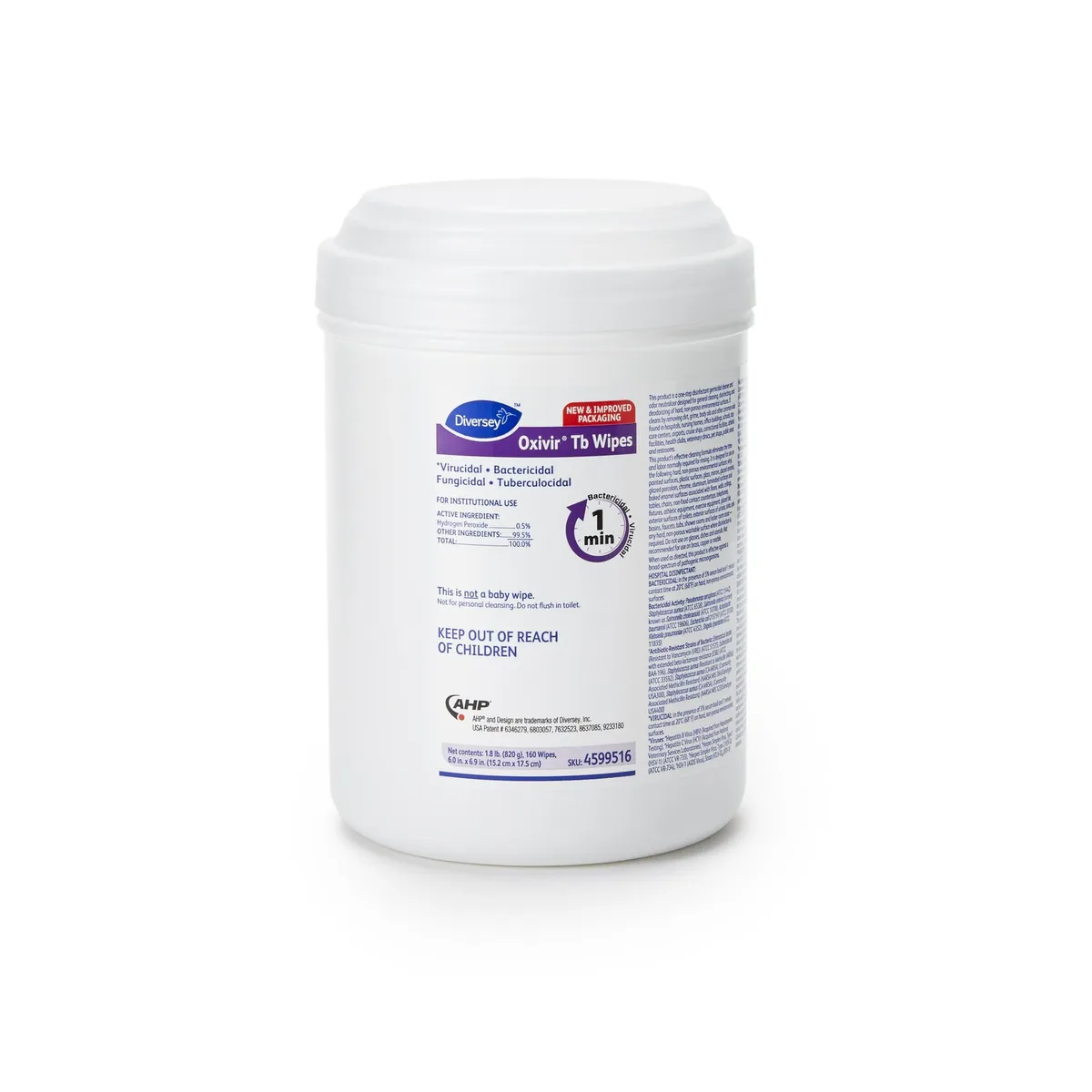
Lagasse
Oxivir® Tb Surface Disinfectant Wipes, 1 Carton of 160
$32.98USD
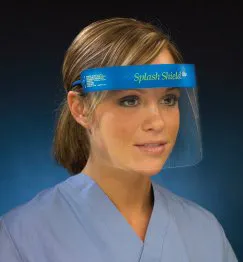
Splash Shield
Splash Shield Lite Face Shield with Frame, 1 Box of 40
$116.09USD
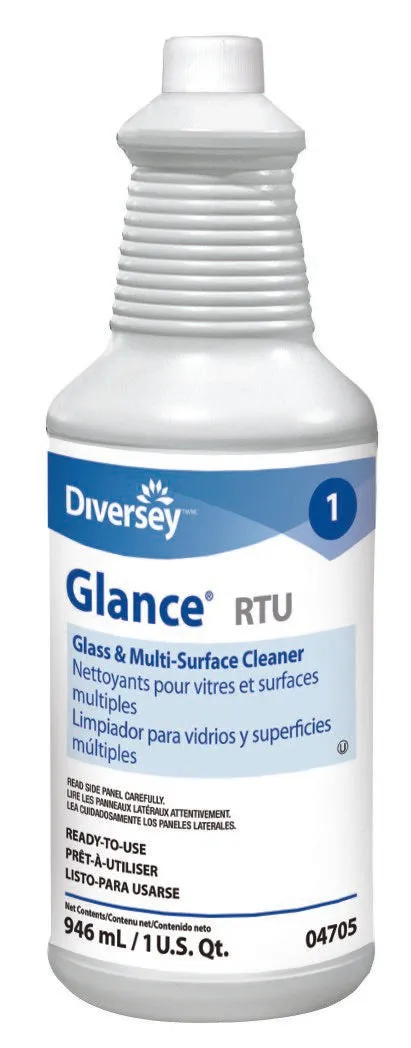
Lagasse
Glance® Glass / Surface Cleaner, 1 Each
$17.16USD
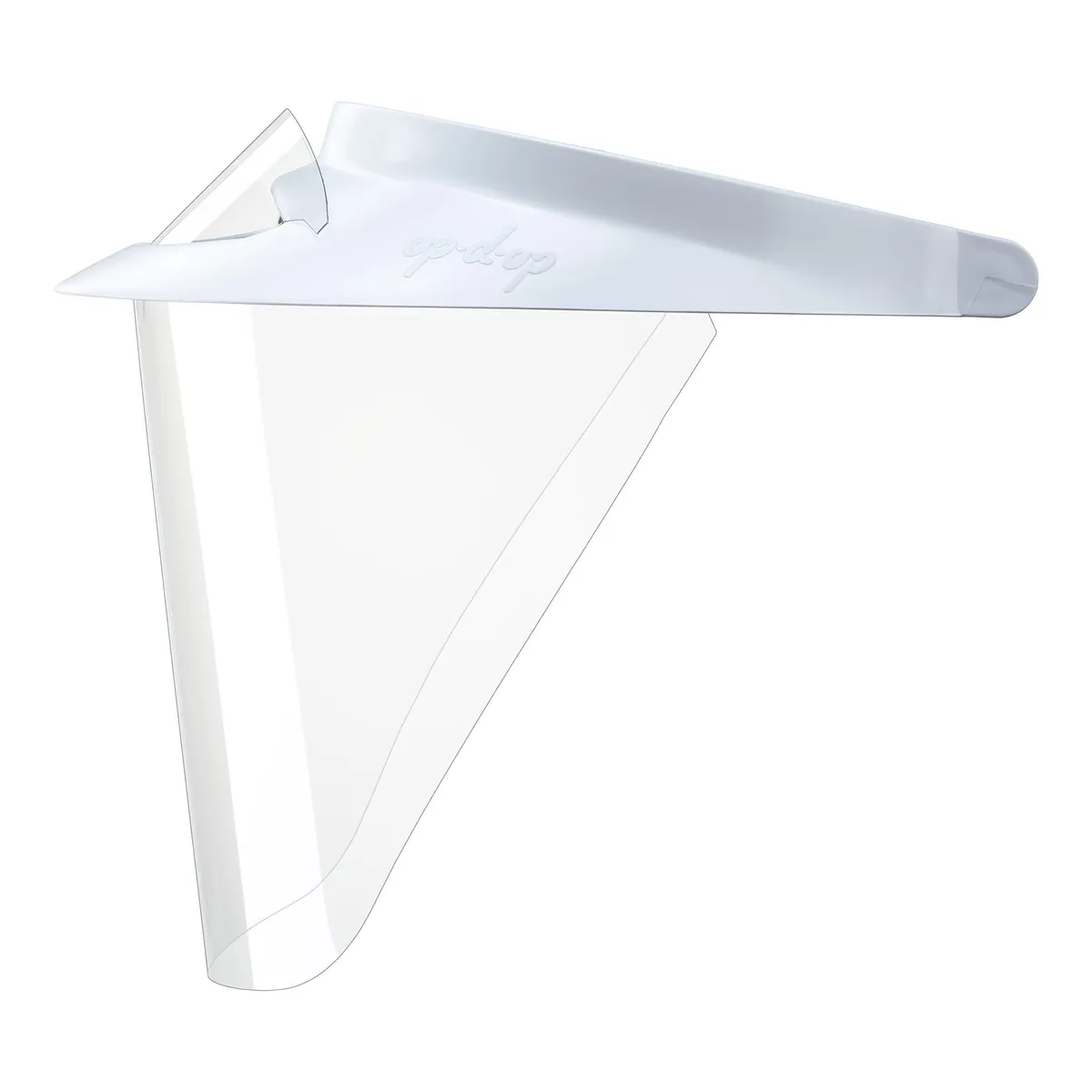
Op-D-Op
Op-D-Op Visor Shield Kit, 1 Each
$69.99USD
Three fluid-resistance levels match clinical risk: Level 1 (low), Level 2 (moderate), Level 3 (high-fluid surgical exposure).
Meets ≥95% BFE (bacterial) and PFE (particulate) filtration while preserving breathability across a full shift.
Soft elastic earloops distribute pressure evenly; tie-back variants are standard for extended procedural wear.
Malleable aluminum or double-strip nose bridges seal fit over the bridge of the nose to reduce fog and leakage.
Surgical and procedure masks provide fluid-resistant barrier protection against droplets and splashes during patient care. ASTM F2100 levels distinguish low, moderate, and high fluid-resistance for different clinical environments.
Clean hands before handling the mask. Inspect for defects or contamination before donning.
Colored side out; metal nose bar at the top. The mask should fully cover nose and mouth to below the chin.
Pull earloops over the ears without twisting, or tie the upper straps over the crown and the lower straps at the nape.
Press the nose bar along the bridge of the nose for a close fit. No gaps at the cheeks or chin.
Remove by the earloops or ties only — do not touch the front of the mask. Discard immediately; perform hand hygiene.
Clinical use information is provided for reference only. Always follow facility protocols, manufacturer instructions for use (IFU), and evidence-based practice guidelines. Consult the treating clinician before use.
Standards & Certifications
A spec-by-spec comparison with the most common alternatives in the surgical & procedure masks category. Clinical interchangeability varies — always verify with your care team or facility protocol.
| Spec | This product 3M Surgical Mask, Latex-Free, Tie Closure, Pleated, White, 1 Case of 600 | O&M Halyard Inc Halyard Surgical Mask, Anti-Fog Adhesive Film, Tie Closure, Pleated, One Size Fits Most, Green, 1 Box of 50 | O&M Halyard Inc Halyard Pleated Anti-fog Foam Surgical Mask, One Size Fits Most, 1 Box of 50 | Molnlycke Barrier®Extra Protection Surgical Mask, 1 Case of 600 |
|---|---|---|---|---|
| BFE | — | — | ≥98% | — |
| PFE | ≥98% | — | ≥98% | — |
| Nose Bar | Adjustable | Adjustable | Adjustable | Adjustable |
Comparison is provided for reference only. Brand names and trademarks belong to their respective owners. Specific SKUs may differ from category averages shown above.
Global innovation in medical science
3M Health Care combines material science with clinical insight to produce category-defining products across wound care, infection prevention, and respiratory protection.
Answers to the questions clinical buyers and care teams ask most about this product category.
Level 1 resists fluid pressure of 80 mmHg (low-risk exams, short procedures). Level 2 resists 120 mmHg (moderate fluid exposure). Level 3 resists 160 mmHg (orthopedic and trauma surgeries with arterial-pressure fluid risk). All three levels filter ≥95% bacterial filtration efficiency.
Earloops are faster to don and doff but apply ear pressure during long procedures. Tie-back masks distribute pressure across the crown and nape for extended wear and are standard in operating rooms and long procedural cases.
This is a surgical/procedure mask — a loose-fitting fluid barrier that filters droplets. It is not an N95 respirator and does not seal against the face. For airborne precautions, use a NIOSH-approved respirator that has been fit tested.
No. Surgical and procedure masks are single-use. Filter and fluid-barrier performance degrades after wear, and reprocessing (heat, UV, chemical) compromises the filter layer.
Fogging is caused by exhaled air escaping at the nose bridge. Press the nose bar firmly along the bridge of the nose and ensure the mask sits flush against the cheeks. Persistent fogging usually means the mask is too loose or the nose bar was not formed.
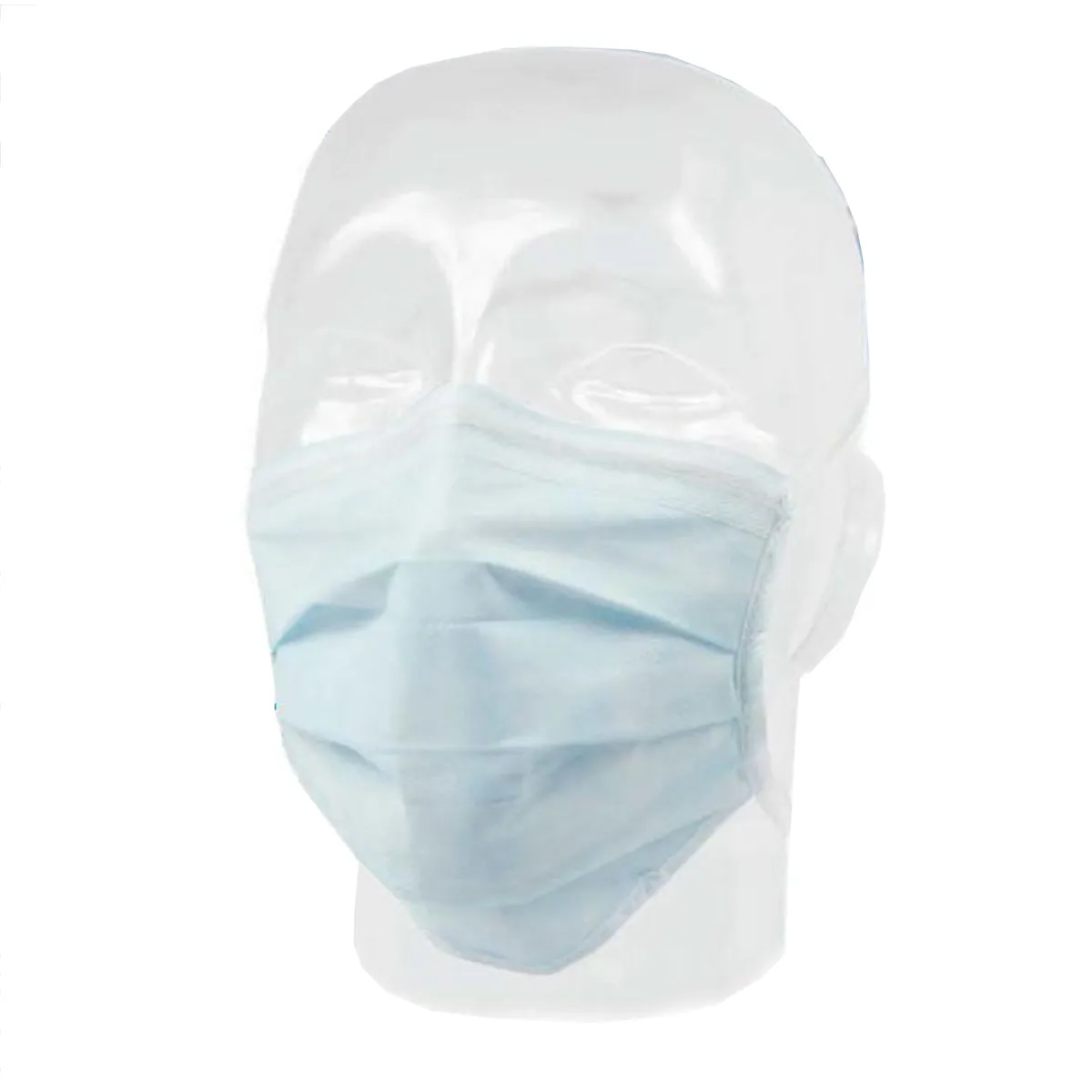
Aspen Surgical Products
Comfort-Cool™ Surgical Mask, 1 Box of 50
$26.15USD
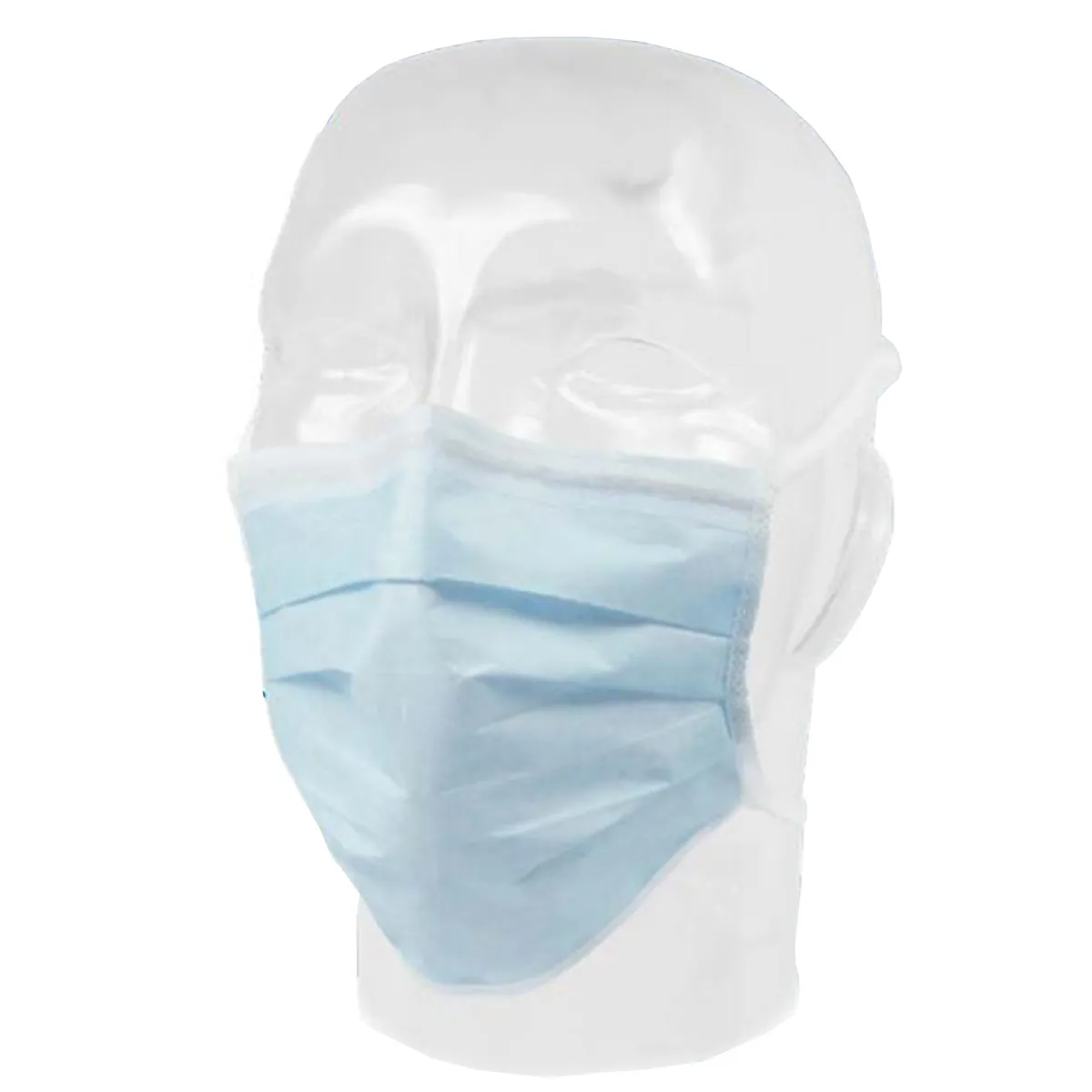
Cardinal
Secure-Gard® Procedure Mask, 1 Case of 500
$79.59USD
Aspen Surgical Products
Comfort-Plus™ Surgical Mask, 1 Case of 300
$82.42USD
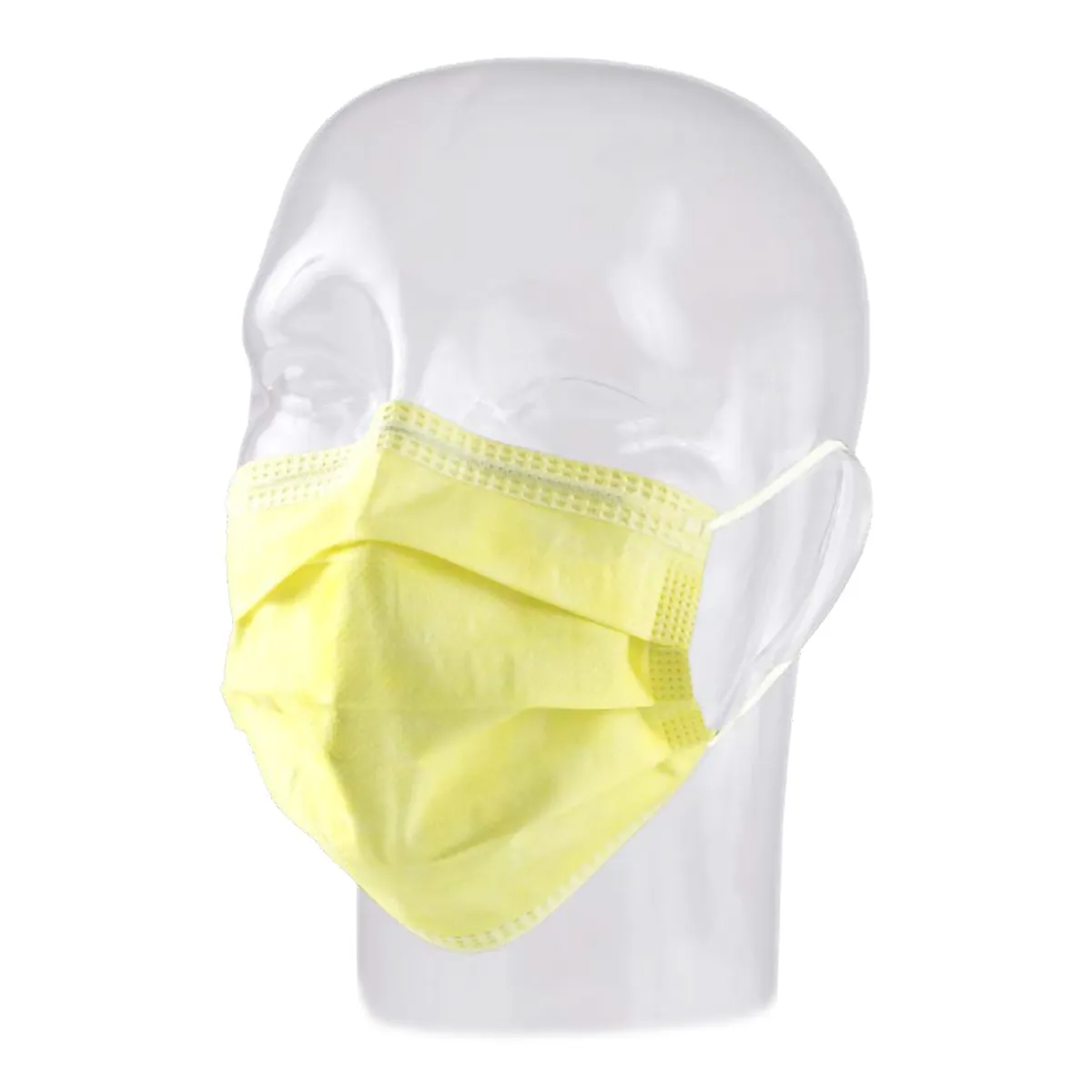
Aspen Surgical Products
Precept® Medical Products Pleated Procedure Mask, Yellow, 1 Box of 50
$18.65USD
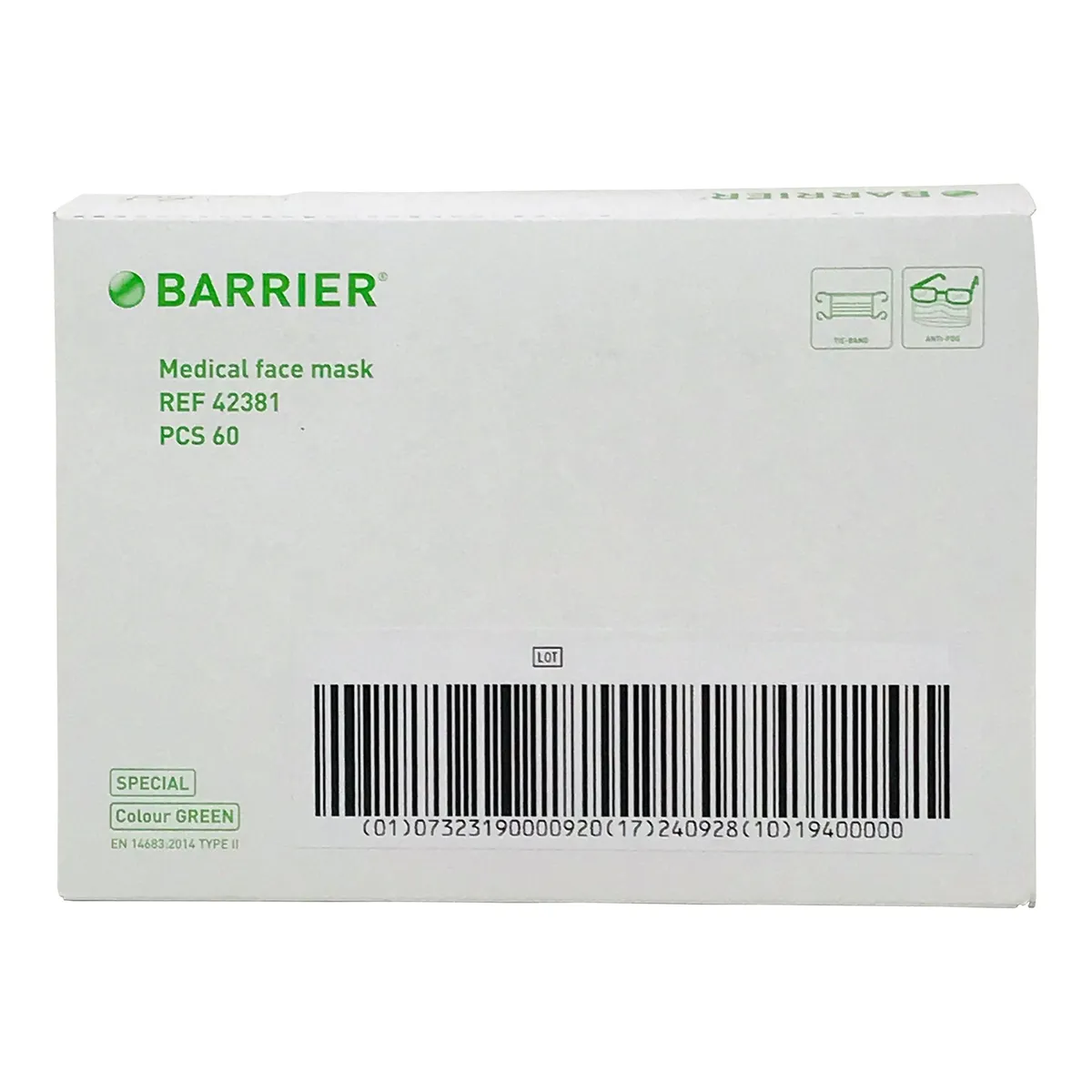
Molnlycke
Barrier®Extra Protection Surgical Mask, 1 Box of 60
$32.72USD
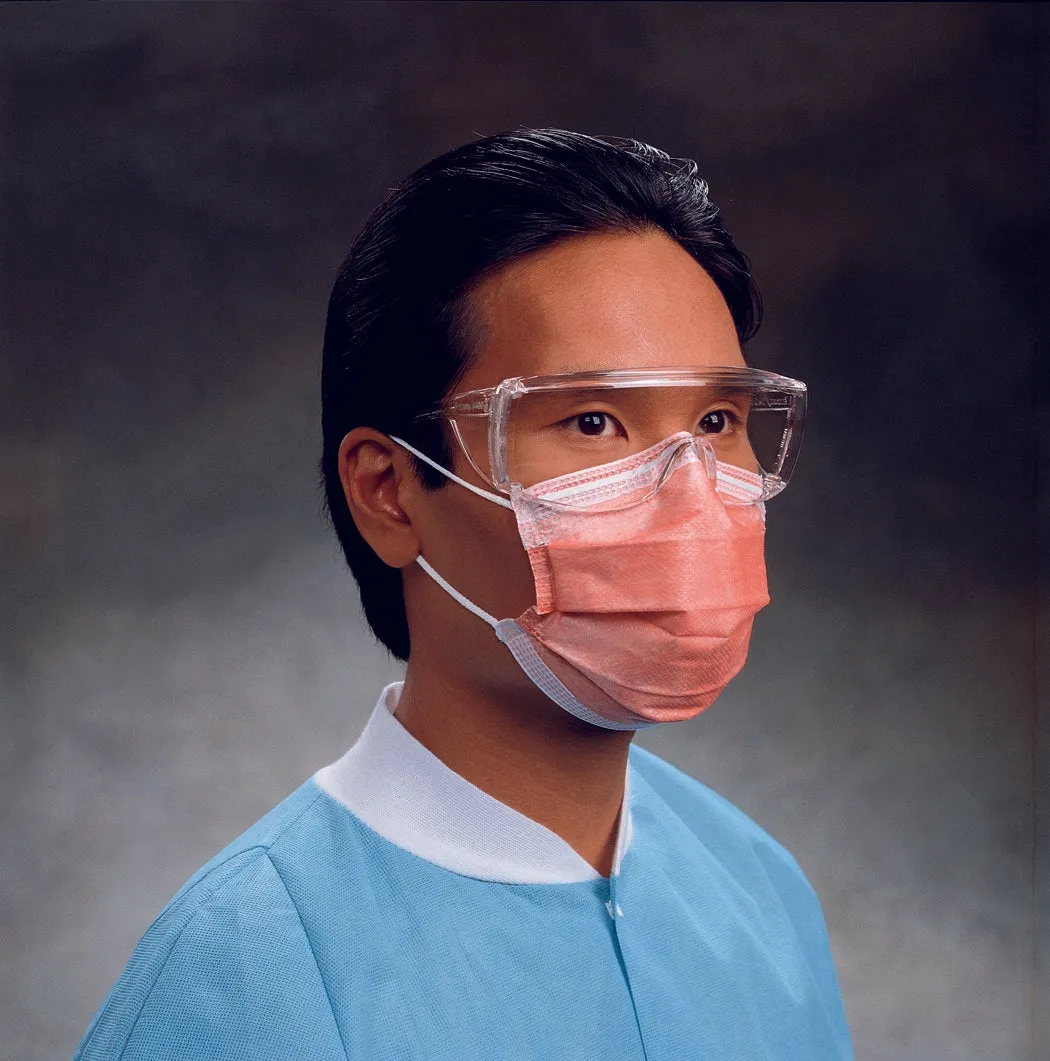
O&M Halyard Inc
FluidShield® Procedure Mask, 1 Case of 400
$163.13USD
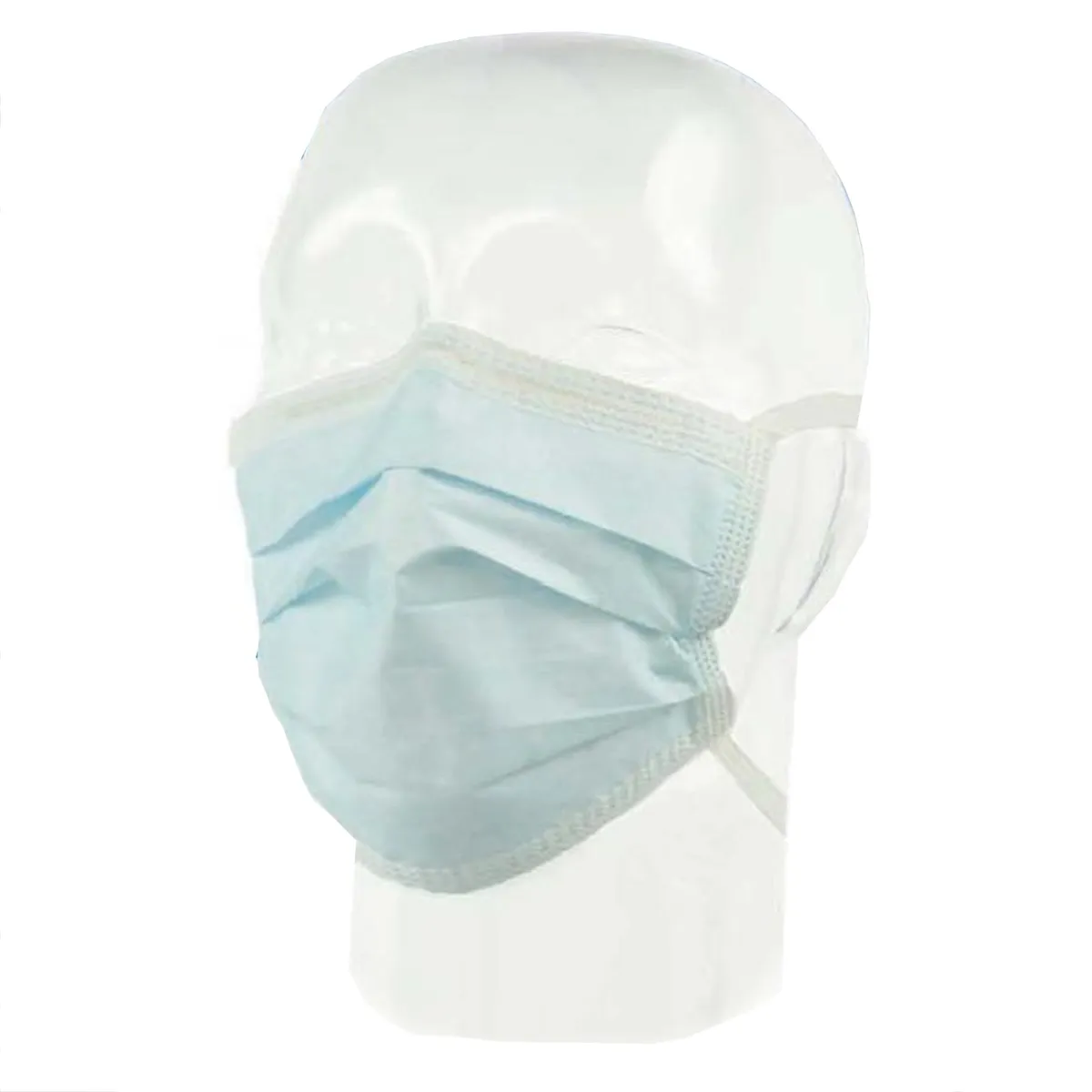
Aspen Surgical Products
Lite & Cool Surgical Mask, 1 Case of 300
$64.13USD
Cardinal
Secure-Gard® Surgical Mask, 1 Case of 300
$81.20USD
$171.25USD
$198.04USD
Save $26.79$0.29 each, 600 per pack
In stock. Order by 2pm PST for same-day processing.
In stock
Ships from our western US warehouses
Fast shipping
Same-day processing before 2pm PST
30-day returns
Hassle-free on eligible orders
HSA / FSA
Eligible for most medical accounts
Clinical Evidence
The Cochrane database of systematic reviews
A Cochrane systematic review of randomised and cluster-randomised trials of physical measures, including face masks, to reduce the spread of respiratory viruses in community and healthcare settings.
Key Findings
Sample Size
78 RCTs
Annals of internal medicine
A multicenter randomised noninferiority trial in 29 health care facilities comparing medical masks with fit-tested N95 respirators for health care workers caring for patients with suspected or confirmed COVID-19.
Key Findings
Sample Size
1,009 health care workers
Infection, disease & health
A systematic review and meta-analysis of comparative studies of health care workers wearing P2/N95 respirators or surgical masks, looking at SARS-CoV-2 infection and adverse effects.
Key Findings
Sample Size
21 studies
Clinical evidence is provided for informational purposes only. Healthcare professionals should evaluate products based on their clinical judgment and patient-specific factors. Links to external studies are provided as references and do not constitute endorsement. Always refer to the manufacturer's instructions for use.